Overview

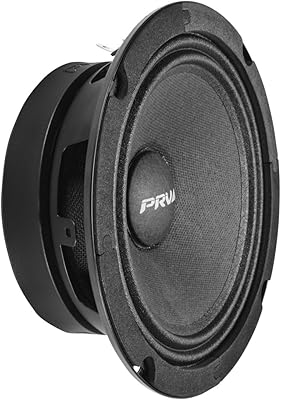
The Power Acoustik MID-65 6.5-Inch Midrange Driver has been quietly earning its place in budget car audio builds since 2008 — a long run that points to consistent demand rather than trend-chasing. Made by Epsilon Electronics, this 6.5-inch Power Acoustik speaker targets drivers who want a real upgrade over factory sound without spending serious money. It handles up to 300W max and runs at 8 ohms, which means it works with most aftermarket head units and amplifiers right out of the box. The steel basket keeps costs down while still giving the cone a stable platform, and the flush-mount design drops into standard factory cutouts with minimal fuss.
Features & Benefits

The high-temperature voice coil is probably the most meaningful spec on this driver. At higher volumes, cheaper coils heat up fast and distortion creeps in — the thermal-resistant design here keeps that in check during long drives or heavy bass sessions. The stamped steel basket is rigid enough to hold the cone steady without flexing under pressure, and the high-strength magnet helps the motor stay efficient even when the input signal gets demanding. Running at 8 ohms, the MID-65 pairs well with a wide range of amps, including many factory systems. The 90-day warranty is shorter than most competitors offer, so treat it as a heads-up to handle it carefully rather than a long-term safety net.

Best For

This midrange driver makes the most sense for someone doing a straightforward DIY audio upgrade on a budget. If your factory speakers are muddy, blown, or just underwhelming, dropping this 6.5-inch unit into existing door or dash cutouts is a practical fix without a complicated install. It works well as part of a 2-way or 3-way component setup, especially when paired with a dedicated tweeter up front and a subwoofer handling the low end. Beginners will appreciate how little friction is involved in getting it up and running. It is not built for competition-level SPL builds, but for everyday listening improvements it covers the essentials without demanding a major commitment.

User Feedback

Across roughly 67 ratings sitting at a 4.0-star average, the pattern is fairly consistent: most buyers notice a clear step up from stock speakers and find installation refreshingly straightforward. The value-for-money angle comes up repeatedly in positive reviews. On the critical side, some users raise a fair point about the 300W figure being a peak power rating, not a continuous one — real-world headroom is more modest, and pushing it hard without a proper amplifier can cause problems. A few buyers mention the build feels lighter than expected for the size. That said, most report this midrange driver holding up solidly over months of regular use, which for a budget-tier option is genuinely encouraging.

Pros

  • Fits standard 6.5-inch factory cutouts, making installation straightforward for most vehicles.
  • The high-temperature voice coil helps maintain sound quality during long, high-volume drives.
  • An 8-ohm impedance rating means it pairs easily with a wide range of aftermarket and OEM amplifiers.
  • Buyers consistently report a clear and noticeable improvement over tired or blown factory speakers.
  • The stamped steel basket keeps the cone stable without adding unnecessary weight to the build.
  • Has held steady demand since 2008, suggesting it reliably delivers on its core promise for budget builds.
  • Flush-mount design requires no custom brackets or major modifications for most standard installs.
  • Works well as a midrange component in a simple staged audio setup alongside a tweeter and subwoofer.
  • Solid value for anyone wanting a functional audio upgrade without a significant financial commitment.

Cons

  • The 300W spec is peak power only — real continuous handling is much lower, which can mislead buyers running powerful amps.
  • At only 90 days, the warranty period is shorter than most competing drivers in this segment.
  • Build quality feels lightweight to some buyers, which raises questions about long-term durability under hard use.
  • Not suited for high-powered amplifier setups where sustained output is regularly pushed toward rated limits.
  • No RMS power rating is clearly published, making it harder to properly match with an amplifier before buying.
  • Sound accuracy at the upper end of the midrange can fall short for listeners used to component-grade drivers.
  • Limited to car audio use — the listed compatibility with laptops and tablets on the product page is misleading and should be ignored.

Ratings

Our AI-generated scores for the Power Acoustik MID-65 6.5-Inch Midrange Driver were produced by analyzing verified buyer reviews from multiple global sources, with spam, bot activity, and incentivized feedback actively filtered out. The ratings below reflect honest patterns pulled from real-world experiences — both the genuine strengths that keep this driver selling after more than 15 years on the market, and the pain points that repeatedly surface among dissatisfied buyers. Nothing here is padded or softened to flatter the product.
Value for Money
83%
For buyers building a budget car audio setup, this midrange driver consistently delivers more than expected at its price point. Reviewers frequently note that the step up from factory stock speakers is immediately noticeable, making it a satisfying purchase for the cost involved.
Value perception drops significantly among buyers who expected near-professional output based on the 300W marketing figure. When those buyers discover the gap between peak and real sustained power handling, the value proposition feels less compelling.
Sound Quality
71%
29%
In the midrange frequency band — where vocals, guitars, and most instruments live — this 6.5-inch Power Acoustik speaker performs well above what most factory speakers can manage. Daily commuters and casual listeners report noticeably cleaner, fuller sound particularly in the 200Hz to 4kHz range.
At higher output levels, some buyers detect compression and a slight harshness in the upper midrange that more refined drivers handle more gracefully. It is not an audiophile-grade experience, and critical listeners running quality source material will likely notice the ceiling.
Build Quality
62%
38%
The stamped steel basket feels solid in hand and holds the cone securely, which is a meaningful upgrade over the plastic-framed drivers that populate this price tier. The overall assembly is consistent enough that most buyers report no rattles or obvious defects out of the box.
The overall feel of the driver is noticeably lightweight, and several buyers have flagged that the materials give an impression of fragility under scrutiny. A few reviewers reported cone surround quality concerns after only moderate use, which keeps confidence in long-term durability lower than it should be.
Installation Ease
88%
The flush-mount design is genuinely well-suited to standard factory cutouts, and most buyers with basic DIY experience report completing the install in under an hour. The 6.5-inch format is so universally common that brackets, adapters, and wiring harnesses are easy to source.
A small number of buyers ran into depth clearance issues in tighter door cavities — the 4-inch mounting depth is not excessive, but it can catch people off guard in certain vehicle models. Double-checking measurements before drilling is strongly advised.
Power Handling Accuracy
44%
56%
The driver handles moderate, well-matched amplifier output reliably, and buyers running it at sensible power levels generally report stable, consistent performance over time. For setups where the amplifier is properly matched to realistic RMS levels, the driver holds up fine.
The 300W maximum figure is a peak rating under ideal conditions, and the absence of a clearly published RMS rating is a recurring frustration in buyer feedback. Several reviewers felt genuinely misled when they discovered the real continuous power handling is considerably lower, and a few reported premature failures after pushing the driver too hard based on the advertised spec.
Thermal Performance
77%
23%
The high-temperature voice coil does its job during extended sessions at moderate to high volumes. Buyers who use this driver for long highway drives with the stereo running consistently report no obvious signs of thermal degradation or audible distortion creeping in over time.
Under sustained high-power conditions — particularly in hot climates or vehicles with poor cabin ventilation — the thermal management is less impressive. The protection is adequate for normal use but should not be treated as a safeguard against consistently overdriving the driver.
Compatibility
86%
The 8-ohm impedance is one of this driver's most practical assets — it works with an unusually wide range of aftermarket amplifiers, factory head units, and standard receiver outputs without requiring any impedance matching workarounds. Buyers rarely report wiring or compatibility headaches.
The product listing includes a confusing range of compatible devices that includes laptops and projectors, which has led some buyers to purchase it for non-automotive applications where it is simply not designed to perform. This is a listing accuracy issue rather than a product flaw, but it does generate returns and frustration.
Frequency Range Coverage
68%
32%
For a driver marketed as a midrange and bass unit, it covers the critical vocal and instrumental frequencies with enough clarity to satisfy casual listeners in most everyday listening scenarios. Pairing it with a dedicated tweeter noticeably fills out the high-frequency gap it leaves on its own.
Without a crossover or a properly tuned amplifier channel, this driver can sound unbalanced — handling some bass frequencies that it does not reproduce as cleanly as a dedicated woofer would. It works best as one layer in a multi-driver system rather than a standalone solution.
Magnet and Motor Efficiency
74%
26%
The high-strength magnet structure gives the driver a reasonably efficient motor for its price class, meaning the amplifier does not need to work as hard to produce adequate output. This efficiency is appreciated in setups where amplifier headroom is limited.
Compared to drivers with more sophisticated motor geometries — even some modestly priced competitors — the MID-65 shows efficiency limitations when asked to move significant air at low frequencies. It is functional, not exceptional, in terms of motor performance.
Warranty and Support
41%
59%
The 90-day warranty does cover manufacturing defects during the initial period, and buyers who encountered problems within that window generally report that the process for getting a replacement started is straightforward enough.
Ninety days is a notably short window compared to the one-year or even two-year warranties offered by competing brands at similar prices, and this comes up repeatedly in negative reviews. Buyers who experience issues at the four or five-month mark have no formal recourse, which has left a vocal minority feeling underserved.
Longevity
63%
37%
Buyers who run this driver at moderate, sensible power levels and in average climate conditions generally report it holding up well over six to twelve months of regular use. For a budget-tier component, that kind of durability is a reasonable baseline expectation.
A pattern of early failures does appear in the review data, particularly among buyers who pushed power levels aggressively or lived in hot climates. The 90-day warranty means that anyone outside that window dealing with a failure is left without manufacturer support, amplifying the perception of poor durability.
Packaging and Out-of-Box Experience
72%
28%
Most buyers report that the driver arrives well-protected and free of shipping damage, and the out-of-box condition is generally consistent with what the product photos suggest. No significant complaints about damaged units on arrival appear with unusual frequency.
The packaging is minimal and functional rather than polished, and the included documentation is sparse — buyers who are newer to car audio installations may find themselves relying on online resources to fill in the gaps that a more detailed instruction sheet could have covered.
Aesthetic and Fitment
79%
21%
The black finish blends cleanly with most speaker grilles and interior panels, and the standard circular form factor ensures the driver sits flush and looks intentional rather than retrofitted. Buyers rarely mention fitment as a pain point once the install is complete.
The driver is visually generic, which is fine for most buyers who will cover it with a grille, but those building visible or custom speaker installations may find the appearance underwhelming compared to branded or stylized alternatives in the same segment.

Suitable for:

The Power Acoustik MID-65 6.5-Inch Midrange Driver is a smart pick for budget-conscious car audio enthusiasts who want a genuine upgrade over factory speakers without committing to a high-end component system. It fits cleanly into the most common 6.5-inch cutouts found in car doors and dash panels, making it a natural drop-in replacement for anyone dealing with blown or weak stock units. DIY installers will appreciate the flush-mount design, which keeps the process manageable without specialized tools or custom fabrication. It also works well as the midrange layer in a modest 2-way or 3-way setup, particularly when paired with a separate tweeter and a subwoofer handling the low frequencies. Beginners stepping into their first car audio build will find this a low-stakes entry point that still delivers a noticeable improvement in clarity and output over what most vehicles ship with from the factory.

Not suitable for:

Buyers expecting competition-grade output or audiophile-level precision should look elsewhere, as this midrange driver is built to a price point and those limitations show under demanding conditions. The 300W figure on the spec sheet is a peak rating, not a continuous one, which means the real sustainable power handling is considerably lower — pushing it hard without a properly matched amplifier is a reliable way to shorten its lifespan. The 90-day warranty is also noticeably short compared to what most rival brands offer at similar price levels, which is worth factoring in if long-term reliability is a priority. Those building a serious SPL system, running high-powered amplifiers, or seeking tight, accurate sound reproduction for critical listening will likely find this driver falls short of their expectations. If you need something that can hold up to sustained abuse in a loud, high-power environment, this is not the right tool for that job.

Specifications

  • Driver Size: This speaker uses a 6.5-inch driver, which fits the most common factory cutout size found in car doors and dash panels.
  • Max Power: The driver is rated at 300W maximum output, which reflects peak handling under ideal conditions rather than continuous sustained power.
  • Impedance: It runs at 8 ohms, a standard impedance level that pairs well with most aftermarket amplifiers and factory head units.
  • Voice Coil: The voice coil is built to withstand high temperatures, which helps reduce thermal distortion during extended listening sessions at higher volumes.
  • Basket Material: The basket is constructed from heavy stamped steel, giving the cone a rigid and stable mounting frame without significantly inflating the cost.
  • Magnet Type: A high-strength magnet drives the motor assembly, contributing to efficient energy conversion at this price tier.
  • Mounting Type: The driver uses a flush-mount installation style, designed to sit flat within a standard speaker cutout without requiring additional hardware or custom brackets.
  • Connectivity: Connection is wired and uses a coaxial configuration, compatible with standard speaker wire terminals found on most aftermarket and OEM receivers.
  • Dimensions: The unit measures 7.5″ x 7.5″ x 4″, giving installers a reliable reference for checking clearance depth before mounting.
  • Weight: The driver weighs 3.75 pounds, which is manageable for a single-person installation in most standard door or dash applications.
  • Color: The driver is finished in black, which blends cleanly with most interior speaker grilles and mounting panels.
  • Speaker Type: This is a dedicated midrange and bass driver, intended to handle the frequency ranges that factory speakers often struggle to reproduce clearly.
  • Audio Channel: The driver operates in a mono 1.0 channel configuration, meaning one driver handles its assigned frequency range independently.
  • Power Source: The driver is corded and draws power through a wired connection to the vehicle's amplifier or head unit — no battery or wireless component is involved.
  • Warranty: Epsilon Electronics backs this driver with a 90-day manufacturer warranty, which covers defects but is shorter than the one-year coverage many competing brands offer.
  • Manufacturer: This driver is made by Epsilon Electronics Inc., the parent company behind the Power Acoustik brand, based in the United States.
  • Model Number: The official model number is MID65, which is useful for cross-referencing compatible accessories or confirming the correct unit when ordering.
  • Availability: The driver has been available since March 2008, making it one of the longer-running budget midrange options in its category.

Related Reviews
KEF KC62 Compact Powered Subwoofer
82%
93%
Bass Extension & Depth
61%
Output Level & Loudness
91%
Accuracy & Tonal Precision
88%
Build Quality & Materials
96%
Form Factor & Size
More
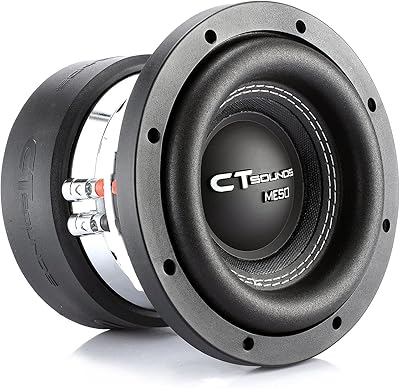
CT Sounds TROPO-6.5-D2 6.5″ Car Subwoofer
77%
83%
Bass Output for Size
88%
Value for Money
79%
Build Quality
76%
Thermal Management
84%
Installation Ease
More
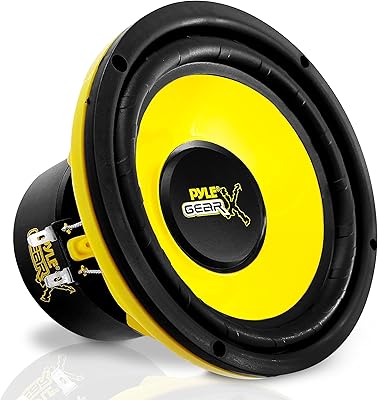
CT Sounds Meso-6.5-D4 6.5 Inch Dual 4 Ohm Car Subwoofer
83%
90%
Bass Performance
85%
Power Handling
88%
Build Quality
65%
Installation Ease
92%
Cooling System Effectiveness
More
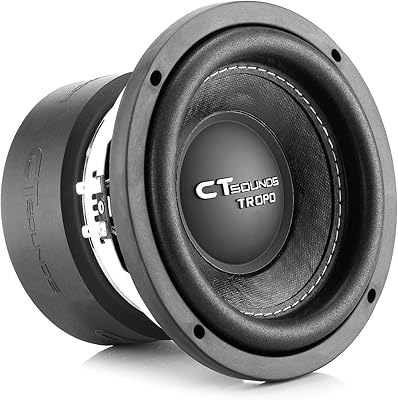
Pyle PLG64 6.5-inch Car Mid Bass Woofer
73%
91%
Value for Money
78%
Bass & Midrange Output
74%
Build Quality
88%
Installation Ease
63%
Durability Over Time
More
PRV Audio 6MR200A 6.5-Inch Shallow Midrange Speaker
85%
91%
Sound Clarity
94%
Shallow Mount Design
93%
Value for Money
88%
Installation Experience
79%
Build Quality
More
GRTSKY MX65E1 6.5-Inch Car Coaxial Speakers
66%
73%
Sound Clarity
47%
Bass Performance
66%
Treble & Tweeter Quality
54%
Build Quality
82%
Installation Ease
More
DS18 PRO-GM6.4 6.5″ Midrange Car Speaker
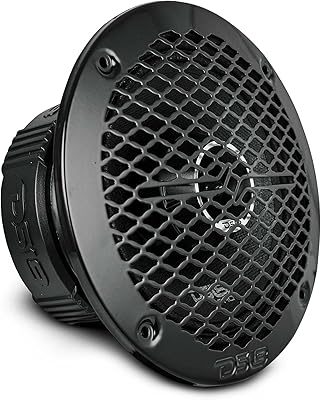
75%
91%
Vocal Clarity
87%
Build Quality
84%
Power Handling
89%
Midrange Presence
58%
Installation Experience
More
DS18 PRO-ZT6 6.5-Inch Midrange Speaker
76%
91%
Sound Output & Volume
84%
Midrange Clarity
88%
Build Quality
73%
Water Resistance
86%
Installation Ease
More
RECOIL MS65-4P 6.5-Inch Midrange Car Speakers
75%
88%
Midrange Sound Quality
86%
Value for Money
79%
Build Quality
83%
Installation Ease
77%
Power Handling
More
Timpano TPT-MR6-4 PRO 6.5 Inch Shallow Midrange Speaker
87%
88%
Audio Performance
90%
Ease of Installation
85%
Build Quality
92%
Midrange Clarity
87%
Power Handling
More

FAQ

In most cases, yes. The 6.5-inch diameter matches the most widely used factory speaker size in car doors and dash panels. That said, you should always check the mounting depth, which is 4 inches, against your door panel cavity before committing to the install — some vehicles have tight clearance behind the speaker location.

Because it runs at 8 ohms, this midrange driver is compatible with most standard aftermarket amplifiers and even many factory head units. The key thing to keep in mind is that the 300W figure is a peak rating, not a continuous one — so you want an amplifier whose RMS output is well within the driver's actual sustained handling range rather than one pushing full tilt at all times.

You can connect it directly to a head unit with built-in amplification, and it will work. However, you will get better sound quality and more controlled output by pairing it with a dedicated external amplifier that is properly matched to the driver's impedance.

No, it is not. This is a dedicated midrange and bass driver, which means it is designed to handle a specific slice of the frequency range. For a complete sound system, you would want to pair it with a separate tweeter for high frequencies and a subwoofer for deep bass.

When a speaker is pushed hard for extended periods, the voice coil heats up and can start to distort the sound or, in worse cases, fail entirely. The thermal-resistant design on this driver helps it stay stable longer before that heat becomes a problem, which matters most if you regularly listen at high volumes on long drives.

It is shorter than what many competing brands offer, so it is worth noting. It is not necessarily a sign of poor quality, but it does mean you have a smaller window to catch any defects out of the box. Handle the driver carefully during installation and test it thoroughly right away rather than waiting weeks to check it out.

The product is described as a midrange and bass driver, so it is intended to cover both of those frequency ranges. In practice, it handles the mid-bass frequencies well, but it is not a substitute for a dedicated subwoofer if you want deep, punchy low-end response.

Yes, it is one of the more approachable options for someone new to car audio upgrades. The flush-mount design keeps the install process simple, and the 6.5-inch size fits most factory locations without custom work. Just take your time measuring the mounting depth, and use the correct wire gauge for your amplifier setup.

Most buyers report a noticeable improvement over the thin, underpowered speakers that come installed from the factory. The sound is generally fuller and clearer, particularly in the midrange frequencies where voices and instruments sit. It is not going to sound like a high-end component system, but as a step up from stock, the difference tends to be obvious.

Yes, the MID-65 is well suited for use as the midrange component in a 3-way setup. You would cross it over between a tweeter handling the high frequencies and a subwoofer managing the low end. Make sure your crossover or amplifier settings are dialed in properly so the driver is not being asked to reproduce frequencies outside its intended range.

Where to Buy