





Overview

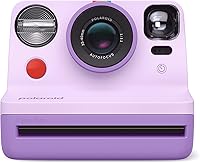
The Polaroid Now 2nd Gen Instant Camera is Polaroid's updated take on their popular Now line, bringing a few meaningful changes without reinventing the wheel. It sits comfortably in the mid-range instant camera space, trading blows with Fujifilm Instax models and older Polaroid variants. The purple colorway is eye-catching, but what's actually worth noting is the switch to a built-in rechargeable battery — no more hunting for AAs mid-shoot. It charges via USB-C, which feels appropriately modern. One thing to flag upfront: the camera body is just the starting point. Film is sold separately, and that recurring cost adds up faster than most first-time buyers expect.

Features & Benefits

The Polaroid Now Gen 2 packs more creative tools than its price bracket might suggest. The double exposure mode is a genuine highlight — it lets you fire two separate shots onto a single frame, which sounds gimmicky but actually produces some surprisingly artistic results in the right hands. The autofocus and self-timer combination means you're not stuck relying on someone else to get a decent group shot. It works with both i-Type and 600 film, which is handy if you have older stock lying around. The neck strap and USB-C cable are included — small things, but they signal that Polaroid thought carefully about the out-of-box experience this time around.

Best For

This instant camera is a strong match for teens, young adults, and anyone who misses the tactile thrill of holding a real photo minutes after taking it. It makes an especially solid gift — visually appealing, ready to use, and requires no setup beyond loading film. Festival and travel use is another natural fit; there's something about handing someone a physical print at a concert or on a trip that a phone photo just can't replicate. If you're already in the Polaroid ecosystem with a stash of 600 film, the transition is even easier. It's not a camera for perfectionists — it's for people who shoot for the moment.

User Feedback

Buyers consistently praise the print color accuracy and build quality — this Polaroid feels sturdy and well-constructed for its price range. The USB-C charging gets specific callouts from people upgrading from older models, who appreciate not having to carry spare batteries. Where things get more mixed is around autofocus performance: in low light or with fast-moving subjects, shots can come out soft, which frustrates buyers expecting more consistency. The film cost per shot is the most frequently raised concern overall — once the camera body is purchased, every film pack represents an ongoing expense that catches some buyers off guard. A handful of reviewers also flagged that no film was included, leaving first-time Polaroid owners needing an extra purchase before they could shoot.

Pros

  • Physical prints develop in minutes, making every shot feel like a small event worth sharing.
  • The built-in rechargeable battery and USB-C charging remove the frustration of dead AAs mid-shoot.
  • Double exposure mode unlocks genuinely creative results without needing any editing skills or apps.
  • Compatible with both i-Type and 600 film, giving buyers more purchasing flexibility across retailers.
  • Build quality feels solid and durable enough for casual everyday carry and bag life.
  • The self-timer and autofocus combo makes solo shots and group photos far more reliable than older models.
  • Neck strap and charging cable included — small touches that prevent annoying first-day accessory runs.
  • Made with 40% recycled materials, a concrete sustainability step that goes beyond vague green claims.
  • Daylight and well-lit indoor prints show warm, accurate color that holds up well for casual display.
  • Ranks among the top instant film cameras on major retail platforms, reflecting broad buyer confidence.

Cons

  • Film is sold separately, catching many first-time buyers off guard right at unboxing.
  • Per-print film costs accumulate quickly, making regular shooting significantly more expensive than it first appears.
  • Autofocus struggles noticeably in low light and with moving subjects — common real-world shooting conditions.
  • No battery level indicator beyond a basic warning light, leaving users guessing until the camera dies.
  • The optical viewfinder can mislead on framing, especially for close-up shots where edge cropping surprises users.
  • Flash performance drops off sharply beyond close range, limiting usable results in larger indoor spaces.
  • The camera body is bulkier than most competitors, making it impractical for pocket or minimal-carry situations.
  • No manual exposure controls means users cannot compensate when automatic settings misread a scene.
  • Double exposure mode has a steep learning curve, and early attempts frequently produce muddy, unclear prints.
  • Color consistency can vary across film batches, making print-to-print results feel less predictable over time.

Ratings

The Polaroid Now 2nd Gen Instant Camera earns its place among the most talked-about instant cameras in its category, and the scores below reflect exactly that — the highs and the frustrations. These ratings were generated by AI after analyzing thousands of verified global purchases, with spam, bot activity, and incentivized reviews actively filtered out. The result is an honest breakdown that captures what real buyers love about this Polaroid and where it genuinely falls short.

Print Quality
78%
22%
Most buyers are happy with the color reproduction on well-lit shots — skin tones come out warm and natural, and outdoor daylight prints tend to look vibrant without feeling oversaturated. For a point-and-shoot analog camera, the consistency across a pack of film is better than many expect.
Low-light prints are a recurring weak point, often coming out underexposed or washed out even with the flash active. Some users also note slight color shifts between film batches, which makes results feel less predictable over time.
Build Quality
83%
The camera body feels solid and purposeful in hand — not flimsy like some competitors at this price point. Buyers frequently mention that it survives casual drops, bag tossing, and daily carry without showing wear, which matters a lot for the target demographic.
The plastic finish, while sturdy, does pick up scratches and smudges fairly quickly. A few users noted that the film door hinge feels a bit loose after extended use, raising minor durability concerns over the long term.
Ease of Use
91%
This instant camera is about as straightforward as it gets — load film, point, shoot. First-time users consistently report getting their first successful print within minutes of unboxing, and the clearly labeled controls remove any guesswork even for kids or older gift recipients.
The optical viewfinder can be slightly misleading for close-up shots, causing unintentional cropping at the edges of prints. There is no exposure compensation control, which leaves more technically curious users without a way to correct for tricky lighting situations.
Battery Life
74%
26%
The built-in rechargeable lithium-ion battery is a real step forward from AA-dependent predecessors. Buyers who shoot in short bursts across a day report that a single charge comfortably gets them through one to two full film packs without needing to plug in mid-session.
Heavy shooters or those using the flash frequently on every shot report faster drain than expected. A USB-C charge from flat to full takes a couple of hours, and because the battery is internal, there is no option to carry a spare for all-day events.
USB-C Charging
88%
Upgraders from the original Now or older Polaroid models consistently call out USB-C as a welcome change — it means one less proprietary cable to track down, and most buyers already own compatible chargers for other devices. Charging on the go with a power bank works without issues.
The camera does not charge and shoot simultaneously, so if the battery dies mid-outing there is a hard stop until it recharges. A small but vocal group of reviewers also notes the lack of any battery level indicator beyond a basic warning light.
Autofocus Performance
62%
38%
In standard daylight conditions with a relatively still subject, the autofocus handles most casual shooting situations without much fuss. Portraits at arm's length and group shots a few feet away — exactly what this camera is designed for — tend to come out sharp enough.
Fast-moving subjects and dimly lit indoor scenes expose real limitations in the autofocus system. Multiple reviewers report soft or out-of-focus prints in birthday party and concert settings, which is precisely when people are most likely to be using this camera.
Value for Money
59%
41%
The camera body itself is reasonably priced for what it offers, and the inclusion of the neck strap and USB-C cable means buyers do not need to purchase accessories immediately. For a one-time gift purchase, the upfront cost feels justifiable given the brand recognition.
The ongoing film cost is where value perception collapses for many buyers. A pack of eight shots adds a per-print cost that adds up fast, and once buyers do the math after their first few packs, a significant portion feel the total cost of ownership was not clear at purchase time.
Creative Features
81%
19%
The double exposure mode stands out as a genuinely fun differentiator — layering two frames onto one print produces unexpected, artsy results that users love sharing. Combined with the self-timer, the creative ceiling is noticeably higher than competing models at a similar price.
Double exposure requires some experimentation to get right, and early attempts frequently produce muddy or confusing prints. The self-timer only offers a single fixed delay, which is limiting when trying to get into a group shot from a distance.
Flash Performance
71%
29%
The built-in flash handles typical indoor social situations reasonably well — close-range birthday shots, table gatherings, and dim bar settings all tend to produce recognizable and usable prints. It fires automatically when the camera detects lower light, removing any manual guesswork.
Red-eye is a persistent complaint in direct flash conditions, and the flash power does not always scale well for subjects further than six or seven feet away. Several users report that flash-heavy prints can look flat or slightly blown out compared to natural light shots.
Film Compatibility
86%
Supporting both i-Type and 600 film is a practical advantage that competing instant cameras do not always offer. Buyers with older Polaroid 600 film stock can put it to use immediately, and the wider film availability means more purchasing options across different retailers and price points.
i-Type film, while slightly less expensive, is exclusive to newer Polaroid cameras — which creates some confusion for first-time buyers navigating compatibility at checkout. Film packaging labeling is not always immediately clear, and a few buyers have accidentally purchased incompatible formats.
Portability
73%
27%
At just under a pound, the Polaroid Now Gen 2 is light enough for festival bags and travel backpacks without becoming a burden. The included neck strap makes carrying it hands-free genuinely practical at outdoor events where you want it ready at a moment's notice.
It is noticeably bulkier than slim credit-card-style instant cameras, and the protruding lens makes it awkward to slip into a jacket pocket. Buyers expecting something compact for daily carry often find themselves leaving it behind rather than committing to a bag.
Packaging & Unboxing
77%
23%
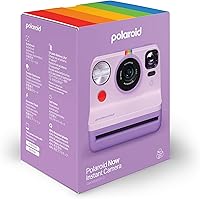
The unboxing experience is consistently described as clean and well-presented, which matters given how frequently this camera is purchased as a gift. The box design feels premium enough to hand over without rewrapping, and the included accessories are neatly organized inside.
No film is included in the box, which is a point of genuine frustration for buyers who expected to shoot immediately after unboxing. A number of reviews flag this as a negative surprise, particularly for gift recipients who were not aware they needed to purchase film separately.
Sustainability & Materials
79%
21%
The 40% recycled materials construction resonates with environmentally conscious buyers who want their purchases to reflect their values. It is a concrete, verifiable claim rather than vague green marketing, and it comes up organically in positive reviews from that audience segment.
Some skeptics point out that the recycled materials spec does not extend to the film cartridges themselves, which generate plastic waste with every pack. Buyers who investigated further also noted limited transparency about exactly which components use recycled content.
Color & Design Appeal
84%
The purple colorway photographs well and looks distinctive on a shelf or around a neck at an event. Buyers who chose this specific variant consistently mention it as a conversation starter, and the finish feels intentional rather than an afterthought compared to the standard black model.
Color options are limited to just a few variants, and availability of specific colorways can be inconsistent across retailers. A small number of buyers report that the in-hand color looked slightly different from product photography, skewing more muted in real life.

Suitable for:

The Polaroid Now 2nd Gen Instant Camera is built for people who want photography to feel like an experience rather than a data point on their camera roll. It's an ideal pick for teens and young adults who grew up in a digital-first world but crave something tactile and immediate — holding a physical print minutes after taking a shot scratches an itch that no Instagram filter can. Gift buyers will find it particularly well-suited to birthdays, graduations, and holidays, since it arrives looking polished and purposeful without needing any technical setup from the recipient. It also travels well to festivals, weekend trips, and social events where the goal is capturing the feeling of a moment rather than archiving it in perfect resolution. Existing Polaroid users with a stash of 600 film will appreciate the backward compatibility, making the upgrade feel natural and cost-efficient from day one.

Not suitable for:

The Polaroid Now 2nd Gen Instant Camera is not the right tool for anyone who needs reliable, consistent photo quality across varied shooting conditions. Buyers who plan to shoot frequently indoors, at night, or at events with fast-moving subjects will run into the autofocus and flash limitations quickly, and those situations are hard to work around on a camera with no manual controls. The ongoing cost of film is a serious consideration that many buyers underestimate — if you plan to shoot regularly, the per-print expense adds up faster than the upfront camera cost, making this a poor choice for budget-conscious users who want high-volume shooting. It is also not a great match for detail-oriented photographers who want sharp, reproducible results, since analog instant film inherently introduces variability that no firmware update can fix. Anyone expecting a compact, pocket-friendly camera will be disappointed by the bulk, and those hoping to shoot straight out of the box will need to factor in a separate film purchase before a single frame can be captured.

Specifications

  • Brand: Manufactured by Polaroid, one of the most recognized names in instant photography with decades of consumer camera experience.
  • Model: Now 2nd Generation, model number 9149, representing an updated version of the original Polaroid Now camera line.
  • Dimensions: The camera body measures 5.9 x 4.4 x 3.7 inches, making it a mid-sized instant camera suited for bag carry rather than pocket storage.
  • Weight: Weighs 15.5 oz (439g) with battery included, which is noticeable during extended handheld use but manageable with the included neck strap.
  • Battery Type: Features a built-in lithium-ion rechargeable battery, eliminating the need for disposable AA or AAA batteries entirely.
  • Charging: Charges via USB-C connector, compatible with standard USB-C cables and power adapters including portable power banks.
  • Film Compatibility: Accepts both Polaroid i-Type and 600 format instant film, each producing the classic credit-card-sized Polaroid print format.
  • Viewfinder: Equipped with an optical viewfinder for composing shots, which may introduce slight parallax framing differences at close distances.
  • Autofocus: Uses a zone autofocus system designed to handle typical shooting distances, optimized for subjects roughly 2 to 10 feet from the camera.
  • Flash: Built-in automatic flash fires when the camera detects low ambient light, with a useful range suited to close and mid-range indoor subjects.
  • Self-Timer: Includes a self-timer function with a fixed delay, allowing the photographer to step into the frame before the shutter fires.
  • Double Exposure: Double exposure mode allows two separate shutter actuations to be recorded onto a single film frame for layered creative effects.
  • Materials: Camera body is constructed using 40% recycled materials, a verified eco-conscious manufacturing step disclosed by Polaroid.
  • Color Options: Available in multiple colorways including Black, Panda, Red, Blue, and Purple, with the purple variant carrying model designation 9149.
  • In the Box: Package includes the camera body, a neck strap, and a USB-C charging cable; no film pack is included.
  • Release Date: First made available for purchase on September 5, 2024, positioning it as part of Polaroid's most current consumer camera lineup.
  • ASIN: Listed on Amazon under ASIN B0DCHR8M2P, with a Best Sellers Rank of #31 in the Instant Film Cameras category.
  • Film Sold Separately: No film is bundled with the camera; buyers must purchase i-Type or 600 film packs separately before any photos can be taken.

Related Reviews
Polaroid Go Gen 2
Polaroid Go Gen 2
75%
72%
Image Quality
93%
Portability & Size
89%
Ease of Use
51%
Film Cost & Availability
84%
Battery Life & Charging
More
Arlo Essential Outdoor 2K 2nd Gen Camera
76%
83%
Solar Charging Reliability
88%
Video Resolution & Clarity
81%
Color Night Vision
46%
Subscription Value & Transparency
72%
Motion Detection Accuracy
More
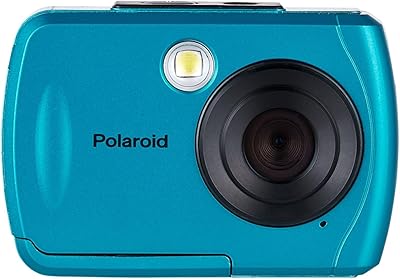
Polaroid IS048 Waterproof 16MP Action Camera
68%
82%
Durability & Build Quality
78%
Waterproof Performance
67%
Photo Quality (Daylight)
44%
Photo Quality (Low Light)
61%
Video Quality
More
ESOXOFFORE ABS-681 Instant Print Camera for Kids
74%
88%
Instant Print Experience
61%
Print Quality
67%
Photo & Video Quality
84%
Ease of Use for Kids
72%
Build Quality & Durability
More
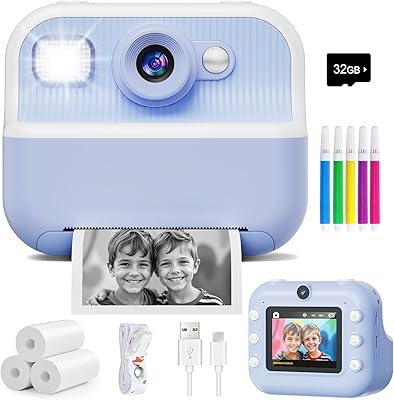
orantronx S9 Instant Print Camera for Kids
76%
83%
Ease of Use
58%
Print Quality
79%
Photo Resolution
74%
Video Recording
81%
Instant Print Feature
More
DUDUDRAGON M8
DUDUDRAGON M8
80%
93%
Ease of Use for Kids
71%
Instant Print Quality
68%
Photo & Video Quality
83%
Build Quality & Durability
76%
Battery Life
More
Ozlo Sleepbuds (2nd Generation)
85%
94%
Side-Sleeper Comfort
88%
Passive Noise Masking
82%
Bluetooth Connection Stability
89%
Battery Performance
91%
In-Ear Alarm Function
More
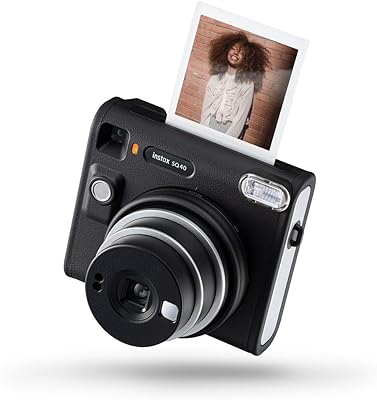
Instax SQ40 Instant Camera
72%
93%
Ease of Use
81%
Build Quality
67%
Print Quality
58%
Flash Performance
61%
Value for Money
More
Anchioo BLL2 Kids Instant Print Camera
75%
67%
Print Quality
84%
Ease of Use
79%
Value for Money
61%
Build Quality
72%
Image Quality
More
Yosfeng H16 Kids Instant Print Camera
74%
86%
Value for Money
58%
Print Quality
81%
Comic Print Feature
83%
Ease of Use for Kids
71%
Battery Life
More

FAQ

No, it does not. The box contains the camera body, a neck strap, and a USB-C charging cable — but no film pack. You will need to purchase i-Type or 600 film separately before you can take your first shot, so factor that into your budget when buying.

Both formats produce the same classic Polaroid print size, but i-Type film does not have a battery built into the cartridge, making it slightly less expensive and the recommended choice for this camera since the battery is internal. 600 film works just fine too, which is handy if you have leftover packs from an older Polaroid camera. If you are buying fresh, i-Type is the more cost-effective option.

Battery life varies depending on how often the flash fires, but most users comfortably get through one to two full packs of film on a single charge during casual shooting. If you are planning a full day of heavy shooting, it is worth topping up the charge beforehand. The camera uses a standard USB-C connection, so charging from a laptop or power bank is straightforward.

You can, but manage your expectations. The built-in flash handles close-range indoor shots reasonably well, but it loses effectiveness beyond around six or seven feet. In faster-moving or darker scenes, the autofocus can also struggle, so some shots may come out soft or underexposed. For controlled indoor settings with subjects nearby, results are generally acceptable.

It is one of the better choices for that exact scenario. The controls are minimal and clearly labeled, there is nothing to configure, and first-time users typically get a successful print on their very first attempt. The main thing to communicate upfront is that film costs money per shot, so shooting carelessly gets expensive fast — that is worth explaining before handing it over as a gift.

When double exposure mode is active, the camera fires the shutter twice before advancing the film, layering both exposures onto the same physical print. The results are unpredictable in an interesting way — two scenes blend together into a single image. It takes some experimentation to get results you love, and early attempts often look muddled, but once you get a feel for it the feature produces genuinely creative prints that are hard to replicate digitally.

The two brands take slightly different approaches. Instax cameras, particularly the Mini line, tend to produce smaller prints and are often a bit more compact. The Polaroid Now Gen 2 produces the larger classic square-ish Polaroid format, which many people prefer for its nostalgic look. Instax film is generally considered slightly more affordable per shot, while this Polaroid offers features like double exposure and a rechargeable battery that Instax entry-level models typically lack.

The included neck strap is functional and gets the job done for casual use at events and outings. It is not a premium accessory by any stretch, but buyers generally find it secure enough for everyday carry. If you plan to use the camera at active events or festivals where it will be bounced around, inspecting the strap attachment points periodically is a reasonable precaution.

The camera does not support pass-through charging, meaning you cannot shoot and charge simultaneously. If the battery runs out mid-session, you will need to pause and recharge before continuing. This is worth planning around at longer events — a top-up charge the night before goes a long way toward avoiding that situation.

Opening the film door mid-pack will expose any undeveloped frames inside to light, ruining them permanently — this is a limitation of all instant film cameras, not just this one. The camera is designed so the door requires a deliberate action to open, which reduces accidental exposure, but it is something to be careful about, especially with younger users. Always make sure the film pack is fully finished or that you are in a dark environment before opening the back.

Where to Buy