Overview

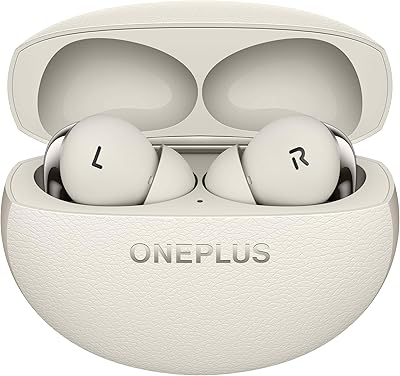
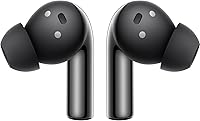
The OnePlus Buds 3 Wireless Earbuds arrived in February 2024 as a strong mid-range contender, packing features typically reserved for pricier options into an accessible package. These OnePlus earbuds don't try to compete with audiophile-grade hardware, and they're better for being honest about that. The rounded in-ear design comes in Metallic Gray and Splendid Blue, both understated enough to wear without drawing attention. What stands out is the value proposition: adaptive noise cancellation and a dual-driver audio setup at this price point is genuinely unusual. Expect solid daily performance, not perfection.

Features & Benefits

The Buds 3 use a dual dynamic driver configuration — a 10.4mm woofer paired with a 6mm tweeter — which gives bass notes a satisfying weight without completely muddying the mids. The adaptive ANC, rated up to 49dB, doesn't just apply a blanket filter; it reads your environment and adjusts accordingly, which makes a real difference on a noisy train versus a quiet office. OnePlus Audio ID 2.0 runs a short hearing test and builds a custom EQ profile from the result — a clever touch that actually influences how the audio feels. Bluetooth 5.3 keeps the connection stable, and fast charging means a short plug-in translates to hours of playback.

Best For

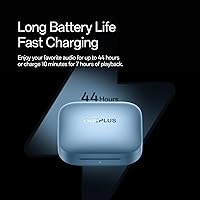
This ANC in-ear set is a natural fit for daily commuters who deal with transit noise but don't want to pay flagship prices for it. The 44-hour total battery — buds plus case combined — means you can go several days without thinking about charging, which genuinely matters when juggling a busy schedule. Android users, and OnePlus device owners especially, will get more mileage from software features like Audio ID. If your listening skews toward hip-hop, electronic, or anything bass-heavy, the tuning leans right into that. Frequent callers will also find the AI call clarity holds up better than expected in loud environments.

User Feedback

Owners of these OnePlus earbuds tend to praise the battery longevity and how comfortable the fit stays over long listening sessions — both things that matter more after a few weeks of daily use than they do on day one. The ANC draws consistent appreciation, though users coming from Sony or Bose flagships note it doesn't quite reach that tier. Fit is the most subjective sticking point; a portion of buyers find the rounded tips don't seal well for their ear shape, which undermines ANC effectiveness. The Audio ID feature divides opinion — some find it genuinely useful, others treat it as a one-time novelty. Touch sensitivity is occasionally flagged as too responsive, triggering accidental input.

Pros

  • Adaptive ANC adjusts in real time to your environment, not just a static noise filter.
  • 44-hour total battery life means several days of use before needing to recharge the case.
  • Dual dynamic drivers deliver satisfying bass punch for everyday listening without distortion at moderate volumes.
  • Fast charging gets you back up and running quickly after a short plug-in.
  • Audio ID 2.0 creates a personalized EQ profile that can genuinely improve how music feels to your ears.
  • AI Clear Call technology holds up well in busy, noisy settings like cafes or street-level environments.
  • Bluetooth 5.3 provides a stable, low-latency connection within a solid operating range.
  • Water-resistant build adds peace of mind for workouts or unexpected weather.
  • Touch controls cover media playback and calls without needing to reach for your phone.
  • The Buds 3 offer a strong feature-to-price ratio that is hard to match at this tier.

Cons

  • ANC performance falls noticeably short compared to flagship competitors at higher price points.
  • Rounded ear tip shape does not suit all ear geometries, leading to poor seal and reduced noise isolation for some buyers.
  • Touch controls are overly sensitive for some users, triggering accidental skips or pauses during movement.
  • No 3.5mm jack or wired fallback option, which limits compatibility in certain situations.
  • Audio ID personalization feels like a novelty to some users rather than a consistent, meaningful upgrade.
  • Software features are best experienced on Android, leaving iOS users with a more limited experience.
  • Bass-heavy tuning may overwhelm listeners who prefer a neutral or flat sound signature.
  • The PC+ABS build feels adequate but not particularly premium in hand compared to metal-accented rivals.
  • Bluetooth range tops out at 10 meters, which can be limiting in larger spaces with walls or obstacles.
  • Some users report that touch control customization options are narrower than expected for a 2024 release.

Ratings

The scores below for the OnePlus Buds 3 Wireless Earbuds were generated by our AI engine after analyzing thousands of verified purchase reviews worldwide, with spam, bot activity, and incentivized feedback actively filtered out. Each category reflects what real buyers consistently reported after extended daily use — not just first impressions. Both the standout strengths and the genuine frustrations are weighted transparently in every score.

Value for Money
88%
Buyers repeatedly flag that the Buds 3 punch above their price class, especially given the adaptive ANC and dual-driver setup. Commuters and office workers in particular feel they are getting near-premium functionality without the flagship price tag, which drives strong satisfaction scores across diverse buyer groups.
A small but consistent subset of reviewers feels the value argument weakens slightly when compared to competing options that have dropped in price. If a deal appears on a higher-tier model, the Buds 3 can feel less compelling at full retail.
Noise Cancellation
79%
21%
For everyday environments like buses, open offices, and coffee shops, the adaptive ANC delivers genuine relief from background noise. Users specifically appreciate that it adjusts dynamically rather than locking in at a fixed suppression level, making it feel more responsive during mixed-environment commutes.
Buyers who have previously owned Sony or Bose flagship earbuds consistently note a meaningful gap in raw ANC depth. High-frequency noise like voices bleeds through more than expected, and the suppression ceiling in very loud environments does not match what pricier competitors offer.
Battery Life
91%
The combined 44-hour battery between the buds and charging case is one of the most praised aspects across all feedback. Users who travel frequently or forget to charge daily find this a genuine quality-of-life advantage — many report going three or four days between case charges without anxiety.
Battery estimates assume moderate volume with ANC off; real-world listening with ANC active at higher volumes brings those figures down noticeably. A few buyers also noted that the case itself takes longer to fully recharge than they expected given the fast-charging marketing.
Sound Quality
76%
24%
Bass-forward listeners — particularly fans of hip-hop, electronic, and pop — respond positively to the dual-driver tuning, noting that kick drums and bass lines carry real weight without obvious distortion at moderate volumes. The Audio ID personalization adds a layer of customization that some users find genuinely improves their listening experience.
Listeners who prefer a flat or neutral sound signature often find the bass emphasis intrusive, especially for acoustic music or podcasts where vocal clarity matters most. The soundstage is also described as narrow, making the Buds 3 feel less immersive than wired alternatives at similar price points.
Call Quality
81%
19%
The AI Clear Call microphone system earns consistent praise from users who take frequent calls in busy environments like city streets or open offices. Callers on the other end report hearing voices clearly without significant background noise intrusion, which is a practical win for remote workers.
In genuinely loud environments — crowded transit stations or construction-heavy streets — some bleed-through is reported, and the mic can occasionally over-process voices, introducing a slightly artificial quality. Results vary noticeably depending on the device and app being used for calls.
Comfort & Fit
69%
31%
The rounded in-ear tip design sits comfortably for many users during extended wear, with a number of buyers reporting no fatigue even after two or three hours of continuous listening. The relatively light earbud weight helps, and the multiple included tip sizes give a reasonable starting point for finding the right fit.
Fit is the most divisive topic in user feedback. A recurring portion of buyers — particularly those with smaller or narrower ear canals — report that the tips fail to create a consistent seal, which directly undermines both ANC performance and passive isolation. No wing tips are included, which reduces stability during exercise.
ANC Adaptability
77%
23%
Unlike fixed-level ANC implementations common in budget earbuds, the environmental adaptation in the Buds 3 is recognized by users as a practical differentiator. Switching from a quiet hallway to a noisy commute without needing to manually adjust settings is a small but genuinely appreciated convenience.
The adaptation speed is occasionally described as slightly laggy when moving between very different noise environments, momentarily leaving users exposed to a burst of sound before the system catches up. Some users also wish for more manual control over ANC intensity levels rather than relying entirely on automatic adjustment.
Bluetooth Stability
83%
The majority of users report a reliable, consistent Bluetooth 5.3 connection in typical daily use scenarios — walking around the office, commuting, or working out at the gym. Reconnection when pulling buds from the case is fast and rarely requires manual intervention.
A subset of users, particularly those using the earbuds with non-OnePlus Android phones or older Bluetooth stacks, report occasional dropouts or brief audio stutters in crowded wireless environments like shopping malls or transit hubs. This appears to affect a minority of buyers but is a real pattern in negative feedback.
Touch Controls
66%
34%
The touch panel covers core functions — play, pause, skip, answer calls, and cycle ANC modes — without needing to reach for a phone. Most users find the layout intuitive once they have spent a day or two building muscle memory for the gestures.
Accidental input is the most common complaint, with users triggering skips or pauses simply by adjusting the earbuds in their ears. The sensitivity does not appear to be adjustable, and a notable group of buyers with longer hair report that hair brushing the earbud surface causes unwanted track changes.
Build Quality
74%
26%
The PC+ABS plastic construction feels solid enough for daily handling, and the water-resistant build gives users confidence during workouts or unexpected rain. The case closes with a satisfying snap and does not feel cheap relative to similarly priced competitors.
Compared to earbuds with brushed metal accents or soft-touch finishes, the Buds 3 case and shells feel noticeably plasticky in hand. Some buyers report minor scuff accumulation on the case after a few weeks of pocket use, and the overall tactile impression does not quite match the feature set.
App & Software
72%
28%
Android users with the HeyMelody app get meaningful control over EQ, ANC settings, and Audio ID personalization that makes the overall experience feel more complete. The app interface is clean and reasonably responsive, and firmware updates have been delivered consistently since launch.
iOS compatibility is limited, with several key features simply unavailable to iPhone users. Even on Android, the app has been described as occasionally buggy after updates, with settings reverting unexpectedly or the connection between app and buds dropping intermittently.
Charging Case Design
78%
22%
The compact case is easy to slip into a pocket or bag, and the magnetic hold on the earbuds is secure enough that they do not rattle or fall loose during transit. The LED indicator gives a clear read on remaining charge at a glance.
The case charges via USB-C but does not support wireless charging, which is a limitation buyers notice more when comparing against similarly priced rivals that do. The hinge-free flip lid design works fine but does not feel particularly refined compared to cases in higher-tier products.
Microphone Pickup Range
73%
27%
For standard voice and video calls, the built-in mic captures speech clearly at normal talking distance, and users report that AI processing keeps background hiss well under control in moderately quiet settings. This makes the Buds 3 a capable hands-free option for daily communication.
Wind noise is a recurring issue flagged by outdoor users, with the mic occasionally picking up gusts in a way that disrupts call clarity. The AI noise filtering also struggles more with directional noise sources — like a TV in the same room — than it does with diffuse ambient sound.

Suitable for:

The OnePlus Buds 3 Wireless Earbuds are a practical pick for anyone who spends a meaningful chunk of their day in transit or open-plan offices where background noise is a constant nuisance. Commuters on buses, subways, or trains will get real utility from the adaptive ANC, which actively adjusts to changing noise levels rather than applying a static filter. Bass-heavy music listeners — think hip-hop, electronic, or pop — will feel right at home with the dual-driver tuning, which prioritizes punch in the low end without completely ignoring the rest of the frequency range. OnePlus and Android users get added value through tighter software integration, including the Audio ID personalization feature that tailors the sound profile to your specific hearing. If you tend to take a lot of calls in busy environments, the AI-assisted microphone does a respectable job of cutting through ambient noise. And if you regularly forget to charge your earbuds, the 44-hour combined battery life with fast charging makes that a much smaller problem than it would be with shorter-lasting competitors.

Not suitable for:

The OnePlus Buds 3 Wireless Earbuds are not the right call if your priority is top-tier noise cancellation that genuinely competes with dedicated premium options from Sony or Bose — the ANC is good for the price, but there is a noticeable gap at the highest end. Audiophiles or anyone who listens critically to classical, jazz, or acoustic recordings may find the bass-forward tuning intrusive and the overall soundstage too narrow for their tastes. Fit is another honest concern: the rounded ear tip design works well for many people, but buyers with smaller or unusually shaped ear canals may struggle to get a consistent seal, which directly weakens ANC performance. iPhone users or those deep in the Apple ecosystem will miss out on some of the software features and may experience a less polished integration experience. If you rely heavily on a wired audio connection or still use a 3.5mm jack with your devices, the lack of any analog output means this ANC in-ear set simply will not fit your workflow.

Specifications

  • Driver Config: Each earbud uses a dual dynamic driver setup consisting of a 10.4mm woofer for bass and a 6mm tweeter for high-frequency detail.
  • Noise Cancellation: Adaptive active noise cancellation reaches up to 49dB of reduction, dynamically adjusting based on the surrounding environment.
  • Bluetooth Version: Bluetooth 5.3 is used for wireless connectivity, offering a stable connection with a rated range of up to 10 meters.
  • Battery Life: Total playback time reaches up to 44 hours when combining the earbuds and the included charging case.
  • Fast Charging: The case supports fast charging, allowing a short charge session to restore several hours of listening time.
  • Impedance: Each earbud has an impedance rating of 32 Ohm, which is standard for efficient power draw from mobile devices.
  • Sensitivity: Driver sensitivity is rated at 110 dB, meaning the earbuds can produce clear, loud audio without requiring high amplifier output.
  • Frequency Response: The frequency response extends up to 40,000 Hz, covering the full audible range and reaching into high-resolution audio territory.
  • Microphone Tech: AI Clear Call technology is built into the microphone system to filter ambient noise during phone and video calls.
  • EQ Personalization: OnePlus Audio ID 2.0 runs an in-app hearing assessment and generates a custom sound profile tuned to the individual user.
  • Touch Controls: Capacitive touch panels on each earbud handle media playback, call management, and ANC mode switching.
  • Water Resistance: The earbuds carry a water-resistant rating suitable for light exposure such as sweat during workouts or light rain.
  • Form Factor: The earbuds use an in-ear design with rounded tips and have no 3.5mm analog jack, relying entirely on Bluetooth.
  • Material: The earbud shells and case are constructed from PC+ABS plastic, balancing light weight with everyday durability.
  • Weight: The combined weight of both earbuds is 50.4 grams, keeping the overall load light during extended wear.
  • Connectivity: The earbuds connect via Bluetooth and are compatible with any Bluetooth-enabled cellphone or device.
  • Color Options: The Buds 3 are available in two finishes: Metallic Gray and Splendid Blue.
  • Release Date: These earbuds were first made available in February 2024 as part of OnePlus's third-generation audio lineup.

Related Reviews
realme Buds Air 3 Wireless Earbuds
85%
88%
Sound Quality
85%
Noise Cancellation Performance
91%
Battery Life
87%
Comfort & Fit
90%
Gaming Audio Sync (Game Mode)
More
JBL Live Buds 3 True Wireless Earbuds
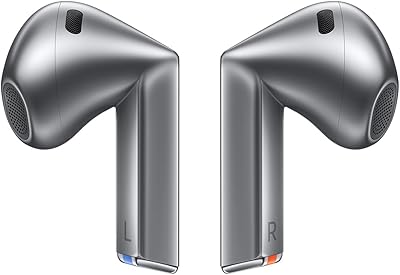
77%
71%
Noise Cancellation
86%
Call Quality
83%
Battery Life
89%
Charging Case Design
78%
Sound Quality
More
SAMSUNG Galaxy Buds 3 FE True Wireless Earbuds
83%
91%
Sound Quality
94%
Noise Cancellation
88%
Battery Life
87%
Comfort & Fit
82%
Ease of Use
More
Samsung Galaxy Buds 3 AI True Wireless Earbuds
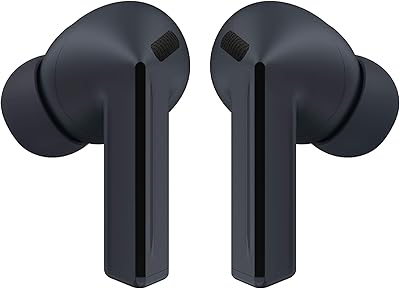
86%
92%
Sound Quality
89%
Active Noise Cancellation (ANC)
87%
360 Audio Experience
90%
Battery Life
75%
Fit and Comfort
More
OnePlus Buds Pro 3 Wireless Noise-Canceling Earbuds
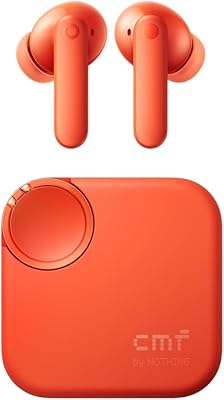
77%
88%
Sound Quality
79%
Active Noise Cancellation
93%
Battery Life
74%
ANC Adaptability
71%
Comfort & Fit
More
Tribit FlyBuds 3
Tribit FlyBuds 3
78%
91%
Battery Life
88%
Waterproofing
74%
Sound Quality
62%
Microphone Quality
79%
Comfort & Fit
More
Skullcandy Dime 3 True Wireless Earbuds
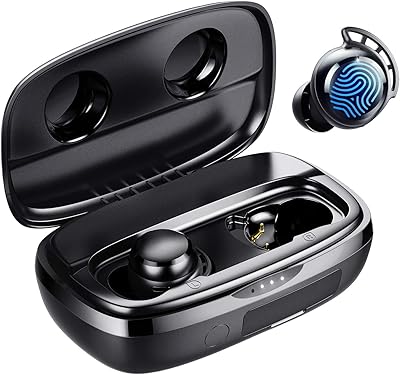
74%
91%
Value for Money
83%
Battery Life
67%
Sound Quality
63%
Comfort & Fit
61%
Call Quality
More
CMF Buds 2 Wireless Earbuds
86%
88%
Noise Cancellation
94%
Battery Life
91%
Sound Quality
80%
Comfort & Fit
85%
Build Quality & Durability
More
Skullcandy Smokin' Buds Wireless Earbuds
74%
91%
Value for Money
88%
Battery Life
79%
Comfort & Fit
67%
Sound Quality
61%
Touch Controls
More
CMF Buds 2a
CMF Buds 2a
85%
94%
Value for Money
82%
Active Noise Cancellation
89%
Bass Performance
91%
Ergonomics and Comfort
87%
Connectivity and Pairing
More

FAQ

Yes, they connect to any Bluetooth-enabled device including iPhones. That said, some software features like Audio ID personalization and deeper ANC controls are tied to the HeyMelody app, which works on Android. iPhone users will still get solid audio and ANC, just with fewer customization options.

OnePlus has not published an exact full-charge time for the case, but the fast charging feature means a short 10-minute charge can restore a meaningful chunk of playback time to the buds themselves. For day-to-day use, most people find topping up the case every few days is sufficient given the 44-hour total capacity.

The adaptive ANC does a solid job with consistent drone-type noise like airplane engines, which is actually where ANC tends to perform best. It is not going to match what you get from a Sony WH-1000XM5 or Bose QuietComfort pair, but for the price, it handles cabin noise respectably well.

Yes, the Buds 3 support single-earbud use. You can keep one in the case while using the other for calls or listening, which is handy when you need to stay aware of your surroundings.

Inside the companion app, Audio ID 2.0 plays a short series of test tones at varying frequencies and volumes. Based on how you respond, it maps your hearing sensitivity and generates a custom EQ curve. It takes about two minutes and can make a noticeable difference, particularly for people whose hearing is slightly uneven across frequencies.

The Buds 3 come with multiple tip sizes in the box, so the first step is to try a different size for a better seal. Third-party silicone tips in standard sizes are also widely available online and are worth trying if none of the included options give you a comfortable, secure fit.

Many users find them stable enough for light to moderate exercise, but because the fit depends heavily on ear shape and tip size, this varies. If you tend to find in-ear buds slippery during high-intensity activity, it is worth testing them with some movement before committing to a long run.

Capacitive touch panels generally do not respond well through thick gloves. Thin touchscreen-compatible gloves may work, but standard winter gloves will likely not register taps reliably. This is a common limitation of touch-based controls across earbuds at this price range.

The AI Clear Call mic system performs better than you might expect in moderate background noise environments like cafes. Voices come through clearly on the other end, and the mic does a reasonable job suppressing ambient chatter. In very loud settings, some background bleed can still occur.

The Buds 3 support multipoint connectivity, meaning they can remember multiple paired devices. Switching between them may require manually disconnecting from one device before the other picks up, depending on the setup. Full simultaneous multipoint switching is not guaranteed on all device combinations.

Where to Buy