Overview

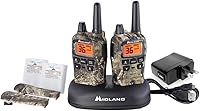
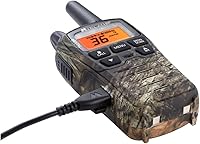
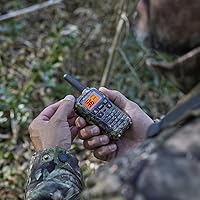
The Midland T75VP3 FRS Two-Way Radios are a solid mid-range pick from a brand that has earned real credibility in the two-way radio space over decades. You get two units straight out of the box, both wearing a Mossy Oak camouflage finish that does more than look the part — it signals exactly who these radios are built for. Because they operate on the FRS band, no license is required, which keeps the barrier to entry low for casual users and first-timers alike. The price sits in a comfortable middle ground for feature-packed outdoor radios — competitive enough to attract serious hobbyists, though real-world performance expectations should be set carefully before buying.

Features & Benefits

What makes the T75VP3 set stand out from basic FRS options is the depth of its feature list. You get 36 channels combined with 121 CTCSS privacy codes, opening up over 2,600 channel combinations — useful when you're sharing frequencies with other groups in a busy campground or hunting area. The built-in NOAA weather scanner automatically finds the clearest broadcast available, which is a genuinely practical safety tool when you're hours from the nearest town. Five animal call alert tones — including turkey and wolf — alongside a silent vibrate mode speak directly to hunters. And since these run on standard alkaline batteries, you're never stuck waiting for a charge in the field.

Best For

This camo radio pair appeals most to hunters who want communication tools and game-calling features in one device. The vibrate-only mode is particularly practical — no beeps, no tones, just a silent alert that won't scatter game. But these aren't exclusively for hunting. Families heading into areas with spotty cell coverage — national forests, remote campgrounds, backcountry trails — will find them equally dependable. The no-license requirement makes them an easy grab for anyone who doesn't want to deal with FCC paperwork. If you're looking to avoid stepping up to a pricier GMRS setup but still want more capability than a basic toy-grade pair, this sits in the right spot.

User Feedback

Owners of these Midland walkie-talkies consistently praise how clear the audio is at practical distances and how quick the initial setup is — pull them out, sync the channel, done. The NOAA alert feature earns specific appreciation from users who've been caught off-guard by sudden weather shifts. That said, the most common complaint is a familiar one for FRS radios: the advertised 38-mile range is essentially a best-case-scenario figure. Real-world range in wooded or hilly terrain tends to land between one and three miles. Battery drain under heavy use is another recurring note, and a few buyers have flagged that the lack of water resistance is a genuine concern for a radio marketed squarely at outdoor use.

Pros

  • NOAA weather scanning locks onto the clearest broadcast automatically — a real safety asset in remote areas.
  • No license required to operate, making these Midland walkie-talkies accessible to any buyer immediately.
  • Over 2,600 channel combinations help avoid interference at busy campgrounds or shared hunting areas.
  • Silent vibrate mode lets hunters receive alerts without making noise at critical field moments.
  • Runs on standard alkaline batteries — no charger needed, no dead packs in the middle of a trip.
  • Audio clarity at practical distances is consistently praised, especially in open or semi-open terrain.
  • Five animal call tones built in reduce the need to carry a separate dedicated game call device.
  • Setup is fast and intuitive — both radios are ready to communicate within minutes of unboxing.
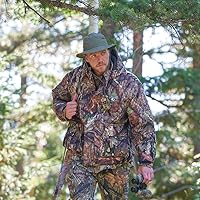
  • Mossy Oak camo finish blends into hunting environments rather than advertising your position.
  • Priced competitively for the feature set, representing solid value against comparably equipped FRS pairs.

Cons

  • Advertised 38-mile range is a best-case figure; expect 1 to 3 miles in wooded or hilly terrain.
  • No water resistance rating whatsoever — a notable gap for gear marketed at outdoor and hunting use.
  • Battery drain under heavy all-day use is faster than many buyers anticipate, adding ongoing alkaline costs.
  • The belt clip feels flimsy relative to the rest of the build and has broken for several users under regular use.
  • Configuring matching CTCSS privacy codes across both units involves a fiddly menu process that trips up first-timers.
  • Animal call tones split opinion sharply — experienced hunters often find them unconvincing compared to dedicated calls.
  • Vibration intensity is moderate and easy to miss when the radio is buried in a jacket pocket.
  • The longer-than-average form factor can feel bulky and slightly awkward for users with smaller hands.
  • No rechargeable battery system means ongoing consumable cost for frequent users who go through AAs quickly.
  • Camo finish shows scuffs over time, particularly around the speaker grille, diminishing the visual appeal.

Ratings

The Midland T75VP3 FRS Two-Way Radios have been put through their paces by thousands of verified buyers across hunting camps, family camping trips, and off-grid adventures — and our AI has analyzed that global feedback, actively filtering out incentivized reviews and bot activity, to produce the scores below. Strengths and shortcomings are weighted equally, so what you see reflects the honest spread of real-world experience rather than a curated highlight reel.

Audio Clarity
83%
At the distances most users actually operate — think a few hundred yards across open fields or between campsites — audio reproduction is consistently described as crisp and easy to understand. Background noise suppression holds up reasonably well in moderate wind, which matters when you're calling across a ridgeline.
In heavy tree cover or when one radio is tucked inside a pack, audio can become muffled and harder to parse. A handful of users noted a slight static undertone on certain channels that became more pronounced at the edges of reliable range.
Real-World Range
54%
46%
In genuinely open terrain — flat farmland, open water, or elevated ridges — these Midland walkie-talkies can punch well beyond what most entry-level FRS radios manage. For wide-open duck blinds or field hunting situations, users report solid connectivity that holds a clear signal.
The advertised 38-mile figure is a line-of-sight ideal that almost no real-world situation will match. The most repeated complaint across reviews is range disappointment in wooded or hilly environments, where 1 to 3 miles is a more honest expectation — a gap that catches unprepared buyers off guard.
NOAA Weather Alert
91%
The automatic weather scan is one of the most praised features in the entire review pool. Hunters and campers who have been caught by sudden storms credit the NOAA alert as a genuine safety tool, not just a checkbox feature — it locks onto the clearest signal without any manual tuning.
In some rural areas with weaker NOAA broadcast infrastructure, the scanner occasionally has trouble locking onto a strong enough signal. A few users in mountainous regions reported delayed or inconsistent alert reception, though this is more a limitation of broadcast coverage than the radio itself.
Battery Life
62%
38%
The alkaline battery setup means you can grab a fresh set at any gas station or hardware store, which is a practical advantage on multi-day trips where charging infrastructure simply does not exist. For lighter, intermittent use across a weekend outing, most buyers find a single set lasts the trip.
Under heavy all-day use — constant transmitting during an active hunt or a long trail day — battery drain runs faster than many users expect. Several reviewers noted needing to swap batteries mid-trip, and the cost of continuously buying alkalines adds up over time compared to rechargeable alternatives.
Ease of Setup & Use
88%
Out-of-the-box setup is straightforward enough that most users are on the same channel within minutes of opening the box. The button layout is intuitive, and the channel-scanning function works without needing to consult the manual — a genuine plus for non-technical buyers.
The menu system for configuring CTCSS privacy codes can feel a bit fiddly, particularly for older users or those unfamiliar with two-way radio terminology. The instruction manual, while adequate, could do a better job walking through some of the less obvious features.
Build Quality
71%
29%
The housing feels solid in hand and holds up to the typical bumps and drops that come with field use. Users report the units surviving falls from belt clips and general rough handling without any functional issues — reassuring for a product used in outdoor environments.
The plastic construction, while sturdy enough for everyday drops, does not inspire full confidence for truly rugged conditions. The belt clip, specifically, draws consistent criticism for feeling flimsy relative to the rest of the radio — a few users reported clips snapping under regular daily use.
Water Resistance
38%
62%
The radios hold up fine in light mist or brief splashes, and most users in dry or temperate conditions never encounter a problem. For fair-weather outings, the lack of a water resistance rating rarely comes up as a practical issue.
There is no water resistance rating on this camo radio pair, which is a notable gap for gear positioned squarely at outdoor and hunting use. Buyers who have been caught in rain report real anxiety about unit survival, and a small number confirmed damage after exposure to heavier precipitation — a meaningful risk given the typical use case.
Channel & Privacy Code Options
86%
Having over 2,600 effective channel combinations is genuinely useful at busy campgrounds or hunting areas where multiple groups share the same frequencies. Locking onto a clean, private channel is quick and the privacy code function works reliably once configured.
In extremely congested areas, even with privacy codes active, some signal bleed-through from nearby groups on the same base channel can occur — a limitation of the CTCSS system itself rather than a flaw specific to the T75VP3 set. Advanced users sometimes wish for true digital encryption.
Animal Call Alerts
67%
33%
For turkey or duck hunters who want to leave their call lanyard at camp, having five built-in animal tones is a convenient novelty that some experienced hunters say they actually use in the field. The cougar and wolf tones add a layer of situational awareness value in predator country.
Opinion on this feature splits sharply in the review pool. A meaningful portion of serious hunters find the tones artificial-sounding and ineffective for attracting wary game, dismissing them as a marketing gimmick. Those already carrying dedicated game calls are unlikely to swap them out for a radio speaker tone.
Vibrate Mode
79%
21%
Silent vibrate mode is a thoughtful inclusion that hunting-focused users genuinely appreciate. Being able to receive an incoming transmission as a buzz rather than a beep means you can stay alert without making noise at a critical moment in the field.
The vibration intensity is moderate at best — in a jacket pocket during cold-weather hunting, some users missed incoming alerts entirely. There is no way to adjust vibration strength, which limits its reliability in situations where the radio is not held directly in hand.
Value for Money
77%
23%
Measured against similarly priced FRS radio pairs, the T75VP3 set packs in a feature list that typically requires spending significantly more — NOAA alerting, privacy codes, animal calls, and vibrate mode together represent solid bang for the outlay. The included batteries sweeten the deal at purchase.
If real-world range is the primary buying criterion, some buyers feel the value proposition weakens considerably once they experience the gap between advertised and actual distance. At this price point, the absence of any water resistance also starts to feel like a deliberate cost-cut rather than an oversight.
Ergonomics & Grip
72%
28%
The grip dimensions feel natural for adult hands during extended hold periods, and the Mossy Oak finish adds a slight tactile texture that helps with grip in cool, dry conditions. Button placement for the PTT (push-to-talk) key is well-positioned for thumb operation without readjusting your hold.
The radios run a bit longer than average FRS units, which can make one-handed operation slightly awkward for users with smaller hands. A few reviewers mentioned the overall form factor feels bulkier than competing models at a similar price, which affects how comfortably they carry on a belt.
Mossy Oak Camo Finish
81%
19%
The authentic Mossy Oak pattern is not just cosmetic — in a hunting context, keeping gear low-profile matters, and buyers in the hunting community specifically call out the finish as a reason they chose this pair over similarly spec'd options in blaze orange or black plastic.
The camo finish, while appealing to the core audience, makes these radios a tougher sell for camping families or hikers who would prefer a more visible color in case a unit is dropped or lost in brush. The finish shows scuffs over time, particularly around the speaker grille area.
CTCSS Privacy Code Setup
68%
32%
Once programmed, the privacy code system works reliably and consistently blocks out neighboring groups using the same base channel. For users who take the time to read the setup instructions, pairing two radios on the same code is a one-time process that just works going forward.
The process for setting matching privacy codes across both units is not immediately intuitive and requires navigating several menu layers. First-time FRS radio users frequently mention confusion during initial setup, and the manual does not do enough to walk through this specific process clearly.

Suitable for:

The Midland T75VP3 FRS Two-Way Radios are an excellent fit for hunters who want a single device that handles field communication, silent vibrate alerts, and animal call tones without stuffing extra gear into an already heavy pack. The built-in NOAA weather scanner adds genuine practical value for anyone venturing into terrain where conditions can shift fast — backcountry hikers, kayakers, and remote campers all stand to benefit from an automatic severe weather alert that requires zero manual input. Families heading into areas with no cell coverage will appreciate that these radios require no license and are ready to use straight out of the box, with no apps, subscriptions, or pairing rituals to navigate. The alkaline battery format is a particular advantage for multi-day trips where charging opportunities simply do not exist — a fresh set of AAs from a gas station is all you need to keep going. At this price tier, buyers who want more functionality than a basic bubble-pack radio but are not ready to commit to a GMRS license or premium price point will find the T75VP3 set sits in a genuinely useful middle ground.

Not suitable for:

The Midland T75VP3 FRS Two-Way Radios are a poor choice for anyone whose primary requirement is reliable communication through dense forest, rugged canyon terrain, or heavily built-up areas — real-world range in those conditions typically falls between one and three miles, and buyers who need consistent coverage beyond that distance should be looking at licensed GMRS radios with repeater capability instead. The complete absence of water resistance is a serious consideration for anyone planning to use these in wet climates, on the water, or during shoulder-season hunts where rain and snow are a given — this is not a radio you want to trust in a downpour. Serious competitive hunters or professional guides who need precision, durability, and weatherproofing will likely find the plastic construction and unrated weather sealing fall short of what demanding field conditions require. Users looking for rechargeable convenience will find the alkaline-only format inconvenient and costly over time, especially with heavy daily use. And if you are shopping for a radio to use primarily in urban or suburban settings — event coordination, construction sites, or warehouse operations — there are purpose-built options at a similar price that are better suited to those environments.

Specifications

  • Brand & Model: Manufactured by Midland under the model designation T75VP3, a brand with a long-standing reputation in consumer and professional two-way radio communication.
  • Quantity: Each purchase includes two complete radio units, sold as a matched pair ready for immediate two-way communication out of the box.
  • Radio Type: Operates on the FRS (Family Radio Service) band, which is license-free under FCC regulations and legal for use by any individual in the United States without registration.
  • Channels: Provides 36 FRS channels for communication, covering the full range of frequencies allocated under current FCC FRS rules.
  • Privacy Codes: Equipped with 121 CTCSS (Continuous Tone-Coded Squelch System) privacy codes, yielding more than 2,600 effective channel-and-code combinations to reduce unwanted interference.
  • Stated Range: Manufacturer-rated maximum range is 38 miles, achievable only under ideal line-of-sight conditions with no terrain or vegetation obstruction.
  • NOAA Weather: Automatically scans all 10 available NOAA weather broadcast channels and locks onto the strongest available signal to deliver severe weather alerts.
  • Animal Call Alerts: Includes five built-in animal call tones — turkey, duck, crow, cougar, and wolf — designed for use as hunting aids in the field.
  • Vibrate Mode: Features a silent vibrate-only mode that suppresses all audible tones and alerts, allowing hunters to receive incoming transmissions without making noise.
  • Power Source: Powered by standard alkaline batteries (included at purchase), with no proprietary rechargeable pack required, ensuring easy replacement anywhere batteries are sold.
  • Voltage: Operates at 1.5 volts, consistent with standard AA or AAA alkaline battery configurations as specified by the manufacturer.
  • Water Resistance: Carries no official water resistance rating — the units are not rated for rain, submersion, or wet-weather use of any kind.
  • Dimensions: Each radio unit measures 12″ in depth, 2″ in width, and 7.88″ in height, placing it on the longer end of the typical FRS handheld form factor.
  • Weight: Each unit weighs 15.8 ounces, which includes the battery compartment loaded with the included alkaline batteries.
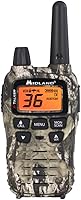
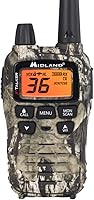
  • Color & Finish: Both units feature an authentic Mossy Oak camouflage pattern finish, designed to blend into natural hunting environments rather than serve as a purely cosmetic choice.
  • Frequency Range: Operates within the 136–174 MHz frequency band as specified by the manufacturer for this FRS model.
  • License Requirement: No amateur radio license or FCC registration is required to operate these radios, as FRS devices are legal for unlicensed use under Part 95 of FCC rules.
  • Best Sellers Rank: Ranked #330 in the Portable FRS Two-Way Radios category on Amazon, reflecting a stable and established position within the competitive mid-range FRS segment.
  • Availability Status: The T75VP3 has not been discontinued by the manufacturer and remains in active production and distribution as of its latest listing update.
  • First Available: This model was first made available for purchase on June 3, 2015, giving it a multi-year track record of real-world user feedback across a wide range of environments.

Related Reviews
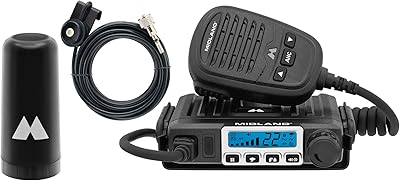
Midland MXT115VP3 GMRS MicroMobile Radio
76%
78%
Transmission Range
84%
Audio Clarity
81%
Repeater Functionality
76%
Ease of Installation
79%
Build Quality
More
Midland X-TALKER T77VP5J Two-Way Radios Dual Pack
74%
86%
Audio Clarity
61%
Real-World Range
93%
Ease of Setup
67%
Build Quality
69%
Battery Performance
More
Motorola T803 Two-Way Radio
83%
84%
Range Performance
88%
Battery Life
78%
Bluetooth Functionality
90%
Build Quality & Durability
85%
Ease of Use
More
Motorola T470 Talkabout Two Way Radios
84%
88%
Range Performance
91%
Ease of Use
85%
Build Quality & Durability
83%
Weather Resistance
80%
Battery Life
More
Baofeng AR-5RM Handheld Ham Radio
77%
93%
Value for Money
78%
Ease of Use
61%
Transmission Range
67%
Build Quality
74%
Battery Life
More
Motorola DLR1060 Business Two Way Radios
85%
92%
Battery Life
88%
Ease of Use
75%
Range
87%
Build Quality
90%
Portability
More
BTECH DMR-6X2 PRO Two-Way Radio
87%
88%
Performance & Signal Quality
91%
Bluetooth Functionality
85%
GPS & APRS Features
83%
Battery Life
92%
Build Quality & Durability
More
Wouxun KG-805G GMRS Two Way Radio
81%
88%
Battery Life
91%
Water Resistance
75%
Communication Range
85%
Portability
70%
Ease of Use
More
Garmin Rino 700 Handheld GPS and Two-Way Radio
83%
87%
Battery Life
91%
Communication Range
84%
GPS Accuracy
90%
Durability
88%
Ease of Use
More
Motorola RMV2080 Two-Way Radio VHF 8 Channels
84%
93%
Durability
88%
Audio Quality
60%
Range
91%
Weather Alert Feature
92%
Build Quality
More

FAQ

No, none at all. These operate on the FRS band, which the FCC designates as license-free for general public use in the United States. You can take them out of the box and start using them immediately without any registration or paperwork.

Honestly, plan for somewhere between one and three miles in dense woods or hilly terrain — not the 38-mile figure you might see in the specs. That maximum is a line-of-sight number measured under ideal open-air conditions. Forests, ridgelines, and valleys all eat into range considerably, which is consistent with what most buyers report after actual field use.

The radios are designed around standard alkaline batteries, but many users do use rechargeable AA cells without issues. Just be aware that rechargeable NiMH batteries run at a slightly lower voltage than alkaline, which can sometimes affect performance or the battery indicator reading. For off-grid trips where you cannot recharge, carrying spare alkalines is always the safer backup plan.

They are not waterproof, and there is no official water resistance rating on this camo radio pair. Light mist is unlikely to cause immediate damage, but you should not count on them holding up in a real downpour. If you regularly hunt or camp in wet conditions, it is worth either keeping them in a pocket or bag during rain, or looking at a model with an IPX rating built in.

You set the same channel number and the same CTCSS privacy code on both units, and they will lock in together. The menu navigation to set the privacy codes is a few button presses deep and can feel a little fiddly the first time — the manual walks you through it, but expect to spend five to ten minutes on setup the first time rather than thirty seconds.

Yes, the privacy code system helps a lot in this situation. Even if another group is technically on the same base channel, setting a different CTCSS code means their transmissions will not break through your squelch. You will not hear their conversations, and they will not hear yours — though it is worth noting that privacy codes do not encrypt the signal, they just filter it.

This is one of the more polarizing features among buyers. Some hunters find the tones convenient and say they have had genuine success with them for turkey and duck in particular. Others — especially those who already carry quality mouth or box calls — find the radio speaker quality too artificial to fool wary game. Think of them as a nice-to-have backup rather than a replacement for a proper dedicated call.

Under moderate use — periodic transmissions throughout the day with long quiet stretches in between — most users get through a full day without any issues. The drain ramps up significantly if you are transmitting frequently for hours at a stretch. Carrying a spare set of batteries on a long trip is a smart habit regardless, since you do not want to be troubleshooting power issues at the end of a ridge.

Yes, any number of compatible FRS radios can communicate on the same channel and code combination, so adding a third or fourth unit to your group is straightforward. They do not need to be the same model, but all radios in the group need to be tuned to the same channel and, if you are using privacy codes, the same CTCSS code.

It functions fine for light carry, but the belt clip is one of the more frequently mentioned weak points in buyer feedback. Several users report the clip feeling plasticky relative to the rest of the radio, and a few have had clips snap under regular daily attachment and removal. If you plan to clip and unclip these repeatedly throughout a hunt, it is worth being gentle with it or looking into a compatible aftermarket holster for a more secure carry solution.

Where to Buy