Overview

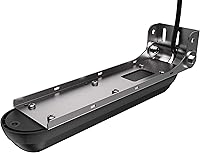
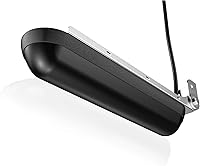
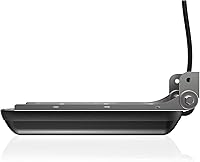
The Lowrance Active Imaging 3-in-1 Transducer is a solid mid-to-premium upgrade for anglers who want CHIRP, DownScan, and SideScan sonar packed into a single housing rather than juggling multiple units. In practical terms, that means one transducer handling three distinct imaging jobs simultaneously. One critical point worth stating upfront: this is a transducer only — it requires a compatible head unit to function. Specifically, it works with Lowrance HDS LIVE, Elite FS, and Simrad NSS evo3s or GO series displays. If you are already in that ecosystem, this 3-in-1 transducer can unlock capabilities your current setup may not be using. It also backs itself with a 2-year warranty, which is reasonable for marine electronics at this price tier.
Features & Benefits

CHIRP sonar runs on 83 and 200 kHz, transmitting a sweep of frequencies rather than a fixed ping — the result is noticeably cleaner target separation, especially when reading a school of baitfish above a brush pile. DownScan Imaging at 455 and 800 kHz produces a picture-like view of what is directly below the hull, making it far easier to distinguish a submerged log from a weedbed. SideScan pushes that coverage out horizontally, so you can read a creek channel edge or a rock pile 50 feet off your port side without repositioning. FishReveal Smart Target layers CHIRP fish arches over DownScan images, which genuinely helps differentiate fish from clutter. The unit mounts via transom, flush, or jackplate and is fully waterproof.

Best For

This 3-in-1 transducer makes the most sense for anglers already running a compatible Lowrance or Simrad display who want to stop leaving capability on the table. It is particularly well-suited to structure-focused freshwater fishing — think bass tournaments on reservoir impoundments, walleye fishing over submerged points, or crappie hunting around standing timber. The SideScan coverage is a real advantage on large flats or flooded creek arms where fish-holding structure could be anywhere off the boat. Tournament anglers and serious weekend fishermen who need to identify targets quickly will get more out of it than casual users will. If you are still on a basic single-frequency transducer, upgrading to the Active Imaging unit is a meaningful step up in on-water awareness.

User Feedback

Buyers consistently praise the jump in image clarity compared to stock transducers, and transom installation gets good marks for being straightforward on most boat setups. That said, a few recurring complaints are worth knowing. Some users find the cable length limiting, particularly on larger vessels where the display is mounted far from the transom. The learning curve around interpreting DownScan versus SideScan returns is also real — reading these images well takes time and practice, and that frustration occasionally shows up in reviews. Shallow-water performance has drawn mixed notes, with a handful of buyers noting reduced effectiveness in very skinny water. The bigger recurring issue, though, is compatibility: buyers who run this sonar transducer on unlisted or older displays often hit display-side limitations rather than genuine transducer failures.

Pros

  • Combines CHIRP, DownScan, and SideScan into one housing, eliminating the need for separate transducer purchases.
  • DownScan imagery at 800 kHz delivers genuinely photo-like bottom detail that makes structure identification fast and reliable.
  • SideScan coverage lets anglers read creek channel edges and submerged cover 50-plus feet off the hull without moving the boat.
  • FishReveal overlays CHIRP fish arches onto DownScan images, making it much easier to spot fish amid heavy structure.
  • Transom installation on a standard bass boat is straightforward and typically takes under an hour.
  • Fully waterproof construction holds up well across multiple seasons of normal marine exposure.
  • Works across both Lowrance and Simrad display families, giving it solid reach within the broader ecosystem.
  • The 2-year manufacturer warranty provides reasonable peace of mind for a marine electronics investment at this tier.
  • CHIRP sonar produces noticeably cleaner target separation compared to traditional single-frequency transducers in the same depth range.
  • Three mounting options — transom, flush, and jackplate — accommodate a variety of hull types and installation preferences.

Cons

  • Stock cable length is too short for larger vessels, requiring a paid extension that adds cost and a potential signal weak point.
  • Interpreting SideScan and DownScan imagery takes several dedicated on-water sessions — it is not intuitive for sonar beginners.
  • Compatibility with unlisted or older head units is unreliable; some imaging modes simply will not activate outside the supported display list.
  • Shallow-water performance under four feet is inconsistent, with SideScan becoming especially unreliable in skinny-water conditions.
  • The plastic housing feels less premium than the price point suggests, particularly around the mounting bracket area.
  • Deep-water imaging clarity drops noticeably past 100 feet, limiting its appeal for dedicated deep-water fishing applications.
  • The included documentation is minimal — a quick-start card rather than a thorough guide — leaving new users reliant on online resources.
  • In heavily vegetated water, FishReveal can produce ambiguous marks that are still difficult to confidently identify as fish.
  • No low-frequency CHIRP option means it is not well-suited to open-water trolling or very deep structure applications.
  • Buyers who cannot unlock all three imaging modes on their display will find the value case significantly weaker than the price implies.

Ratings

The scores below reflect our AI-driven analysis of verified buyer reviews for the Lowrance Active Imaging 3-in-1 Transducer, drawn from thousands of real-world fishing experiences across freshwater lakes, reservoirs, and coastal flats — with spam, incentivized, and bot-generated feedback actively filtered out. From tournament anglers running it hard on tournament day to weekend fishermen upgrading from a basic cone transducer, we have weighted both the genuine strengths and the frustrations that keep coming up. The result is an honest snapshot of where this sonar transducer earns its place and where it still leaves buyers wanting more.

Image Clarity & Detail
91%
Buyers who upgraded from a standard 200 kHz transducer consistently describe the DownScan imagery as a revelation — submerged brush piles, laydowns, and rocky bottoms appear with a level of structural definition they had not seen before. At 800 kHz especially, the detail in shallow to mid-depth water is sharp enough to distinguish individual branches from a flooded tree.
At depths beyond 60 feet, the high-frequency DownScan mode loses some of that sharpness, and users note that switching to lower frequency settings reduces the image quality advantage over older transducers. A handful of buyers also find that soft-bottom conditions like heavy silt can muddy the picture more than expected.
CHIRP Sonar Performance
88%
Anglers targeting walleye over deep structure or bass suspended above a thermocline report noticeably cleaner arches and better separation of individual fish from nearby clutter. The broadband frequency sweep produces a return that feels more trustworthy than a traditional single-frequency ping, especially when reading a tight school of baitfish.
Some users coming from high-end competitor units feel the CHIRP separation, while solid, does not quite match the crispness they experienced elsewhere. In particularly turbid or heavily aerated water — think a river system after heavy rain — the CHIRP return can get noisy and harder to interpret quickly.
SideScan Coverage
84%
On wide reservoir flats and flooded creek arms, the ability to scan structure 50 to 75 feet off either side of the hull without moving the boat is genuinely useful. Bass anglers working a long dock line or walleye fishermen searching a submerged point edge report that SideScan dramatically cuts down the time spent searching unproductive water.
The lateral range and image quality in very shallow water — under 5 feet — draws consistent criticism, with some buyers noting the SideScan becomes unreliable in skinny water situations. Users also flag that interpreting the SideScan image takes real practice; it is not intuitive out of the box and takes several on-water sessions to read confidently.
FishReveal Functionality
79%
21%
When it works well, the FishReveal overlay is one of the more practical features for anglers who struggle to separate fish from debris on a busy DownScan screen. Tournament fishermen especially appreciate being able to confirm fish presence over a specific piece of structure without having to mentally cross-reference two separate screens.
The feature has a steep learning curve, and buyers who dive in without reading the manual tend to find it confusing rather than helpful at first. A few users also note that in heavily vegetated areas, the overlay can produce ambiguous results where it is still not entirely clear whether a mark is a fish or a clump of hydrilla.
Ecosystem Compatibility
73%
27%
For buyers already running a Lowrance HDS LIVE, Elite FS, Simrad NSS evo3s, or GO series display, the plug-and-play experience is smooth — the 9-pin connector locks in cleanly and the display recognizes the transducer without fuss. Staying within the Lowrance and Simrad family means full feature access and no guesswork about which imaging modes will actually activate.
This is arguably the most significant pain point in the review pool. Buyers attempting to use the Active Imaging unit with older or off-list Lowrance units, or with third-party displays, frequently report that some or all imaging modes simply do not function. Several one-star reviews trace back entirely to compatibility mismatches rather than any fault of the transducer itself.
Installation & Mounting
86%
Transom mounting on a standard fiberglass bass boat is consistently described as a one-person job that takes under an hour. The three mounting options — transom, flush, and jackplate — give the unit genuine versatility across different hull types, and the hardware included in the box covers most common installations without a hardware store run.
Jackplate installation drew a few complaints about fit tolerances, with some users noting the bracket required minor modification to sit flush on their specific setup. A small number of buyers also flag that the mounting hardware feels a touch lightweight relative to the price of the overall unit.
Cable Length & Routing
61%
39%
For a compact bass boat or smaller center console where the display is mounted close to the transom, the cable length is generally sufficient and the routing is tidy enough to keep things looking clean. The cable itself is flexible and handles the bends involved in a standard transom-to-console run without kinking.
On larger vessels — pontoons, walleye rigs, or any boat where the display is mounted at the far end of a console — buyers consistently report that the stock cable falls short and requires an extension. Extensions add cost, and some users note that even a quality extension can introduce minor signal degradation at the connection point.
Shallow Water Performance
67%
33%
In the 5 to 15 foot range, the Active Imaging unit performs well for most freshwater structure fishing scenarios — shallow timber, submerged grass edges, and rock transitions all read clearly enough to make productive decisions. Bass anglers working shallow-water cover in the 6 to 10 foot range report good usable imagery.
Below about 4 feet, performance becomes inconsistent across the board. SideScan loses much of its utility, and DownScan can show interference artifacts that make the image harder to trust. Anglers who spend significant time in very shallow back-country or skinny-water situations should factor this limitation into their purchase decision.
Deep Water Performance
77%
23%
At mid-depth ranges — roughly 20 to 80 feet — which covers the bulk of freshwater structure fishing, this sonar transducer holds up well. CHIRP sonar in particular maintains useful target separation at these depths, and walleye anglers working deep rock humps or main-lake points report reliable, readable returns.
Past 100 feet, the imaging modes lose the crispness that makes this unit stand out, and users fishing deep highland reservoirs or Great Lakes applications note that the depth performance does not fully justify the price premium over simpler CHIRP-only alternatives for deep-water-only use cases.
Build Quality & Durability
74%
26%
The housing holds up well to standard marine exposure — sun, rain, spray, and repeated submersion do not appear to cause issues over multiple seasons for the majority of buyers. The waterproofing is treated as genuinely reliable rather than a spec-sheet claim, with no notable patterns of water ingress in the feedback pool.
The plastic housing draws comments about feeling less robust than the price point might suggest, particularly when compared to metal-bracketed competitors. A small number of buyers report cracking or stress marks around the mounting bracket area after repeated trailer vibration over rough roads, though outright failures are uncommon.
Value for Money
71%
29%
For an angler who can actually unlock all three imaging modes on a compatible display, the value argument is real — buying separate CHIRP, DownScan, and SideScan transducers would cost considerably more. The 2-year warranty adds a layer of confidence that helps justify the outlay for serious fishermen.
Buyers who discover post-purchase that their existing display does not fully support all three modes feel the value proposition collapses quickly. Even among compatible users, a subset feel the performance delta over a quality dual-frequency CHIRP transducer does not fully account for the price gap for casual or non-tournament anglers.
Ease of Use & Learning Curve
63%
37%
Once an angler has spent a few dedicated on-water sessions with the unit, the multi-mode display becomes intuitive and the split-screen approach to combining CHIRP and DownScan starts to feel natural. Experienced sonar users who already understand how to read structure imaging adapt quickly.
For buyers coming from a basic 2D sonar background, the jump to interpreting SideScan and DownScan simultaneously is genuinely challenging. Several reviewers note they spent their first one or two outings more focused on figuring out the screen than on actually fishing, which is a real onboarding friction point.
Frequency Range & Versatility
83%
The ability to switch between Medium CHIRP at 83 kHz for wider coverage and High CHIRP at 200 kHz for tighter detail gives anglers a practical tool for adjusting to different conditions and target depths. The 455 and 800 kHz imaging options add another layer of flexibility depending on water clarity and depth.
Some technically oriented buyers note that the frequency options, while solid, do not include the low-frequency CHIRP bands that deeper-water or open-water trolling setups benefit from. Anglers targeting salmon or lake trout in very deep water will find the frequency ceiling limiting compared to dedicated offshore transducers.
Packaging & Documentation
58%
42%
The unit arrives well-protected, and most buyers report no transit damage. The included hardware covers a standard transom mount without requiring additional parts for a straightforward installation on common hull types.
The documentation included in the box is widely criticized as bare-minimum — a quick-start card rather than a proper setup and operation guide. Multiple reviewers specifically mention that without consulting the online manual or third-party tutorial videos, they would have struggled significantly with initial configuration and interpreting the imaging outputs correctly.

Suitable for:

The Lowrance Active Imaging 3-in-1 Transducer is purpose-built for serious freshwater anglers who are already invested in the Lowrance or Simrad display ecosystem and want to stop leaving imaging capability unused on their existing head unit. It is an especially strong fit for bass tournament competitors and dedicated walleye or crappie fishermen who spend their time working structure-heavy water — submerged timber, rock transitions, creek channel edges — where being able to quickly identify exactly what is down there and where fish are holding relative to it directly affects catch rates. Reservoir anglers who cover large stretches of open water will find the SideScan coverage particularly valuable, since it lets them read a wide swath of bottom on either side of the boat without constantly repositioning. Anyone upgrading from a basic single-frequency or even a standard dual-frequency transducer will notice a meaningful improvement in the detail and confidence they get from their display. The flexible mounting options also make it a practical choice for anglers across a range of hull types, from a standard bass boat transom to a jackplate-equipped rig.
Not suitable for:

The Lowrance Active Imaging 3-in-1 Transducer is a poor fit for anyone who does not already own a compatible Lowrance or Simrad display — this point cannot be overstated, because buyers who skip the compatibility check frequently end up with a transducer that cannot run all three imaging modes, or in some cases any of them. Casual anglers who fish infrequently and have no interest in learning to interpret SideScan and DownScan imagery will likely find the learning investment frustrating relative to the payoff. It is also not the right tool for serious deep-water applications — think Great Lakes trolling for salmon or lake trout in 150-plus feet — where dedicated low-frequency CHIRP transducers built specifically for deep-water performance will outperform it. Anglers who primarily fish extremely shallow back-country water, marsh flats, or tidal creeks under four feet will run into consistent imaging limitations that undercut the unit's value. Finally, boaters on larger vessels where the display is mounted far from the transom should budget for a cable extension before buying, as the stock cable length will not reach in many configurations.
Specifications

  • Sonar Types: The unit combines three sonar technologies in a single housing: CHIRP, DownScan Imaging, and SideScan.
  • CHIRP Frequencies: Supports Medium CHIRP at 83 kHz and High CHIRP at 200 kHz for versatile depth and target separation performance.
  • Imaging Frequencies: DownScan and SideScan operate at 455 kHz and 800 kHz, with 800 kHz delivering finer structural detail in shallower water.
  • FishReveal: FishReveal Smart Target overlays CHIRP fish arch data onto DownScan images to help distinguish fish returns from bottom structure and vegetation.
  • Connector Type: Uses a proprietary 9-pin Lowrance/Simrad connector for direct plug-in compatibility with supported head units.
  • Compatible Displays: Officially supported with Lowrance HDS LIVE, Lowrance Elite FS, Simrad NSS evo3s, and Simrad GO series chartplotters.
  • Mounting Options: Can be installed via transom mount, flush mount, or jackplate mount to accommodate a range of hull configurations.
  • Item Dimensions: The transducer body measures 13 x 3.35 x 9.84 inches (L x W x H).
  • Package Dimensions: Retail packaging measures 13.15 x 10 x 3.43 inches and contains the transducer plus installation hardware.
  • Item Weight: The transducer weighs 3.5 pounds, making it manageable for single-person transom installation on most boats.
  • Package Weight: The complete retail package, including hardware and accessories, weighs approximately 1.66 kilograms.
  • Housing Material: The outer housing is constructed from plastic rated for full marine exposure and waterproof operation.
  • Water Resistance: The unit is fully waterproof and designed for permanent submersion at operating depths without protective covers or seasonal removal.
  • Color: Available in black only.
  • Warranty: Backed by a 2-year manufacturer warranty covering defects in materials and workmanship from the original purchase date.
  • Model Year: This transducer was introduced in 2019 as part of Lowrance's Active Imaging lineup.
  • Part Number: The official Lowrance part number is 000-14489-001, which should be used when verifying compatibility or ordering replacement parts.
  • Included Components: The package includes the transducer unit and standard mounting hardware; no separate power cable or display unit is included.

Related Reviews

Dead Sea Collection TOP 10 ACTIVE Men's Body Wash 3 in 1 – Sandalwood – 33.8 Fl. Oz. (2-Pack)
87%
89%
Value for Money
87%
Scent/Fragrance
90%
Skin Moisturization
92%
Versatility (Face, Body, Hair)
88%
Ease of Use (Packaging/Pump)
More
MyCHELLE Light/Medium 3-in-1 Super Serum, 1 oz
86%
88%
SPF Protection
92%
Skin Sensitivity
86%
Hydration Effectiveness
84%
Texture and Feel
83%
Absorption Rate
More
LG SC9S 3.1.3-Channel Soundbar
78%
88%
Dolby Atmos Performance
91%
Dialogue Clarity
93%
LG TV Integration
74%
Wireless Subwoofer Quality
82%
AI Room Calibration
More
Too Faced Hangover 3-in-1 Primer & Setting Spray 1.02oz
88%
95%
Hydration Effectiveness
91%
Makeup Longevity
88%
Skin Compatibility
82%
Fragrance Appeal
94%
Ease of Application
More
LG S70TY 3.1.1-Channel QNED TV Matching Soundbar
88%
91%
Sound Quality
93%
Ease of Setup
96%
Compatibility with LG QNED TVs
88%
Dialogue Clarity
84%
Bass Performance
More
Blue Nectar Coffee Bean Natural Cleanser 3-in-1, 3.52 oz
86%
88%
Effectiveness in Tan Removal
76%
Exfoliation Performance
92%
Skin Compatibility
83%
Hydration and Moisture
94%
Natural Ingredients Quality
More
MSI MPG A1250GS PCIe 5.1 ATX 3.1 1250W Power Supply
89%
94%
Power Efficiency
89%
Build Quality
88%
Noise Levels
91%
Modular Design & Cable Management
92%
Compatibility with Latest Hardware
More
MSI MPG A850G 850W ATX Power Supply

83%
91%
Build Quality
88%
Power Delivery Stability
83%
Noise Level
93%
Modularity & Cable Management
86%
Efficiency & Thermal Performance
More
Ginger Lily Farms Botanicals 3-in-1 Shampoo, Conditioner & Body Wash 1 Gallon Refill

87%
91%
Value for Money
88%
Effectiveness for Sensitive Skin
85%
Texture and Feel
92%
Moisturizing Power
90%
Eco-Friendliness and Ethical Values
More
ORICO 3.5″ External Hard Drive Enclosure SATA III to USB 3.1 Type C
84%
92%
Ease of Setup
90%
Data Transfer Speed
85%
Build Quality
88%
Compatibility with OS
87%
Shock Protection
More

FAQ

Unfortunately, no. The Lowrance Active Imaging 3-in-1 Transducer is only officially compatible with Lowrance HDS LIVE, Elite FS, Simrad NSS evo3s, and Simrad GO series displays. Older Lowrance units use different connector pinouts and lack the processing architecture needed to run DownScan and SideScan imaging. Buying this unit for an unsupported display is one of the most common and most frustrating mistakes buyers make, so double-check your display model before purchasing.

You will need a compatible head unit — the transducer itself does not display anything on its own. The box includes the transducer and standard mounting hardware for a transom install, so most buyers on a standard bass boat or aluminum fishing rig will not need extra hardware. That said, if your display is mounted far from the transom, you may need a cable extension, as the stock cable length is a known limitation on larger vessels.

DownScan shows you a detailed, almost photographic image of what is directly beneath your boat — bottom contour, structure, vegetation. SideScan pushes that view out horizontally on both sides of the hull, letting you cover a wide swath of water without repositioning. Whether you need both depends on how you fish. If you are hunting structure on large flats or reservoir impoundments where fish-holding cover could be 30 to 60 feet off your hull, SideScan is genuinely valuable. If you mostly fish vertically over known spots, DownScan alone might be sufficient.

Most buyers describe it as a manageable one-person job that takes somewhere between 30 minutes and an hour on a standard fiberglass bass boat. The included hardware covers the basic transom mount well. The trickier part for some people is routing the cable neatly through the hull to the display, which can take more time depending on your boat's layout. Jackplate installation gets slightly more mixed reviews and may require minor adjustments depending on your specific plate setup.

FishReveal is a view mode that layers CHIRP sonar fish arches on top of a DownScan image simultaneously. The idea is that DownScan gives you excellent structural detail but can make it hard to separate fish from debris or vegetation, while CHIRP is better at isolating moving targets. Combining them on one screen helps you see both at once. In practice, most experienced users find it genuinely useful once they understand how to read it, but it does take a few outings to interpret confidently — especially in heavily weeded or cluttered environments.

This is one of the weaker areas for this sonar transducer. Below about 4 to 5 feet, SideScan becomes unreliable and DownScan can show interference artifacts that make the image harder to trust. CHIRP sonar holds up better in skinny water than the imaging modes do, but overall if you spend the majority of your time fishing very shallow back-country water or tidal flats, you may find the imaging performance disappointing at those depths.

Yes, on a compatible display you can run multiple modes simultaneously using a split-screen layout. A common setup is CHIRP on one half and DownScan on the other, or a three-way split if your display supports it. FishReveal blends CHIRP and DownScan into a single combined view. Keep in mind that how you configure and display the modes is controlled by your head unit, not the transducer itself, so your display's screen size and interface will determine how practical a multi-pane setup feels in actual use.

For a lot of buyers on larger vessels, the stock cable falls short. The cable runs adequately for most compact bass boats where the display is within a reasonable distance of the transom, but on a longer boat with a console-mounted display at the bow or midship, you will likely need an extension cable. Extensions are available from Lowrance and third-party suppliers, though some users note that a poor-quality extension can introduce minor signal noise at the junction point.

The improvement is consistently described as substantial by buyers who have made the swap. Stock transducers bundled with display units are typically basic CHIRP or even single-frequency units that give you a functional but undetailed view. The Active Imaging unit adds photo-like DownScan detail and wide SideScan coverage that the stock transducer simply cannot provide. The difference is most noticeable when fishing around complex structure — the clarity of a brush pile or a rocky drop-off in DownScan versus a standard cone sonar view is a meaningful upgrade.

Lowrance's warranty process is generally considered reliable within the fishing electronics community, though response times and service experiences vary by region. The 2-year coverage is above average for a marine transducer at this price tier. For warranty claims, you will typically need proof of purchase and the unit's serial number. Most buyers report that outright hardware failures are uncommon — the more frequent issues tend to be compatibility-related rather than defects, and those fall outside warranty scope.

Where to Buy