
Overview

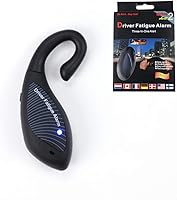
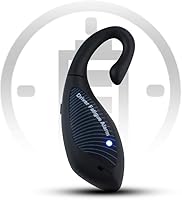
The LGI Nap Zapper Driver Fatigue Alarm addresses one of the most underestimated hazards on the road: the moment a driver's head begins to nod. Drowsy driving claims thousands of lives annually, and the risk is especially acute for truckers, bus operators, and security guards grinding through overnight shifts. This fatigue alarm hooks over the ear and uses a tilt sensor to detect that telltale forward drop, then fires off a sharp alert before things get dangerous. Unlike pricier biometric wearables, it takes a refreshingly simple approach — no app, no subscription, just a small device doing one critical job. For the price, that focus is hard to argue with.

Features & Benefits

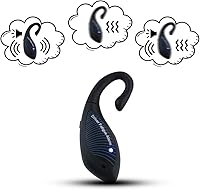
The ear-worn drowsiness alert weighs less than two and a half ounces, which matters a lot when you're wearing something for eight or ten hours straight. The head-tilt sensor is passive — no cameras, no wires running to your dash — and when it detects a nod, it responds with a 125-decibel blast that is genuinely startling. That loudness is a deliberate design choice; a gentle chime won't cut it when someone is half-asleep at 3 a.m. A single lithium metal battery powers the whole unit, so there's no charging cable to forget. It works across cars, trucks, buses, and trains without any vehicle-specific setup.

Best For

This driver safety gadget is built for people who don't have the luxury of simply pulling over when fatigue hits. Long-haul truckers and overnight bus drivers are the obvious audience, but it's just as relevant for security guards doing late-night checkpoint rotations or train operators handling monotonous routes. Shift workers who commute after an exhausting night will also find it worth keeping in the glove box. It suits buyers who want something that works right out of the box — no pairing, no downloads, no learning curve. If you need a simple, portable fatigue check that goes wherever you go, this fits that role well.

User Feedback

Buyers who rely on the ear-worn drowsiness alert for regular night shifts tend to praise the alarm's sheer volume — most agree it does exactly what it promises in snapping you back to attention. Build quality, however, draws more mixed reactions. Several users note the plastic housing feels basic, and comfort becomes an issue after three or four hours of wear — the ear clip can start to pinch. There are also occasional reports of false triggers from routine head movements, like checking mirrors. Battery life earns mostly positive marks, with replacements being easy to find. Overall, the consensus leans practical: dependable tool, not refined kit.

Pros

  • The 125-decibel alarm is loud enough to cut through fatigue and snap most wearers to attention almost instantly.
  • Weighing under two and a half ounces, this fatigue alarm is light enough that many users forget they are wearing it during shorter stints.
  • No app, no pairing, no Wi-Fi — just clip it on, switch it on, and it works.
  • Battery replacement is straightforward and uses a widely available lithium cell, so you are never stuck hunting for proprietary parts.
  • The ear-worn design leaves both hands free and requires zero installation in any vehicle.
  • Works across a wide range of vehicle types, making it easy to move between a car, truck, or bus without any adjustment.
  • At its price point, it offers a tangible layer of alertness support that costs far less than most competing wearable safety devices.
  • The standalone, offline design means there are no subscription fees, no firmware updates, and nothing to configure.
  • Small enough to stash in a glove box or jacket pocket, so it is easy to carry as a backup on any shift.

Cons

  • The plastic clip can become uncomfortable or start to pinch after three to four hours of continuous wear.
  • Head-tilt detection occasionally fires false alarms during normal mirror checks or routine driving movements.
  • Build quality feels basic for a safety-oriented device — the housing lacks the sturdiness some users expect for daily professional use.
  • There is no sensitivity adjustment, so you cannot fine-tune the trigger threshold to match your natural head movement patterns.
  • No smart connectivity means no usage history, no alerts to a fleet manager, and no integration with any monitoring system.
  • The device has been on the market since 2014 with no apparent hardware updates or meaningful design improvements since launch.
  • Some users report the alarm tone, while loud, is directionally confusing when worn — making the split-second disorientation worse before alertness kicks in.
  • Relies entirely on head-nodding detection, so early-stage fatigue that has not yet caused visible nodding will go completely undetected.

Ratings

The scores below reflect an AI-driven analysis of verified global buyer reviews for the LGI Nap Zapper Driver Fatigue Alarm, with spam, bot activity, and incentivized feedback actively filtered out before scoring. Ratings span both the strongest aspects and the honest pain points that real users — from overnight truckers to stationary security guards — consistently flagged. The result is a balanced, transparent picture of where this driver safety gadget genuinely delivers and where it falls short.

Alarm Effectiveness
88%
The vast majority of users confirm that the alert does exactly what it is supposed to: produce an immediate, disorienting jolt that snaps a nodding driver back to consciousness. Truckers doing overnight highway runs in particular praised how fast the response kicks in once the sensor detects a forward head drop.
A small but consistent group of users noted that in very noisy cab environments — diesel engines, open windows, loud radio — the alarm can feel slightly less shocking than expected, even at 125 decibels. The effectiveness also depends entirely on correct ear placement, which not everyone gets right on the first use.
Ease of Use
91%
Clip it on, flip the switch, and it is working — there is genuinely nothing more to it. Users with zero technical inclination appreciated that setup takes under a minute with no manual required, making it accessible to older drivers or those who are not comfortable with gadgets.
The lack of any indicator light or feedback tone to confirm the device is active means some users were unsure whether it was actually on, especially in daylight when visual cues are harder to read. A few buyers reported accidentally leaving it switched off through an entire shift without realizing it.
Comfort During Extended Wear
57%
43%
For shorter stints — up to about three hours — most users found the ear clip tolerable and barely noticeable, which works well for commuters or guards doing rotating shifts with regular breaks built in.
Beyond three to four hours, comfort complaints become significantly more frequent. The rigid plastic clip puts consistent pressure on the cartilage, and several long-haul drivers noted real discomfort by the midpoint of a ten-hour route. Users with smaller ears or those sensitive to pressure reported issues even sooner.
False Trigger Rate
61%
39%
For drivers on smooth highways doing minimal head movement, false alarms are infrequent enough that the device feels reliable. Night-shift security guards seated at static posts reported very few nuisance triggers in that controlled environment.
Drivers who frequently check mirrors, navigate busy urban routes, or ride on uneven roads reported frustratingly frequent false positives. Some users described pulling over to turn the device off entirely after repeated unprovoked alarms, which defeats the purpose of wearing it in the first place.
Build Quality
59%
41%
The device is compact and the overall assembly feels solid enough for light, intermittent daily use. Several buyers who keep one in the glove box as a backup tool rather than a permanent fixture reported no structural issues after months of occasional use.
Users who rely on this fatigue alarm every single workday describe the plastic housing as feeling thin and fragile for something intended as a professional safety tool. A handful of reviews mention the clip mechanism losing tension over time, causing the device to sit loosely and trigger less reliably.
Battery Life
79%
21%
Most buyers were pleasantly surprised by how long a single battery lasts given the device's active alert function. Security guards using it across multiple shifts reported getting solid use before needing a replacement, and the battery type is widely available at convenience stores.
There is no battery level indicator, so the device simply stops working when the cell is depleted — often at an inconvenient moment. Users who forget to carry a spare battery can find themselves without protection mid-shift with no warning.
Value for Money
73%
27%
Compared to more sophisticated wearable fatigue monitors that cost several times more, this ear-worn drowsiness alert offers a genuinely functional core experience at a fraction of the price. For buyers who just need a basic nodding alert and have no need for data logging or smart features, the cost-to-function ratio is reasonable.
Some buyers feel the build quality does not quite justify even the modest asking price, particularly when the clip starts showing wear after a few months. A small number of users who expected more from a safety-oriented device felt underserved and moved on to higher-end alternatives.
Detection Accuracy
63%
37%
When the device is seated correctly on the ear and the wearer is in a stable, low-movement environment, the head-tilt sensor catches genuine nodding episodes reliably. Users who tested it deliberately by slowly lowering their head confirmed the alarm fires before a significant drop occurs.
The fixed sensitivity means the sensor cannot distinguish between fatigue-induced nodding and deliberate head movement, which creates reliability doubts for active drivers. There is no way to calibrate or tune the detection threshold, leaving users who experience false positives with no practical recourse.
Portability
93%
At under two and a half ounces and with no cables or charging dock required, this driver safety gadget slips into a shirt pocket or sits in a glove compartment without taking up meaningful space. It transfers instantly between vehicles, which frequent drivers of multiple rigs appreciate.
The packaging is relatively bulky compared to the device itself, and the unit does not come with a storage pouch or case, meaning loose storage can lead to minor cosmetic damage or the switch being accidentally toggled over time.
Noise Level Appropriateness
76%
24%
Users consistently describe the alarm as genuinely startling rather than merely audible, which is the correct design target for a fatigue alert. The volume feels calibrated to cut through the mental fog of micro-sleep rather than just gently nudge the wearer.
A few users living or working in noise-sensitive environments — shared sleeping quarters between driving shifts, quiet overnight security posts — found the alarm socially disruptive when it fired unexpectedly. There is no volume adjustment option to dial things back in those contexts.
Compatibility
84%
Because the device is entirely self-contained and ear-worn, it works in any vehicle or setting without a single modification. Drivers who regularly switch between a personal car, a company truck, and public transit found the seamless portability genuinely useful.
The lack of any integration with in-vehicle systems means fleet operators cannot monitor device usage or compliance remotely, which limits its appeal for commercial transport companies with formal driver safety programs.
Setup Speed
94%
Out of the box to fully operational takes under two minutes for almost any user. There is no registration, no pairing process, and no software to install — a factor that older drivers and those unfamiliar with technology specifically called out as a strong positive.
Because there is so little to set up, there is also very little guidance on optimal ear positioning, which affects detection accuracy. A brief printed guide on correct placement would meaningfully improve first-use outcomes for new buyers.
Durability Over Time
56%
44%
Users who treat the device as an occasional backup rather than daily essential gear report it holding up reasonably well over many months of infrequent use. The internal electronics appear stable even after extended storage periods.
Daily professional users paint a less encouraging picture, with the ear clip losing its grip tension and the outer casing showing stress marks after three to six months of consistent wear. For a tool meant to be used every single working day, the longevity falls below what most buyers would hope for.

Suitable for:

The LGI Nap Zapper Driver Fatigue Alarm is purpose-built for anyone whose job demands sustained alertness during long, monotonous hours behind a wheel or at a post. Long-haul truckers and overnight bus drivers are the clearest fit — people who regularly push through the early morning hours when the body's natural sleep pressure is hardest to fight. Night-shift security guards doing stationary checkpoint duty or slow patrol routes face the same battle, and this fatigue alarm gives them a low-effort, always-on safety check they can clip on and forget about until they need it. Train operators and heavy machinery workers in similar high-vigilance roles will find the ear-worn form factor practical since it requires zero vehicle modification or integration. It also suits shift workers who commute home after exhausting overnight rotations and want a cheap, reliable backstop rather than a sophisticated wearable.

Not suitable for:

The LGI Nap Zapper Driver Fatigue Alarm is not the right tool for everyone, and being clear about that matters. Buyers looking for a medically validated or clinically tested alertness monitor will be disappointed — this is a consumer-grade tilt-sensor device, not a certified fatigue management system, and should never be treated as a substitute for genuine rest or professional safety protocols. People who are sensitive to ear pressure or who wear hearing aids will likely find the clip uncomfortable or incompatible after even a short period. Anyone expecting smart features — app connectivity, data logging, adjustable sensitivity, or integration with fleet management software — should look elsewhere entirely. If your primary concern is extended comfort over a full ten-to-twelve-hour shift, the basic plastic clip design may become genuinely irritating before your route is done. Finally, buyers prone to frequent but normal head movement, like those who check mirrors often or work in animated environments, may find the false-trigger rate frustrating enough to make the device feel unreliable.

Specifications

  • Alarm Volume: The built-in alert reaches 125 decibels, which is loud enough to jolt a drowsy wearer back to full attention almost immediately.
  • Weight: The unit weighs 2.39 ounces, making it light enough to wear for extended periods without adding noticeable strain.
  • Dimensions: The device measures 6 x 4.7 x 2 inches in its packaged form, keeping the overall footprint compact and easy to store.
  • Wear Style: Designed to sit on the ear like a small clip, it requires no helmet, headband, or secondary mounting accessory.
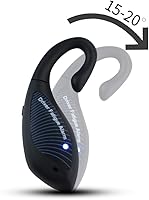
  • Detection Method: A built-in head-tilt sensor monitors the angle of the wearer's head and triggers the alarm when a forward nodding motion is detected.
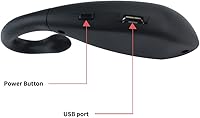
  • Power Source: One lithium metal battery powers the device; no rechargeable battery or USB charging port is included.
  • Connectivity: The unit operates entirely standalone with no Bluetooth, Wi-Fi, or app dependency of any kind.
  • Remote Control: No remote control is included or supported; the device is operated directly via an on-device power switch.
  • Vehicle Compatibility: Suitable for use in cars, trucks, buses, and trains, requiring no vehicle-specific installation or wiring.
  • Manufacturer: Produced by LGI Factory, a manufacturer specializing in driver safety and vehicle security accessories.
  • Market Entry: This product was first made available in March 2014 and has remained in continuous production since then.
  • Discontinuation: As of the latest available information, the product is not discontinued and remains available through standard retail channels.
  • Electronics Rank: The device holds a Best Sellers Rank of approximately 30,048 in the broader Electronics category on Amazon.
  • Category Rank: Within Security and Surveillance Equipment specifically, it ranks around 1,699, reflecting steady demand in its niche.
  • Model Number: The manufacturer model number is 4331035082, which can be useful when searching for compatible batteries or replacement units.

Related Reviews
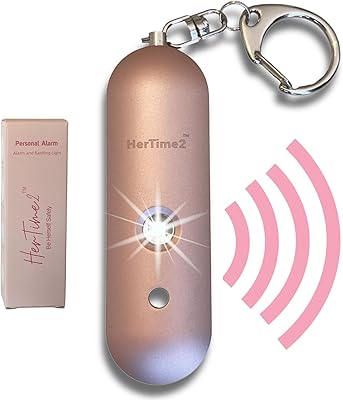
HerTime2 Personal Safety Alarm Keychain
80%
93%
Siren Loudness
86%
Ease of Activation
77%
Build Quality
88%
Waterproofing
71%
Battery Life
More
YoLink YS7103-UC Smart Siren Alarm
76%
74%
Ease of Setup
83%
Alarm Volume
88%
Wireless Range
81%
Offline Reliability
67%
App Experience
More
TOWODE Motion Detector Alarm with Remote
77%
92%
Ease of Setup
74%
Sound & Alert Quality
58%
PIR Sensor Accuracy
61%
Battery Life
88%
Value for Money
More
FREETIM Wireless Driveway Motion Sensor Alarm System
74%
91%
Ease of Setup
78%
Detection Reliability
67%
Wireless Range
72%
Weather Resistance
58%
Battery Life
More
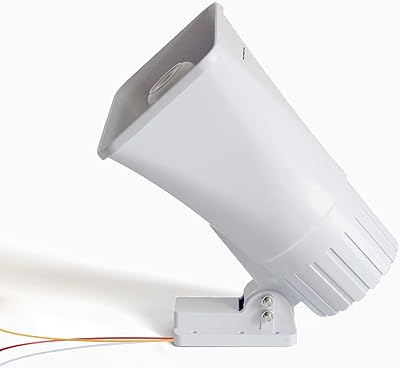
KLLsmDesign HEL-001 Outdoor Security Alarm Siren
72%
91%
Sound Output
74%
Ease of Installation
58%
Wiring Clarity
69%
Build Quality
61%
Weatherproofing
More
Hootie Personal Safety Keychain Alarm
83%
93%
Ease of Activation
91%
Alarm Volume
78%
Strobe Light Effectiveness
74%
Build Quality
86%
Battery Life
More
Magnasonic EAAC601 Projection Alarm Clock Radio
80%
83%
Projection Readability
91%
Ease of Setup
88%
Alarm Functionality
79%
Display Quality
86%
Projection Swivel Range
More
Chesbung Solar Driveway Alarm System
87%
93%
Ease of Installation
88%
Detection Range
90%
Battery Life
85%
Reliability of Motion Detection
87%
Build Quality and Durability
More
SENCKIT Zigbee Smart Siren Alarm
71%
71%
Ease of Setup
54%
Hub Dependency
67%
Sound Performance
58%
Strobe Effectiveness
73%
App Experience
More
YoLink YS7106 Smart Power Outage Alarm
71%
91%
Alert Reliability
88%
Notification Speed
58%
Hub Dependency & Ecosystem
63%
Setup & Pairing
74%
LoRa Range Performance
More

FAQ

It clips over the outer ear, similar to how some older Bluetooth headsets used to fit. You hook it around the top of your ear so the sensor sits at the right angle to detect head nodding. It takes maybe ten seconds to get positioned correctly, and most people find the fit intuitive on the first try.

That is one of the more common concerns, and it is worth being honest about. The sensor is calibrated for a forward head-drop rather than a side-to-side glance, so routine mirror checks usually do not set it off. That said, some users do report occasional false triggers, particularly during sharp turns or bumpy road conditions. It is not a perfect system, but for most normal driving the false alarm rate is manageable.

To put it in context, 125 decibels is roughly in the range of a jackhammer heard up close or a loud rock concert near the speakers. When it goes off right next to your ear, it is genuinely startling — that is the whole point. Most users confirm it does the job of snapping them alert quickly.

It runs on a single lithium metal battery, which is a standard type available at most electronics stores, pharmacies, and online. Replacing it is straightforward — no tools required — and the battery type is nothing proprietary or difficult to track down.

No, and it is important to be clear about that. The LGI Nap Zapper Driver Fatigue Alarm is a consumer-grade alert device, not a medically validated or government-certified fatigue management system. It can serve as a helpful early warning, but it should complement proper rest habits and break schedules, not replace them.

Glasses are generally fine since the clip goes over the upper part of the ear and glasses sit differently on the face. Using it simultaneously with an earpiece or earbud is trickier — there just is not enough room on the ear for both comfortably. Most people find they have to choose one or the other.

Comfort is genuinely variable depending on the person. Some users wear it for a full eight-hour shift without much issue; others start noticing pinching or pressure after three to four hours. If you have sensitive ears or small ear cartilage, discomfort may set in sooner. Taking it off during breaks helps extend overall tolerance.

Absolutely. The device responds to head nodding regardless of where you are sitting, so it works just as well for a passenger who needs to stay alert, a train attendant, or a security guard seated at a monitoring station. It is not vehicle-specific in any meaningful way.

Unfortunately, no. The sensitivity is fixed at the factory, and there is no dial, switch, or software setting to adjust the trigger threshold. This is one of the more limiting aspects of the design, particularly for users who have a slightly more pronounced natural head movement pattern while awake.

No connectivity of any kind is built in. There is no Bluetooth, no app, no data logging, and no way to link it to a fleet management platform. It is a completely self-contained device — what you see is what you get. For operations that require driver monitoring records or remote oversight, you would need to look at more advanced telematics-based solutions.