Overview

The La Roche-Posay Glycolic Acid Kojic Serum 1oz brings a multi-acid brightening approach to a trusted French pharmacy formula — and it holds up well for its price tier. Sitting in the mid-range skincare category, it combines three complementary acids with a lightweight, aloe-scented texture that oily and sensitive skin types tend to appreciate. At 1oz, the bottle is compact, and it slots cleanly into a treatment step between cleansing and moisturizing. This is not an overnight fix, but as a targeted dark spot corrector built on solid dermatological credibility, it earns its place in a thoughtful routine.
Features & Benefits

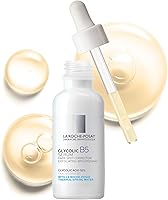
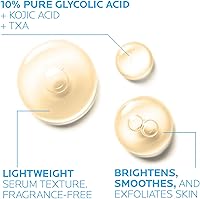
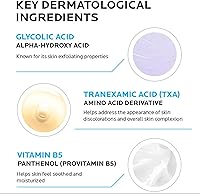
What makes this brightening serum worth a closer look is how its three main actives each pull in a slightly different direction, but all toward the same goal. Glycolic acid works at the surface, gently loosening dead skin cells to smooth texture and fade existing discoloration. Kojic acid goes deeper, interrupting melanin production so new spots are less likely to form. Tranexamic acid addresses post-inflammatory pigmentation — the stubborn kind left behind by breakouts. Threading through all of this is vitamin B5, which adds enough hydration to keep skin from feeling stripped, making the acid combination notably more tolerable than many alternatives.

Best For

The LRP glycolic serum suits oily and combination skin types best — particularly anyone dealing with post-acne marks, sun spots, or a generally uneven complexion. If you have never used an acid serum before, this is a reasonable starting point: the concentration is effective without being aggressive, and the dermatologist-tested status adds reassurance for those with reactive skin. It performs best as a dedicated treatment step, applied after cleansing and before moisturizer. People with dry skin may find it slightly less comfortable, but sensitive oily skin types often report it sits well without tightness or prolonged redness.

User Feedback

Buyers who stay consistent with this dark spot treatment for six to eight weeks generally come away satisfied — many highlight a visible improvement in overall skin tone and smoother texture as the standout wins. Tolerability comes up often, with several users noting it caused far less irritation than other acid serums they had tried. The honest downsides? Results take time, and buyers expecting rapid change sometimes feel the pace drags. The 1oz bottle also draws recurring comments — at this price, some shoppers wish it offered more product. A small number find the aloe scent slightly unexpected, though most describe it as faint and pleasant.

Pros

  • Three complementary acids in one formula address dark spots from multiple angles simultaneously.
  • Glycolic acid visibly smooths skin texture over time, not just tone.
  • Notably gentle for an acid serum — tolerability on sensitive skin is a recurring real-world strength.
  • Vitamin B5 helps prevent the stripped, tight feeling common with exfoliating treatments.
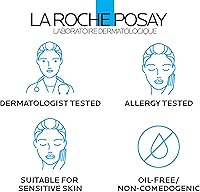
  • Dermatologist-tested status adds a meaningful layer of reassurance for cautious buyers.
  • The lightweight texture layers well under moisturizer without pilling or heaviness.
  • La Roche-Posay is a widely trusted pharmacy brand with a long track record in sensitive skincare.
  • Works as a standalone brightening step without needing to stack multiple single-ingredient products.
  • Aloe scent is faint and pleasant, making the routine feel less clinical than many acid serums.

Cons

  • Results take six to eight weeks of consistent use — not suitable for anyone wanting fast changes.
  • The 1oz size runs out quickly, especially with twice-daily application, raising the cost over time.
  • Not ideal for dry skin types, as the formula does not provide meaningful hydration on its own.
  • Tranexamic acid concentration is not disclosed, making it hard to compare potency against competitors.
  • Some buyers report the scent is unexpected for a skincare treatment, even if mild.
  • Packaging is minimalist with no dropper or pump, which can make dispensing feel imprecise.
  • The LRP glycolic serum may not be strong enough for deeper or more established pigmentation concerns.
  • No SPF included — pairing with sunscreen daily is essential, which adds to the overall routine cost.
  • Price-per-ounce is on the higher side relative to similar pharmacy-brand acid serums on the market.

Ratings

The La Roche-Posay Glycolic Acid Kojic Serum 1oz has been evaluated by our AI system after processing thousands of verified global buyer reviews, with spam, bot activity, and incentivized feedback actively filtered out to ensure the scores reflect genuine real-world experiences. Across more than a dozen performance categories, both the genuine strengths and the recurring frustrations are transparently represented — no category has been inflated to favor the brand.
Brightening Efficacy
78%
22%
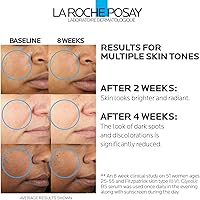
Users with oily or combination skin consistently report a visible reduction in post-acne marks and sun spots after six to eight weeks of daily use. The three-acid combination earns genuine praise for addressing discoloration more comprehensively than single-ingredient alternatives at a similar price point.
Results are slow to appear, and buyers who expected meaningful change within the first two to three weeks frequently felt let down. Those with deeper or older hyperpigmentation reported only modest improvement, suggesting the formula has a ceiling when it comes to more entrenched discoloration.
Skin Texture Improvement
83%
Glycolic acid's surface-exfoliating action is one of the more immediately noticeable effects — many users describe their skin feeling noticeably smoother within the first few weeks, even before visible brightening kicks in. This is particularly appreciated by buyers who deal with rough, uneven texture alongside tone concerns.
The texture improvement plateaus for some users after the initial weeks, with diminishing returns if the formula is used long-term without periodic breaks or rotation with stronger exfoliants. A small number of buyers with dry skin patches found the acid exacerbated flakiness rather than smoothing it.
Tolerability on Sensitive Skin
86%
This is one of the most frequently praised aspects across user reviews — people with reactive or easily irritated skin repeatedly note that the LRP glycolic serum causes far less redness and stinging than comparable acid serums they have tried. The vitamin B5 inclusion seems to make a tangible difference in day-to-day comfort.
A minority of users with compromised or very reactive skin did experience initial tightness and mild redness, particularly in the first week of use. Those who did not ease in gradually — starting every other day rather than daily — reported higher rates of sensitivity-related complaints.
Texture & Absorption
88%
The lightweight serum consistency is widely appreciated by oily skin users who prefer a formula that disappears into the skin quickly without leaving any residue. Layering it under a moisturizer or SPF in a multi-step routine causes no pilling or heaviness, which is a practical advantage for daily use.
A handful of users with dry skin felt the texture was too thin to feel adequately nourishing on its own, requiring a richer moisturizer on top to feel comfortable. Those coming from thicker serum formats sometimes found the watery consistency less satisfying despite functional performance.
Formula Ingredient Quality
84%
The combination of glycolic, kojic, and tranexamic acids is genuinely well-regarded in dermatological circles, and buyers with some skincare knowledge tend to recognize and trust the ingredient list. Knowing that tranexamic acid specifically targets post-inflammatory pigmentation adds credibility that educated shoppers notice and value.
The exact concentrations of the key actives are not disclosed on packaging, which frustrates buyers who want to compare potency against competitors or track their exposure to specific acids. Without knowing the glycolic acid percentage, it is hard for users to know whether to expect beginner-level or moderate-strength results.
Value for Money
61%
39%
For buyers who see consistent results over a full eight-week cycle, the formula's multi-acid approach means they are not buying three separate serums to address different pigmentation pathways. The dermatologist-tested credibility and brand reputation add perceived value that justifies the price for many loyal La Roche-Posay users.
The 1oz bottle is genuinely small, and at daily use it can run out in under five weeks, making the real cost of a full treatment cycle higher than the sticker price implies. Several reviewers explicitly flagged that the price-to-volume ratio feels unfair relative to comparable serums offering larger bottles at similar or lower prices.
Packaging & Dispensing
59%
41%
The compact bottle is easy to slip into a travel toiletry bag or a crowded bathroom shelf without taking up meaningful space. The overall packaging presentation feels appropriately clinical and pharmacy-grade, which aligns with the brand's positioning.
There is no dropper, pump, or precision applicator — product dispensing relies on tipping the bottle, which makes it easy to overuse and contributes to the bottle running out faster than expected. Multiple users noted this as a straightforward design oversight that could be resolved without changing the formula.
Scent Profile
74%
26%
Most users describe the aloe-based scent as faint, fresh, and non-intrusive — a meaningful plus for anyone who has been put off by the sharp chemical smell common in glycolic acid products. For those building a sensitive-skin routine, having a serum that smells pleasant rather than clinical removes one barrier to consistent daily use.
A small group of fragrance-sensitive users flagged that even a mild scent in an acid serum feels unnecessary, and a few reported that the aloe note was slightly more detectable than the word faint implies. For buyers who specifically seek fragrance-free formulas, this may be a minor but genuine sticking point.
Speed of Visible Results
52%
48%
Users who understand the nature of acid-based brightening serums going in — and commit to a consistent six to eight week routine — do report seeing genuine changes in their hyperpigmentation and overall skin clarity. Those with lighter or more recent spots tend to see progress on the faster end of that window.
The slow pace of results is probably the single most common complaint in user feedback, especially from buyers who did not read the fine print on timing expectations. Patience is genuinely required, and without that framing upfront, many buyers abandon the product before it has had enough time to work — and leave negative reviews as a result.
Suitability for Oily Skin
89%
This dark spot treatment was clearly formulated with oily skin in mind, and that shows in the finish and the formula's ability to sit cleanly under SPF or a lightweight moisturizer without adding any shine or congestion. Users with oily, spot-prone skin frequently cite it as one of the more compatible brightening serums they have found.
On the flip side, this focus means the formula offers very little crossover appeal for dry or mature skin types, who may need more emollient support than this serum provides. Combination skin users with drier cheeks occasionally noted minor discomfort in those areas when using the serum all over the face.
Brand Trust & Dermatologist Credibility
91%
La Roche-Posay consistently ranks among the most trusted pharmacy skincare brands globally, and that credibility transfers meaningfully to buyer confidence in this serum. Many reviewers specifically mention that dermatologist-tested status and the brand's track record with sensitive skin formulas were decisive factors in their purchase.
A few skeptical buyers noted that dermatologist-tested is a relatively low bar that does not indicate a clinical trial or proof of efficacy, which is a fair point for more analytically minded shoppers. The brand trust factor tends to carry more weight for existing La Roche-Posay users than for first-time buyers comparing across the category.
Routine Compatibility
81%
19%
The serum slots naturally into an established skincare routine as a dedicated treatment step, and its lightweight texture makes it compatible with most moisturizers and SPF formulas used on top. Buyers building out a structured brightening routine appreciate that it works as a standalone step without requiring companion products from the same line.
Layering this alongside other actives — particularly retinol or stronger vitamin C serums — requires careful scheduling to avoid over-exfoliation, which adds complexity for less experienced users. Those who run a busy routine with multiple acids occasionally found managing the timing and sequencing more effort than expected.
Post-Acne Mark Reduction
77%
23%
Buyers dealing with post-breakout marks — particularly the flat, brownish discoloration that lingers after spots heal — frequently highlight this as the area where the serum performs most noticeably. The tranexamic and kojic acid combination is especially well-suited to this type of hyperpigmentation, which is widespread among the product's core audience.
For raised scarring, textural scars, or very deep post-inflammatory marks, this serum does not deliver meaningful improvement on its own, and several users expressed disappointment when results did not extend to those more structural concerns. Managing expectations around what a topical brightening serum can and cannot address is important context that not all buyers have going in.

Suitable for:

The La Roche-Posay Glycolic Acid Kojic Serum 1oz is a strong fit for anyone with oily or combination skin who has been frustrated by stubborn hyperpigmentation — whether that means old acne marks, sun spots, or a complexion that just looks dull and uneven. It works especially well for people who are cautious about strong actives, since the formula is dermatologist-tested and carries the kind of brand credibility that makes first-time acid users feel safer trying it. If you are building out a targeted brightening routine and need a dedicated treatment step that does not rely on heavy textures or occlusive ingredients, this serum fits that gap neatly. It also makes sense for buyers who have tried single-acid serums before and want something more comprehensive without stepping into prescription-strength territory. Patience is part of the deal here — this dark spot treatment rewards consistency over six to eight weeks rather than delivering quick fixes.
Not suitable for:

The La Roche-Posay Glycolic Acid Kojic Serum 1oz is less likely to satisfy buyers with dry or very dry skin, since the formula is designed with oily skin in mind and may not provide enough comfort or hydration as a standalone treatment on drier complexions. Anyone expecting rapid, visible brightening within the first one to two weeks will probably feel underwhelmed — this is a gradual-results product, and impatient buyers tend to abandon it before it has a chance to work. The 1oz bottle size is genuinely small, and if you use a serum twice daily, you will go through it faster than expected, which makes the price-per-use less appealing over time. People managing more significant pigmentation concerns, such as melasma or deep post-inflammatory marks, may find the formula too mild and would be better served by consulting a dermatologist for a more targeted prescription approach. Finally, if your skin is currently compromised — actively broken out, sunburned, or post-procedure — introducing a multi-acid formula is not advisable until your barrier has had time to recover.
Specifications

  • Volume: Each bottle contains 1 oz (30ml) of serum.
  • Dimensions: The bottle measures 1.35 x 2.15 x 1.41 inches and weighs 1.06 ounces.
  • Key Actives: The formula contains glycolic acid, kojic acid, and tranexamic acid as its primary brightening agents.
  • Supporting Ingredient: Vitamin B5 (panthenol) is included to hydrate and soothe skin alongside the active acids.
  • Skin Type: Formulated specifically for oily and sensitive skin types.
  • Use Area: Intended for facial use only.
  • Texture: Lightweight serum consistency that absorbs without leaving a heavy or greasy residue.
  • Scent: Features a mild aloe-based scent with no strong or synthetic fragrance notes.
  • Primary Benefit: Targets dark spots, post-acne marks, and uneven skin tone to improve overall complexion clarity.
  • Dermatologist Tested: The formula has been dermatologist-tested and is considered suitable for sensitive skin.
  • Brand Origin: La Roche-Posay is a French pharmacy skincare brand with a long-standing reputation in dermatological formulations.
  • Manufacturer: Distributed in the US by GEO Marketing Inc LLC.
  • Discontinued: This product is not discontinued and remains in active production.
  • Routine Step: Applied as a treatment step after cleansing and before moisturizer in the skincare routine.
  • Market Rank: Ranked in the top 400 in the Facial Serums category on Amazon at the time of review.

Related Reviews
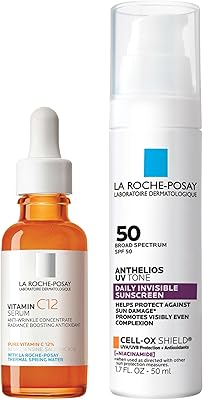
La Roche-Posay Pure 12% Vitamin C Serum with Hyaluronic Acid & Salicylic Acid
85%
86%
Effectiveness in Reducing Wrinkles
91%
Skin Brightening Impact
89%
Hydration and Skin Feel
87%
Absorption Speed
83%
Exfoliation and Skin Texture Improvement
More
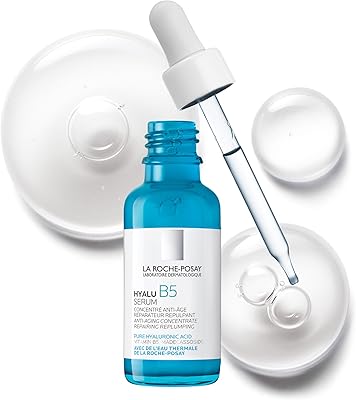
La Roche-Posay Hyalu B5 Hyaluronic Serum 30ml
80%
91%
Hydration Performance
93%
Skin Sensitivity Tolerance
88%
Texture & Absorption
82%
Visible Plumping Effect
67%
Value for Money
More
Blue Nectar Kojic Acid Face Serum 30ml
74%
88%
Texture & Absorption
71%
Brightening Effectiveness
63%
Value for Money
84%
Ingredient Quality
76%
Packaging & Design
More
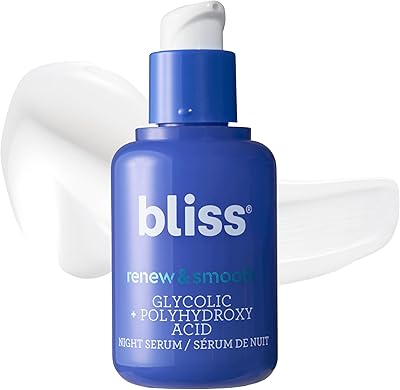
Bliss Glycolic + Polyhydroxy Acid Renew & Smooth Night Serum 1oz
85%
88%
Effectiveness in Exfoliation
82%
Hydration & Moisture Lock
85%
Skin Texture Improvement
90%
Gentleness & Skin Sensitivity
84%
Absorption & Finish
More
La Roche-Posay Hydraphase Intense Hyaluronic Acid Eyes 0.5oz
87%
91%
Hydration Effectiveness
88%
Puffiness Reduction
94%
Skin Compatibility (Sensitive Skin)
85%
Absorption and Finish
95%
Fragrance-Free Formula
More
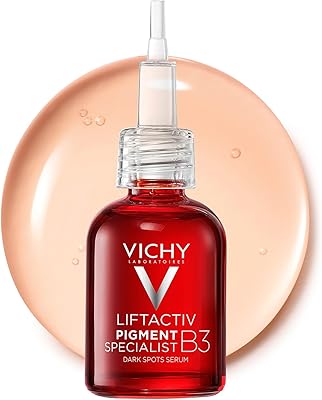
Vichy LiftActiv B3 Serum 5% Niacinamide + Glycolic Acid + Tranexamic Acid + Peptides
84%
89%
Effectiveness for Dark Spots
87%
Texture and Feel
82%
Skin Sensitivity and Tolerance
85%
Absorption Rate
91%
Value for Money
More
Advanced Clinicals 10% Glycolic Acid + Lactic Acid Body Lotion & Face Serum Set
87%
86%
Exfoliation Effectiveness
88%
Hydration and Moisture Retention
90%
Skin Sensitivity and Irritation
85%
Absorption and Feel
92%
Packaging and Dispensing
More
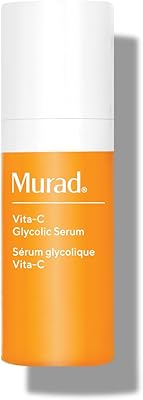
Murad Vita-C Glycolic Serum 1oz
85%
88%
Effectiveness in Brightening
91%
Skin Compatibility (Sensitive Skin)
82%
Texture and Absorption
85%
Packaging Design and Usability
79%
Reduction of Dark Spots and Hyperpigmentation
More
La Roche-Posay Toleriane Waterproof Mascara
75%
93%
Eye Safety & Gentleness
84%
Waterproof Performance
88%
Ease of Removal
61%
Volume & Lash Impact
91%
Contact Lens Compatibility
More
Open Formula Glycolic Acid 20% 1oz Serum
80%
88%
Exfoliation Effectiveness
79%
Dark Spot Reduction
91%
Value for Money
67%
Skin Compatibility
57%
Irritation & Sensitivity Risk
More

FAQ

Realistically, most people need to use it consistently for six to eight weeks before noticing a meaningful difference in dark spots or overall tone. Acid-based brightening serums are not overnight solutions, and patience matters more than anything here. If you stop after two weeks because nothing has changed, you are likely giving up too soon.

It is generally a good idea to start with every other day for the first couple of weeks, especially if your skin is not already used to glycolic acid. Once your skin has adjusted and you are not experiencing any redness or dryness, daily use is fine for most people. Oily skin types tend to tolerate it well from the start, but sensitive skin benefits from a slower introduction.

It can help, but older or deeper pigmentation takes longer to respond than fresh post-acne marks or surface sun spots. This serum is better positioned as a preventative and gradual corrector rather than a heavy-duty treatment for long-standing discoloration. If your spots have been there for years, a more concentrated or prescription-strength option may be more effective.

This is really a question for your OB-GYN or dermatologist rather than a product review. As a general rule, high-concentration glycolic acid and kojic acid are often flagged as ingredients to discuss with a healthcare provider during pregnancy. Do not rely on product labeling alone for this kind of guidance.

Layering multiple actives needs care. Using this alongside a strong retinol in the same routine can increase the risk of irritation, so most dermatologists recommend alternating them — vitamin C in the morning and an acid or retinol at night, for example. The LRP glycolic serum pairs reasonably well with a vitamin C serum as long as you are not experiencing sensitivity, but start slow and monitor how your skin responds.

Glycolic acid makes skin more sensitive to UV exposure, so if you use it in the morning, wearing a broad-spectrum SPF 30 or higher is non-negotiable. Many people prefer applying it at night to sidestep that concern entirely, but morning use is not off-limits as long as sun protection is part of your day.

At once-daily use with a conservative application, a 1oz bottle typically lasts around four to six weeks. If you are applying twice daily or using a generous amount, expect it to run out closer to the three-week mark. It is worth factoring that in when considering the overall cost, since the per-use price adds up faster than the upfront cost might suggest.

Yes, the combination of kojic and tranexamic acids is well-regarded in the skincare community for addressing hyperpigmentation across all skin tones, including deeper complexions where dark marks can be particularly persistent. That said, everyone's skin responds differently, and doing a patch test first is always a good idea regardless of skin tone.

At the concentration used in this brightening serum, significant peeling is not typical for most users. Some mild skin turnover is possible in the first week or two as glycolic acid gets to work, but it is usually subtle. If you experience visible flaking or irritation that lasts more than a few days, scale back usage frequency and make sure your moisturizer is supporting the skin barrier properly.

Store it in a cool, dry place away from direct sunlight and heat — a bathroom cabinet away from the shower steam is ideal. Extreme temperature swings or prolonged UV exposure can degrade the active ingredients over time. There is no need to refrigerate it, but keeping it away from heat sources is a reasonable precaution.