Overview

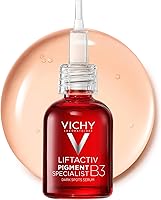
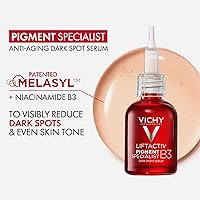
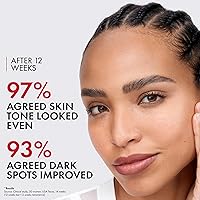
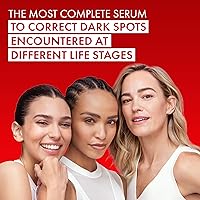
The Vichy LiftActiv B3 Serum sits within Vichy's clinical LiftActiv range as a dual-purpose formula targeting both visible discoloration and early signs of aging. It's dermatologist-tested, fragrance-free, and alcohol-free — a combination that genuinely matters if your skin leans sensitive or reactive. Compared to many niacinamide serums at this price tier, the formulation carries real clinical credibility behind it. That said, the brand's eight-week results claim should be read as a realistic minimum, not a dramatic overnight promise. This brightening serum works for all skin types and can be applied across both face and neck, making it a versatile option in a crowded brightening category.

Features & Benefits

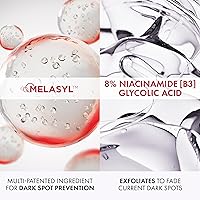
The active lineup here is genuinely interesting. Niacinamide — listed as 5% on the front label but referenced closer to 8% in the detailed ingredient breakdown — works to reduce uneven tone and support the skin barrier over time. Glycolic acid handles the surface layer, gradually dissolving dead skin cells so newer, brighter skin shows through. Tranexamic acid is the standout ingredient for stubborn hyperpigmentation, particularly the kind linked to sun damage or hormonal melasma. A peptide blend supports firmness, while a trio of exfoliating agents — HEPES, gluconic acid, and urea — refines texture without abrasion. No fragrance, no alcohol. That restraint earns real points for sensitive skin compatibility.

Best For

This discoloration-targeting serum makes the most sense for adults dealing with post-acne marks, sun-induced dark spots, or the kind of dull, uneven tone that seems to arrive quietly with age. It's also a reasonable pick for anyone who wants one formula doing double duty — brightening and early wrinkle correction — rather than layering multiple actives. Sensitive skin users will appreciate the clean formula architecture. If you're used to pharmacy-grade clinical serums and want something with genuine research behind it rather than trendy marketing, this fits. One honest caveat: consistent daily use over two months is the baseline — this is not a quick fix.

User Feedback

With a 4.3 out of 5 rating across a solid number of reviews, the Vichy B3 formula earns generally positive marks, though the picture isn't uniform. Buyers with surface-level dullness and mild sun spots tend to report noticeable improvement after four to six weeks. Those dealing with deeper melasma or post-inflammatory hyperpigmentation often describe progress as slower and more incremental — which tracks with what any dermatologist would tell you about those conditions. On the downside, some users flag price-to-volume concerns, and a handful report mild purging early on from the glycolic acid. Pump quality and packaging durability get occasional mention too, though rarely as dealbreakers.

Pros

  • Combines niacinamide, tranexamic acid, and glycolic acid in one bottle, reducing the need for multiple separate spot treatments.
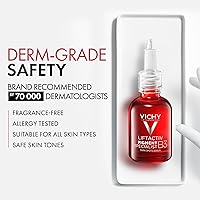
  • Completely fragrance-free and alcohol-free, making it genuinely accessible to reactive and sensitive skin types.
  • Tranexamic acid is a clinically recognized active for tackling stubborn, sun-triggered discoloration over consistent use.
  • The multi-layer exfoliant complex resurfaces skin texture without the abrasiveness of a traditional physical scrub.
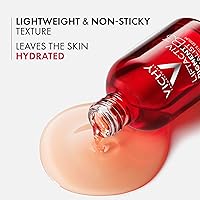
  • Lightweight, fast-absorbing texture layers cleanly under moisturizer or SPF without pilling or greasiness.
  • Dermatologist-tested and backed by Vichy's established pharmacy-brand credibility, not just marketing claims.
  • Can be applied across both face and neck, so you're not limited to treating a single localized area.
  • Buyers with mild-to-moderate dark spots and general dullness consistently report visible fading after four to six weeks of use.

Cons

  • Results on deep or hormonally driven melasma tend to be slow and modest — real-world outcomes fall short of dramatic.
  • The niacinamide concentration is listed differently on the front label versus the detailed ingredient breakdown, which creates unnecessary confusion.
  • Some users experience a mild purging phase in the first few weeks, most likely triggered by the glycolic acid content.
  • Price-to-volume ratio is a recurring complaint — comparable active ingredients are available in more affordable alternatives.
  • Meaningful results require at least eight weeks of daily consistency, which demands patience most buyers underestimate upfront.
  • Pump quality and packaging durability have drawn occasional criticism, with some users reporting inconsistent or sticky dispensing over time.
  • Should not be combined with retinoids or other high-strength AHAs without careful, gradual introduction to avoid over-exfoliation.
  • Those managing active skin conditions such as rosacea or eczema may find even this gentle formula too stimulating during flare-ups.

Ratings

The Vichy LiftActiv B3 Serum scored an aggregate 4.3 out of 5 across thousands of verified global buyer reviews, with our AI model actively filtering out spam, bot activity, and incentivized submissions to surface only authentic user experiences. The scorecards below capture both what this brightening serum does genuinely well and where real-world outcomes diverged from brand promises — no category was graded on marketing potential alone. Every score reflects the combined weight of evidence from buyers across all skin types, age groups, and concern levels.

Dark Spot Correction
76%
24%
Users dealing with mild sun spots and general dullness consistently reported visible fading after four to six weeks of daily use, with several noting their complexion looked noticeably more even-toned in natural light. The combination of tranexamic acid and niacinamide appears to be the real workhorse for surface-level discoloration.
For buyers with deeper or hormonally driven melasma, improvement was slower and less dramatic than expected — some reported minimal visible change even after the full eight-week window. This brightening serum works, but it sets its own pace, and that pace will not match everyone's expectations.
Ingredient Efficacy
88%
The active ingredient lineup — niacinamide, glycolic acid, tranexamic acid, and a peptide complex — is genuinely well-constructed for an over-the-counter formula. Buyers with a background in skincare ingredients frequently called out the layered approach as more sophisticated than most pharmacy-shelf serums in this price range.
The niacinamide percentage discrepancy between the front label (5%) and the detailed ingredient listing (closer to 8%) left some buyers confused and quietly questioning the formula's transparency. It does not undermine efficacy, but for an ingredient-savvy audience, that kind of inconsistency erodes confidence.
Texture & Absorption
91%
Day-to-day wearability is genuinely one of this formula's strongest suits — the lightweight, water-like consistency absorbs quickly without leaving any sticky residue, making it easy to fold into a morning routine before SPF. Multiple reviewers specifically mentioned it layered cleanly under their regular moisturizer without any pilling.
A small number of users with very dry or dehydrated skin found the lightweight texture insufficient on its own, noting they needed a richer moisturizer on top to feel adequately hydrated. For oily or combination skin types though, the finish was almost universally praised with very few complaints.
Skin Tolerance
93%
For people who have bounced between serums trying to find one that does not sting, flush, or break them out, the fragrance-free and alcohol-free formulation is a genuine relief. Reviewers with rosacea-prone and reactive skin specifically noted they could use this daily without triggering sensitivity flares.
A handful of first-time glycolic acid users reported a brief purging phase in the initial two to three weeks — minor breakouts or increased skin sensitivity that settled over time. It is worth noting this is a fairly common adjustment response to exfoliating actives, not a product defect in itself.
Value for Money
63%
37%
When you factor in the full active stack — tranexamic acid, glycolic acid, peptides, and niacinamide — all housed in a dermatologist-tested, fragrance-free base from an established pharmacy brand, the pricing begins to make more contextual sense. Buyers consolidating from multiple separate serums found the single-formula approach a practical and cost-neutral shift.
For buyers who primarily want niacinamide and do not need the full active complex, the Vichy B3 formula is difficult to defend on pure cost efficiency — solid single-ingredient alternatives exist at a fraction of the price. Volume-per-dollar is a recurring criticism in reviews, and it is a fair one.
Anti-Aging Performance
72%
28%
Reviewers who committed to the full eight-week routine generally reported a softer, more supple skin feel, with some noticing their fine lines appeared slightly less pronounced in surface texture. The peptide and multi-layer exfoliant combination drives surface renewal rather than deep structural correction, which is realistic for an OTC product.
Anti-aging improvements were more subtle than the brightening results — most buyers described fine line changes as modest and secondary rather than primary or dramatic. If wrinkle correction is your main goal rather than an incidental benefit, this discoloration-targeting serum may not be the most direct route.
Speed of Results
58%
42%
Users who stuck with the full eight-week protocol — daily use, correct layering order, SPF follow-up in the morning — generally reported the formula delivered on its core promise. At minimum, the structured timeline sets honest expectations upfront rather than making the kind of vague, open-ended claims common in this category.
Eight weeks is a long commitment, and for buyers accustomed to faster-acting treatments, the results timeline is a genuine sticking point. Several reviewers admitted they stopped using it before the window closed, making it hard to determine whether patience or the formula itself was the actual limiting factor.
Packaging & Dispensing
64%
36%
The compact footprint travels well and sits neatly in most medicine cabinets without taking up unnecessary shelf space. A pump format is broadly preferred over a dropper for hygiene and consistent dosing, and the majority of users found everyday dispensing straightforward during the initial weeks of use.
Pump consistency was a recurring complaint — some users reported inconsistent flow, dripping after pumping, or the mechanism becoming sticky and unreliable over time. For a product positioned at a mid-to-premium price point, this is exactly the kind of functional friction that leaves a lasting negative impression on the overall experience.
Scent Neutrality
96%
Being completely fragrance-free is a significant practical advantage for anyone layering this serum under makeup or SPF — no conflicting scent, no sensitization from synthetic perfume, and no lingering smell after absorption. This is one of the very few categories where the formula earned near-universal positive feedback across all skin types.
A small number of users noted the natural smell of the active ingredients — particularly the glycolic acid — came across as slightly clinical or chemical on first application. It dissipated quickly after absorption and never registered as a significant deterrent, but worth flagging for buyers with heightened scent sensitivity.
Layering Compatibility
82%
18%
Most users reported the formula slotted cleanly into their existing routines — sitting well under SPF and moisturizer without balling up or interfering with the next step. Skincare enthusiasts with multi-step routines particularly appreciated the lightweight base, which did not disrupt more complex layering sequences or cause product conflict.
Combining this brightening serum with other exfoliating actives — particularly retinoids or strong vitamin C — introduced friction for some users, resulting in mild redness or irritation that required scaling back. The formula works well in isolation but rewards more careful routine planning than a first-time active user might anticipate.
Brand Credibility
87%
Vichy's pharmacy-brand positioning carries meaningful weight for buyers who want more than a cosmetic label — the brand's long-standing clinical focus and dermatologist association give this formula a layer of institutional trust that purely lifestyle brands struggle to replicate. For skeptical, research-led buyers, that backing genuinely matters in the purchase decision.
Vichy operates as a commercial brand under the L'Oréal Group, and some buyers noted a gap between the clinical marketing tone and the ingredient transparency they would expect from a truly medical-grade product. The niacinamide percentage inconsistency is a small but visible crack in that otherwise credible armor.
Versatility
84%
Being approved for all skin types and designed for use across both face and neck gives this brightening serum a practical flexibility that narrower formulas lack. Users with combination skin especially appreciated being able to apply it across different facial zones without needing to adjust dosage or spot-target specific areas.
While the formula technically suits all skin types, buyers with very dry or mature skin found the active-forward, lightweight approach occasionally left them needing additional hydration support from a separate layer. It is not a complete standalone routine for everyone, even if the broader positioning implies otherwise.
Formula Transparency
57%
43%
The ingredient list does reveal a genuinely layered, multi-mechanism approach to brightening that goes beyond what most comparable serums disclose at a similar price point. For buyers who enjoy researching their skincare actives, the inclusion of tranexamic acid, the exfoliant complex, and Melasyl signals that real formulation thought went into this.
The niacinamide concentration mismatch — 5% on the label versus 8% cited in the ingredient notes — is the kind of detail that quietly undermines trust for informed buyers without a clear explanation from the brand. Shoppers who dig into specifics before purchasing are unlikely to find that ambiguity acceptable at this price.

Suitable for:

The Vichy LiftActiv B3 Serum is a strong fit for adults who are starting to notice the cumulative effects of sun exposure — fading dark spots, uneven patches, or a general dullness that a basic moisturizer no longer fixes. It's particularly well-suited to people who want to address both discoloration and early fine lines without building a complicated multi-step routine around several competing actives. Sensitive skin types that have had bad experiences with fragranced or alcohol-heavy formulas will appreciate how cleanly this one is constructed. It also appeals to buyers who want the reassurance of a dermatologist-tested, clinically positioned product from a pharmacy brand with genuine research behind it, rather than a trendy indie label. If you're dealing with post-acne marks or mild, sun-triggered melasma and you're prepared to commit to eight or more weeks of consistent daily use, this brightening serum has the ingredient depth to deliver meaningful improvement.

Not suitable for:

Anyone hoping for rapid or dramatic results on deep, hormonally driven melasma should temper expectations — that kind of discoloration typically requires prescription-strength treatments or professional procedures that no over-the-counter formula can replicate. Budget-conscious shoppers may also find better value elsewhere, since several well-regarded niacinamide serums exist at considerably lower price points, and if correcting tone is your only goal, the premium here may feel hard to justify. People already using retinoids or high-concentration AHAs should approach this Vichy LiftActiv B3 Serum with caution, since layering exfoliating actives significantly raises the risk of irritation and barrier disruption. First-time skincare buyers or anyone expecting quick, visible payoff within a week or two are likely to feel frustrated by the timeline this formula genuinely requires. And if your skin is currently compromised — active rosacea, an eczema flare, or a weakened barrier — introducing multiple actives simultaneously is rarely advisable, regardless of how gentle the formulation appears on paper.

Specifications

  • Key Actives: Formulated with niacinamide, glycolic acid, tranexamic acid, and a peptide complex targeting discoloration and early signs of aging.
  • Niacinamide Level: The product label references 5% niacinamide while the detailed ingredient listing cites 8%; both concentrations fall within the range clinically recognized for tone-evening and barrier support.
  • Exfoliant Complex: Contains a multi-layer peeling complex of HEPES, gluconic acid, and urea designed to resurface skin without physical abrasion.
  • Added Ingredients: Includes Melasyl and Rainbow Algae as supplementary brightening and skin-conditioning agents.
  • Skin Type: Formulated for all skin types, including sensitive and reactive skin.
  • Use Area: Intended for application on the face and neck.
  • Scent: Completely fragrance-free, with no added perfume or masking scents included in the formula.
  • Alcohol-Free: Contains no alcohol, reducing the risk of dryness or barrier disruption for compromised skin.
  • Dermatologist Tested: Clinically tested and verified by dermatologists as part of Vichy's standard product validation process.
  • Results Timeline: The brand cites eight weeks of consistent daily use as the benchmark for measurable visible improvement.
  • Primary Benefits: Targets dark spot fading, uneven skin tone correction, and early wrinkle smoothing within a single formula.
  • Manufacturer: Produced by Vichy, a pharmacy-focused skincare brand operating under the L'Oréal Group.
  • Package Size: Product packaging measures approximately 1.5 x 2.3 x 4.29 inches.
  • Item Weight: The packaged unit weighs 3.53 oz.
  • Category Rank: Ranked #562 in Facial Serums on Amazon at time of review, placing it within a competitive mid-to-premium market segment.

Related Reviews
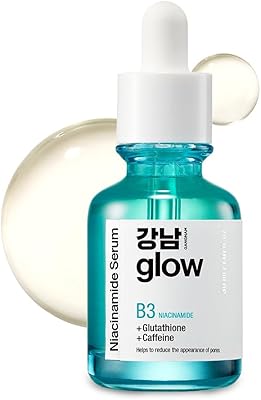
Gangnam Glow Niacinamide B3 Face Serum 30ml
78%
68%
Pore Minimizing Effect
84%
Skin Brightening & Tone Evening
89%
Texture & Absorption
81%
Sensitivity & Irritation Risk
77%
Value for Money
More
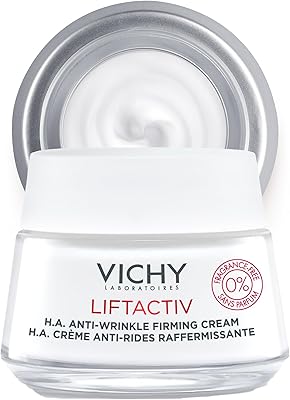
Vichy LiftActiv H.A. Anti-Wrinkle Firming Cream 50mL
87%
88%
Effectiveness in Reducing Wrinkles
91%
Skin Hydration
85%
Texture & Absorption
87%
Improvement in Skin Firmness
93%
Suitability for Sensitive Skin
More
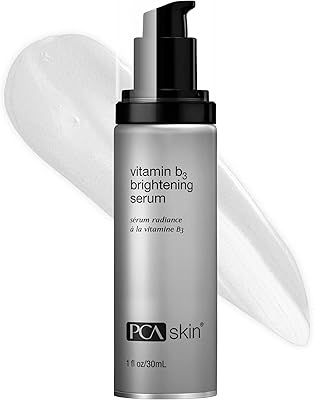
PCA SKIN Vitamin B3 Brightening Serum 1oz
77%
83%
Brightening Efficacy
91%
Texture & Absorption
78%
Redness Reduction
58%
Value for Money
74%
Anti-Aging Performance
More
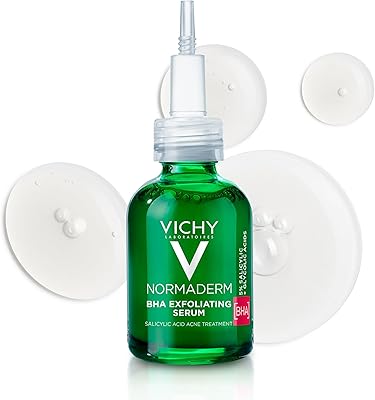
Vichy Normaderm BHA Exfoliating Serum, 1.01 Fl. Oz
84%
91%
Effectiveness in Treating Acne
88%
Gentle Exfoliation
85%
Skin Compatibility for Sensitive Skin
84%
Absorption and Finish
89%
Value for Money
More
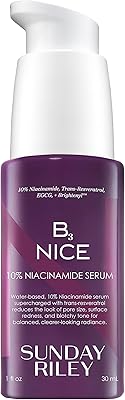
Sunday Riley B3 Nice Niacinamide Serum 1oz
78%
82%
Brightening Efficacy
84%
Redness Reduction
91%
Texture & Absorption
58%
Value for Money
88%
Sensitive Skin Tolerance
More
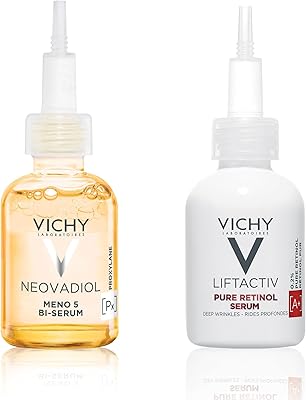
Vichy Neovadiol Menopause Anti-Aging Serum 1.01oz
76%
83%
Efficacy for Hormonal Skin Changes
76%
Wrinkle Reduction
68%
Dark Spot Correction
91%
Texture & Absorption
54%
Value for Money
More
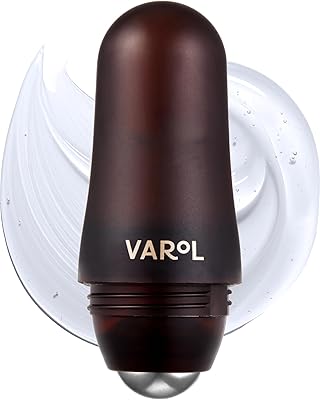
Ice Roll Serum Cooling & Hydrating Roll-On Serum
87%
88%
Effectiveness for Puffiness
94%
Ease of Use & Application
91%
Cooling Sensation
89%
Gentleness on Sensitive Skin
84%
Hydration & Firming Effect
More
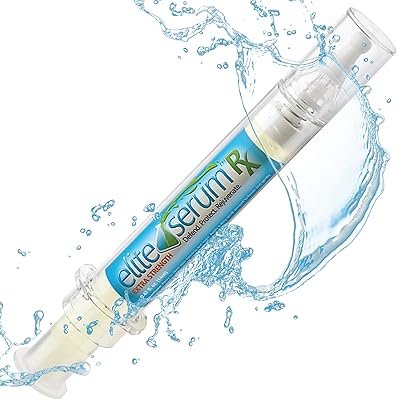
SkinPro Elite Serum Rx 0.47oz Eye Serum
76%
88%
Peptide Formula Depth
83%
Puffiness Reduction
76%
Wrinkle & Fine Line Impact
61%
Dark Circle Improvement
82%
Texture & Absorption
More
Jaxon Lane SUPER SERUM Anti Aging Serum 1oz
85%
89%
Effectiveness in Reducing Fine Lines
85%
Skin Texture Improvement
91%
Absorption & Finish
80%
Gentleness for Sensitive Skin
88%
Hydration & Moisture Lock
More
Repechage C Serum Face Serum 50ml
80%
91%
Texture & Absorption
88%
Ingredient Quality
86%
Hydration Performance
79%
Brightening & Glow
72%
Anti-Aging Efficacy
More

FAQ

Yes, and it is one of the cleaner formulas in this category for that purpose. It is both fragrance-free and alcohol-free, which are two of the most common irritants found in brightening serums. It is also dermatologist-tested, which adds a meaningful layer of validation. That said, if your skin barrier is currently compromised or you are in an active flare, introduce any new active ingredient slowly regardless of how gentle the formula is marketed to be.

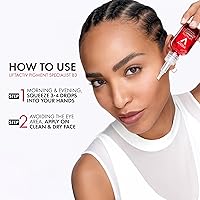
This brightening serum can fit into either a morning or evening routine, but if you are new to glycolic acid, starting with evenings only is the smarter approach. AHAs increase sun sensitivity, so a broad-spectrum SPF in the morning is non-negotiable if you use it during the day. Once your skin has adjusted over a couple of weeks, you can decide whether adding it to your morning routine makes sense.

Most users start noticing improved radiance and texture somewhere around weeks four to six. For actual dark spot fading, eight weeks is the more honest minimum to set as a baseline expectation. If you are dealing with deeper or hormonally driven melasma, progress will likely be slower and more incremental than the packaging implies, and patience is genuinely required.

Combining this Vichy B3 formula with a retinoid on the same night is generally not recommended — glycolic acid and retinol together significantly raise the risk of irritation and over-exfoliation. A safer approach is to alternate nights or use one ingredient in the morning and the other in the evening. Vitamin C tends to be more compatible with this formula, but patch-testing first is always a good habit.

This is a genuine source of confusion, and it stems from how Vichy has communicated the formula across different parts of the listing. The front label references 5%, while the detailed ingredient breakdown cites 8%. Both concentrations sit within the effective range for niacinamide, so either way you are getting a meaningful dose. It is a labeling inconsistency worth flagging, but not a reason for concern about the formula itself.

It is reasonably well-suited for both, but post-inflammatory hyperpigmentation — the flat, brownish marks that linger after breakouts — tends to respond particularly well to niacinamide and tranexamic acid over time. Results will not be instant, but consistent use over six to eight weeks typically shows visible lightening for surface-level marks. Deeper scarring with texture changes is a different matter and usually requires more targeted clinical intervention.

This is a question better directed to your OB-GYN or dermatologist than to a product review. Glycolic acid and tranexamic acid both fall into ingredient categories that some practitioners advise limiting or avoiding during pregnancy. Niacinamide and peptides are generally regarded as lower-risk, but the overall formula warrants a direct conversation with your healthcare provider before you start using it.

Based on typical usage patterns of two to four pumps per application, most users find a standard bottle lasts somewhere between four and eight weeks. That is a meaningful factor to weigh when thinking about the ongoing cost of keeping this discoloration-targeting serum as a daily staple in your routine.

Most users report a clean, smooth layering experience. The texture is lightweight and absorbs fairly quickly, so giving it a minute before applying anything on top generally prevents pilling. Results can vary depending on the other products in your routine, particularly if you use a silicone-heavy primer or a very thick moisturizer on top.

That depends on what you are optimizing for. If niacinamide alone is the goal, there are solid, affordable options that do the job well. What this formula adds is a more layered active stack — glycolic acid, tranexamic acid, and peptides — housed within a dermatologist-tested, fragrance-free base that is genuinely thoughtful for sensitive skin. Whether that combination justifies the cost premium comes down to how much you value formulation depth and clinical credibility over straightforward cost efficiency.