Overview

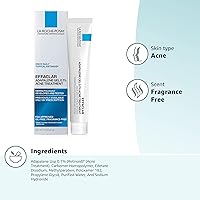
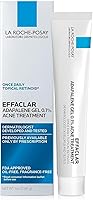
La Roche-Posay Effaclar Adapalene 0.1% Acne Gel brings a formerly prescription-only retinoid ingredient into over-the-counter reach — and that matters more than it might sound. Adapalene spent years as a dermatologist-prescribed treatment before gaining OTC status, and this gel occupies a useful middle ground: more clinically serious than a drugstore salicylic acid wash, yet accessible without a doctor's visit. The oil-free, unscented formula is intentionally stripped back to reduce compounding irritation during the retinoid adjustment period. One honest caveat up front: results take time. Expect a realistic 8–12 week commitment, and don't be surprised if your skin temporarily worsens before it improves — that's a normal part of the process.
Features & Benefits

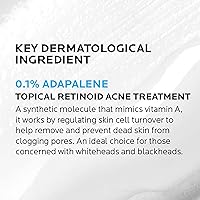
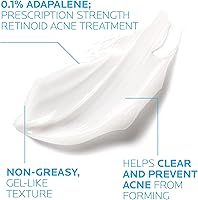
At the core of this adapalene gel is a 0.1% adapalene concentration — the exact dose studied in clinical trials for normalizing skin cell turnover and keeping pores clear. It works on two fronts: clearing existing blackheads, whiteheads, and papules while simultaneously blocking new ones from forming. The lightweight gel texture absorbs quickly and layers cleanly under a moisturizer, which you will genuinely need. Once-daily use, typically at night to sidestep UV sensitivity, keeps the routine manageable. The 45g tube is a practical size, noticeably larger than many competitors. No fragrance, no pore-clogging ingredients — just a clean, focused formula.

Best For

This over-the-counter retinoid makes the most sense for adults who have already worked through the basic acne toolkit — benzoyl peroxide, salicylic acid — and still can't get their skin under control. It's also a solid entry point for retinoid newcomers who want clinical credibility without jumping straight to a prescription tretinoin. Comedonal acne specifically — the kind that shows up as clogged pores and persistent blackheads rather than deep, inflamed cysts — responds particularly well here. Fragrance-sensitive skin types will appreciate the clean formulation. That said, pregnant individuals and those with rosacea or highly reactive skin should speak to a dermatologist before starting.

User Feedback

The pattern across long-term reviews is consistent: people who stick with the Effaclar retinoid treatment through the first few rough weeks tend to come out with noticeably refined pores and fewer blackheads. Early dryness and flaking are the most common initial complaints — not a product flaw, just adapalene doing its job while skin adjusts. Seasoned users recommend buffering: apply a light moisturizer first, wait a few minutes, then apply the gel. Morning sunscreen is non-negotiable. The main criticism is price relative to tube volume. Even so, a substantial share of buyers are on their third or fourth purchase, treating it as a long-term maintenance staple rather than a one-time fix.

Pros

  • Adapalene 0.1% is a clinically validated concentration with decades of research behind it.
  • Tackles both active blackheads and whiteheads while helping prevent new blemishes from forming.
  • Oil-free gel texture layers cleanly under moisturizer without pilling or greasiness.
  • Fragrance-free formula reduces the risk of compounding irritation on already stressed skin.
  • Once-daily application makes it easy to build into an existing evening routine.
  • 45g tube provides a generous supply relative to many competing retinoid formats.
  • Non-comedogenic — it will not undo its own work by clogging pores.
  • Long-term repurchase rate among reviewers suggests real, sustained results over time.
  • Accessible over the counter, bypassing the time and cost of a prescription visit.

Cons

  • An initial purge phase — increased breakouts and flaking in the first 2–4 weeks — catches many users off guard.
  • Results require a minimum 8–12 week commitment; impatient users often quit too early.
  • Retinoids increase sun sensitivity, so daily SPF becomes a non-negotiable added step and cost.
  • The price point is noticeably higher than generic adapalene options sold at pharmacy chains.
  • Not a standalone solution for cystic or hormonal acne, which typically needs additional treatment.
  • Some users with dry or sensitive skin report persistent flaking that does not fully resolve.
  • The slim tube format can make it tricky to dispense the last portion without wasting product.
  • No built-in moisturizing agents — a separate hydrating product is genuinely necessary, not optional.

Ratings

The scores below for La Roche-Posay Effaclar Adapalene 0.1% Acne Gel were generated by our AI after analyzing thousands of verified global purchases, actively filtering out incentivized, bot-generated, and duplicate reviews to reflect only genuine buyer experiences. The results capture both what users genuinely appreciate and the recurring frustrations that show up across skin types and routines. Nothing has been softened — the tradeoffs are as visible as the strengths.
Acne-Clearing Efficacy
88%
Users who stuck with the Effaclar retinoid treatment for a full 8–12 week cycle consistently reported a meaningful reduction in blackheads, whiteheads, and overall congestion. Many described it as the first product that actually addressed the root of their breakouts rather than just treating surface symptoms.
Results are heavily contingent on consistency and patience — users who quit during the purge phase skewed ratings downward unfairly, but those with deeper cystic acne also reported limited benefit, suggesting efficacy has real boundaries depending on acne type.
Skin Tolerance & Irritation Risk
71%
29%
The fragrance-free, oil-free base formula earns genuine praise from users with reactive skin who found most other retinoids too harsh to sustain. Those who buffered with a moisturizer and started on an every-other-night schedule reported a manageable adjustment period.
A significant portion of reviewers experienced dryness, redness, and peeling during weeks one through three, with some describing it as disruptive to their daily appearance. Users with rosacea or a compromised skin barrier reported ongoing irritation that did not fully subside even after the standard adjustment window.
Pore Refinement
83%
This is arguably the strongest use case for this over-the-counter retinoid, with repeated praise for its effect on the small, skin-colored bumps and persistent blackheads that other products never quite resolved. Users with comedonal acne specifically noted visible texture improvement after consistent use.
Improvement in pore appearance is gradual and requires sustained use to maintain — several long-term users noted that pores returned to their previous state within weeks of stopping, making this more of a maintenance commitment than a permanent fix.
Texture & Absorption
91%
The lightweight gel format absorbs quickly without leaving a tacky, greasy, or heavy residue, which users in humid climates and those with oily skin particularly appreciated. It layers cleanly under a moisturizer without pilling, making it easy to integrate into an existing evening routine.
A small number of users with very dry skin found the gel base insufficient on its own and needed a richer moisturizer on top than they had anticipated. A handful noted slight tightness after application on nights when they skipped the buffer moisturizer step.
Value for Money
66%
34%
Compared to prescription retinoids, the cost-to-access trade-off is genuinely favorable — no co-pay, no appointment, and a 45g tube that lasts several months at the recommended pea-sized daily dose. Users who had previously paid prescription prices viewed the price as very reasonable.
Buyers comparing it to generic store-brand adapalene options at a fraction of the price questioned whether the La Roche-Posay branding justifies the premium, since the active ingredient is identical. Some users also felt the tube emptied faster than expected when accounting for waste near the end.
Ease of Use
89%
Once-daily application at night is about as simple as it gets — no mixing, no timing windows, and no complicated layering rules beyond keeping it away from other strong actives. Users new to retinoids appreciated that the routine guidance was straightforward and did not require much trial and error.
The dispensing mechanism on the tube can be finicky toward the end of the product, and several users noted difficulty extracting the last usable portion without cutting the tube open. First-time retinoid users occasionally felt under-informed about SPF requirements until they researched it independently.
Speed of Visible Results
57%
43%
Users who approached this adapalene gel with realistic expectations — committing to a full 10–12 week trial — reported genuine satisfaction with the long-term payoff in clearer, more refined skin. Those tracking progress with photos were more likely to notice incremental improvements they might otherwise have missed.
The slow onset is the single most common source of disappointment in reviews, with many users abandoning the product in the first month before adapalene has had time to work. The purge phase that often precedes results is discouraging enough that a meaningful percentage of users never reach the point where the benefits materialize.
Packaging & Portability
74%
26%
The slim, lightweight tube fits easily into a toiletry bag or medicine cabinet without taking up significant space, and the compact dimensions make it reasonable to pack for travel. The tube design dispenses a controlled amount, which helps prevent overuse.
Several users noted the tube can dent or warp under pressure in a packed bag, and the opaque format makes it hard to gauge how much product remains. The minimalist packaging, while clean, offers no built-in usage guidance for first-time retinoid users who could benefit from printed instructions.
Blackhead & Whitehead Reduction
86%
This is a category where the Effaclar retinoid treatment consistently outperforms surface-level exfoliants in long-term user comparisons, with many reviewers specifically noting that blackheads on the nose and chin that had persisted for years began visibly clearing after 6–8 weeks of use.
Results for whiteheads and closed comedones were more variable than for open blackheads, with some users seeing slower progress on those specific blemish types. Users who expected complete eradication rather than substantial reduction sometimes left disappointed despite genuine visible improvement.
Compatibility with Skincare Routine
69%
31%
For users running a simple cleanse-treat-moisturize evening routine, this over-the-counter retinoid slots in without complication. The fragrance-free, neutral base plays well alongside most basic moisturizers and gentle cleansers without causing unexpected reactions.
Users with more complex routines involving vitamin C, AHAs, BHAs, or niacinamide frequently reported confusion about what to combine and when, with some experiencing unexpected irritation from ingredient conflicts. The product itself offers no guidance on this, which is a real gap for informed but inexperienced skincare enthusiasts.
Long-Term Skin Maintenance
84%
A notable share of repeat buyers cited this adapalene gel as a permanent part of their maintenance routine rather than a short-term intervention, which speaks strongly to real-world trust in its sustained effectiveness. Users reported that once skin had adjusted, ongoing use kept breakouts largely in check month after month.
The ongoing cost of repurchasing at this price point was flagged by budget-conscious users as a long-term concern, particularly given the need to simultaneously invest in SPF and a quality moisturizer. A few long-term users also noted diminishing returns after extended use, requiring dermatologist consultation to reassess.
Suitability for Retinoid Beginners
78%
22%
Compared to prescription-strength tretinoin, this is a considerably gentler on-ramp into retinoid use, and many first-time users appreciated having a pharmacy-accessible option to start their retinoid journey without the intensity of a higher-concentration product.
Despite being the gentler option, a portion of first-time users were still caught off guard by the adjustment period and had no prior context for what a retinoid purge looks and feels like. Better in-box education or printed guidance would meaningfully reduce early abandonment among this user group.
Formulation Cleanliness
93%
The absence of fragrance, dyes, and comedogenic fillers is consistently praised by ingredient-conscious buyers who cross-reference formulations before purchasing. Users with contact allergies or fragrance sensitivities specifically called out the clean ingredient list as a deciding factor.
A small subset of users still reported unexpected sensitivity to inactive ingredients in the base formula despite the clean profile, suggesting that even a stripped-back formulation is not universally tolerated. Those with extremely reactive skin still noted some stinging on initial application.

Suitable for:

La Roche-Posay Effaclar Adapalene 0.1% Acne Gel is best suited for adults who have genuinely exhausted the basics — regular cleansing, benzoyl peroxide, salicylic acid — and still find themselves battling persistent blackheads, clogged pores, or recurring breakouts. It hits a practical sweet spot for people who want a clinically backed retinoid without navigating a dermatologist appointment or prescription costs. First-time retinoid users will find the 0.1% concentration a reasonable starting point, especially given the oil-free, fragrance-free formula that keeps unnecessary irritants out of the equation. It particularly shines for comedonal acne — the kind that shows up as a constant texture of clogged, bumpy pores rather than deep cystic inflammation. Anyone committed to a consistent, long-term skincare routine and realistic about an 8–12 week timeline before seeing meaningful results will get the most out of this treatment.
Not suitable for:

This over-the-counter retinoid is not a good fit for anyone expecting fast, dramatic results — adapalene is a slow, structural fix, not an overnight spot treatment, and impatient users routinely abandon it before it has had time to work. Pregnant or breastfeeding individuals should avoid it entirely, as retinoids are contraindicated during pregnancy regardless of concentration. People with rosacea, eczema, or chronically sensitized skin face a real risk of prolonged irritation and should consult a dermatologist before starting. Those dealing primarily with deep, cystic acne may find this adapalene gel underwhelming on its own, since that type of breakout often requires a more targeted or combination prescription approach. Budget-conscious buyers should also weigh the ongoing cost, as effective use requires pairing with a good moisturizer and daily broad-spectrum SPF — neither of which is optional.

Specifications

  • Active Ingredient: Contains adapalene at a 0.1% concentration, the clinically studied retinoid dose approved for over-the-counter acne treatment.
  • Product Form: Formulated as a lightweight, fast-absorbing gel rather than a cream or lotion, making it suitable for oily and combination skin types.
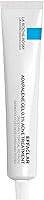
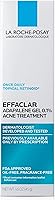
  • Net Weight: Each tube contains 45g (1.58 oz) of product, offering a larger supply than many competing retinoid formats.
  • Dimensions: The tube measures 1.5 x 1.97 x 7.17 inches, making it compact enough to store in a medicine cabinet or travel bag.
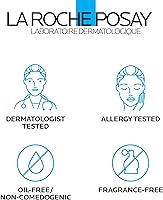
  • Scent Profile: Completely unscented; no added fragrance or masking agents, reducing the risk of irritation for sensitive skin.
  • Skin Type: Developed specifically for acne-prone skin, including oily, combination, and congestion-prone complexions.
  • Application Frequency: Intended for once-daily use, applied in the evening to clean, dry skin as part of a nighttime skincare routine.
  • Comedogenic Rating: Non-comedogenic formulation, meaning the ingredients are selected to avoid blocking or enlarging pores during use.
  • Oil Content: Completely oil-free formula, which helps prevent excess shine and makes it compatible with oily or acne-prone skin types.
  • Primary Targets: Clinically designed to address blackheads, whiteheads, clogged pores, and inflammatory acne blemishes through regular use.
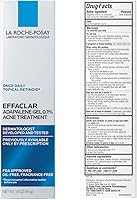
  • Prescription Status: Adapalene 0.1% is approved for over-the-counter sale, meaning no prescription or dermatologist visit is required to purchase.
  • Brand & Line: Manufactured by La Roche-Posay under their Effaclar product line, which is specifically developed for acne-prone and oily skin.
  • Testing Standard: Dermatologist tested and developed in collaboration with healthcare professionals to meet clinical safety and efficacy standards.
  • Expected Onset: Visible improvement in blackheads and pore congestion is typically observed after 8 to 12 weeks of consistent nightly use.
  • Compatibility: Should not be combined in the same application with other potentially irritating actives such as benzoyl peroxide, AHAs, or BHAs without professional guidance.

Related Reviews
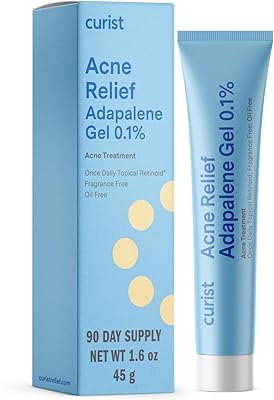
Curist Adapalene 0.1% Acne Gel
84%
87%
Effectiveness in Reducing Acne
72%
Skin Sensitivity & Irritation
85%
Long-Term Results
90%
Ease of Application
80%
Texture & Feel on Skin
More
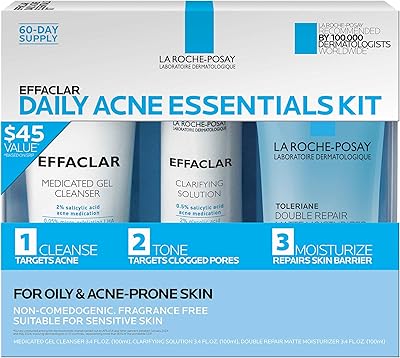
La Roche-Posay Effaclar Daily Acne Essentials Kit
79%
83%
Acne Reduction Effectiveness
79%
Skin Texture Improvement
91%
Moisturizer Performance
67%
Toner Tolerability
74%
Cleanser Gentleness
More
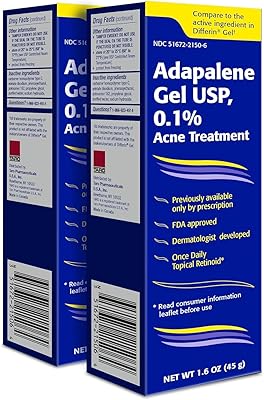
Taro Adapalene 0.1% Gel 3.2oz
86%
87%
Effectiveness for Acne
92%
Skin Compatibility & Sensitivity
85%
Gentleness & Irritation
89%
Prevention of Future Breakouts
80%
Absorption & Finish
More
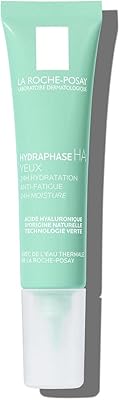
La Roche-Posay Hydraphase Intense Hyaluronic Acid Eyes 0.5oz
87%
91%
Hydration Effectiveness
88%
Puffiness Reduction
94%
Skin Compatibility (Sensitive Skin)
85%
Absorption and Finish
95%
Fragrance-Free Formula
More
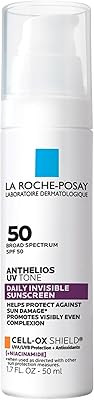
La Roche-Posay Anthelios UV SPF 50 Sunscreen
82%
93%
Texture & Absorption
91%
White Cast Performance
89%
Makeup Compatibility
86%
Formula Targeting (Actives Efficacy)
88%
Sensitive Skin Tolerance
More
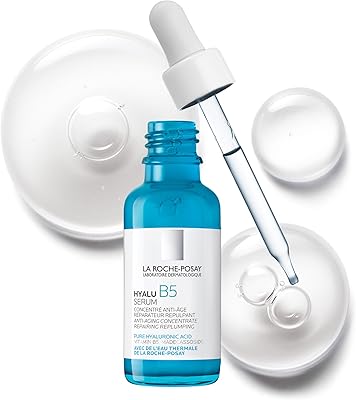
La Roche-Posay Hyalu B5 Hyaluronic Serum 30ml
80%
91%
Hydration Performance
93%
Skin Sensitivity Tolerance
88%
Texture & Absorption
82%
Visible Plumping Effect
67%
Value for Money
More
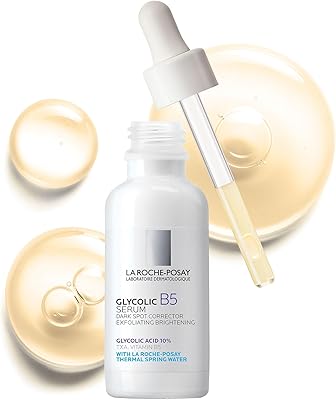
La Roche-Posay Glycolic Acid Kojic Serum 1oz
77%
78%
Brightening Efficacy
83%
Skin Texture Improvement
86%
Tolerability on Sensitive Skin
88%
Texture & Absorption
84%
Formula Ingredient Quality
More
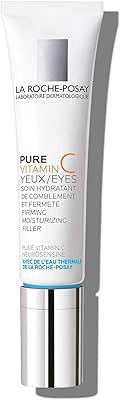
La Roche-Posay Redermic C 15ml Eye Cream
75%
83%
Formula Efficacy
91%
Texture & Absorption
88%
Skin Tolerance & Gentleness
62%
Value for Money
86%
Ingredient Quality
More
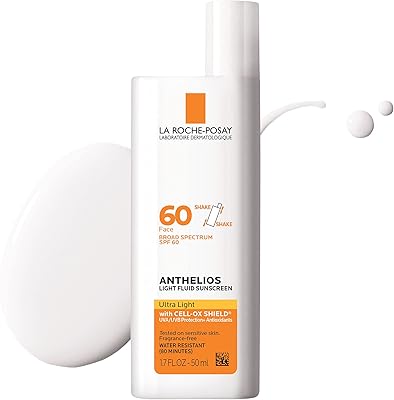
La Roche-Posay Anthelios Light Fluid Facial Sunscreen SPF 60, Travel Size 1.7oz
87%
92%
Sun Protection Effectiveness
88%
Texture and Feel
90%
Skin Compatibility
85%
Oil-Free Formula Performance
87%
Packaging and Size Convenience
More
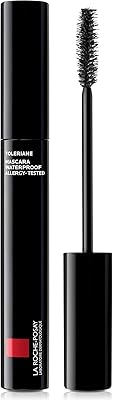
La Roche-Posay Toleriane Waterproof Mascara
75%
93%
Eye Safety & Gentleness
84%
Waterproof Performance
88%
Ease of Removal
61%
Volume & Lash Impact
91%
Contact Lens Compatibility
More

FAQ

Realistically, most users start noticing a meaningful difference in blackheads and overall skin texture between weeks 8 and 12. The first few weeks can actually look worse before they improve, thanks to a purge phase where cell turnover accelerates and clears out congestion already sitting under the skin. Patience is genuinely the most important part of the process.

That reaction is extremely common and not a sign the product is wrong for you. Adapalene speeds up how quickly your skin cells turn over, and that adjustment period often causes temporary dryness and peeling in the first two to four weeks. The standard workaround is to apply a gentle moisturizer before the gel to create a buffer, or to use the treatment every other night until your skin builds tolerance. Most users find it settles down considerably by week three or four.

Evening use is strongly recommended. Adapalene increases your skin's sensitivity to UV radiation, so applying it at night and following up with a broad-spectrum SPF every morning is the standard and safest approach. Skipping the SPF step while using any retinoid is a real way to undo your progress and cause additional skin damage.

Vitamin C and adapalene can technically coexist in a routine, but you should keep them separated — vitamin C in the morning, adapalene at night. Using both at the same time can destabilize the vitamin C and cause unnecessary irritation. As long as they are in different steps of your routine, most users do not experience conflicts.

Yes, that type of textural congestion — often called comedonal acne or fungal acne-like bumps — is actually one of the strongest use cases for this over-the-counter retinoid. Adapalene works by preventing the buildup of dead skin cells inside the pore, which is the root cause of those persistent, non-inflamed bumps. It takes consistent use over several weeks, but many users report significant clearing of that texture.

It depends on the kind of sensitivity you are dealing with. If your skin reacts to fragrance, dyes, or harsh surfactants, you will likely tolerate this well since the formula is fragrance-free and stripped back. If you have rosacea, eczema, or a compromised skin barrier, the retinoid itself can be genuinely irritating and a dermatologist consultation first is a smart move. Starting with every-other-night application and a good barrier-repair moisturizer significantly reduces the risk of a bad reaction.

A pea-sized amount is enough to cover the entire face. Using more does not speed up results and will increase your likelihood of irritation and flaking. Apply it in small dots across the forehead, cheeks, and chin, then blend gently rather than rubbing it in aggressively.

The active ingredient and concentration are identical — 0.1% adapalene is exactly what has been prescribed under brand names like Differin for years. The main practical differences are cost, accessibility, and sometimes the inactive ingredients in the base formula. For most people with mild-to-moderate acne, the over-the-counter version performs the same way as the prescription version once did.

You can use them together, and in fact you should. The most comfortable approach is to apply a lightweight moisturizer first, let it absorb for a minute or two, then apply the adapalene gel on top — this is called buffering and it significantly reduces dryness without blocking the retinoid from doing its job. Alternatively, apply the gel first and moisturize on top once it has absorbed.

It is one of the more beginner-friendly entry points into retinoids, given the 0.1% concentration, the clean fragrance-free base, and the once-daily format. That said, no retinoid is entirely free of an adjustment period, so start slowly — every other night for the first few weeks — and make sure you have a solid moisturizer and daily SPF already in your routine before you begin. Going in without those two things in place makes the experience unnecessarily rough.

Where to Buy