


Overview

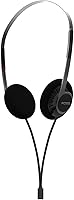
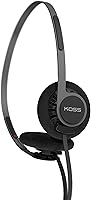
The Koss KPH40 Utility is one of those rare budget headphones that carries real credibility behind it — Koss has been making audio gear since 1958, and that history shows in how these are built. The retro industrial look divides opinion, but the stainless steel headband keeps the whole thing remarkably light while holding up to daily use. What really sets these on-ears apart is the detachable cord system, letting you swap between 3.5mm, USB-C, and Lightning cables depending on what you're plugging into. Since launching in late 2021, they've quietly developed a devoted following in hobbyist audio circles — a strong signal they're doing something right.

Features & Benefits

The open-back design is the headline feature here. At this price, most headphones are closed-back, which can make the soundstage feel compressed and artificial. These on-ears present music with a noticeably wider, more natural spread — instruments have room to breathe. The dynamic drivers cover 15 to 25,000 Hz and produce a level of clarity that genuinely surprises. Worth noting: the 60-ohm impedance means plugging straight into a phone works, but pair them with a small DAC or amp and the improvement is real. At just under four ounces, extended listening sessions stay comfortable, and the replaceable foam cushions make long-term ownership practical.

Best For

These on-ears suit anyone working from home who wants background music without completely blocking out their surroundings — the open-back design keeps you aware of what's happening around you. They're also a strong pick for beginner audiophiles curious about open-back sound but not ready to spend serious money to find out if they like it. The multi-cable utility system makes them particularly useful for people who jump between a MacBook, an iPhone, and an Android device throughout the day. One honest caveat: if you need headphones for commuting or a shared office, this Koss headphone leaks enough audio to bother people nearby.

User Feedback

Buyers tend to come away impressed. Sound quality is the most common point of praise — many describe it as exceeding expectations, with particular appreciation for the open, spacious presentation. Comfort also draws consistent positive comments; the light clamping force means these on-ears can be worn for hours without fatigue. On the critical side, a handful of users mention the cord connection feeling less secure after extended use, and the retro styling earns its share of skepticism from buyers expecting a more contemporary look. A few enthusiasts note that pairing with a DAC meaningfully improves performance, worth knowing before assuming these work optimally straight from a phone.

Pros

  • Open-back soundstage at this price is genuinely rare — music feels spacious and natural rather than boxed in.
  • The stainless steel headband keeps total weight under four ounces, making hours-long wear surprisingly comfortable.
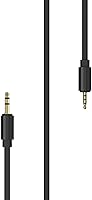
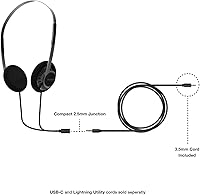
  • Detachable utility cord system supports 3.5mm, USB-C, and Lightning — one headphone works across virtually every device.
  • Foam ear cushions are replaceable, which extends the practical lifespan well beyond typical budget headphones.
  • Koss brand heritage means these on-ears are backed by a manufacturer with real audio engineering experience.
  • Sound quality consistently surprises buyers expecting budget-tier performance — detail retrieval is a genuine strength.
  • Light clamping force makes these comfortable even for users who find most on-ear headphones too tight after an hour.
  • The retro aesthetic stands out from the sea of identical black plastic headphones flooding the budget market.
  • Pairing with even a modest DAC noticeably improves dynamics and low-end presence for buyers willing to invest slightly more.
  • Multi-device users save real hassle daily — no adapter hunting, no compatibility headaches, just swap the cable.

Cons

  • Audio leaks freely to everyone nearby — not a minor issue, a genuine dealbreaker in shared spaces.
  • The 2.5mm utility connector can develop a slightly loose feel over months of regular cable swapping.
  • Stock foam ear pads compress and show wear relatively quickly under daily use.
  • No carrying case and no folding mechanism make these awkward to transport safely in a bag.
  • Bass response is lean by design — buyers who prioritize low-end impact will feel underserved.
  • Driving these properly from a smartphone alone often produces underwhelming results due to the 60-ohm impedance.
  • The retro styling divides opinion sharply — some buyers find it looks cheap rather than vintage.
  • No water or sweat resistance makes these unsuitable for exercise or outdoor use in unpredictable conditions.
  • Headband adjustment points on some units develop an audible creak over time with regular daily handling.

Ratings

The Koss KPH40 Utility scored across 12 distinct categories after our AI engine processed verified buyer reviews from global markets, actively filtering out incentivized, spam, and bot-generated submissions. These scores reflect honest consensus — where these on-ears genuinely impress and where real buyers have run into frustration. Both sides are represented transparently below.

Sound Quality
88%
For the price tier, the open-back soundstage these on-ears produce is genuinely rare. Buyers who listen to acoustic, jazz, or classic rock consistently report a spacious, detailed presentation that makes music feel less processed and more alive during long home listening sessions.
The 60-ohm impedance means output from a phone alone can feel slightly thin or lacking in dynamics. Users who plugged directly into a laptop or smartphone without amplification occasionally noted the low end felt underdeveloped compared to what the drivers are actually capable of.
Comfort & Fit
86%
At just under four ounces, these on-ears sit on the head so lightly that many buyers forget they are wearing them during multi-hour work-from-home sessions. The foam cushions are soft enough that even wearers with glasses report minimal discomfort after extended periods.
On-ear designs inherently press against the ear rather than surrounding it, and a small number of buyers with larger ears found the fit less comfortable after the one-hour mark. The foam pads, while replaceable, are thin enough that some users felt the driver housing itself after prolonged wear.
Build Quality
82%
18%
The stainless steel headband is a genuine differentiator at this price — it resists bending and warping far better than the plastic frames found on most competing budget headphones. The retro construction feels intentionally durable rather than disposable.
The plastic ear cups and overall chassis feel lightweight in a way that occasionally reads as fragile rather than refined. A few buyers reported small creaking sounds from the headband adjustment points after several months of daily use, suggesting long-term durability is good but not exceptional.
Detachable Cable System
91%
The utility connector approach is one of the most practical features on any headphone in this price range. Buyers who switch between an iPhone, an Android device, and a laptop throughout the day appreciate being able to swap cables in seconds rather than carrying adapters.
A recurring complaint among longer-term owners is that the 2.5mm utility connection point can develop minor play over time, resulting in a slightly loose feel at the headphone end of the cable. It rarely affects audio quality but feels less reassuring than a tight, secure connection should.
Value for Money
93%
Across user feedback, this is the single most praised dimension. Buyers repeatedly describe the listening experience as belonging to a higher price bracket, which drives strong satisfaction among anyone who researched open-back headphones before purchasing and expected to spend significantly more.
The value case weakens slightly if you factor in the cost of a DAC or small amplifier to drive the 60-ohm drivers properly. Buyers who assumed this Koss headphone would perform at its ceiling straight from a phone sometimes felt underwhelmed until they understood the impedance trade-off.
Soundstage & Imaging
89%
Open-back designs inherently produce more realistic spatial audio, and these on-ears use that architecture well. Listeners describe instrument separation as surprisingly precise — useful not just for casual listening but also for light recording or monitoring tasks at home.
Because the soundstage is wide and airy, bass presence is more restrained than what closed-back headphones at this price typically deliver. Buyers who primarily listen to hip-hop or EDM and expect a full, punchy low end often find the tuning too lean for their preferences.
Cable Quality & Length
71%
29%
The included 4-foot cable is a practical length for desktop or stationary home use, long enough to reach most setups without creating excess slack. The braided texture on the included utility cord feels more durable than bare plastic cables typically found at this price.
Several buyers found 4 feet limiting for couch or bed listening, where a 6-foot cable would provide more freedom of movement. The cable is also not tangle-resistant, and a handful of users reported minor microphonics — cable noise transmitting as sound — when moving around with these on-ears.
Noise Isolation
31%
69%
The absence of isolation is not always a drawback — buyers working from home who need to stay aware of their environment, take calls, or hear a doorbell actively prefer the open design. For that specific use case, the natural bleed-in of ambient sound feels like a feature rather than a flaw.
This is the single biggest dealbreaker for the wrong buyer. The open-back design leaks audio at a volume clearly audible to anyone nearby, making these on-ears entirely unsuitable for offices, public transport, libraries, or any shared environment where sound bleed would disturb others.
Design & Aesthetics
67%
33%
The retro industrial look appeals strongly to a specific buyer — fans of vintage audio gear, 1970s-era headphones, and classic hardware aesthetics find these on-ears visually distinctive in a market full of glossy black plastic. The Stealth Black colorway keeps it understated.
For buyers expecting a contemporary product design, these look outdated in a way that some describe as charming and others describe as cheap. The polarized reaction to the styling is real, and buyers who prioritize modern aesthetics may feel self-conscious wearing them in public.
Weight & Portability
78%
22%
The ultra-light stainless steel frame makes these on-ears easy to toss in a bag without adding meaningful weight to a daily carry. The low mass also contributes directly to the comfort advantage — there is simply less pressing down on the head during long sessions.
These on-ears are not collapsible and lack a carrying case, which limits how well they travel. The exposed open-back grilles make the drivers vulnerable during transit, and the rigid frame means they take up more bag space than folding alternatives. Portability is adequate but not a design priority.
Driver Performance vs. Source Pairing
74%
26%
When paired with even a modest DAC or headphone amplifier, the dynamic drivers reveal a level of detail and tonal balance that impresses buyers who have experimented with source pairings. The improvement is audible enough to motivate repeat purchases or upgrades among enthusiasts.
The 60-ohm impedance creates a real performance gap depending on the source. Buyers who plug directly into a smartphone without understanding this will hear a noticeably less dynamic and less full-bodied sound, and some have left negative feedback that is better attributed to source pairing than driver quality.
Ear Cushion Quality
69%
31%
The foam cushions are soft enough for comfortable on-ear contact, and the fact that they are replaceable is a meaningful long-term ownership advantage. Buyers who have swapped in third-party foam pads report a notable comfort upgrade, which speaks well to the accessible design.
Out of the box, the stock cushions are thin and compress fairly quickly with regular use. Several buyers noted visible wear on the foam within a few months, and those who did not replace them eventually experienced the headphone housing pressing more directly against the ear.

Suitable for:

The Koss KPH40 Utility was built for a specific kind of listener, and when it lands in the right hands, it genuinely overdelivers. Work-from-home professionals who want music playing in the background without completely cutting themselves off from their surroundings will find the open-back design a natural fit — calls, doorbells, and conversations remain audible without needing to pull the headphones off. Music hobbyists who are curious about the audiophile open-back experience but unwilling to spend serious money to explore it will find these on-ears a low-risk, high-reward entry point. The detachable cable system makes them especially well-suited to people who bounce between multiple devices throughout the day — no dongles, no adapters, just a quick cable swap. Retro audio enthusiasts who appreciate industrial design cues from the golden age of headphones will feel right at home with the aesthetic. Anyone with a small DAC or headphone amp already on their desk will get even more out of this Koss headphone, unlocking a level of tonal detail that is genuinely impressive at the price.

Not suitable for:

The Koss KPH40 Utility has real limitations that make it the wrong choice for a meaningful segment of buyers, and it is worth being direct about them. The open-back design leaks audio at a volume clearly audible to anyone within a few feet — if you plan to use these in an office, on public transport, in a library, or anywhere that other people are present, look elsewhere. These on-ears also provide essentially zero passive noise isolation, so if your environment is noisy and you need focus, the sound around you will bleed in freely. Bass-heavy listeners who expect punchy, elevated low-end from hip-hop or EDM playlists will find the tuning too lean and analytical for their tastes. Buyers who want a truly portable, travel-ready headphone will be disappointed — the lack of a folding hinge, carrying case, or any water resistance makes these best suited to a fixed home setup. Finally, anyone who intends to plug directly into a smartphone and call it done should know that the 60-ohm impedance means performance will be noticeably limited without some form of amplification.

Specifications

  • Headphone Type: On-ear, open-back design with a retro industrial aesthetic.
  • Driver Type: Dynamic driver with a frequency response of 15–25,000 Hz.
  • Impedance: 60 ohms, which performs best when paired with a dedicated DAC or headphone amplifier.
  • Sensitivity: 101 dB SPL, providing adequate volume from most sources while benefiting noticeably from amplification.
  • Headband Material: Stainless steel construction keeps the frame lightweight and resistant to bending under regular use.
  • Ear Cushions: Soft replaceable foam pads designed for extended on-ear comfort during long listening sessions.
  • Weight: 3.84 oz (approx. 109g), making these among the lightest on-ear headphones in their category.
  • Cable Length: Included utility cord measures 4 ft (1.2m) and terminates in a standard 3.5mm connector.
  • Headphone Connector: 2.5mm utility port on the headphone body accepts the detachable interchangeable cable system.
  • Compatible Connections: Works with 3.5mm, USB-C, and Lightning sources via separately available utility cord variants.
  • Noise Cancellation: No active or passive noise cancellation; the open-back design allows ambient sound to pass through freely.
  • Water Resistance: Not water resistant; these on-ears are unsuitable for exercise, outdoor use, or exposure to moisture.
  • Color: Available in Stealth Black with a matte retro-styled finish on the ear cups and headband.
  • Recommended Use: Designed for everyday home listening, work-from-home environments, and light recording or monitoring tasks.
  • Package Contents: Includes the KPH40 Utility headphone and one 4 ft 3.5mm utility cord; no carrying case is included.
  • Manufacturer: Koss Corporation, an American audio brand with a manufacturing and design history spanning several decades.
  • Date Available: First made available for purchase in November 2021.
  • UPC: 021299197455 is the registered product barcode for this specific variant.

Related Reviews
Koss UR40 Over-Ear Headphones
82%
78%
Sound Quality
89%
Comfort & Fit
92%
Portability
60%
Noise Isolation
81%
Build Quality
More
Koss Pro4AA
Koss Pro4AA
72%
91%
Sound Accuracy
83%
Build Quality
67%
Comfort & Fit
74%
Noise Isolation
88%
Value for Money
More
Koss Pro4S Studio Headphones
87%
93%
Sound Quality
88%
Comfort for Long Sessions
90%
Build Quality
81%
Noise Isolation
89%
Durability
More
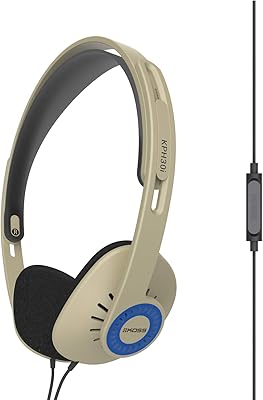
Koss KPH30i
Koss KPH30i
77%
83%
Sound Quality
88%
Comfort & Fit
61%
Build Quality
79%
Cable Durability
58%
Microphone Quality
More
Koss Porta Pro
Koss Porta Pro
70%
83%
Sound Quality
88%
Comfort & Fit
74%
Build Quality
91%
Value for Money
86%
Portability
More
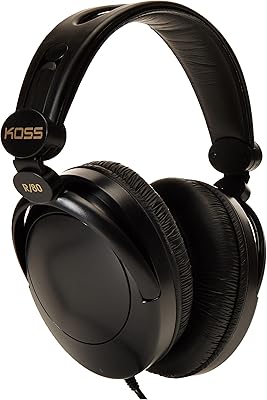
Koss R-80 Over-Ear Headphones
85%
88%
Sound Quality
91%
Comfort for Long Sessions
75%
Noise Isolation
85%
Build Quality
82%
Bass Response
More
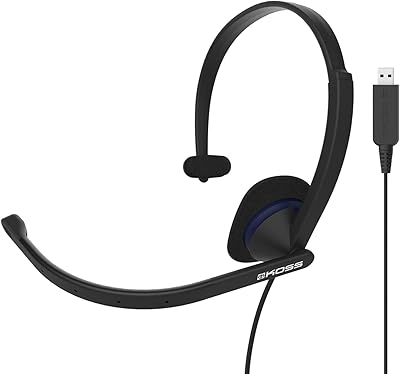
Koss CS195 USB Communication Headset
83%
88%
Comfort for Long Use
82%
Microphone Clarity
85%
Noise Cancellation Effectiveness
80%
Build Quality & Durability
90%
Ease of Setup
More
Koss SB-45 Communication Stereophones
73%
83%
Voice & Call Clarity
79%
Comfort & Wearability
58%
Build Quality
61%
Noise Isolation & Cancellation
77%
Microphone Quality
More
Koss QZ-99 Noise Reduction Stereophone
83%
88%
Sound Quality
82%
Comfort
85%
Noise Isolation
74%
Build Quality
91%
Ease of Use
More
Koss SB45 USB Multimedia Stereo Headphone
85%
92%
Value for Money
88%
Comfort
85%
Sound Quality
89%
Microphone Clarity
70%
Build Quality
More

FAQ

Yes, but you will need the Lightning utility cord rather than the included 3.5mm cable, as modern iPhones no longer have a headphone jack. Koss sells Lightning and USB-C utility cords separately as part of the interchangeable cord ecosystem, so the headphone body itself is compatible — you just need the right cable for your device.

Yes, significantly. The open-back design means audio bleeds out at a level clearly audible to anyone sitting nearby. These on-ears are genuinely not suitable for offices, libraries, public transport, or any shared space where sound leakage would disturb others. That trade-off is the direct reason the soundstage sounds so open and natural at home.

You will get listenable audio straight from a phone, but the 60-ohm impedance means these headphones are not being driven to their potential from a phone alone. The sound can feel a bit thin or lacking in dynamics compared to what the drivers are actually capable of. Even a small, inexpensive USB-C DAC makes a noticeable difference if you want to hear what the Koss KPH40 Utility can genuinely do.

Yes, the foam ear cushions are designed to be replaceable. Koss sells official replacement pads, and a number of third-party foam options compatible with the KPH40 mounting style are also available through audio accessory retailers. Replacing worn pads is straightforward and is one of the better long-term ownership features of this design.

The headphone uses a 2.5mm utility port at the ear cup rather than a standard fixed cable. You plug in whichever utility cord matches your device — 3.5mm for most laptops and older phones, USB-C for Android or modern laptops, or Lightning for iPhones. The swap takes seconds and means one headphone works across virtually every device you own without adapters.

Generally yes. The light clamping force and low overall weight reduce the pressure on the temples that often makes on-ear headphones uncomfortable for glasses wearers. That said, everyone's frame shape is different, and on-ear designs inherently apply some lateral pressure — most glasses wearers report no issues, but comfort over several hours will vary by individual.

The standard included 3.5mm utility cord does not have an inline microphone. However, Koss offers utility cord variants with an inline remote and microphone, which would make these suitable for calls. Check which cord variant is included with your specific purchase, as availability can differ depending on where you buy.

Opinions genuinely split on this. The stainless steel headband feels substantial and well-made, but the plastic ear cups have a utilitarian look that some buyers find charmingly vintage and others find plain. It does not look expensive in the conventional sense, but it also does not look fragile. Think less modern consumer electronics and more classic studio utility gear.

Yes, the headband is adjustable to accommodate a range of head sizes. Most buyers with larger heads report a comfortable fit, and the stainless steel construction means the band holds its adjusted position reliably without loosening over time. The clamping force is notably light, which some larger-headed users actually prefer.

The stainless steel headband is a genuine durability advantage compared to all-plastic alternatives at this price. The main long-term wear points reported by buyers are the foam ear cushions — which compress and thin out with heavy use — and the 2.5mm cable connection, which some users find develops slight looseness after many cable swaps. Both are manageable: pads are replaceable, and the cable port typically holds up fine for normal daily use.