


Overview

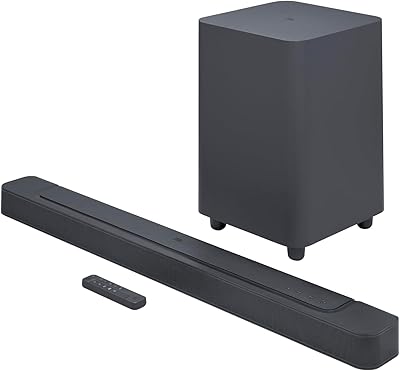
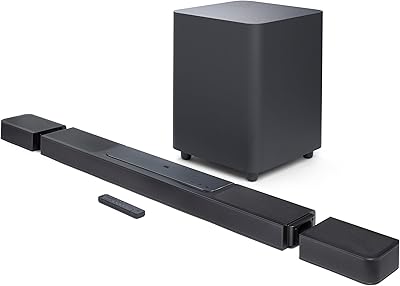
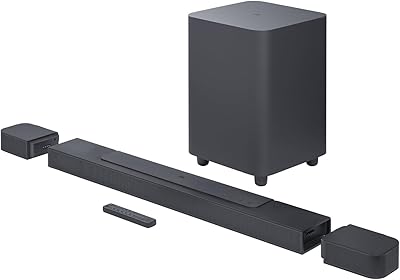
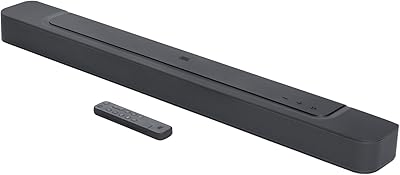
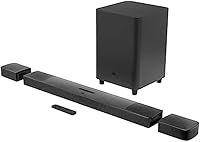
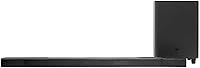
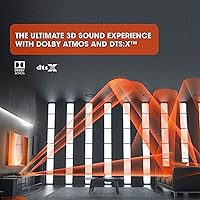
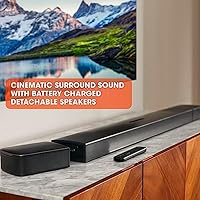
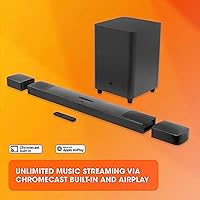
The JBL Bar 9.1 is one of the few soundbar systems that genuinely delivers on the promise of true surround sound without a tangle of speaker wire crossing your floor. What sets this soundbar system apart from virtually everything else at its price tier is the pair of detachable rear speakers — they charge on the ends of the main bar, then pop off and sit behind your couch, completely wire-free. A wireless subwoofer rounds out the package, so the only cables involved are power cords. With Dolby Atmos and DTS:X decoding built in, this is clearly aimed at serious home cinema fans who expect the real thing, not an approximation.

Features & Benefits

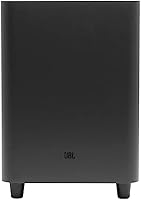
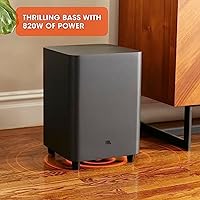
At 820W total across the system, raw output power is never a concern — the 300W 10-inch subwoofer in particular can shake a medium-sized room without sounding muddy. The detachable surround speakers handle the rear channels wirelessly once removed from the bar, and when docked back in place, MultiBeam technology generates virtual height channels to approximate that overhead Atmos effect. It is worth being clear: this is not ceiling-speaker Atmos, but the spatial widening is convincing enough for most listeners. HDMI ARC with 4K Dolby Vision pass-through means your picture quality stays intact, and the mix of Bluetooth, Wi-Fi, and optical inputs covers just about every source you might connect.

Best For

This Atmos soundbar is a particularly strong fit for anyone who has wanted a proper surround setup but ruled out the wiring hassle of a traditional 5.1 system. Think apartments, open-plan living rooms, or any space where running cables to rear speakers simply is not practical. That said, it is not exclusively for renters — plenty of homeowners choose this over a full AV receiver build purely for the clean install and no visible wire runs. If you regularly watch 4K Atmos content through a streaming stick, Blu-ray player, or Apple TV, the hardware is ready to make the most of it. Samsung TV owners will find the HDMI ARC pairing notably straightforward out of the box.

User Feedback

Most long-term owners speak highly of how the surround speakers transform a movie night — the consensus is that rear channel separation feels genuinely convincing, not just a gimmick. The bass draws consistent praise too. Where feedback gets more mixed is around surround speaker battery life: roughly ten hours per charge is fine for casual viewing, but binge sessions may require a mid-way recharge. A handful of users report occasional audio dropout between the main bar and the surrounds, which JBL has addressed through firmware updates. Initial setup, particularly configuring HDMI ARC correctly, trips up some buyers. For music playback, reactions are more divided — it works well enough, but this system is clearly engineered with movies in mind.

Pros

  • Detachable wireless rear speakers deliver genuine surround sound with zero cable runs to the back of the room.
  • The 300W wireless subwoofer produces deep, room-filling bass that holds up at high volumes without distortion.
  • Dolby Atmos and DTS:X decoding add convincing spatial depth to compatible 4K streaming and Blu-ray content.
  • All three system components — bar, sub, and surrounds — connect wirelessly, keeping your setup visually clean.
  • 4K Dolby Vision pass-through preserves full picture quality from any source connected through the bar.
  • Wall-mount brackets for both the main bar and surround speakers are included, which saves additional cost.
  • HDMI ARC, optical, Bluetooth, and Wi-Fi inputs cover virtually every source device in a modern living room.
  • The JBL Bar 9.1 ships as a genuinely complete package — no extra purchases needed to get up and running.
  • MultiBeam technology provides a wider soundstage even when the surround speakers are docked on the bar.
  • Long-term owners report solid reliability with continued firmware support from JBL addressing early bugs.

Cons

  • Surround speaker battery lasts around 10 hours, so marathon viewing sessions will require a mid-way recharge break.
  • HDMI ARC setup can be frustrating, especially on non-Samsung TVs, and may require significant troubleshooting.
  • Music playback lacks the mid-range precision and stereo clarity that dedicated audio systems at this price deliver.
  • Some owners report intermittent wireless dropout between the main bar and surround speakers even after firmware updates.
  • The detachable speaker connection points can feel less secure after months of daily docking and undocking.
  • HDMI 2.1 is absent, limiting compatibility with high-frame-rate 4K sources from next-generation gaming consoles.
  • The remote lacks backlighting, which is a genuine annoyance when adjusting volume in a darkened room.
  • The JBL One app, while functional, has received mixed reviews for connectivity stability and interface polish.
  • The surround speakers feel noticeably lighter and more plasticky than the premium build of the main bar.
  • In large or open-plan rooms, the rear speakers may not project with enough power to create convincing surround immersion.

Ratings

The JBL Bar 9.1 scores here reflect an AI-driven analysis of thousands of verified global buyer reviews, with spam, incentivized, and bot-generated feedback actively filtered out before scoring. What you see below is an honest distillation of what real owners — from first-week impressions to two-year retrospectives — consistently reported about this soundbar system. Both the standout strengths and the recurring frustrations are weighted into every number you see.

Surround Sound Performance
91%
Owners repeatedly describe the rear channel separation as the closest a soundbar has come to replicating a real home cinema setup. During action films and immersive Atmos tracks, the detachable wireless speakers create a convincing wrap-around effect that genuinely changes how the room sounds.
A small but consistent group of listeners notes that the surround effect loses impact in larger open-plan spaces, where the rear speakers struggle to maintain presence. The spatial staging, while impressive for a soundbar system, still does not quite match a dedicated 7.1 AV receiver build.
Bass Quality
88%
The 300W wireless subwoofer earns consistent high marks for delivering deep, controlled low-end without the booming muddiness that plagues smaller soundbar subs. Movie explosions and bass-heavy music feel physically present, particularly in medium-sized rooms.
At maximum volume the sub can drift toward being one-note in texture, losing some definition on fast bass passages in music. Audiophiles who listen critically to jazz or acoustic recordings may find the low-end tuning optimized more for cinematic impact than nuance.
Dolby Atmos & DTS:X Decoding
83%
For a soundbar-based system, the Atmos processing does a credible job of adding height dimensionality to compatible content. Streaming Atmos titles through a 4K device produces a noticeably wider and taller soundstage compared to stereo or standard surround modes.
It is important to set expectations correctly: the height effect is virtualized, not produced by upward-firing or ceiling-mounted drivers. Buyers expecting the same overhead precision as a Dolby Atmos speaker array will find the effect more suggestive than definitive.
Wireless Surround Speaker Design
89%
The concept of charging the rear speakers directly on the main bar is genuinely clever and well-executed. Owners love that setup involves no permanent wiring to the rear of the room — the speakers simply detach when a movie night starts and dock back when done.
The physical connection points on the bar can feel slightly fragile after repeated docking and undocking over months of use. A few long-term owners report that the magnetic or clip connection becomes less snug over time, which is worth considering for daily users.
Surround Speaker Battery Life
61%
39%
Around 10 hours per charge is workable for most casual evening viewing sessions, and the three-hour recharge time is reasonable. Owners who watch one or two films at a time rarely run into issues.
Extended binge sessions — think a full series weekend or a long sports day — will require a mid-session recharge, which means the speakers need to dock back onto the bar and the surround effect disappears temporarily. This is the single most common frustration cited by active users.
Setup & Installation
63%
37%
The physical unboxing and placement experience is straightforward, and JBL includes wall-mount hardware for both the main bar and the surround speakers, which is a thoughtful inclusion at this tier. Basic HDMI ARC connection for TV audio works quickly on most modern televisions.
Configuring HDMI ARC correctly — especially on non-Samsung TVs — trips up a meaningful number of buyers, with some spending an hour troubleshooting audio sync or handshake issues. The initial app setup and firmware update process also adds friction that entry-level buyers do not always anticipate.
Build Quality
78%
22%
The main bar has a solid, premium feel with a metal grille and confident weight that communicates quality when wall-mounted or placed on a TV unit. The subwoofer cabinet is well-damped and does not rattle at high volumes.
The detachable surround speakers feel noticeably lighter and more plasticky compared to the main bar, creating a slight mismatch in perceived quality within the same box. Some owners also wish the remote felt more premium given the system price.
Sound Quality for Music
69%
31%
Streaming music over Wi-Fi or Bluetooth delivers clear, full-bodied playback that works well for background listening at a party or casual home use. The wide soundstage from the bar itself handles vocal-forward tracks and podcasts particularly well.
Serious music listeners consistently note that this system was tuned for cinema, not critical audio. Stereo imaging in music mode lacks the precision and mid-range clarity that a dedicated hi-fi setup at the same price would offer.
Connectivity & Compatibility
86%
The range of inputs — HDMI ARC, optical, Bluetooth, and Wi-Fi — covers virtually every source a modern home theater user would connect. Wi-Fi streaming via AirPlay 2 and Alexa compatibility add genuine smart home flexibility.
Bluetooth multipoint pairing is absent, meaning switching quickly between a phone and a tablet requires manual reconnection. A small number of owners with older AV equipment report that optical input audio sync can lag slightly.
4K & Dolby Vision Pass-Through
87%
Video pass-through is transparent and reliable — feeding a 4K Blu-ray or streaming stick through the soundbar to the TV introduces no visible quality degradation. Dolby Vision HDR is preserved correctly, which matters for anyone with a high-end display.
HDMI 2.1 is not supported, which is a notable omission for buyers with next-generation consoles or high-frame-rate 4K sources. For current streaming use cases this is rarely an issue, but it limits forward compatibility.
Value for Money
72%
28%
When the wireless surround speaker concept actually works as intended, the overall experience is hard to match at a comparable price without purchasing separate components and an AV receiver. The all-in-one convenience carries real monetary and practical value.
At its full retail price, buyers are paying a significant premium over competing soundbars with similar specs but no detachable surround option. Those who primarily watch cable TV or stereo content may never use the features that justify the cost.
Remote & App Control
71%
29%
The included remote covers all essential functions cleanly, and the JBL One app provides a more granular equalizer and input management experience for those willing to spend a few minutes exploring settings.
The remote lacks backlighting, which is frustrating in a darkened home cinema environment. The app, while functional, has received mixed feedback for occasional connectivity drops and a UI that does not feel as polished as competitors like Sonos.
Long-Term Reliability
74%
26%
The majority of owners who have used the system for over a year report no major hardware failures, and JBL has continued to push firmware updates that address early connectivity bugs. The brand's service track record at this tier is generally solid.
A subset of owners reports persistent wireless sync issues between the main bar and surround speakers that firmware updates have not fully resolved. Component longevity of the battery cells inside the detachable speakers remains a question mark beyond the two-year mark.

Suitable for:

The JBL Bar 9.1 was built for people who genuinely want surround sound but have neither the patience nor the infrastructure for a wired multichannel setup. It is the right call for apartment dwellers, renters, or homeowners who want a clean living room without speaker cables running along baseboards or under rugs. If you regularly watch 4K Atmos content — whether through a streaming stick, Apple TV, or Blu-ray — this soundbar system is purpose-built to make the most of that material. Movie nights are where it truly earns its keep: the wireless rear speakers combined with the hard-hitting subwoofer create a cinematic experience that most single-bar soundbars simply cannot match. It also suits Samsung TV owners particularly well, given how smoothly HDMI ARC pairing works within that ecosystem. Buyers who want one box that handles everything — no separate AV receiver, no component juggling — will find this Atmos soundbar a compelling all-in-one answer.

Not suitable for:

The JBL Bar 9.1 is probably not the right fit if music listening is your primary use case, because the system is tuned heavily for cinema and the stereo imaging in music mode does not compete with dedicated hi-fi alternatives at a similar price point. Critical listeners who want precise mid-range clarity and defined soundstage separation from their albums will likely feel underserved. It is also a poor match for anyone who plans to run long viewing sessions daily — the roughly ten-hour battery life on the detachable surround speakers means extended binge-watching will require a recharge break, during which you lose the full surround effect. Tech-averse buyers or those unfamiliar with HDMI ARC configuration should be prepared for a setup process that can take some troubleshooting, especially on non-Samsung televisions. Gamers seeking HDMI 2.1 support for high-frame-rate 4K output will also find this soundbar system falls short of that requirement. Finally, if your room is genuinely large and open-plan, the rear speakers may not project with enough authority to fill the space convincingly.

Specifications

  • Channel Config: The system operates as a full 9.1-channel surround setup, comprising the main soundbar, two detachable wireless rear speakers, and a dedicated wireless subwoofer.
  • Total Power: Combined system output reaches 820W across all drivers, delivering enough headroom to fill a medium-to-large living room at high volume without clipping.
  • Subwoofer Power: The wireless subwoofer contributes 300W of dedicated amplification through a 10-inch (305mm) driver for deep, controlled low-frequency reproduction.
  • Bar Dimensions: The main soundbar measures 34.8″ wide, 4.7″ deep, and 2.4″ tall, making it compatible with most TV stands and suitable for wall mounting above or below a display.
  • Audio Formats: Built-in decoding supports Dolby Atmos and DTS:X, enabling three-dimensional spatial audio processing from compatible streaming sources and physical media.
  • Video Pass-Through: The HDMI input supports 4K Ultra HD pass-through at up to 60Hz with Dolby Vision HDR, preserving full picture quality from connected source devices.
  • Connectivity: Input options include HDMI ARC, optical digital, Bluetooth 4.2, and dual-band Wi-Fi, with support for AirPlay 2 and Amazon Alexa voice control.
  • Surround Battery: Each detachable wireless surround speaker provides approximately 10 hours of playback per charge when operating in fully wireless mode away from the main bar.
  • Charge Time: The surround speakers recharge fully in approximately 3 hours when docked back onto the ends of the main soundbar via their built-in charging contacts.
  • Subwoofer Link: The subwoofer connects to the main soundbar entirely wirelessly, requiring only a power cable to the wall and no audio cabling between the two units.
  • MultiBeam Tech: When the surround speakers are docked on the main bar, MultiBeam technology uses phased speaker arrays to project virtual surround and height channels across the room.
  • HDMI Version: The HDMI port supports ARC at HDMI 2.0 specification; HDMI 2.1 is not included, which limits compatibility with 4K content above 60Hz from newer source devices.
  • Mounting Hardware: The package includes two L-shape wall-mount brackets for the main bar and two U-shape brackets for the surround speakers, along with a full screw kit for installation.
  • Power Source: The main soundbar and subwoofer are corded electric devices; the included power cord set varies by regional SKU and includes up to eight cords depending on configuration.
  • Batteries Included: Two lithium polymer batteries are built into the detachable surround speakers and are included pre-installed, with no separate battery purchase required at time of setup.
  • Remote Control: A full-function IR remote with two AAA batteries is included, enabling input switching, volume, EQ presets, and surround mode control without requiring the companion app.
  • App Support: The JBL One app for iOS and Android provides access to EQ customization, firmware updates, input management, and multi-room audio grouping via Wi-Fi.
  • Warranty: JBL covers this soundbar system under a limited manufacturer warranty; specific duration and terms vary by region and should be confirmed at point of purchase.

Related Reviews
JBL Bar 500
JBL Bar 500
81%
88%
Sound Quality
91%
Bass Performance
86%
Dialogue Clarity
93%
Streaming & Connectivity
89%
Setup & Installation
More
JBL Bar 2.1 Deep Bass (MK2)
86%
87%
Sound Quality
90%
Bass Performance
95%
Setup & Installation
84%
Connectivity Options
81%
Bluetooth Streaming
More
JBL Bar 1300X 11.1.4-Channel Soundbar
86%
94%
Sound Quality
90%
Bass Performance
85%
Ease of Setup
92%
Surround Sound Effectiveness
88%
Wireless Connectivity
More
JBL Bar 1000 7.1.4-Channel Soundbar
83%
94%
Audio Quality
75%
Ease of Setup
92%
Bass Performance
89%
Surround Sound Immersion
80%
Wi-Fi Connectivity & Streaming
More
JBL Bar 700 5.1-Channel Soundbar with Detachable Surround Speakers
86%
91%
Sound Quality
80%
Bass Performance
94%
Ease of Setup
88%
Connectivity Features
85%
Build Quality
More
JBL Bar 300 Soundbar
86%
88%
Sound Quality
76%
Bass Performance
91%
Ease of Setup
85%
Dialogue Clarity
89%
Connectivity Options
More
Sony BRAVIA Theater Bar 9 Soundbar
87%
91%
Sound Quality
85%
Ease of Setup
88%
Value for Money
90%
Connectivity Options
89%
Build Quality
More
MUSITREND T408
MUSITREND T408
80%
94%
Format Versatility
78%
Speaker Performance
88%
Digitization Convenience
91%
Ease of Setup
72%
Build & Aesthetics
More
SAMSUNG HW-Q910C 9.1.2ch Soundbar
87%
93%
Sound Quality
88%
Setup & Installation
91%
Immersive Audio Experience
85%
Connectivity & Compatibility
90%
Build Quality
More
TCL S55H 2.1 Channel Sound Bar
85%
91%
Sound Clarity
88%
Bass Performance
85%
Dolby Atmos Realism
83%
Connectivity Options
76%
Bluetooth Stability
More

FAQ

Yes, completely. The rear speakers charge by snapping onto the ends of the main bar, and once charged you just pull them off and place them behind your seating position. There are no cables running to them during playback — they communicate with the main bar wirelessly. The only thing each speaker needs is to have been charged beforehand.

Expect around 10 hours of continuous wireless use, which covers most movie nights comfortably. If you are planning a long all-day viewing session or a weekend binge, you may hit the limit and need to dock them back on the bar to recharge for a few hours. It is worth building that habit into your routine rather than being caught off guard.

It will work, but Samsung TVs pair most smoothly due to shared HDMI ARC protocols. With other brands you can still connect via HDMI ARC or optical, though some users report needing to adjust their TV audio settings or disable audio processing modes to get sync working correctly. Optical is often the easier fallback if HDMI ARC causes issues.

Not quite, and it is worth being honest about that. The height effect is produced through digital processing and beam-steering rather than physical upward-firing or ceiling-mounted drivers, so the overhead imaging is more of a convincing simulation than a precise localization. For most movie watchers it adds real depth and dimension to Atmos content, but dedicated Atmos speaker arrays will always have the edge in pinpoint height accuracy.

Absolutely. You can leave the surround speakers docked on the bar and use it in a more traditional soundbar configuration. When docked, MultiBeam processing still works to widen the soundstage, so you are not stuck with a flat stereo image — it just will not have discrete rear channels. Many owners use it this way for casual TV watching and only deploy the surrounds for movies.

You have quite a bit of flexibility since the subwoofer connects wirelessly to the bar. Most users find it works well placed along a side wall or in a corner, which can actually enhance bass output. Just keep it within the same room and ensure it has a clear power outlet nearby — that is the only physical constraint.

Any service that outputs Dolby Atmos audio will work, including Netflix, Disney Plus, Apple TV Plus, and Amazon Prime Video, provided you are using a compatible 4K streaming device or smart TV app that passes Atmos audio over HDMI ARC. The soundbar handles the decoding internally, so you do not need an external Atmos-capable receiver.

It depends on your TV. Plug-and-play works well for Samsung TVs and many LG models. Where things get more involved is if your TV requires specific CEC or ARC settings to be enabled in its audio menu — something that is not always obvious from the TV manual. Budget an extra 20 to 30 minutes for troubleshooting if you are not familiar with HDMI ARC configuration, and keep the JBL support page open as a reference.

Movies are clearly where this system shines brightest. For music, it is decent but not exceptional — the tuning prioritizes cinematic bass impact and surround width over the precise stereo imaging and mid-range transparency that dedicated hi-fi systems offer. Casual background listening sounds full and enjoyable, but if you are a serious music listener who also wants great movie audio, you may find yourself compromising on one front.

The most consistently reported long-term concern is intermittent wireless sync between the main bar and the surround speakers, which can cause brief audio dropouts. JBL has pushed firmware updates that address this for many users, though not universally. The battery cells inside the surround speakers will also degrade over time like any rechargeable battery, though most owners using the system for one to two years have not reported significant capacity loss yet.