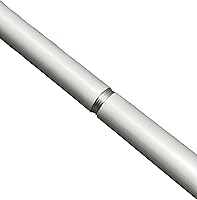
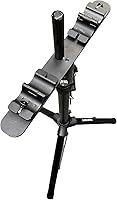
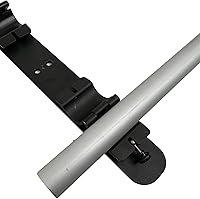
Overview

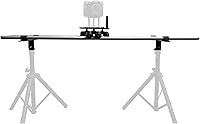
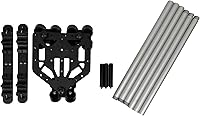
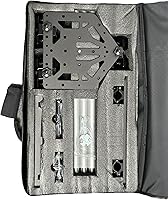
The Glide Gear DEV 4 Dolly Track Slider sits in an interesting middle ground — built for indie filmmakers and serious video enthusiasts who want more than a budget toy but aren't ready to spend on a full cinema rig. Three 23″ aluminum rails connect end-to-end to form a roughly 48-inch track, paired with a frictionless sled platform designed for smooth, quiet camera movement. It ships with a carry bag, which makes it practical for location work. Worth noting upfront: its 3.6-star average from 92 buyers tells a nuanced story, and understanding why that number isn't higher is just as important as knowing what it gets right.

Features & Benefits

The rails are machined from 6061 aircraft-grade aluminum, which strikes a solid balance between weight and rigidity — you're not hauling a heavy steel system into the field, but the track doesn't flex under a loaded camera rig either. The sled handles up to 50 lbs, meaning a rigged DSLR, mirrorless body with a follow focus, or even a small cinema camera won't stress it. The 28 mounting holes on the base plate cover both 1/4″-20 and 3/8″-16 thread sizes, so attaching monitors, microphones, or other accessories is straightforward. One genuinely useful detail: rotating the front wheels 90 degrees locks the sled in place, acting as a built-in brake.

Best For

This dolly track system is best suited to solo videographers and small production crews who need a longer tracking run than the typical compact slider provides, without hauling out a full dolly setup. Documentary shooters and event videographers will appreciate how quickly the sled lifts off the rails for transport, and the carry bag makes it a realistic option for location days. If you already own a pair of tripods or speaker stands, you're in good shape — the rail ends mount on both, though the adapter is sold separately. Creators shooting product videos, interviews, or cinematic B-roll will get consistent lateral movement that a handheld gimbal simply can't replicate.

User Feedback

Buyers who are happy with the DEV 4 slider tend to cite its smooth, quiet movement and the ability to carry a heavier rig than similarly priced sliders allow — those are real strengths. The frustrations, though, are worth knowing about: several users report wobble at the rail connection points, which can introduce micro-vibrations in footage if not secured carefully. Inconsistent wheel tension is another repeat complaint. Whether those issues reflect a flaw or a need for careful initial setup is debatable, but buyers reasonably expect a more refined out-of-box experience at this price point. The missing tripod adapter also draws consistent criticism — a recurring theme that feels like an oversight.

Pros

  • The ~48-inch assembled track length gives you significantly more travel distance than most portable sliders in this category.
  • A 50 lb payload means you can mount a fully rigged camera without babying the sled.
  • 6061 aluminum rails keep the overall weight manageable at 12 pounds for a system this size.
  • The wheel-rotation brake is a genuinely practical feature for locking off shots between takes.
  • 28 mounting holes with dual thread sizes give you real flexibility when configuring your accessory layout.
  • The sled detaches from the rails without any tools, which meaningfully speeds up pack-up between locations.
  • Rail ends support both tripods and speaker stands, making this dolly track system adaptable to setups you likely already own.
  • The included carry bag is purpose-built and makes the whole rig travel as a single organized unit.

Cons

  • Rail connection points can introduce wobble that shows up as micro-vibration in footage if not carefully managed.
  • Wheel tension is reported as inconsistent across units, which affects how predictably the sled moves.
  • The tripod mounting adapter is not included, which is a frustrating omission at this price point.
  • At 12 pounds, this Glide Gear rig is on the heavier end for a one-person carry-in kit.
  • The 3.6-star average from real buyers signals that out-of-box quality control is not fully consistent.
  • No motorized option exists for this system, ruling it out for automated or repeatable timed moves.
  • Finish quality on some units has been flagged by buyers as not matching the premium feel the price implies.
  • Long-term durability under heavy repeated use remains a concern based on owner feedback patterns.

Ratings

Our AI-generated scores for the Glide Gear DEV 4 Dolly Track Slider were produced by analyzing verified buyer reviews from multiple global markets, with automated filtering applied to remove incentivized, bot-generated, and outlier feedback. The result is a transparent, balanced picture — real strengths are recognized, but recurring frustrations are scored honestly and not papered over. Where this dolly track system genuinely delivers, it shows; where it falls short for its price tier, that shows too.

Movement Smoothness
74%
26%
Under normal shooting conditions — a product table setup, a slow interview push-in, or a lateral B-roll pull — the frictionless wheel platform produces noticeably quiet and consistent movement that would embarrass most budget sliders. Buyers running lighter mirrorless rigs frequently praise how glassy the motion feels when everything is dialed in.
The smoothness degrades noticeably at the rail connection points, where micro-vibration can creep into footage if the joints are not tightly secured before rolling. A handful of users report that wheel tension varies between units, meaning some buyers get a silkier ride than others straight out of the box.
Build Quality
67%
33%
The 6061 aircraft-grade aluminum rails feel genuinely rigid in hand — there is no flex when you load up a camera rig, and the material holds up well against the kind of incidental knocks and scratches that come with regular location work. For a mid-range system, the structural integrity of the rails themselves earns consistent praise.
The finish quality on the sled hardware and connection hardware does not match the impression set by the rails, with several buyers describing a cheaper-feeling assembly than the price implies. Long-term durability reports are mixed, with some users noting visible wear at connection points after repeated field use.
Payload Handling
82%
18%
A 50 lb ceiling is genuinely useful — it means you can mount a rigged DSLR with a cage, a small monitor, and a manual follow focus without second-guessing the sled. Users shooting heavier interview setups specifically call out payload capacity as one of the strongest practical arguments for choosing this over compact alternatives.
While the rated capacity is legitimate, heavier loads closer to the upper limit do amplify any existing wobble at the rail joints, so the closer you push to 50 lbs, the more critical proper connection tightening becomes. Users who ignored this step with heavier rigs reported more vibration artifacts in their footage.
Rail Connection Stability
53%
47%
When the connections are properly tightened and secured, the assembled track holds together firmly enough for static or slow-pull shots without obvious instability. Buyers who took the time to snug every joint before shooting reported a much better experience than those who rushed the setup.
Rail joint wobble is the single most consistent complaint across verified reviews and directly contributes to the 3.6-star average. It is not a fatal flaw for patient users willing to dial in their setup, but it is a real design limitation that more careful manufacturing tolerances should have addressed at this price tier.
Portability
79%
21%
At 12 pounds for a 48-inch track system, the DEV 4 slider is genuinely portable for its size class — the included carry bag keeps everything consolidated into one organized unit that fits into a vehicle or checks as luggage without drama. The tool-free sled removal also meaningfully speeds up transitions between shooting setups on busy location days.
Twelve pounds is still a commitment in a one-person kit, especially if you are already carrying camera bodies, lenses, and lighting. Buyers who expected something more like a compact slider in terms of carry weight occasionally felt misled by marketing language around portability.
Setup Speed
77%
23%
Experienced users report being able to assemble the full track, drop the sled on, and be ready to shoot in just a few minutes once they have the workflow memorized. The sled lifting off without any tools is a legitimately time-saving detail that earns positive mentions from event videographers doing rapid scene changes.
First-time users consistently describe a learning curve around getting the rail joints tight and the sled tension adjusted before the rig behaves predictably. Early shoots can eat significantly more setup time than the spec sheet implies, which is frustrating for time-sensitive production schedules.
Mounting Versatility
71%
29%
Support for both tripods and speaker stands at the rail ends gives this Glide Gear rig meaningful setup flexibility — elevated or ground-level configurations are both viable options without buying an entirely different system. The 28 mounting holes on the base plate with dual thread sizes also make accessory configuration genuinely adaptable to varied shooting needs.
The tripod mounting adapter is not included, which is a frustrating and recurring complaint given the price point — buyers expecting a ready-to-mount solution out of the box feel underserved. That omission forces an additional purchase before one of the system's most advertised features is actually usable.
Value for Money
61%
39%
For buyers who primarily need a longer track run, a high payload ceiling, and basic smooth movement — and who are willing to invest setup time — this dolly track system does offer more capability per dollar than most comparable alternatives in its class. The 50 lb payload alone justifies the price tier for shooters with heavier rigs.
The missing adapter, inconsistent unit-to-unit quality control, and joint wobble issues make the value proposition feel shakier than it should at this price level. Buyers who expected a polished, ready-to-shoot experience without additional troubleshooting or purchases often feel the cost-to-quality ratio does not fully hold up.
Wheel Brake Function
83%
The 90-degree front wheel rotation brake is one of the more thoughtfully designed details on the system — it gives shooters a reliable way to lock the sled in position between takes without needing a separate accessory. Interview and scripted dialogue shooters especially appreciate not having to physically hold the sled steady during a held frame.
A few users report that the brake engagement feels slightly loose on some units, meaning the sled can still drift marginally when locked if the track has any incline. It works well on truly level surfaces but is less dependable on uneven terrain or slightly tilted track setups.
Accessory Compatibility
81%
19%
Twenty-eight mounting holes across two thread standards means the base plate sled accommodates a wide range of monitors, microphones, and other camera accessories without adapters in most cases. Buyers building out complex interview or product video rigs consistently note that configuring their accessory layout on the sled is straightforward and flexible.
The physical sled footprint limits how accessories can be spatially arranged when fully loaded, and a few users report that heavier peripheral combinations shift the rig's balance in ways that affect movement quality. The accessory mounting options are strong on paper but require some real-world experimentation to optimize.
Carry Bag Quality
66%
34%
The included carry bag is a practical addition that keeps the full system contained as a single transportable unit — significantly better than systems that ship with no storage solution at all. Most buyers appreciate having it for vehicle transport and general studio-to-location transitions.
The bag is functional rather than premium — it lacks meaningful internal padding, which makes it a liability for rough travel, checked luggage scenarios, or gear that gets tossed around on busy sets. Buyers who need genuine protective transport should plan on supplementing it with foam padding or a separate case.
Long-Term Durability
58%
42%
The aluminum rail sections themselves appear to hold up reasonably well over time, with no widespread reports of the rails bending or cracking under normal use conditions. For infrequent or studio-based shooters, the core structure of this Glide Gear rig seems durable enough for a multi-year service life.
The connection hardware and sled components show wear more visibly over time, with repeated assembly and disassembly accelerating loosening at the joints. Buyers using this system heavily in the field — multiple shoots per week — report degraded performance within the first year that suggests the build was not engineered for intensive production schedules.
Track Length Usability
78%
22%
A 48-inch assembled track is a meaningful practical advantage over compact sliders in the 12- to 24-inch range — it opens up B-roll moves, slow reveal shots, and lateral interview tracks that shorter systems simply cannot execute. Buyers making the upgrade from a small pocket slider frequently cite track length as the defining reason they chose this system.
For more ambitious narrative or commercial work that calls for several feet of travel distance, 48 inches still falls short of what a proper floor dolly or longer modular track system can achieve. The length is a clear step up from beginner gear, but it has a ceiling that more advanced shooters will eventually outgrow.

Suitable for:

The Glide Gear DEV 4 Dolly Track Slider is a strong fit for indie filmmakers, solo videographers, and small production crews who need a longer, more capable tracking solution than a compact tabletop slider can offer. If you shoot documentary work, event coverage, or narrative B-roll and need to set up and break down quickly, the tool-free sled removal and included carry bag make location days noticeably less painful. Creators building out product video setups or interview rigs will appreciate the generous 50 lb payload, which comfortably handles a rigged DSLR or mirrorless body with accessories attached. The wide selection of mounting holes on the base plate also makes it a practical choice for anyone who already runs a cluttered accessory setup. If you own a pair of tripods or speaker stands, you are already most of the way to a full elevated dolly rig — though you will need to source the mounting adapter separately.

Not suitable for:

Professionals running high-end cinema cameras or fully rigged broadcast setups should know that the Glide Gear DEV 4 Dolly Track Slider, while capable on paper, has a build quality ceiling that may not hold up under the repeated daily demands of a commercial production schedule. Buyers expecting perfectly smooth rail joints out of the box — with zero micro-vibration at the connection points — may be disappointed, since that is one of the more consistent complaints from real users. If you need ultra-precise motorized movement or repeatable timed pulls for product photography, this manual system will not meet that bar. Shooters with a very limited kit who were hoping the tripod adapter would be included will face an additional purchase, which stings given the price point. And if your work is primarily run-and-gun handheld or gimbal-based, the 12-pound rig adds logistical weight without delivering a meaningful advantage over what you already own.

Specifications

  • Brand: Manufactured by Glide Gear, a company focused on camera support and motion control equipment for video production.
  • Model: The model designation is DEV 4, part of Glide Gear's dolly and track slider lineup.
  • Rail Material: Rails are constructed from 6061 aircraft-grade aluminum, offering a practical balance of structural rigidity and manageable field weight.
  • Rail Configuration: Three individual 23″ rail sections connect end-to-end to form a single continuous track approximately 48 inches in total length.
  • Payload Capacity: The sled and rail system supports a maximum payload of 50 lbs, accommodating most DSLR, mirrorless, and small cinema camera rigs with accessories.
  • Dimensions: Assembled product dimensions measure 48 × 15 × 4 inches; folded carry dimensions are approximately 49.5 × 13.0 × 4.5 inches.
  • Item Weight: The complete system weighs 12 pounds, which includes the three rail sections, the sled platform, and hardware.
  • Mounting Holes: The base plate sled features 28 mounting holes tapped to both 1/4″-20 and 3/8″-16 thread standards for broad accessory compatibility.
  • Wheel Brake: The front wheels on the sled can be rotated 90 degrees to lock the platform in place, functioning as a manual braking mechanism.
  • Stand Compatibility: The ends of the track rails are designed to mount on standard tripods or speaker stands; a mounting adapter is required but not included.
  • Sled Removal: The camera sled can be lifted off the rails without tools, enabling fast transitions between shooting setups and pack-up.
  • Color: The system ships in a black and silver finish, with the aluminum rails in silver and the sled hardware in black.
  • Included Accessories: A protective carry bag is included in the package to hold the full assembled system during transport between locations.
  • Compatible Devices: Designed for use with cameras, including DSLR, mirrorless, and smaller format cinema bodies with or without accessories mounted.
  • ASIN: The Amazon product identifier for this item is B00SNVA3EG, useful for confirming you are purchasing the correct model and variant.

Related Reviews
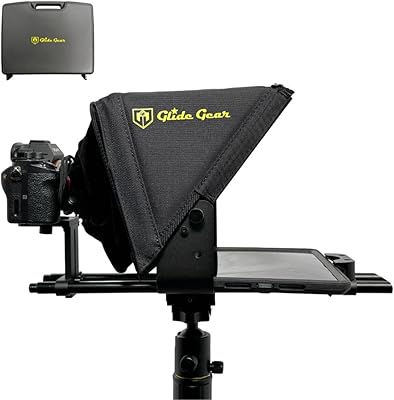
Glide Gear TMP 750 Teleprompter
79%
91%
Build Quality
88%
Glass Clarity
86%
Ease of Setup
63%
App Compatibility
74%
Portability
More
Glide Gear TMP 500 Teleprompter

83%
91%
Portability
89%
Ease of Setup
85%
Build Quality
87%
Camera Compatibility
92%
Value for Money
More
Glide Gear TMP 1000 Teleprompter
78%
91%
Build Quality
88%
Optical Clarity
67%
Ease of Setup
86%
Glass Size & Reading Range
84%
Tablet & Device Compatibility
More
Glide Gear TMP 75
Glide Gear TMP 75
84%
91%
Build Quality
93%
Glass Quality
96%
Ease of Setup
78%
Smartphone Compatibility
88%
Portability
More
Saniderm Unscented Tattoo Glide 4.97oz
90%
94%
Smoothness and Glide
89%
Skin Compatibility
91%
Ease of Application
93%
Effectiveness for Tattooing
98%
Fragrance (or Lack Thereof)
More
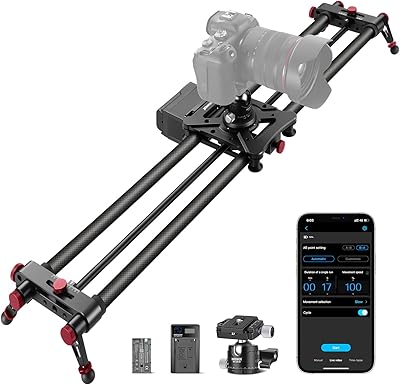
NEEWER ER1-100 100cm Motorized Camera Slider
70%
78%
Motor Smoothness
61%
App Control & Connectivity
66%
Build Quality & Materials
71%
Ease of Setup
74%
Value for Money
More
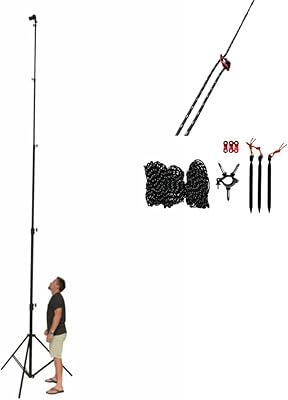
Glide Gear TST 20 Sky High 20' Tripod Stand
83%
89%
Stability at Height
74%
Portability & Weight
90%
Build Quality
82%
Ease of Setup
85%
Versatility in Use
More
Loma Dry Shampoo 4.4 oz
87%
90%
Effectiveness in Oil Absorption
88%
Scent Quality
83%
Volume and Texture Enhancement
94%
Suitability for Sensitive Skin
89%
Packaging and Ease of Use
More
Number 4 Sugar Texturizing Spray 4.9oz
86%
88%
Effectiveness in Creating Beach Waves
92%
Gentleness on Hair
85%
Texture and Feel
80%
Volume and Body
90%
Suitability for Fine Hair
More
SounDigital 400.4 EVO 4-Channel Car Amplifier
80%
93%
Size-to-Power Ratio
88%
Build Quality
91%
Value for Money
84%
Sound Quality
62%
Heat Management
More

FAQ

Yes — the rail ends are designed to mount on tripods or speaker stands, but the adapter required to make that connection is sold separately. It is worth tracking that down before your first shoot so you are not caught off guard.

In most cases, yes. The sled is rated to 50 lbs, and a rigged mirrorless body with a small monitor and a manual follow focus will typically land well under that ceiling. Just make sure your total rig weight — body, lens, and all accessories combined — stays comfortably within that limit.

The Glide Gear DEV 4 Dolly Track Slider uses a frictionless wheel platform that produces genuinely quiet and consistent movement under normal conditions. That said, some users report slight vibration at the rail connection joints, so taking a few minutes to ensure those connections are tight and secure before rolling is worth the effort.

At roughly 48 inches assembled, it gives you a meaningful travel distance — noticeably more than most compact pocket sliders. For slow interview push-ins or lateral B-roll pulls, it is adequate. If you need several feet of travel for cinematic walk-and-talk shots, you would need a longer or multi-segment system.

Setup is manageable for one person. The three rails connect end-to-end, the sled drops onto the track without tools, and the carry bag keeps everything organized. The main variable is how quickly you can get your support stands or tripods positioned and leveled, which is the same challenge you would face with any dolly system.

Rotating the front wheels 90 degrees effectively locks the sled in place on the rails, stopping it from drifting between takes. It is a practical detail for shooters who need to hold a framed shot without someone physically holding the sled steady — especially useful during interviews or scripted dialogue scenes.

You can lay the track directly on a flat surface for ground-level shots, which is a legitimate creative option for low-angle work. For elevated shots, you will need the tripod or speaker stand adapter. Just make sure your surface is level — any tilt in the track will cause the sled to drift on its own.

The most common complaints center on wobble at the rail connection points and occasionally inconsistent wheel tension out of the box. Some buyers also flag the missing adapter as a frustrating omission. These are real issues, but many negative reviews also suggest that careful initial setup and minor adjustments resolved the problem — it is not universally flawed, but it does require some patience.

The included bag is functional and keeps the DEV 4 slider organized as a single unit, which makes loading into a vehicle or checking luggage easier. It is not a padded hard case, so for particularly rough travel environments you may want additional padding around the rails.

There is no native motorized option for this Glide Gear rig, and the system is not designed with a built-in motor mount or compatible drive mechanism. If motorized movement or repeatable timed pulls are important to your workflow, you would need to look at a different system built specifically around motion control.

Where to Buy