Overview

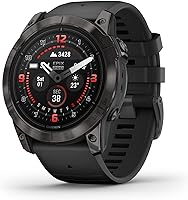
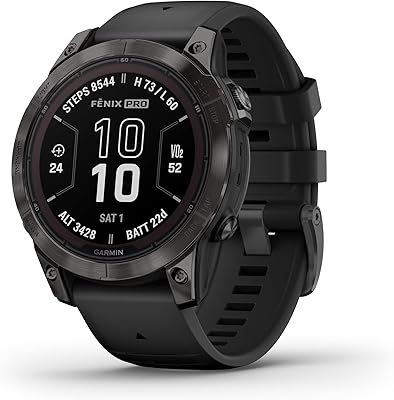
The Garmin epix Pro Gen 2 Sapphire Smartwatch is Garmin's most capable multisport watch, built for athletes and outdoor enthusiasts who demand serious hardware on their wrist. The 51mm case with a titanium bezel gives it real presence — this isn't a watch that disappears under a jacket sleeve. The sapphire lens separates it from lower-tier variants; it resists scratches that would cloud standard glass after months of trail use. Within Garmin's lineup it sits at the top end, and that positioning comes with real expectations. The feature set is genuinely deep, but new users should know upfront: there is a learning curve to getting the most out of it.
Features & Benefits

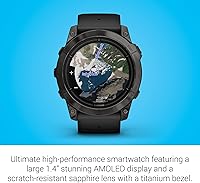
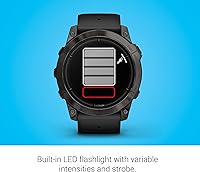
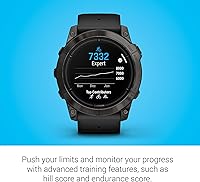
The always-on AMOLED display is the first thing you notice — 1.4 inches of sharp, vivid color that holds up in direct sunlight far better than many competitors. The built-in LED flashlight sounds like a minor addition until your 5 a.m. run reminds you otherwise; variable brightness and a strobe mode make it genuinely practical. Two newer metrics stand out for endurance athletes: Hill Score tracks running strength on ascents over time, while Endurance Score maps how cumulative training affects aerobic capacity. Add HRV monitoring, Pulse Ox, and sleep tracking, and this high-end GPS watch covers recovery as thoroughly as it covers performance. Training Readiness and the Morning Report pull that data into a daily snapshot that actually shapes how you train.

Best For

This Garmin watch makes the most sense for endurance athletes — runners, triathletes, and cyclists who want analytics well beyond step counts and calories. The 51mm size is a real factor: if you have slimmer wrists, the fit can feel overwhelming, but for those who have always found GPS watches too small, it finally gets proportions right. Low-light and backcountry training conditions are where the epix Pro Gen 2 genuinely pulls ahead — the flashlight and robust GPS coverage are not afterthoughts here. It also suits athletes moving up from basic fitness trackers who want a tool that grows with them. Already in the Garmin ecosystem? Upgrading to this unlocks significantly deeper training data with minimal friction.

User Feedback

Owners of the epix Pro Gen 2 are consistently vocal about two things: display quality and battery endurance. For an always-on AMOLED screen, holding charge through extended use earns genuine respect from the community. The flashlight, which sounds like a spec-sheet curiosity, repeatedly surfaces in feedback as a real-world win during early morning sessions. On the other side, users new to Garmin frequently mention that navigating the menus takes time — not a dealbreaker, but worth knowing if you prefer plug-and-play simplicity. The price is the other honest sticking point; it is a serious commitment. Those with larger wrists specifically call out the fit as a comfort advantage, a less-discussed but meaningful detail for buyers weighing size options.

Pros

  • The always-on AMOLED display stays readable in direct sunlight where most rival screens wash out completely.
  • Hill Score and Endurance Score give endurance athletes a rare longitudinal view of fitness changes over months.
  • Titanium bezel and sapphire lens hold up to daily athletic abuse without visible wear after extended use.
  • Multi-band GPS tracking stays accurate even in dense canopy and canyon terrain where cheaper watches drift.
  • The built-in flashlight handles pre-dawn training runs without requiring a separate headlamp for shorter efforts.
  • HRV status and Training Readiness genuinely flag accumulated fatigue before athletes subjectively feel it.
  • 32GB of storage means offline maps and music coexist without constant file management between trips.
  • Battery endurance impresses for an always-on AMOLED device, surviving multi-day efforts without mid-trip charging anxiety.
  • The Morning Report pulls overnight recovery data into a single actionable summary that shapes daily training decisions.
  • Users with larger wrists finally get a GPS watch sized and weighted to feel proportional on the wrist.

Cons

  • Newcomers to Garmin face a steep interface learning curve that the onboarding experience does little to ease.
  • The 51mm case creates sleeve catch points during cold-weather layering, a genuine daily-wear irritation.
  • Real-world battery life under heavy GPS and continuous health monitoring falls noticeably short of headline figures.
  • Sleep stage classifications can feel inconsistent compared to dedicated sleep trackers, undermining overnight recovery data.
  • Accidental flashlight activations happen regularly when adjusting straps or removing the watch in the dark.
  • Firmware updates have occasionally introduced short-lived regressions in specific features before follow-up patches resolved them.
  • Connect IQ third-party app support remains limited compared to mainstream consumer smartwatch platforms.
  • Initial map downloads require Wi-Fi and take significant time, which catches travelers off guard before trips.
  • Endurance Score needs several weeks of consistent data before its readings feel meaningfully calibrated to individual fitness.
  • Buyers who only use a fraction of the feature set frequently question whether simpler alternatives would have served them better.

Ratings

The Garmin epix Pro Gen 2 Sapphire Smartwatch earns its place at the top of the GPS smartwatch category, but no product at this price point should escape honest scrutiny. These scores were produced by AI analysis of verified global buyer reviews, with spam, incentivized, and bot-generated feedback actively filtered out. Both the standout strengths and the genuine friction points are reflected below without softening.
Display Quality
94%
The always-on AMOLED panel draws consistent praise from users who train outdoors in variable light. Runners and cyclists specifically note that glancing at pace data mid-effort — even in harsh afternoon sun — requires no squinting or wrist angling. The color depth also makes map navigation genuinely readable, not just technically functional.
A small number of users coming from transflective MIP displays found the AMOLED panel slightly harder to read under certain polarized sunglasses. The always-on brightness in low-light settings can also feel intrusive for those who wear the watch to bed for sleep tracking.
Battery Life
87%
Given the always-on AMOLED screen, the battery performance here surprises many first-time owners. Users report comfortably getting through multi-day backcountry trips or heavy training weeks without anxiety about charging, which is a real differentiator against rival smartwatches with similar display technology.
Heavy GPS usage — think full-day trail runs with music streaming — cuts into reserves faster than the headline figure suggests. Users who rely on continuous Pulse Ox tracking overnight and all-day heart rate monitoring report noticeably shorter real-world cycles than the spec sheet implies.
Training Metrics & Analytics
93%
The epix Pro Gen 2 delivers a level of training intelligence that genuinely changes how serious athletes plan their weeks. Hill Score and Endurance Score are not vanity numbers — regular users describe them as accurate reflectors of fitness trajectory over months of structured training. The Morning Report alone has shifted how many athletes make same-day intensity decisions.
The sheer volume of metrics can overwhelm athletes who are new to data-driven training, and some find the in-watch explanations too brief to understand what a score actually means. A few users noted that Endurance Score took several weeks of consistent logging before producing readings that felt calibrated to their fitness level.
Build Quality & Durability
96%
The titanium bezel and sapphire lens combination holds up to the kind of punishment multisport athletes actually dish out — rocky scrambles, pack straps, and gym equipment collisions that would scratch lesser watches. Owners who have used the watch for over a year frequently report zero visible lens wear, which is not something easily said about standard mineral glass variants.
At 88 grams, the 51mm case is genuinely heavy on the wrist during high-cadence activities like speed workouts, where a lighter profile would be preferable. A handful of users with narrower wrists also noted that the lug width creates pressure points during long runs, regardless of strap choice.
GPS Accuracy
91%
Multi-band GPS performance is a consistent highlight in user feedback, with trail runners and open-water swimmers noting that the track rarely drifts even in dense canopy or canyon terrain. Distance and pace data holds up well against foot pods and cycling power meters in side-by-side comparisons reported by users.
In dense urban environments with significant signal bounce, a minority of users noted occasional GPS trace inconsistencies at the start of activities before satellite lock stabilizes. Cold-start acquisition can also lag in areas with poor sky visibility, which is a minor but real frustration during early morning winter runs.
Health & Wellness Monitoring
82%
18%
The combination of HRV status, Pulse Ox, and advanced sleep staging gives this Garmin watch a recovery picture that goes well beyond basic fitness trackers. Athletes in heavy training blocks report that HRV trends accurately flag accumulated fatigue before subjective feelings of tiredness kick in.
Pulse Ox readings during sleep require the band to be worn snugly, which some users find uncomfortable overnight. A subset of reviewers also flagged that sleep stage classifications occasionally felt inconsistent compared to dedicated sleep tracking devices, though the broader sleep trend data was still considered useful.
Ease of Use & Interface
63%
37%
Once the menu structure clicks, navigating the watch mid-activity becomes fast and reliable. Long-term Garmin users report that the Connect IQ ecosystem and app customization options reward the time investment, making the watch feel increasingly personal the longer it is used.
Newcomers to Garmin consistently flag the interface as one of the steepest learning curves in the GPS watch category. Locating specific settings, understanding metric hierarchies, and customizing data screens all require patience and often a trip to third-party guides — the onboarding experience does not match the hardware quality.
Flashlight Utility
88%
What reads as a marketing bullet point in the specs turns out to be one of the most practically appreciated features among regular users. Runners logging pre-dawn miles describe the variable brightness modes as legitimately useful for path visibility and road safety without needing to carry a separate headlamp for shorter efforts.
The flashlight button placement means accidental activations do happen, particularly when removing the watch or adjusting straps in the dark. Some users also noted that the highest brightness setting in flashlight mode draws on battery reserves noticeably during extended night sessions.
Comfort & Fit
74%
26%
Users with larger wrists — typically those who have always found 45mm or smaller GPS watches undersized — report that the 51mm case finally provides proportional fit and all-day comfort. Strap quality and the secure clasp mechanism receive consistent positive mentions for staying locked during swimming and open-water activities.
The 51mm size is simply not comfortable for everyone, and buyers with smaller wrists should try it on before committing. The watch sits noticeably proud of the wrist, which creates occasional catch points on sleeve cuffs during cold-weather layering — a genuine daily-wear irritation for some users.
Smartwatch Features
77%
23%
Notification management, contactless payments, and music storage work reliably for a device whose primary identity is athletic performance. The 32GB of onboard storage means offline music and maps coexist without the constant pruning required on lower-storage competitors, which users on long expeditions appreciate.
Third-party app support through Connect IQ remains more limited than what Wear OS or Apple Watch users are accustomed to, and smart notifications feel functional rather than polished. Users coming from consumer-focused smartwatches often note that the software experience is clearly designed around athletes first and smartphone extension second.
Value for Money
71%
29%
For athletes who will actively engage with the full training ecosystem — structured workouts, race predictions, recovery tracking, and navigation — the epix Pro Gen 2 delivers capability that justifies the investment over time. The build longevity, reflected in multi-year durability reports, also means the cost per year of use is more reasonable than the upfront figure suggests.
For anyone who primarily wants a stylish watch that tracks steps and shows notifications, the price is genuinely difficult to justify. Buyers who use only a fraction of the available features frequently express post-purchase regret when they realize simpler Garmin models cover their actual needs at a fraction of the cost.
Navigation & Maps
89%
Offline topographic maps combined with the sharp AMOLED display make turn-by-turn navigation a practical reality on trail runs and bikepacking routes. Users who have relied on separate dedicated GPS devices for backcountry navigation describe the epix Pro Gen 2 as a credible replacement for day-to-day off-trail use.
Initial map downloads require Wi-Fi and take meaningful time, which catches some users off guard before a trip. The map rendering, while clear on the large display, can still feel cluttered on complex trail networks when zoomed out — a limitation of wrist-based screen real estate rather than the software specifically.
Connectivity & Syncing
83%
Wi-Fi syncing to Garmin Connect runs quietly in the background, and most users report that activity data is available on their phone within minutes of finishing a workout without any manual prompting. Bluetooth pairing with chest straps, power meters, and other ANT+ sensors is stable and fast to re-establish.
A subset of users has reported occasional Bluetooth sync hiccups after phone OS updates, requiring a re-pair to resolve. Wi-Fi connectivity in hotels or public networks with login portals can also prevent map and software updates from completing automatically, requiring a home network or manual USB transfer.
Software & Firmware Updates
78%
22%
Garmin has maintained a consistent update cadence for the epix Pro Gen 2, and users note that meaningful new features — not just bug patches — have been added post-launch. The Hill Score and ongoing refinements to Training Readiness algorithms have noticeably improved over the device lifespan according to longer-term owners.
Some firmware updates have introduced temporary regressions in specific features, most commonly around sleep tracking consistency, requiring a follow-up patch to resolve. The update process itself is also slower than users accustomed to smartphone OTA updates tend to expect from a premium device.

Suitable for:

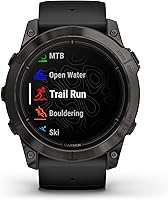
The Garmin epix Pro Gen 2 Sapphire Smartwatch is built for athletes who treat training data as a serious tool, not a novelty. Endurance runners, triathletes, and cyclists who want to understand how their fitness is trending over months — not just how far they went today — will find the depth of analytics here genuinely hard to match. The 51mm titanium build and sapphire lens make it a natural fit for people who spend real time in harsh conditions, whether that is mountain trails, open water, or early-morning winter roads where durability and visibility both matter. Athletes who have outgrown fitness trackers and want structured training guidance, recovery monitoring, and race-day pacing tools in a single device will find the transition worthwhile. The built-in flashlight is a small but meaningful addition for anyone who regularly trains before sunrise or after dark and would rather not strap on additional gear. Those already using Garmin Connect and the broader ecosystem will benefit most immediately, since the watch slots into existing workflows without requiring a platform change.
Not suitable for:

The Garmin epix Pro Gen 2 Sapphire Smartwatch is a poor match for anyone who wants a polished, low-friction smartwatch experience out of the box. Buyers coming from Apple Watch or Wear OS devices will find the interface logic genuinely unfamiliar, and the onboarding does little to ease that transition — expect to invest real time in learning the menu structure before the watch starts feeling intuitive. The 51mm, 88-gram case is a physical commitment: people with slimmer wrists often find the fit uncomfortable for all-day wear, and sleeve clearance becomes a daily nuisance during layered cold-weather dressing. Casual users who primarily want notifications, fitness basics, and a stylish daily watch will be paying a significant premium for capabilities they will never use, and simpler Garmin models cover those needs far more efficiently. Anyone sensitive to the learning curve or unlikely to engage with advanced training metrics, recovery scores, or offline navigation should genuinely reconsider whether this level of complexity serves them.
Specifications

  • Display: 1.4″ always-on AMOLED touchscreen with vibrant color reproduction and strong outdoor visibility in direct sunlight.
  • Lens Material: Scratch-resistant sapphire crystal lens, significantly more durable than standard mineral glass used on lower-tier variants.
  • Bezel Material: Titanium bezel construction provides a high strength-to-weight ratio and long-term resistance to corrosion and surface wear.
  • Case Size: 51mm case diameter designed for larger wrists, offering proportional fit and improved screen real estate for map and data viewing.
  • Weight: The watch weighs 88 grams including the strap, which is substantial but typical for a full-featured multisport GPS device at this size.
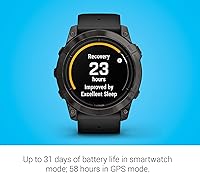
  • Battery Life: Up to 384 hours in smartwatch mode, with real-world GPS activity life varying based on satellite mode, sensors, and display brightness settings.
  • Storage: 32GB of onboard storage supports offline topographic maps, downloaded music, and activity data without requiring frequent file management.
  • GPS System: Built-in multi-band GPS with support for multiple satellite systems, improving positional accuracy in challenging environments such as dense forest and urban canyons.
  • Connectivity: Bluetooth, Wi-Fi, and USB connectivity enable wireless syncing to Garmin Connect, OTA firmware updates, and wired charging and data transfer.
  • Flashlight: Integrated LED flashlight with variable brightness levels and a strobe mode, accessible directly from the watch face for hands-free illumination.
  • Health Sensors: Continuous heart rate monitoring, HRV status, wrist-based Pulse Ox, and advanced sleep staging sensors are active 24 hours a day.
  • Training Metrics: Proprietary metrics including Hill Score, Endurance Score, Training Readiness, and wrist-based running power provide structured performance and recovery analysis.
  • Compatibility: Fully compatible with both Android and iOS smartphones via the Garmin Connect app for activity syncing, notifications, and ecosystem management.
  • Water Rating: The watch carries a 10 ATM water resistance rating, making it suitable for swimming, open-water events, and heavy rain exposure.
  • Form Factor: Round case profile with standard 26mm quick-release lug width, compatible with a wide range of third-party and Garmin replacement bands.
  • Charging: Proprietary Garmin charging cable with a magnetic connector; the watch does not support wireless Qi charging.
  • Platform: Runs Garmin's proprietary operating system with Connect IQ support, allowing installation of third-party watch faces, widgets, and data field apps.
  • Dimensions: Physical case dimensions measure 2.01 x 2.01 x 0.59 inches, giving the watch a notably tall profile off the wrist compared to slimmer competitors.

Related Reviews
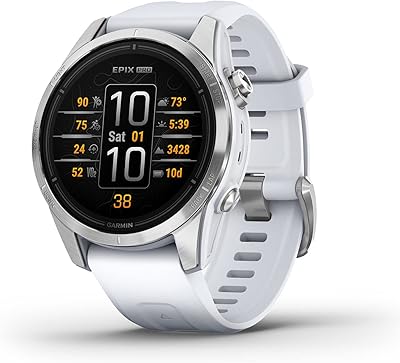
Garmin epix Pro (Gen 2) 42mm
87%
88%
Performance
91%
Health Tracking Features
89%
Build Quality and Durability
75%
Battery Life
92%
Display Quality
More
Garmin epix Gen 2, 32GB
85%
91%
Battery Life in GPS Mode
88%
Build Quality & Durability
94%
Health & Fitness Tracking
85%
Display Visibility
80%
Ease of Use & Navigation
More
Timetec 1TB Pro Portable USB 3.2 Gen 2 SSD
88%
93%
Performance
90%
Portability/Size/Weight
92%
Compatibility/Connectivity
95%
Speed (Read/Write)
85%
Value for Money
More
PNY Pro Elite V2 1TB Flash Drive
79%
91%
Transfer Speed
93%
Build Quality
67%
Thermal Management
88%
Capacity Utility
74%
Value for Money
More
PNY PRO Elite V3 2TB Type-C USB 3.2 Gen 2 Flash Drive
89%
94%
Transfer Speed
91%
Build Quality
89%
Compatibility
90%
Portability
88%
Reliability
More
Garmin Venu 2 GPS Smartwatch
87%
94%
Battery Life
88%
Health Tracking Accuracy
91%
Display Quality
80%
Ease of Use
86%
Fitness Features
More
Garmin Lily 2 Active Smartwatch
77%
93%
Design & Aesthetics
91%
Battery Life
78%
Built-in GPS Accuracy
88%
Health & Wellness Tracking
61%
Display & Readability
More
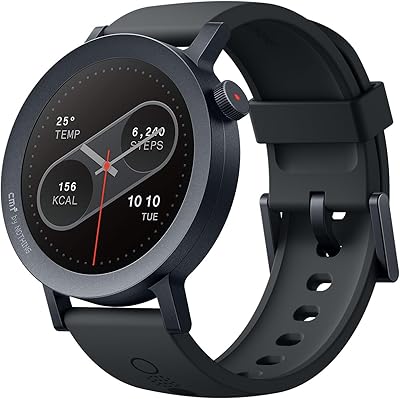
CMF Watch Pro 2 Smartwatch
77%
91%
Value for Money
88%
Battery Life
84%
Display Quality
71%
Health Tracking Accuracy
63%
GPS Performance
More
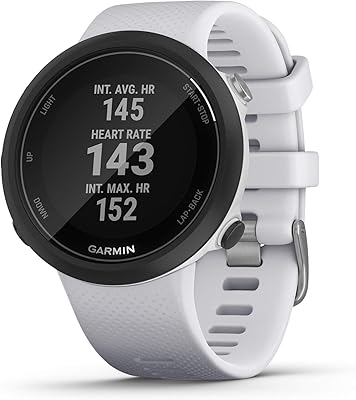
Garmin Swim 2 GPS Swimming Smartwatch
86%
92%
Swim Tracking Accuracy
89%
Battery Life
88%
Heart Rate Monitoring
85%
Comfort and Fit
83%
Ease of Use
More
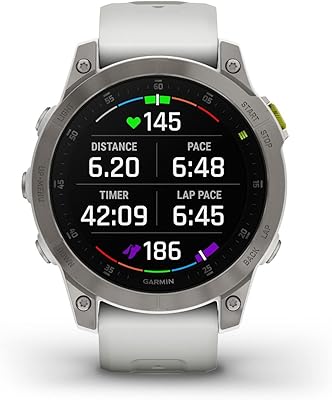
Garmin fēnix 7 Pro Sapphire Solar Smartwatch
77%
94%
GPS Accuracy
88%
Battery Life
92%
Build Quality
76%
Health Monitoring
91%
Sport & Training Metrics
More

FAQ

It depends entirely on your wrist size. The 51mm case is genuinely large, and if you have a smaller wrist it will likely feel oversized and catch on sleeve cuffs throughout the day. For people with larger wrists who have always found GPS watches undersized, it actually wears more naturally as an all-day piece than you might expect from the specs alone.

The headline battery figures apply to smartwatch mode with GPS off, so real-world GPS endurance is shorter. With multi-band GPS active, continuous heart rate monitoring, and music playing, expect significantly reduced runtime compared to the spec sheet. That said, in standard GPS mode without music, multi-day hiking trips are very manageable, and many users complete 20-plus-hour ultras on a single charge without issue.

You can absolutely start fresh with the Garmin epix Pro Gen 2 Sapphire Smartwatch, but be honest with yourself about your patience for learning new software. The interface logic is quite different from consumer smartwatches, and the sheer number of features means the first few weeks involve a lot of menu exploration. Garmin's online documentation and the active user community help bridge the gap, but it is not a plug-and-play experience.

This is one of the most consistently praised aspects of the watch. The AMOLED panel holds up well in direct sunlight — certainly better than many competing displays — and the always-on mode means you are not waiting for a wake gesture to check your pace mid-run. Users who wear polarized sunglasses occasionally note some viewing angle sensitivity, but for general outdoor training use the screen is a genuine upgrade over older display technologies.

Yes, the 10 ATM water resistance rating makes it fully suitable for pool swimming, open-water swims, and triathlon transitions. The watch tracks swim metrics including stroke rate, distance, and pace, and the GPS continues functioning in open water. The buttons are designed to be operable with wet hands, which matters during a race when you need quick access to lap data.

The Sapphire edition swaps the standard glass lens for a sapphire crystal, which is substantially harder and more scratch-resistant over years of regular use. The titanium bezel is also exclusive to the Sapphire variant, while the standard model uses a fiber-reinforced polymer case. The core training and health features are identical across variants — you are paying for materials durability, not additional functionality.

It works better than most people expect. The variable brightness modes mean it is genuinely usable for both close-range tasks like reading a trail map and broader path illumination during pre-dawn runs. The strobe mode adds a visibility safety function for road running at night. The one real complaint is accidental activation — the button is easy to hit when removing the watch, which gets annoying quickly until you adjust your habits.

The HRV status and sleep tracking are useful for trend analysis and are generally reliable enough to inform training decisions, but they are not clinical-grade measurements. Sleep stage accuracy in particular can feel inconsistent on specific nights, though weekly and monthly trends tend to reflect reality well. If you are using the data to understand recovery patterns rather than as precise medical diagnostics, the watch performs solidly.

Yes, the epix Pro Gen 2 supports ANT+ and Bluetooth connectivity, meaning it pairs with most Garmin and third-party heart rate straps, cycling power meters, foot pods, and speed or cadence sensors. If you are already running a Garmin ecosystem with these accessories, the transition is smooth and your existing kit remains fully compatible.

It depends on your background. If you have used any previous Garmin device, the interface will feel familiar and you will likely be comfortable within a few days. If you are coming from an Apple Watch or a basic fitness tracker, the menu structure is genuinely different and can feel counterintuitive at first. Most users report feeling competent after two to three weeks of daily use, though truly mastering all the training features takes considerably longer.

Where to Buy