Overview

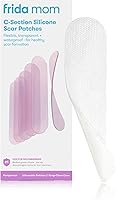
Frida Mom C-Section Silicone Scar Strips are designed around one specific reality: a c-section incision is not a small cut, and generic scar products rarely account for that. Silicone has long been the material dermatologists and surgeons reach for first when managing post-surgical scarring — it works by creating a moist, occlusive environment that encourages the skin to remodel more smoothly over time. At a mid-range price, these silicone scar patches sit comfortably between cheap drugstore options and expensive in-office treatments, making consistent scar care genuinely accessible. Just know upfront: this is a weeks-long commitment, not a quick fix.

Features & Benefits

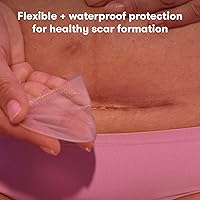
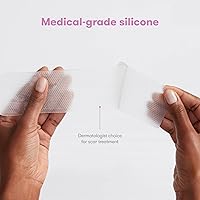
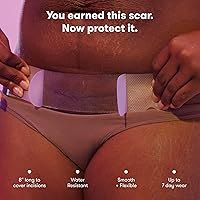
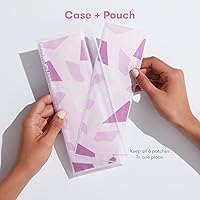
The design choices here are deliberate. Each strip measures 8 inches long — long enough to cover a typical low-transverse incision end to end, which matters because silicone only works where it maintains consistent contact. The medical-grade material creates an occlusive seal that locks in moisture and helps break down the excess collagen buildup responsible for raised, firm scars. These c-section strips are also fully waterproof, meaning they stay on through showers and daily activity without interrupting the treatment cycle. Each patch can be reused for up to seven days, rinsed and reapplied daily, and the included Keep-Clean Case makes storage and travel feel handled rather than improvised.

Best For

This scar treatment kit makes the most sense for new mothers in the first few months post-surgery, ideally started once the incision has closed and any staples or dissolvable sutures are fully resolved. It is a strong fit for anyone with a tendency toward keloid or hypertrophic scarring — those thick, raised, sometimes itchy formations that go beyond normal healing. Women with active lifestyles who cannot keep a patch dry or stationary will appreciate the waterproof hold. And for anyone weighing a dermatologist visit or scar revision, this is a sensible, non-invasive first step — one that physicians already recommend before pursuing more intensive options.

User Feedback

Across more than 1,500 reviews and a 4.2-star average, the pattern is fairly consistent. Most buyers report strong adhesion during daily wear and notice visible scar softening after several weeks of consistent use — the kind of gradual change that builds confidence without dramatic claims. The fit along the incision line gets particular praise. Where things get complicated: in humid weather or on skin that was not properly cleaned and dried before application, the edges can start peeling within a day or two rather than lasting a full week. A portion of users also found the seven-day reuse window optimistic for their skin type. Results genuinely vary, and patience is not optional here.

Pros

  • Purpose-built 8-inch length covers a full c-section incision in one strip, eliminating the gaps that reduce silicone therapy effectiveness.
  • Medical-grade silicone is the same material dermatologists and plastic surgeons consistently recommend for post-surgical scar management.
  • Fully waterproof design means the patches hold through daily showers, swimming, and normal postpartum movement without interruption.
  • Reusable for up to seven days per patch, bringing the practical cost-per-use down to a reasonable level across six strips.
  • The included Keep-Clean Case adds hygiene and portability that many competing scar patch kits skip entirely.
  • Addresses both keloid and hypertrophic scar types, covering the two most problematic post-surgical scarring patterns.
  • Self-adhesive construction requires no secondary tape or dressings, keeping the daily application routine simple.
  • Gradual redness reduction and tactile softening are the most consistently reported improvements across verified buyer feedback.
  • A broad base of over 1,500 real-world reviews provides meaningful signal on how these c-section strips perform outside controlled conditions.

Cons

  • Adhesive edges frequently lift in humid conditions or on oily skin, often failing days before the promised seven-day mark.
  • Visible improvement requires weeks of near-daily wear — inconsistent use produces little to no measurable change in scar texture.
  • The seven-day reuse claim is optimistic for many buyers; real patch longevity is often closer to three or four days.
  • Effectiveness drops significantly on older, fully matured scars — best results come only from starting treatment on fresh, healing tissue.
  • FSA or HSA eligibility has not been confirmed for this variant, limiting reimbursement options for cost-conscious buyers.
  • Six strips per pack may fall short of a complete recommended treatment cycle, requiring additional purchases.
  • Skin prep instructions are minimal in the packaging, and skipping a proper cleanse before application is a common cause of early peeling.
  • The Frida Mom C-Section Silicone Scar Strips are not a substitute for clinical intervention when dealing with severe, deeply raised keloid tissue.

Ratings

The Frida Mom C-Section Silicone Scar Strips earned their scores through AI analysis of thousands of verified buyer reviews worldwide, with spam, bot activity, and incentivized feedback actively filtered out to reflect genuine user experience. The ratings below weigh both what buyers consistently praised and the recurring frustrations that surfaced across skin types, climates, and recovery timelines. Strengths and pain points are represented in equal measure, so you can make an informed decision based on real-world outcomes rather than marketing claims.

Adhesion & Wear
73%
27%
Most users report that the strips hold firmly through typical daily activity — household tasks, light exercise, and wearing clothes over the treated area. The self-adhesive silicone grips well on clean, dry skin and resists normal movement without shifting or bunching throughout the day.
In humid weather or when skin is not properly prepped, the patch edges begin to peel back within hours rather than days, which is a recurring complaint from users in warmer climates. Women who skip a thorough cleanse-and-dry routine before applying often find themselves pressing corners back down repeatedly, making the treatment feel unreliable.
Scar Treatment Efficacy
78%
22%
Buyers who committed to consistent daily wear over four to eight weeks frequently reported noticeable scar softening, reduced redness, and a flatter texture at the incision line. The occlusive silicone mechanism is well-supported by clinical research, and the improvements align closely with what dermatologists would predict from this treatment class.
Results vary considerably across skin types and scar ages, and users who expected visible changes within the first week or two were consistently disappointed. Older or more fibrous scars showed slower and less dramatic improvement, and a meaningful share of buyers felt the overall change was too subtle to justify continued purchase.
Incision Size Fit
88%
The 8-inch length is one of the most frequently praised design decisions, with postpartum users noting that it covers their incision completely in a single strip — a detail that generic scar patches consistently get wrong. Not needing to piece together multiple shorter strips eliminates treatment gaps that would otherwise reduce overall effectiveness.
A small number of users with unusually long incisions or non-standard placement found that even the 8-inch length did not fully extend to both ends of the scar. The strip is also a fixed width, which may not align perfectly with scars positioned at a slightly different angle or height on the lower abdomen.
Value for Money
76%
24%
When users actually achieve the seven-day reuse claim, the cost-per-application across six strips works out to a reasonable figure compared to clinical silicone gel treatments or professional scar therapy sessions. The mid-range price positions the c-section strips as an accessible entry point before committing to more expensive interventions.
Users who found themselves replacing patches every two to three days rather than every seven felt the per-box cost climbed quickly, particularly during the extended treatment period that meaningful scar improvement requires. Six strips per pack may not be enough to sustain a full recommended course of treatment without purchasing multiple packs.
Reusability
67%
33%
On well-prepped, dry skin in temperate climates, some users genuinely hit the seven-day mark per patch, rinsing and reapplying daily without significant adhesion loss. Those who established a consistent cleaning routine found the strips stayed viable for longer, making the kit a reasonable value for disciplined users.
A substantial portion of buyers found the seven-day reuse claim optimistic in practice, with real-world patch life landing closer to three or four days before adhesion degraded meaningfully. Humidity, body heat, and skin oil all accelerate the breakdown, and there is no clear guidance in the packaging on how to maximize patch longevity.
Ease of Application
84%
The self-adhesive design means there is nothing complicated about the application process — peel, position, and press. New mothers managing recovery alongside newborn care found the straightforward routine easy to maintain daily without requiring extra supplies like tape or scissors.
The included instructions are sparse on skin prep guidance, and many users only discovered the importance of a proper cleanse-and-dry routine after experiencing adhesion failures. Without clearer application steps, first-time users often set themselves up for frustrating early results before working out the correct process through trial and error.
Waterproof Performance
71%
29%
The strips held up adequately for most users through daily showers, which is a practical necessity for postpartum women who cannot — and should not — avoid bathing to protect a patch. Being able to continue normal hygiene routines without interrupting the treatment cycle was a genuinely appreciated feature.
Extended soaking in baths or exposure to high water pressure consistently compromised edge adhesion, with multiple reviewers noting that corners began to lift noticeably after prolonged water contact. Users in particularly hot and humid environments also found that daily showering — even brief — accelerated the overall degradation of each strip's adhesive layer.
Comfort During Wear
82%
18%
Most users found the thin silicone construction unobtrusive under clothing, including the high-waisted postpartum underwear and compression garments common in early recovery. The material's flexibility meant it moved with the body without causing pinching or pressure at the incision site, which is a real comfort concern in the first weeks post-surgery.
A smaller subset of users reported mild skin irritation or a sticky, uncomfortable sensation at the patch edges after extended wear, particularly in warm temperatures where perspiration accumulated underneath. A few noted that the patch felt restrictive or too firm against the lower abdomen when worn with snug clothing for long stretches.
Storage & Packaging
86%
The Keep-Clean Case earned consistent praise for being a thoughtful, practical inclusion — it keeps unused and in-use strips protected from dust and bathroom surfaces, which matters for both hygiene and adhesive longevity. Users who traveled postpartum appreciated having a dedicated container that did not require improvised solutions like plastic bags or folded foil.
The case is functional rather than premium, and some users felt the fit was slightly loose, allowing patches to shift inside and pick up debris if the lid was not fully closed. A handful of reviewers also mentioned that the case could not accommodate all six strips simultaneously, requiring separate storage for extras.
Skin Compatibility
69%
31%
Medical-grade silicone is non-allergenic for the majority of users, and most postpartum women with normal skin tone and texture reported no irritation even during extended daily wear in the first weeks of recovery. The material contains no latex, fragrances, or known sensitizers, making it suitable for a broad range of skin profiles.
Users with naturally oily skin consistently reported adhesion problems that had less to do with preparation and more to do with baseline skin chemistry — the patches simply did not grip reliably regardless of their cleansing routine. Those with sensitive or reactive skin also noted occasional redness or mild irritation at the edges after prolonged contact.
Redness Reduction
79%
21%
Among users who stuck with the treatment for a full month or more, redness reduction was one of the most consistently reported improvements — the scar area gradually lost its inflamed, purplish hue and began to match surrounding skin tone more closely. This was often the first visible sign of progress, which encouraged continued use.
Results in this area were highly dependent on scar age and skin tone — users with fresh scars on lighter skin tones tended to see the most noticeable fading, while those with darker skin tones or older scars reported more modest changes. Some users noted that redness returned partially when they stopped treatment before the scar had fully matured.
Scar Softening Speed
61%
39%
Users who approached the treatment with patience and realistic expectations — aiming for gradual softening over eight to twelve weeks rather than rapid transformation — reported meaningful tactile changes and some improvement in the raised profile of the scar. These were the buyers who tended to leave the most satisfied long-term reviews.
For users expecting faster results, the pace of scar softening is the single biggest source of disappointment across the review pool — many stopped using the patches before reaching the timeframe where meaningful change typically begins. The product works, but it demands a level of long-term commitment that not every postpartum buyer can sustain given the demands of early parenthood.
Instructions Clarity
63%
37%
The core application concept is simple enough that most users figured out the basic routine without extensive documentation — peel, clean skin, apply, press firmly. Buyers who had prior familiarity with silicone scar products from previous surgeries or dermatologist recommendations found the learning curve to be essentially nonexistent.
The in-box instructions are notably sparse on the details that actually matter most — how to prep skin before application, how long to wear the patch each day, and what to do if adhesion fails early. First-time users with no prior experience with silicone therapy frequently reported confusion about proper use, which contributed directly to early drop-off rates.

Suitable for:

Frida Mom C-Section Silicone Scar Strips are a well-matched choice for new mothers who want to take an active, evidence-backed approach to managing their incision scar in the weeks following surgery. The 8-inch length means the strips are purpose-built for this specific incision type, not a generic solution repurposed and relabeled. Women who know they are prone to raised or thickened scarring — keloid or hypertrophic — will find the medical-grade silicone particularly relevant, as this is precisely the scenario where consistent silicone therapy delivers its strongest results. Active postpartum women will also appreciate that these patches do not require babying: they hold through showers, sweating, and routine movement, so daily life does not have to pause for treatment. And for anyone who has already spoken to a dermatologist or OB-GYN about scar management, this is the kind of at-home option those practitioners are likely to recommend before escalating to more invasive or costly interventions.

Not suitable for:

Frida Mom C-Section Silicone Scar Strips are not the right fit for every postpartum situation, and it is worth being honest about that. Anyone hoping for rapid visible results will likely be disappointed — silicone therapy is a slow process that requires weeks of daily wear before meaningful changes appear, and skipping days undermines the entire effort. Women who live in hot, humid climates or who perspire heavily may struggle with adhesion, particularly at the patch edges, which can begin to lift well before the seven-day reuse window is up. Those with oily skin or who skip a proper cleanse and dry before application will run into similar problems. This scar treatment kit also does not address mature, long-standing scars as effectively as it does fresh, still-healing tissue — if the scar is older and fully settled, expectations for change should be modest. Finally, buyers with severe keloid formations may find that at-home silicone therapy is a useful complement to clinical care, but not a substitute for it.

Specifications

  • Brand: Manufactured by Frida Mom, a brand focused on postpartum and maternal care products.
  • Material: Each strip is constructed from medical-grade silicone, the same class of material recommended by dermatologists and plastic surgeons for post-surgical scar management.
  • Patch Count: Each pack contains 6 individual silicone strips, all intended for reuse across multiple wear cycles.
  • Patch Length: Each strip measures 8″ in length, sized to cover a typical low-transverse c-section incision from end to end in a single application.
  • Reuse Duration: Each patch is rated for up to 7 days of reuse before replacement, though actual longevity depends on skin type, climate, and how thoroughly the strip is cleaned between uses.
  • Waterproof: The strips are fully waterproof and designed to remain adhered during showering, bathing, or swimming under normal daily conditions.
  • Scar Types: Formulated to treat both keloid and hypertrophic scar formations, with reported improvements in redness reduction and overall scar texture.
  • Adhesive Style: Self-adhesive silicone backing allows direct application without secondary tape, bandaging, or adhesive products.
  • Package Size: The retail package measures 1.26″ x 4.02″ x 10.51″, compact enough for a bathroom cabinet or postpartum hospital bag.
  • Package Weight: The complete kit weighs 3.88 oz, light enough to carry in a recovery bag or include in postpartum travel.
  • Accessories: Includes a dedicated Keep-Clean Case for hygienic patch storage between uses and a separate storage pouch for on-the-go convenience.
  • Application Area: Designed specifically for the lower abdominal incision site associated with cesarean deliveries, and not intended for facial, joint, or non-surgical scar use.
  • Launch Date: First made available to consumers in January 2022.
  • Market Rank: Ranked #4 in the Maternity Skin Care category on Amazon at time of review, based on sales performance data.
  • FSA/HSA Status: FSA or HSA eligibility has not been officially confirmed for this specific product variant; buyers should verify coverage directly with their benefits provider.

Related Reviews
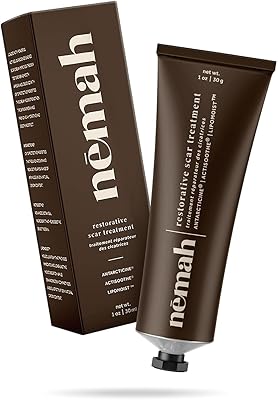
Nemah Restorative Scar Treatment for C Section Recovery 1 oz.
88%
88%
Effectiveness for Scar Reduction
93%
Skin Compatibility (Sensitive Skin)
90%
Hydration & Skin Soothing
84%
Non-Greasy Texture
91%
Scent (Unscented Formula)
More
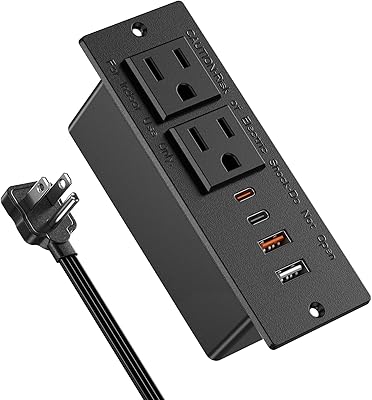
Jgstkcity 6-Port Recessed Desk Power Strip
75%
93%
Aesthetic Integration
71%
Installation Experience
61%
USB Charging Speed
67%
Mount Stability
84%
Port Variety
More
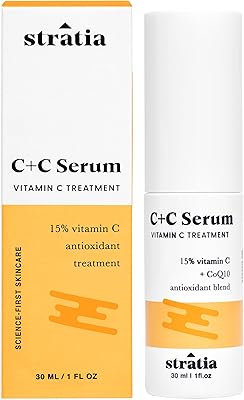
Stratia C+C Vitamin C Serum 15% – 1 Fl Oz
87%
89%
Effectiveness in Brightening
84%
Anti-Aging Performance
91%
Skin Sensitivity Compatibility
92%
Texture and Feel
94%
Absorption Rate
More
Asamoom 15FT Flat Plug Power Strip
82%
94%
Cord Length & Reach
91%
Flat Plug Design
88%
Outlet Count & Spacing
83%
Surge Protection
67%
USB Charging Performance
More
Kungfuking 10FT Retractable Power Strip
78%
88%
Cord Reel Mechanism
91%
Portability & Form Factor
83%
Outlet Count & Layout
86%
USB-C PD Charging
79%
Surge Protection
More
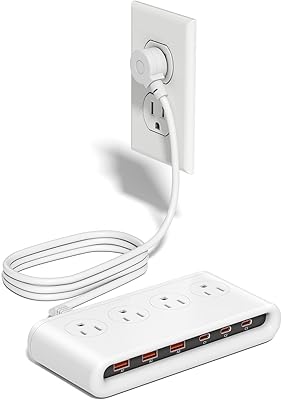
Anker 12-in-1 Flat Plug USB-C Power Strip
86%
93%
Plug & Cable Design
91%
Port Variety & Count
78%
USB-C Charging Speed
89%
Surge Protection
88%
Build Quality
More
VPSUN Power Strip with USB C 35W, 10-in-1
86%
91%
Charging Performance
88%
Space-saving Design
89%
Safety Features
82%
Build Quality
85%
Port Selection
More
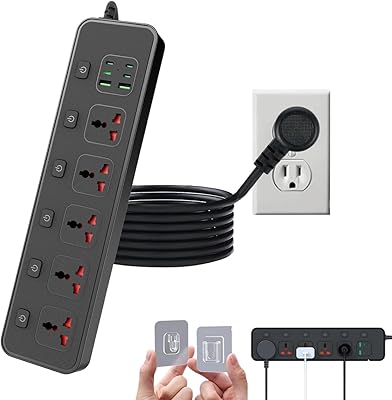
Jumpso 6ft Flat Plug Universal Power Strip
81%
91%
Outlet Design & Spacing
93%
Flat Plug Functionality
88%
International Compatibility
83%
USB-C Port Performance
74%
Build Quality & Materials
More
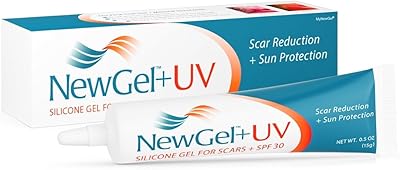
NewGel+ Plus UV Silicone Scar Gel 15g
78%
78%
Scar Treatment Efficacy
82%
UV Protection Effectiveness
71%
Texture & Absorption
63%
White Cast
91%
Formula Cleanliness
More
ANNQUAN 30W USB C Power Strip Surge Protector
86%
88%
Value for Money
91%
Charging Speed
85%
Surge Protection
89%
Design and Usability
74%
Cord Length
More

FAQ

The general guidance is to wait until the incision has fully closed and any external staples or sutures have been removed or dissolved — typically around 6 to 8 weeks post-surgery, though this varies by individual. Your OB-GYN is the most reliable person to confirm when your skin is ready. Starting too early on tissue that has not fully healed can cause irritation or slow down the natural closure process.

Rinse each strip under lukewarm water with a small amount of mild soap, gently rub away skin oils and residue with your fingertips, then lay it flat on a clean surface and let it air-dry completely before reapplying. Avoid scrubbing aggressively or soaking the strips for extended periods, as this breaks down the adhesive faster. Proper cleaning is one of the biggest factors in how many days of real use you get out of each patch.

For most users, these c-section strips hold reasonably well through a standard shower. The trouble tends to come with prolonged water exposure, like soaking in a bath or hot tub, where the edges can start to lift after extended contact. Pressing the edges back down firmly after towel drying usually restores a solid seal, but if you notice consistent edge lifting, a thorough skin-prep routine before application makes a significant difference.

Silicone scar therapy is gradual by nature — most consistent users start noticing softer texture and reduced redness somewhere between four and eight weeks of daily wear. Improvement in scar height or discoloration can take considerably longer, especially for raised or thickened scars. Going in with the expectation of slow, incremental progress rather than a dramatic transformation will set you up to stick with it long enough for the treatment to actually work.

Yes, and many postpartum women actually find this combination helpful, since light compression from a soft high-waisted garment can press the patch more firmly against the skin and improve contact. Just be sure the fabric is not so tight or rigid that it catches the edges and causes them to peel back with movement. Softer compression options tend to work better over the incision area than structured abdominal binders.

The most common cause of early edge lifting is insufficient skin prep before application. The incision area needs to be completely clean, free of body oils or lotion, and fully dry before the strip goes on — even a small amount of moisture or product residue can undermine adhesion. Waiting a few extra minutes after showering before applying helps, and in persistently humid environments, a small piece of medical-grade tape at the corners can provide added security.

Medical-grade silicone is generally non-allergenic and well-tolerated on healing skin, but the incision site needs to be fully closed with no open areas or active inflammation before you start. If the surrounding skin still feels tender or looks irritated, it is worth waiting a bit longer. Doing a short patch test on a small area of nearby skin for a day or two before committing to full daily wear is a sensible precaution if you have sensitive skin.

Silicone therapy can produce some improvement on older scars, but results tend to be more modest compared to starting treatment on a relatively recent wound. The mechanism relies on rehydrating and softening scar tissue over time, and more fibrous, fully matured scars are harder to influence through topical treatment alone. If your scar is more than a year or two old, it is still worth trying, but the realistic expectation is gradual softening rather than significant flattening.

There is no official manufacturer guidance on cutting these scar patches, but many users do trim silicone strips to fit without major issues. The cut edge does not have the same smooth, sealed profile as the original edge, which means it can be slightly more prone to lifting along that side. If your incision is shorter than 8 inches, trimming with clean scissors is a practical option — just monitor that side more closely for edge adhesion.

FSA and HSA eligibility for this specific product variant has not been officially confirmed by the manufacturer, so you should not assume it qualifies automatically. Some buyers have had success submitting silicone scar treatment products for reimbursement with supporting documentation, but approval depends entirely on your individual plan administrator. Contact your benefits provider or submit the product details for a pre-approval determination before purchasing with your flex account.