Overview

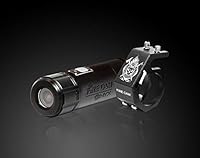
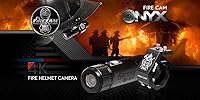
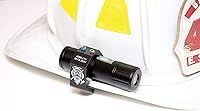
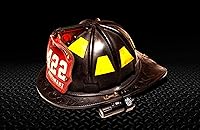
The Fire Cam Onyx 4K Helmet Camera was built from the ground up for firefighters and first responders — not repurposed from a recreational action cam and rebadged for the fire service. Fire Cam designed it specifically to mount on US-style structural helmets and any brim-style lid, which matters more than it sounds when you're working in close quarters. At its price tier, buyers reasonably expect professional-grade reliability, not hobbyist hardware. The package arrives with a proprietary helmet mount and a 32GB micro SD card already included. This is a documentation tool first — built to capture incident footage with purpose, not repurposed from the consumer shelf.
Features & Benefits

The Onyx 4K shoots at 4K at 30fps, giving incident commanders and investigators clear, detailed footage for post-incident review. Drop to 1080p and you can push up to 120fps for slow-motion playback — useful when reconstructing exactly how a fire progressed. The CMOS sensor's low-light capability is arguably the most practical spec here; fireground visibility is rarely ideal, and footage captured in smoke or at night needs to hold up. The wide-angle f/3.5 lens captures enough scene context without severe distortion. At just 4 ounces with a 2-inch onboard screen, settings adjustments happen on the device itself — no app, no phone required. Auto power-on record means it starts capturing without any manual input.

Best For

This fire helmet camera is the practical choice for structural firefighters who need dependable incident documentation without cobbling together a generic action cam setup. Fire investigators and training officers will find the 4K footage useful when reviewing footage frame-by-frame for after-action reports or teaching purposes. Volunteer departments will appreciate that it arrives ready to deploy. Beyond structural fire, the brim-mount design makes this helmet cam a reasonable fit for wildland crews, rope rescue teams, or any helmet-wearing professional needing a compact, self-contained camera. If you want a plug-and-play solution that doesn't rely on a proprietary app or cloud upload to function, this is a strong candidate.

User Feedback

Among buyers who actually work in the fire service, the mount system earns consistent praise — it holds position during active operations without shifting or rattling loose. Low-light video clarity also draws positive mentions, with first responders noting performance in smoky conditions better than expected. On the critical side, battery life under extended use is a recurring concern; for long incidents, carrying a spare or planning for recharge between deployments seems advisable. A handful of reviewers swapped the included 32GB card immediately for higher-capacity storage, though others found it adequate for standard shifts. Heat and water resistance specs are not clearly stated, and several buyers flag this as an unresolved question for heavy structural deployment.

Pros

  • Purpose-built mount fits US-style fire helmets securely without aftermarket modifications.
  • 4K at 30fps produces detailed footage suitable for incident investigation and legal documentation.
  • Low-light CMOS performance holds up better than consumer-grade alternatives in smoky conditions.
  • Auto power-on record means the camera can start capturing without any manual input at the scene.
  • At 4 ounces, this helmet cam adds negligible weight even during extended wear.
  • The 2-inch onboard screen allows on-site footage review without a phone or laptop.
  • Time and date stamping is built in, which matters for chain-of-custody documentation.
  • Arrives ready to use with mount and SD card included — no additional purchases required to deploy.
  • No companion app dependency means it functions reliably in the field regardless of cellular connectivity.
  • 1080p at 120fps slow-motion mode is a practical tool for training officers breaking down incident footage.

Cons

  • Battery life under continuous recording falls short for extended incidents without a backup power option.
  • Heat and water resistance are unspecified, leaving durability limits unclear for structural deployment.
  • 32GB included card fills quickly when shooting in 4K, requiring a higher-capacity replacement for longer shifts.
  • No wireless transfer means offloading footage always requires a physical USB connection.
  • Settings navigation is fiddly with gloves on due to the small onboard screen interface.
  • Audio quality degrades noticeably in high-noise environments like working apparatus or exterior wind.
  • Image stabilization is limited, producing shaky footage during active physical movement on the fireground.
  • Mount hardware can loosen over time with repeated removal and reattachment across many shifts.
  • No remote control or live preview option limits its integration into modern incident command workflows.
  • Buyers outside the US may find the brim-mount system incompatible with their helmet designs.

Ratings

The Fire Cam Onyx 4K Helmet Camera has been evaluated by our AI rating system after parsing verified buyer reviews from global sources, with spam, bot-generated, and incentivized feedback actively filtered out. The scores below reflect the real-world experiences of structural firefighters, first responders, and fire service professionals who put this helmet cam to work on actual incidents. Both the genuine strengths and the recurring pain points are reflected transparently in every category.
Video Quality
83%
Buyers working actual fireground assignments consistently report that 4K footage holds up well for incident documentation, with enough detail to identify equipment, read signage, and track crew movement. The 1080p slow-motion mode at 120fps has been singled out by training officers as genuinely useful for after-action breakdowns.
A portion of reviewers note that 4K files are large and the included U1-class card can create bottlenecks during transfer. A few users also report that auto-exposure occasionally struggles transitioning between very bright exterior scenes and dark interior compartments.
Low-Light Performance
79%
21%
This is where the Onyx 4K earns its strongest praise from actual fire service users. Footage captured in smoke-filled structures or during nighttime operations retains more usable detail than many buyers expected at this price point, which is directly relevant to its intended use case.
Low-light performance, while solid, is not flawless — reviewers note that heavy smoke or near-zero-visibility conditions still produce noticeable grain and reduced clarity. It performs better than consumer-grade alternatives but does not match dedicated professional body-cam systems used by larger departments.
Mount System & Stability
86%
The purpose-built mount for US-style fire helmets and brim-style lids is consistently praised for staying put during active operations. First responder reviewers specifically note that the camera does not shift, rattle, or pull the brim out of position even during physically demanding work.
The mount is designed narrowly for brim-style helmets, which means users with non-standard lids or international helmet designs may need to improvise. A small number of reviewers also report that long-term repeated removal and reattachment begins to loosen the mount hardware.
Ease of Use & Setup
88%
The plug-and-play nature of this helmet cam is one of its most cited practical advantages. Buyers appreciate that the camera arrives with the mount and SD card ready to go, and the auto power-on record feature means it can be configured to start capturing without any manual input at the scene.
The onboard 2-inch screen, while functional, makes navigating settings menus a bit fiddly with gloves on — a real-world limitation for its core user base. A couple of reviewers mention the settings interface could be more intuitive for users who are not tech-oriented.
Battery Life
58%
42%
For shorter incidents and training evolutions, the battery handles the task adequately. Buyers who use the camera for documentation during routine inspections or controlled burns report sufficient runtime without issue.
Battery life under sustained recording is a recurring and legitimate complaint. Reviewers working extended incidents report the camera running low before the job wraps, and there is no hot-swap battery option. For multi-hour deployments, carrying a backup power solution appears to be a practical necessity.
Build Quality & Durability
74%
26%
The camera feels solid in hand and the overall construction reads as purpose-built rather than repackaged consumer hardware. At 4 ounces it is light, but it does not feel flimsy — several reviewers describe it as having a reassuringly rugged feel for the form factor.
Heat and water resistance specifications are not clearly published, and this is a legitimate concern raised by multiple reviewers in the fire service. Buyers should not assume it meets any formal IP rating without verification from the manufacturer, which several users flag as a gap at this price tier.
Image Stabilization
63%
37%
For relatively stable helmet-mounted use during walk-throughs and documentation, the footage is acceptably steady. Training footage and investigative walkthroughs benefit from the inherent stability of a helmet mount rather than handheld use.
There is no clearly advertised electronic image stabilization, and it shows during active physical work. Footage captured during rapid movement — hose advancement, ladder climbing — can be noticeably shaky and reduces the usability of clips for formal reporting or legal documentation purposes.
Audio Quality
61%
39%
Audio capture is functional and sufficient for recording verbal communications and ambient sound at a scene. Buyers who use footage primarily for visual documentation rather than audio transcription report no significant complaints.
Reviewers who need clear voice capture — particularly for training videos intended for department use — find the audio underwhelming. Wind noise and apparatus noise bleed significantly at outdoor scenes, and the WAV/MP3 format support does not compensate for a microphone that struggles in loud environments.
Onboard Display
71%
29%
Having a 2-inch screen built into the camera body is genuinely useful for reviewing footage on-site without pulling out a phone or laptop. Investigators who want to do a quick preview check immediately after an incident find it saves time.
The screen is small enough that detailed footage review is limited — it confirms footage was captured, but fine detail is hard to assess. Outdoor visibility in direct sunlight is also reported as mediocre by several buyers who use the camera in daytime exterior environments.
File Management & Storage
67%
33%
The included 32GB micro SD card provides a workable starting point for most single-shift documentation needs. USB connectivity for offloading footage is straightforward and does not require proprietary software to access files.
Some buyers swap the included card immediately for higher-capacity storage, and 32GB fills quickly when shooting in 4K. There is no wireless transfer option, which means offloading footage requires a physical connection — a friction point for departments trying to build streamlined digital evidence workflows.
Value for Money
72%
28%
Buyers who evaluate this helmet cam against what it would cost to adapt a generic action camera for fire helmet use — with aftermarket mounts, waterproofing accessories, and trial-and-error — generally conclude the purpose-built approach justifies the price premium for professional use.
A segment of reviewers, particularly those comparing it to high-spec consumer action cameras at lower price points, feel the feature set does not fully justify the cost. The lack of clear durability certifications and the battery life limitations are cited most often as the factors that create value hesitation.
Compatibility & Versatility
77%
23%
Beyond structural firefighting, the brim-mount design has been adopted positively by wildland fire crews, rope rescue teams, and technical rescue personnel who use compatible helmet styles. The self-contained operation without an app dependency makes it adaptable across different field environments.
The mount system is not universal, and users with European or non-standard helmet designs report compatibility challenges. There is no mentioned compatibility with body-worn vest mounts or alternative attachment systems for users who want flexibility beyond the helmet.
Software & App Dependency
81%
19%
The absence of a required companion app is a genuine advantage for field deployment. Settings are managed directly on the device, which means no smartphone pairing, no firmware quirks tied to a third-party app, and no dependency on cellular connectivity to operate.
The flip side is that there is no remote control, live preview, or wireless configuration option at all. For departments that want to remotely monitor footage or integrate with incident command systems, this camera offers no pathway to do so.
Weight & Comfort
84%
At 4 ounces, the Onyx 4K adds minimal perceptible weight to a helmet during extended wear. Buyers who have worn it through long training days or multi-hour incidents consistently report that it does not cause noticeable fatigue or brim sag over time.
While the camera itself is light, the combined profile with the mount adds a forward protrusion that a few users find catches on low ceilings or tight overhead spaces during crawling operations. It is a minor concern, but worth noting for users working in confined spaces frequently.

Suitable for:

The Fire Cam Onyx 4K Helmet Camera was built for a specific professional context, and it shows — structural firefighters who need dependable incident documentation will find it one of the most purpose-fit options available at this tier. The brim-mount design works directly with US-style fire helmets, so there is no rigging, no aftermarket adapter work, and no guessing whether it will hold under physical stress. Fire investigators and training officers benefit particularly from the 4K resolution and slow-motion 1080p capability, both of which make post-incident footage genuinely useful rather than just archival. Volunteer departments operating without large equipment budgets will appreciate that the camera arrives ready to deploy with the mount and SD card already included. Beyond structural fire, the Onyx 4K is a practical fit for wildland crews, rope rescue teams, and any first responder using a compatible brim-style helmet who wants a self-contained camera that does not depend on a smartphone or cloud service to function.
Not suitable for:

Buyers expecting the Fire Cam Onyx 4K Helmet Camera to function as an all-weather, ruggedized body camera with published IP ratings will be disappointed — heat and water resistance specifications are not clearly documented, and that ambiguity is a real concern for heavy structural deployment. If your department needs footage integrated into a digital evidence management system or wants wireless transfer and remote monitoring capabilities, this camera does not offer those features. Users with non-US helmet styles or non-brim designs will likely find the proprietary mount incompatible without significant workarounds. Anyone planning on extended multi-hour deployments should know upfront that battery life under continuous recording is a documented weak point, and there is no hot-swap option to bridge the gap. Buyers comparing raw specs per dollar against high-end consumer action cameras may feel underserved, particularly if formal durability certifications matter to their department's procurement standards.
Specifications

  • Brand & Model: Manufactured by Fire Cam under the model designation Onyx 4K, built specifically for fire service and first responder use.
  • Dimensions: The camera body measures 4.37 x 1.25 x 1.25 inches, keeping the overall profile compact enough for active helmet-mounted use.
  • Weight: The unit weighs 4 ounces, adding minimal load to a fire helmet even during extended operational periods.
  • Video Resolution: Supports 4K recording at 30fps, 1080p at 120fps for slow-motion, 1080p at 60fps, and standard 1080p at 30fps.
  • Sensor Type: Uses a CMOS imaging sensor optimized for performance in low-light and variable-visibility environments.
  • Aperture: The lens operates at a maximum aperture of f/3.5, supporting light intake in low-visibility conditions such as smoke-filled structures.
  • Onboard Display: Equipped with a 2-inch built-in screen for direct playback and on-device settings navigation without requiring a smartphone or app.
  • Storage: Records to Micro SD cards; a 32GB U1-class card is included in the box as a ready-to-deploy starter.
  • Connectivity: Transfers footage via USB connection; no wireless or Bluetooth transfer capability is specified for this model.
  • Audio Formats: Supports WAV and MP3 audio formats for recorded video files.
  • Battery: Powered by one proprietary rechargeable battery that is included with the camera at purchase.
  • Special Features: Onboard feature set includes time and date stamping, time lapse recording, auto power-on with record, and auto power-off functionality.
  • Included Mount: Ships with a proprietary Fire Cam mount designed to attach to US-style structural fire helmets and any brim-style helmet.
  • Color: Available in black as the standard colorway for this model.
  • Supported Formats: Video is captured in 4K and 1080p formats; audio recording is compatible with WAV and MP3 output formats.

Related Reviews
Fire Cam 1080p Helmet Camera
87%
94%
Build Quality & Durability
88%
Video Quality
72%
Battery Life
90%
Mounting System & Compatibility
92%
Waterproof Performance
More
eufy Indoor Cam E30
eufy Indoor Cam E30
78%
91%
Video Clarity
84%
Auto-Tracking Performance
76%
Night Vision Quality
71%
App Experience
62%
HomeKit Integration
More
eufy Security S330 4G LTE Solar Camera
76%
88%
Cellular Connectivity Reliability
67%
Solar Charging Performance
91%
4K Image Quality (Daytime)
74%
Night Vision & Low-Light Clarity
86%
Pan & Tilt Coverage
More
MUBILIFE M802 4K Security Camera System 4 Cam-Kit
86%
91%
Value for Money
88%
Ease of Setup
90%
Video Quality
85%
AI Motion Detection
80%
Solar Charging Efficiency
More
Penemay Dash Cam V31 4K Front + 1080P Rear Camera
83%
93%
Video Quality
88%
WiFi and App Functionality
90%
Ease of Setup
75%
Parking Mode Performance
80%
Design and Display
More
Antika A8 Wireless CarPlay Dash Cam Screen
74%
91%
Ease of Installation
86%
Wireless Connectivity
83%
Display Quality
68%
Dash Cam Performance
61%
Touch Responsiveness
More
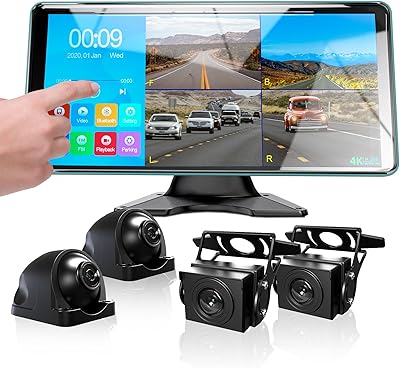
Ciascy 4K Backup Camera 4 Channel 360 Dash Cam with 10.36″ Quad Split Touch Screen
84%
91%
Image Quality
88%
Ease of Installation
90%
Durability and Weather Resistance
87%
Night Vision Performance
92%
Display Quality
More
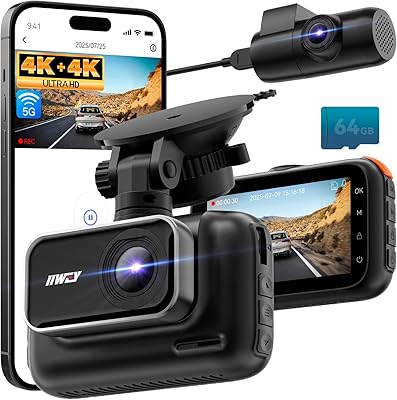
IIWEY Q5 4K+4K Dual Dash Cam
75%
88%
Front Video Quality
82%
Rear Video Quality
86%
Night Vision Performance
67%
Wi-Fi & App Experience
61%
Parking Mode
More
Miofive S1 Ultra 4K+4K Dash Cam
85%
92%
Video Quality (Daytime)
89%
Night Vision Performance
84%
Ease of Setup
88%
App & Connectivity
91%
GPS Accuracy
More
ROQIOO A9
ROQIOO A9
67%
83%
Value for Money
61%
Image Quality
58%
Video Quality
81%
Flip Screen Usability
54%
Build Quality & Durability
More

FAQ

The mount is purpose-designed for US-style brim helmets, not a generic adapter, and most first responder buyers report it holds firm through physically demanding work. That said, like any mount system, it benefits from proper initial installation — take the time to seat it correctly before relying on it in the field.

Battery life under continuous 4K recording is one of the most commonly cited limitations of the Onyx 4K. Buyers working longer incidents — anything beyond a couple of hours of sustained recording — often carry a charged spare. If your department runs extended operations routinely, plan for a backup power strategy from the start.

Fire Cam does not publish a formal IP rating or explicit heat tolerance specification for this camera, which is a legitimate gap for buyers considering heavy structural deployment. Based on available information, you should not assume it is rated for water submersion or direct heat exposure. If your department requires formally certified durability specs, verify directly with Fire Cam before purchasing.

For most single-shift documentation needs shooting at 1080p, 32GB is generally workable. If you plan to record in 4K consistently, that card will fill faster than expected — many buyers swap it out for a 64GB or 128GB card early on. The included card is a reasonable starting point, but high-volume users will likely upgrade it.

No app or smartphone is required at any point. All settings are managed directly on the camera using the 2-inch onboard screen. That self-contained operation is one of its genuine practical advantages for field deployment, especially in environments where pulling out a phone is not realistic.

The included mount is designed for US-style structural helmets and brim-style lids, so it works well on those. Wildland helmets with a standard brim profile generally work. European-style or non-brim helmets are a different story — compatibility is not guaranteed and may require improvised mounting solutions.

Buyers who have used this fire helmet camera inside structure fires report that the low-light capability is genuinely better than what you would get from a repurposed consumer action camera. It is not perfect in heavy smoke or near-zero visibility, and you will see grain in extreme conditions, but for the majority of real-world fireground documentation it performs meaningfully above the consumer baseline.

Electronic image stabilization is not clearly specified for this model. Footage captured while stationary or during steady movement is acceptably smooth, but during active physical work — advancing a hoseline, climbing a ladder — expect noticeable shake. The helmet mount itself provides more stability than handheld use, but it is not a substitute for optical or electronic stabilization.

Yes, time and date stamping is listed as a configurable setting, not a permanently burned-in overlay. You can turn it on or off based on your department's documentation requirements or personal preference through the onboard settings menu.

Footage is offloaded via USB connection to a computer, or you can remove the Micro SD card and use a card reader directly. There is no wireless transfer option, so a physical connection is always required. For departments building a digital evidence workflow, factor that into your process planning.