Overview

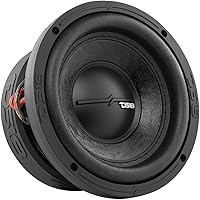
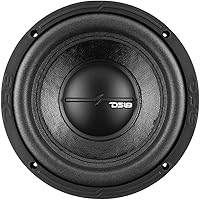
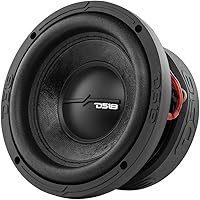
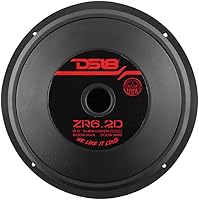
The DS18 ZR6.2D 6.5″ Dual Voice Coil Subwoofer sits in an interesting spot in the car audio market — compact enough for tight installs, yet engineered to deliver genuine low-end punch rather than just the appearance of it. DS18 has built a reputation for offering real performance at accessible price points, and this compact sub continues that tradition. What separates it from the crowd at this tier is the dual voice coil configuration, a feature you typically find on pricier drivers. If you're tired of your factory system's flat, lifeless sound and want more bass without gutting your trunk, this is a logical starting point.

Features & Benefits

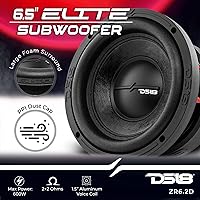
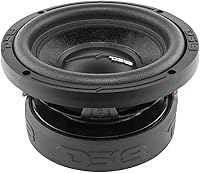
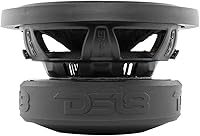
The dual voice coil setup is probably the most practical advantage here — each coil runs at 2 ohms, meaning you can wire them in parallel for 1 ohm, in series for 4 ohms, or run them independently. In plain terms, that gives you more flexibility to match whatever amplifier you already own. The non-pressed paper cone and foam surround keep the driver responsive without adding unnecessary mass, and 300W RMS is enough to make a real impression inside a sedan. The matte black steel basket keeps things solid, and the whole unit weighs just over 3 pounds, making installation manageable for a single person.

Best For

This compact sub makes the most sense for drivers dealing with genuine space limitations. Compact sedans, small trucks, or any build where a 10-inch or 12-inch woofer simply won't fit — that's where the ZR6.2D earns its keep. The DVC flexibility is a real plus for DIY installers who already have an amplifier and don't want to swap it just to match impedance. It also works well as a supplemental driver in a larger multi-speaker setup. If you're brand-shopping and want something from a recognized name rather than a generic import, the value proposition here is straightforward and hard to argue with.

User Feedback

Buyers generally appreciate the bass output relative to the driver's size — running it in a properly tuned sealed box draws positive comments about tightness and punch. Installation feedback is mostly favorable; people find the wiring options manageable once they understand the basics. Where opinions diverge is enclosure sensitivity — this dual voice coil driver is notably fussier about box type and internal volume than some competitors, and results in the wrong enclosure can feel underwhelming. A handful of users have raised concerns about long-term reliability at sustained high volumes. Build quality impressions are generally positive, though some note the cone feels lighter than expected at first glance.

Pros

  • The dual voice coil configuration gives real wiring flexibility, making it easier to match your existing amplifier without buying new gear.
  • Solid bass output for a 6.5-inch driver — noticeably better low-end presence than any factory-installed speaker.
  • At just over 3 pounds, this compact sub is easy to handle and install without a second pair of hands.
  • The 6.75-inch outer diameter fits cleanly into common door and trunk mounting locations without custom fabrication.
  • Non-pressed paper cone keeps the driver responsive and punchy rather than sluggish at moderate listening volumes.
  • DS18 is a recognized brand with an established support presence, which matters when you need warranty help or replacement parts.
  • The matte black steel basket looks clean and holds up well against flex during installation.
  • 300W RMS continuous power handling is genuinely useful in a sedan or small truck, not just a marketing number.
  • Works well as a supplemental driver in a multi-sub setup where space is at a premium.
  • Straightforward installation process — buyers with basic car audio experience report getting it up and running without professional help.

Cons

  • Low-frequency extension has real physical limits; expect roll-off well above the 30Hz range serious bass enthusiasts want.
  • Output is highly sensitive to enclosure choice — the wrong box volume or port tuning will noticeably hurt performance.
  • Some buyers have reported concerns about voice coil longevity when the driver is pushed hard for extended periods.
  • The cone material feels lighter than expected up close, which can make the build quality feel less premium than the steel basket suggests.
  • Limited warranty coverage means you may be on your own if problems develop outside the standard window.
  • Not waterproof at all — any moisture exposure in a trunk or truck bed risks permanent damage.
  • At this driver size, output will struggle to fill larger vehicle cabins like full-size vans or three-row SUVs.
  • Buyers without prior car audio experience may find the DVC wiring options confusing without additional research or guidance.

Ratings

The scores below for the DS18 ZR6.2D 6.5″ Dual Voice Coil Subwoofer were generated by AI after processing verified buyer reviews from multiple global markets, with spam, bot activity, and incentivized submissions actively filtered out. Each category reflects the honest distribution of real user experiences — strengths and frustrations alike — so you get a transparent picture before committing to a purchase. Where this compact sub genuinely impresses, the scores show it; where buyers have run into consistent friction, that is reflected too.

Bass Output for Size
83%
For a 6.5-inch driver, buyers consistently report being caught off guard by how much usable low-end this sub produces in a sealed enclosure inside a compact car. Daily commuters upgrading from a factory system describe the difference as immediately noticeable — fuller, rounder sound with real punch on bass-heavy tracks.
At the same time, users coming from larger woofers or expecting true sub-40Hz extension are often left wanting more. The driver simply cannot move enough air to deliver the chest-thumping pressure that 10-inch or 12-inch subs produce, and this disappoints buyers who did not factor in physical size limitations.
Dual Voice Coil Flexibility
89%
The DVC configuration is one of the most frequently praised aspects, especially among DIY installers who already own an amplifier with a fixed impedance. Being able to wire to 1 ohm, 4 ohms, or run each coil independently saves real money by eliminating the need to buy new amplifier hardware just to achieve a compatible load.
Buyers without prior car audio experience find the wiring options confusing at first, and a small but recurring group of reviewers admit they wired it incorrectly before getting help online. The included documentation does not do enough to walk first-timers through the process in plain language.
Enclosure Sensitivity
58%
42%
When paired with a properly tuned sealed enclosure in the right internal volume range, the ZR6.2D performs noticeably better than its price tier would suggest. Buyers who took the time to calculate box dimensions correctly consistently report clean, controlled bass with minimal distortion at moderate volumes.
This is the most common pain point across verified reviews. Users who dropped it into a generic prefab box or estimated enclosure volume without calculating properly often describe the output as thin, boomy, or underwhelming. The driver is meaningfully more sensitive to enclosure choice than typical single-coil competitors in its class.
Build Quality
74%
26%
The matte black steel basket feels solid in hand and shows no flex during installation, which reassures buyers handling the driver for the first time. The overall assembly looks clean and intentional — not the kind of budget product that visibly cuts corners on finish.
The non-pressed paper cone draws mixed reactions up close. A noticeable share of reviewers mention it feels lighter and less substantial than expected given the steel basket surrounding it, and a handful express doubt about long-term cone integrity under regular heat cycling inside a vehicle.
Power Handling
78%
22%
Running the driver at 300W RMS through a well-matched amplifier fills a sedan or small SUV cabin with confident, authoritative bass that holds up across a range of genres — from hip-hop to electronic to rock. Users who stay within the RMS ceiling report no thermal issues even after extended daily use.
Pushing the driver hard and consistently toward the 600W peak ceiling has generated some durability complaints, particularly around voice coil stress. A recurring thread in longer-term reviews involves reduced output or distortion appearing after several months of high-volume use, suggesting the driver prefers conservative power settings.
Installation Ease
81%
19%
The 6.75-inch outer diameter fits cleanly into a wide range of standard vehicle cutouts without custom work, and the driver's light weight makes it manageable for a single installer. Most buyers with basic tools and some wiring familiarity report getting it mounted and running within an hour.
The dual voice coil terminal layout adds a step that single-coil installations do not require, and without a clear wiring diagram tailored to common amplifier configurations, some first-time installers spend extra time troubleshooting before achieving correct impedance matching.
Value for Money
86%
Relative to its price tier, this dual voice coil driver offers a feature set that typically commands a higher price from more mainstream brands. Buyers frequently mention that the DVC wiring flexibility alone makes it feel like a better deal than comparable single-coil options at the same cost.
The value perception drops for buyers who encounter enclosure-related performance issues and have to spend additional money on a better box to hear what the driver is actually capable of. In those cases, the total system cost starts to undercut the initial savings.
Sound Clarity
71%
29%
In a properly tuned setup, the ZR6.2D delivers reasonably clean bass reproduction with good transient response for the price tier. Buyers using it for music with defined kick drums and bass lines — rather than pure sub-bass rumble — often describe the output as punchy and controlled.
At higher excursion levels, some listeners notice a softness or slight muddiness creeping into the low-mid frequencies. This is partly a cone material characteristic and partly an enclosure interaction, but it keeps the driver from reaching the tightness that more expensive competition achieves.
Low Frequency Extension
53%
47%
Within its usable range — roughly 40Hz to 150Hz — this compact sub handles its assigned frequencies without obvious strain when the system is properly set up. For music that sits primarily in the midbass region, the extension is adequate and satisfying for most casual listeners.
Anything demanding true deep bass below 38Hz to 40Hz simply is not within this driver's capability, and buyers who stream bass-heavy genres with heavy sub-bass content will find the low end trails off noticeably. This is a fundamental physics limitation of the 6.5-inch format, not a defect, but it disappoints buyers who did not research this trade-off in advance.
Long-Term Durability
62%
38%
Buyers using the driver at sensible volume levels and in a thermally stable environment report no significant degradation over the first year of ownership. The steel basket holds its form and the foam surround shows no early signs of deterioration under normal listening conditions.
A meaningful cluster of longer-term reviewers flags concerns about voice coil degradation and reduced output after extended high-volume use. The limited warranty coverage means buyers who experience these issues outside the covered window have little recourse, which compounds the frustration significantly.
Aesthetic & Finish
77%
23%
The matte black finish on the basket has a purposeful, clean look that holds up well after installation. Buyers installing it in visible custom builds or with clear subwoofer enclosure windows consistently mention that it looks more premium than they expected at this price point.
The PPI dust cap and cone finish, while functional, look noticeably plainer than drivers from brands that invest more in cosmetic differentiation. For buyers where appearance inside a show-quality build matters, this driver will feel visually generic compared to higher-end competition.
Compatibility
84%
The standard 6.5-inch mounting format ensures broad physical compatibility with vehicle door panels, rear decks, and off-the-shelf enclosures alike. The DVC wiring options extend amplifier compatibility further than a fixed-impedance driver would allow, which reduces friction during system integration.
The driver is not compatible with moisture-prone environments, which limits its usability in open truck beds or marine applications where water exposure is a risk. Buyers who want flexibility across vehicle types — including outdoor use scenarios — will need to look at weather-resistant alternatives.
Packaging & Unboxing
69%
31%
The driver arrives adequately protected for standard shipping conditions, and most buyers report receiving the unit in good physical condition without visible transit damage. The packaging itself is straightforward and does not waste material on unnecessary presentation.
Documentation and included accessories are minimal — no wiring guide, no enclosure recommendation sheet, and no quick-start reference. First-time buyers setting up a car audio system from scratch will need to rely entirely on online resources to get meaningful setup guidance.

Suitable for:

The DS18 ZR6.2D 6.5″ Dual Voice Coil Subwoofer is a strong match for anyone upgrading a dull factory sound system without committing to a full custom build. It makes particular sense in space-constrained vehicles — think compact sedans, small SUVs, or single-cab trucks — where fitting a 10-inch or 12-inch woofer just isn't realistic. DIY installers will appreciate the dual voice coil setup most, since it removes the headache of needing a perfectly matched amplifier; you can wire to 1 ohm, 4 ohms, or run the coils independently depending on what you already have on hand. Budget-minded buyers who want a driver from a brand with an established track record — rather than rolling the dice on an unknown import — will find this compact sub hits a sensible middle ground. It also works well as a secondary or fill driver in a larger multi-sub setup where size and weight matter more than raw output.

Not suitable for:

If you're chasing serious deep bass extension — the kind that physically pressurizes a cabin and plays cleanly below 35Hz — the DS18 ZR6.2D 6.5″ Dual Voice Coil Subwoofer is not the right tool for the job. A 6.5-inch driver has real physical limits, and no amount of power handling changes the fact that smaller cones simply cannot move the air volume needed for earth-shaking low-end. Listeners who like sustained high-volume listening should also temper their expectations; some buyers have flagged durability concerns around the voice coil under prolonged stress. This dual voice coil driver is also notably enclosure-sensitive — pair it with the wrong box size or tuning, and the output can feel thin and disappointing regardless of amplifier quality. If you want a truly set-it-and-forget-it experience with minimal tuning effort, a larger, more forgiving driver in a prefab enclosure would likely serve you better.

Specifications

  • Driver Diameter: The driver measures 6.5 inches in diameter, making it compatible with standard 6.5-inch mounting locations in doors, rear decks, and custom enclosures.
  • Woofer Diameter: The actual woofer cone diameter is 6.2 inches, which is typical for a driver marketed in the 6.5-inch class.
  • Max Power: The driver is rated at 600 watts maximum peak power, representing short-burst handling capacity under ideal conditions.
  • RMS Power: Continuous RMS power handling is 300 watts, which reflects real-world sustained listening performance more accurately than peak ratings.
  • Voice Coil Config: The dual voice coil is wound at 2 ohms per coil, enabling parallel (1 ohm), series (4 ohm), or independent wiring configurations.
  • Cone Material: The cone is constructed from non-pressed paper, which offers a balance of low mass and adequate rigidity for accurate bass reproduction.
  • Surround Material: A foam surround is used, providing consistent excursion control and reasonable durability under daily listening conditions.
  • Basket Material: The basket is made from matte black steel, contributing to structural rigidity and a clean visual finish.
  • Dust Cap: A PPI dust cap protects the voice coil gap from debris while maintaining the driver's streamlined appearance.
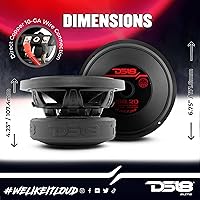
  • Dimensions: The unit measures 4.23″ deep by 6.75″ wide by 6.75″ tall, fitting standard 6.5-inch cutout templates without modification.
  • Weight: The driver weighs 3.12 pounds, keeping single-person installation practical in most mounting scenarios.
  • Circuits: The driver contains two independent circuits corresponding to its dual voice coil design.
  • Connectivity: Connection is wired and coaxial; no wireless or Bluetooth connectivity is present or required for operation.
  • Mounting Type: Designed exclusively for vehicle mounting in cars and trucks; it is not intended for freestanding or wall-mount applications.
  • Waterproofing: The driver is not waterproof or water-resistant and should be kept away from moisture exposure at all times.
  • Warranty: DS18 provides a limited warranty on this driver; buyers should confirm specific duration and coverage terms directly with the manufacturer.
  • Included Items: The package includes one speaker unit only; an enclosure, amplifier, and wiring are sold separately and are not included.
  • Wiring Options: Owners can wire the dual coils in parallel for 1 ohm, in series for 4 ohms, or drive each coil independently from a separate amplifier channel.

Related Reviews
Pyle PLPW6D 6.5-inch Car Subwoofer
73%
88%
Value for Money
74%
Bass Output & Sound Quality
61%
Build Quality
91%
Installation Ease
83%
Amplifier Compatibility & Wiring Flexibility
More
CT Sounds Meso-6.5-D4 6.5 Inch Dual 4 Ohm Car Subwoofer
83%
90%
Bass Performance
85%
Power Handling
88%
Build Quality
65%
Installation Ease
92%
Cooling System Effectiveness
More
CT Sounds TROPO-6.5-D2 6.5″ Car Subwoofer
77%
83%
Bass Output for Size
88%
Value for Money
79%
Build Quality
76%
Thermal Management
84%
Installation Ease
More
Pyle PLMW63 6.5-inch Car Subwoofer
68%
83%
Value for Money
88%
Ease of Installation
67%
Bass Output
61%
Build Quality
59%
Sound Clarity
More
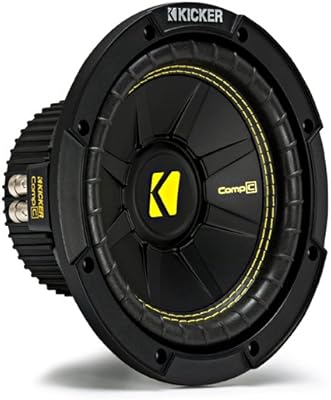
KICKER CWCD84 CompC 8″ Subwoofer Dual Voice Coil 4-Ohm
86%
88%
Bass Performance
91%
Ease of Installation
89%
Wiring Flexibility
86%
Build Quality
84%
Sound Clarity
More
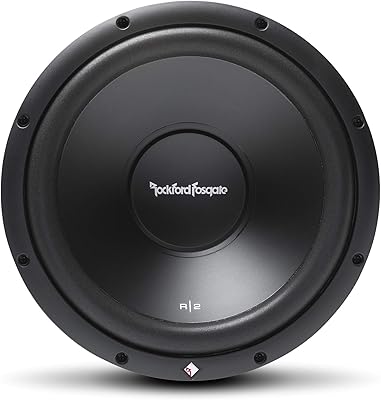
Rockford Fosgate R2D4-12 12-inch Car Subwoofer
80%
86%
Bass Performance
88%
Value for Money
84%
Build Quality
79%
Amplifier Compatibility
73%
Installation Experience
More
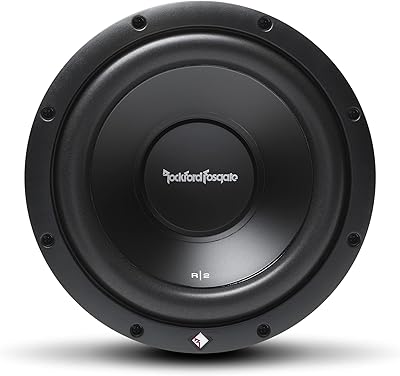
Rockford Fosgate R2D2-10 10-Inch Car Subwoofer
82%
83%
Bass Output Quality
88%
Build Quality
91%
Value for Money
86%
Installation Ease
79%
Amplifier Compatibility
More
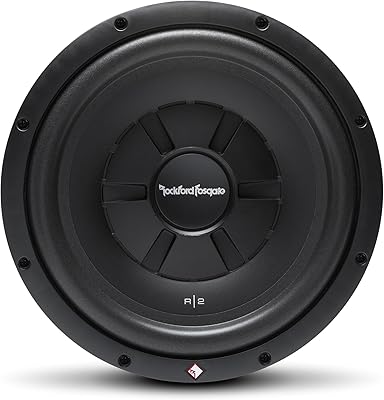
Rockford Fosgate Prime R2SD2-12 12″ 2-Ohm Dual Voice Coil Shallow Subwoofer
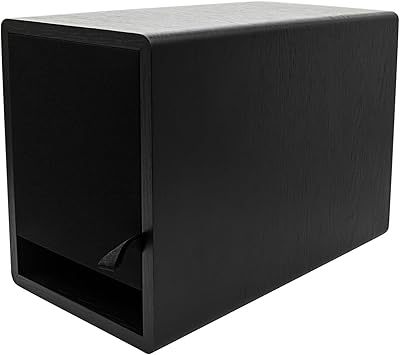
86%
88%
Bass Performance
92%
Value for Money
90%
Ease of Installation
85%
Sound Quality in Tight Spaces
88%
Build Quality
More
Earthquake Sound FF6.5 6.5-Inch Subwoofer
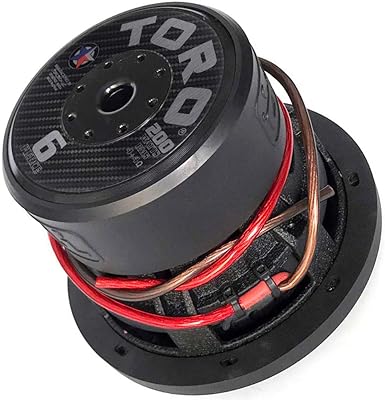
73%
62%
Bass Performance
79%
Sound Quality
73%
Build Quality
69%
Value for Money
87%
Ease of Setup
More
Toro Tech Fierce 6 6.5-inch Car Subwoofer
77%
83%
Bass Output & Impact
88%
Build Quality
84%
Value for Money
91%
Power Handling Accuracy
52%
Sensitivity & Efficiency
More

FAQ

No, the package includes the driver only. You will need to source a compatible enclosure and amplifier separately. Make sure your amplifier can deliver a stable output at whichever impedance you choose to wire the coils.

It depends on your amplifier. Wiring the coils in series gives you 4 ohms, which most amplifiers handle comfortably. Parallel wiring drops to 1 ohm, which delivers more power but requires an amplifier that is stable at that impedance. When in doubt, series wiring at 4 ohms is the safer and more common choice.

This compact sub is fairly sensitive to box size and tuning, so getting the enclosure right matters more than most buyers expect. For sealed boxes, a volume between 0.25 and 0.5 cubic feet tends to work well. If you go ported, keep the volume slightly larger and tune the port carefully — an improperly tuned ported box can actually make things sound worse than a sealed design.

Technically it can be driven by a home amplifier, but it is really engineered for vehicle use. Home theater applications would require a separate amplifier capable of running at 2 or 4 ohms, and the driver would need to be mounted in a proper sealed or ported cabinet. It is possible, but not the intended use case.

Yes, provided you pair it with a decent amplifier and a properly built enclosure. At 300W RMS, there is enough headroom to produce noticeable, satisfying bass in a standard sedan cabin. Just keep in mind that very deep bass extension below around 40Hz will be limited by the driver's physical size — this is normal for any 6.5-inch woofer.

If you have basic familiarity with car audio wiring, it is manageable. The mounting dimensions are standard, so fitting it into a pre-built box or a common vehicle location is straightforward. The trickier part for beginners is understanding the dual voice coil wiring options and making sure the amplifier is configured correctly before powering on.

Yes, that is one of the advantages of a dual voice coil driver. Running each coil from its own amplifier channel — often called bridging or biamplification — can give you more control, but make sure both amplifier channels are matched in output and impedance to avoid damaging the driver.

It handles moderate to moderately high volumes well for everyday listening. However, some users have reported wear concerns when the driver is consistently pushed near its maximum output for extended periods. If you tend to run your system at full volume for long sessions, it is worth being cautious and giving the driver occasional breaks.

The output can drop noticeably and the bass can sound thin, boomy, or poorly defined depending on the mismatch. An enclosure that is too large makes bass sound loose and unfocused, while one that is too small can stress the driver. Matching the box specifications to the driver's parameters is really the single most important step for getting good results.

Like most paper-cone drivers, this one benefits from a short break-in period of roughly 10 to 20 hours at moderate volume before the suspension loosens up and the driver reaches its full excursion range. Avoid pushing it hard during those first few hours of use.

Where to Buy