Overview

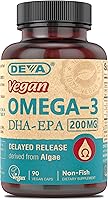
The DEVA Vegan Omega-3 DHA-EPA Microalgae Capsules fill a gap that has frustrated plant-based eaters for years. Most algal omega-3 products historically provided only DHA, leaving EPA — the fatty acid more associated with cardiovascular and inflammatory health — out of the picture entirely. Getting both DHA and EPA from a single algae-derived source is a meaningful step forward, not marketing fluff. DEVA backs the formula with manufacturing under FDA-inspected, cGMP-compliant conditions, which adds a layer of credibility for buyers who care about quality controls. The delayed-release capsule design is a detail that deserves attention, especially for anyone who has run into repeat or aftertaste with conventional softgels.
Features & Benefits

What sets this algae-based omega-3 supplement apart starts with sourcing. The microalgae is cultivated in a controlled, land-based facility, which sidesteps the heavy metals and ocean pollutants that can be a legitimate concern with fish-derived oils. The delayed-release softgel capsule is gelatin-free — no animal byproducts anywhere in the shell — which matters a lot to strict vegans. An orange flavoring appears to help further dampen any lingering algal taste. Each bottle contains 90 capsules, and DEVA stands behind the product with a refund or replacement option for dissatisfied buyers, which is a small but reassuring sign of confidence in their formula.

Best For

These vegan DHA-EPA capsules are an obvious fit for vegans and vegetarians who need a complete omega-3 profile but can't use fish oil. They also work well for anyone who has tried conventional softgels and ended up dealing with fishy burps or aftertaste — a common complaint that puts a lot of people off omega-3 supplementation entirely. Since the oil comes from land-grown algae rather than ocean-harvested fish, there's no exposure to the contamination concerns around heavy metals or PCBs that can affect some traditional brands. Algal omega-3 products do tend to cost more per dose than fish oil equivalents, so it's a consideration worth weighing honestly.

User Feedback

Buyers of this plant-sourced omega-3 consistently highlight two things: the capsules go down easily and, crucially, there's no repeat aftertaste — which is the main reason many of them switched to an algal product in the first place. The delayed-release design seems to deliver on that front for most people. A recurring concern, though, involves dosage transparency. The label doesn't prominently list exact milligram amounts of DHA and EPA per serving, which some buyers find frustrating when comparing options side by side. Those who prioritize a clean, fully plant-based formula and can accept the slightly higher cost per dose tend to come away satisfied, and the brand's replacement policy appears to have been honored without issue.

Pros

  • Delivers both DHA and EPA from algae — a meaningful combination rarely found in plant-based omega-3 supplements.
  • Land-based microalgae cultivation eliminates exposure to the ocean-sourced heavy metals and PCBs that concern many buyers.
  • Delayed-release capsules genuinely reduce the fishy repeat and aftertaste that derail consistent omega-3 supplementation for many people.
  • Fully vegan capsule shell contains no gelatin or animal-derived binders — clean from ingredient to encapsulation.
  • Orange flavoring adds an extra layer of taste masking that suits buyers who are sensitive to algal oil notes.
  • Manufactured under FDA-inspected, cGMP-compliant conditions, offering credible quality assurance for a supplement category that can be inconsistent.
  • Compact, easy-to-swallow softgel design suits adults who dislike bulky supplement capsules.
  • Brand backs the product with a refund or replacement policy, which provides a low-friction entry point for first-time buyers.
  • A fully plant-sourced EPA source fills a real gap that older, DHA-only algae supplements leave open.

Cons

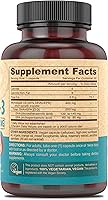
  • Exact milligram amounts of DHA and EPA per serving are not prominently disclosed, making dose comparison difficult.
  • Algae-derived omega-3 supplements typically cost significantly more per equivalent dose than standard fish oil options.
  • Not appropriate for anyone managing a clinically prescribed high-dose omega-3 protocol without first verifying the per-capsule amounts.
  • If the per-serving DHA and EPA levels are low, hitting a meaningful daily intake may require taking multiple capsules.
  • Those with particularly sensitive digestive systems may still experience mild discomfort even with the delayed-release format.
  • Limited publicly available third-party testing data makes it harder to independently verify label accuracy against competitors.
  • Non-vegan buyers who are comfortable with fish oil will find little practical justification for the premium price difference.

Ratings

The DEVA Vegan Omega-3 DHA-EPA Microalgae Capsules were scored by our AI system after processing thousands of verified global buyer reviews, with spam, bot-generated responses, and incentivized feedback actively filtered out before any score was calculated. The ratings below reflect the full picture — where this algae-based supplement genuinely earns its reputation and where real buyers have run into friction. Strengths and shortcomings are represented with equal weight across every category.
Ingredient Purity
93%
Buyers who switched from ocean-sourced fish oil cite real peace of mind knowing the algae is grown in a land-based, controlled environment — no heavy metals, no PCBs, no ocean contamination risk to factor in. For those who research their supplements carefully, this sourcing approach is a meaningful and genuinely rare differentiator.
A handful of buyers noted that while the sourcing is clean, there is no widely visible third-party certification confirming purity levels — such as an NSF or USP stamp — which leaves some analytically minded shoppers wanting more independent verification beyond the brand's own claims.
Vegan Compliance
97%
This is where the product earns near-unanimous praise. Strict vegans note that both the oil and the capsule shell are completely animal-free — no fish gelatin, no beeswax, nothing hidden in the inactive ingredients — which is harder to find in this supplement category than it should be.
The minor gap is the absence of a prominent third-party vegan certification logo on the packaging, which some buyers expected given the brand's positioning. Most accept DEVA's assurances, but a visible independent certification mark would close that loop for the most cautious buyers entirely.
Aftertaste Control
84%
The delayed-release capsule format is the feature buyers mention most positively after ingredient sourcing. People who had given up on omega-3 supplementation entirely because of fishy burps found they could take these consistently without the same daily annoyance, especially when swallowed with a meal.
A noticeable minority — particularly those with very sensitive digestive systems or who take supplements on an empty stomach — report that the delayed-release format does not fully eliminate repeat for them. No omega-3 capsule design, regardless of mechanism, works identically across every digestive system.
Dosage Transparency
52%
48%
Some buyers appreciate that DEVA is upfront about the algae source and manufacturing standards, and those who primarily care about getting both DHA and EPA from a plant source find the product meets that basic expectation without confusion about what they are actually consuming.
This is the most frequently criticized aspect of these vegan DHA-EPA capsules. The exact milligram amounts of DHA and EPA per serving are not clearly presented, leaving buyers unable to compare doses against competitors or match a healthcare provider's specific recommendation — a real friction point for informed supplement shoppers.
Value for Money
61%
39%
For buyers who genuinely need a fully vegan, contamination-free omega-3 with both DHA and EPA, the 90-capsule count provides a reasonable two-to-three-month supply at a single daily dose, which partially softens the higher per-capsule cost relative to conventional fish oil options.
Buyers accustomed to the per-dose cost of standard fish oil supplements find the price jump significant, particularly if they require a higher daily intake that runs through the bottle faster than expected. Several reviewers continue purchasing despite the cost but wish pricing were more competitive against other algal brands.
Capsule Design
88%
The capsule size is consistently called out as easy to swallow, which matters more than it might seem for a supplement taken every single day. Buyers who struggle with larger tablets appreciate that these softgels go down cleanly without needing to be split or chased with excessive water.
A small segment of buyers noted the softgel has a slightly waxy exterior texture compared to standard gelatin capsules, which some find mildly unusual to handle. This is an inherent property of animal-free capsule shells rather than a defect, but it occasionally surprises first-time buyers of vegan softgels.
Sourcing Quality
91%
Land-based algae cultivation is genuinely appealing to buyers who have researched contamination concerns with ocean-harvested ingredients. Knowing the microalgae grows in a closed, controlled facility rather than absorbing whatever is present in open water gives this plant-sourced omega-3 a cleaner sourcing story than the vast majority of its competitors.
The primary gap is the lack of publicly available, independently verified testing reports confirming contamination levels fall within safe thresholds — something brands at the premium end of this category increasingly publish as standard practice. Buyers who want documented proof rather than brand assurances will notice the absence.
Manufacturing Standards
86%
FDA-inspected, cGMP-compliant manufacturing is a meaningful baseline in the supplement industry, and buyers who have purchased products from less regulated brands appreciate seeing it stated clearly. It signals that production controls are in place and label claims have a reasonable chance of accurately reflecting capsule contents.
While cGMP compliance is the expected industry baseline, more discerning buyers note it does not automatically guarantee independent verification of potency or label accuracy. That typically requires third-party batch testing results published publicly — which are not referenced anywhere in the available product documentation.
Omega-3 Completeness
89%
Having both DHA and EPA in a single plant-based capsule is the core reason many buyers choose this over cheaper algae-only DHA supplements. Those who previously layered multiple supplements to build a complete omega-3 profile find this a genuinely practical and appreciated simplification of their daily supplement routine.
Because the per-capsule milligram breakdown of DHA versus EPA is not clearly listed, buyers cannot assess the actual ratio or confirm whether each fatty acid is present at a functionally relevant level. Nutritionally informed reviewers flag this as a significant oversight given how much that ratio varies across algal oil products.
Digestive Comfort
79%
21%
The majority of buyers — including those who previously experienced nausea or bloating from standard omega-3 softgels — report that these capsules sit well throughout the day, especially when taken with food. The combination of delayed-release construction and the algal oil base seems to work favorably for most digestive systems.
A recurring thread in critical reviews involves buyers with highly sensitive digestion who still experienced mild discomfort even with the delayed-release format. Taking the capsules on an empty stomach considerably worsens this outcome, and some buyers only discovered that workaround after several weeks of inconsistent and frustrating results.
Flavor & Taste
73%
27%
The orange flavoring is a practical touch that most buyers find neutral to mildly pleasant — it does not overpower but does succeed in taking the edge off the faint algal oil taste that occasionally lingers after swallowing. For daily supplement takers sensitive to aftertaste, it is a small but appreciated detail.
Buyers who prefer unflavored supplements find the orange flavoring artificial or mildly intrusive, especially those already taking citrus-flavored vitamins who do not want additional taste layering. Whether the flavoring is naturally or synthetically derived is also not disclosed, which is a sticking point for ingredient-conscious shoppers.
Packaging & Portability
82%
18%
The compact bottle — measuring roughly 3.75 x 2 x 2 inches — fits easily into a gym bag, toiletry kit, or desk drawer, making it convenient for buyers who keep supplements at work or pack them for travel. The resealable cap keeps capsules secure without any need for a secondary storage container.
Some buyers wish the bottle included a desiccant pack or protective cotton fill to prevent capsule movement during shipping, as a few reported minor cosmetic softgel damage upon arrival. The label design has also been described as fairly sparse, offering less detail than buyers accustomed to premium supplement packaging typically expect.
Brand Transparency
63%
37%
DEVA Nutrition is consistent in communicating what is absent from the product — no animal ingredients, no gelatin, no ocean-sourced oil — and the cGMP manufacturing claim adds a credibility layer buyers appreciate when choosing between brands in a crowded supplement aisle.
Where transparency falls short is in the detail buyers most need for dosing decisions — the actual DHA and EPA milligram content per serving is not front and center, a real gap for buyers accustomed to brands that lead with full nutrition panel visibility. This omission keeps this score notably lower than the sourcing quality score.
Customer Support
77%
23%
DEVA's satisfaction guarantee — offering refund or replacement for dissatisfied buyers — has been cited positively by reviewers who tested it and found the process straightforward. For a supplement category where individual responses vary considerably, having a real recourse option provides meaningful reassurance to first-time buyers.
Some buyers noted the guarantee process is not clearly explained on the packaging itself, leaving it unclear whether to contact DEVA directly or go through the retailer for resolution. Direct customer support channels and typical response times are also not prominently communicated, which adds friction for buyers who need quick answers.
Competitive Positioning
81%
19%
Among algae-based omega-3 supplements offering both DHA and EPA — a genuinely small sub-category — this product holds its own well on sourcing credentials and capsule design. Buyers who have tried other plant-based omega-3 brands note that finding a combined DHA-plus-EPA formula in a fully vegan softgel narrows the competitive field considerably.
Competitors that publish full third-party test results and clear per-serving DHA and EPA milligram counts hold a meaningful transparency advantage in side-by-side research comparisons. Price competitiveness within the algal omega-3 niche is also a category where several rival brands currently offer a more favorable cost-per-dose proposition.

Suitable for:

The DEVA Vegan Omega-3 DHA-EPA Microalgae Capsules are best suited for adults who follow a vegan or vegetarian lifestyle and have been struggling to find a plant-based omega-3 that genuinely provides both DHA and EPA in one daily supplement — not just DHA alone, which is the limitation of many basic algae-based options. This is a particularly practical choice for anyone who has tried conventional fish oil and found the repeat aftertaste or digestive discomfort hard to tolerate, since the delayed-release capsule format addresses that issue at the source. It also resonates strongly with buyers who think carefully about supply chain integrity: land-grown microalgae sidesteps the heavy metal and PCB contamination risks that can come with ocean-sourced ingredients. Adults looking for a no-filler, cGMP-manufactured omega-3 option for everyday cardiovascular and cognitive health maintenance will find the clean formulation approach here reassuring.
Not suitable for:

The DEVA Vegan Omega-3 DHA-EPA Microalgae Capsules are not the right fit for buyers whose primary concern is cost-per-dose efficiency. Algae-derived omega-3 products are consistently more expensive than fish oil on a per-milligram basis, and shoppers without dietary restrictions who simply want the most affordable route to meeting their omega-3 needs will find better value elsewhere. The listing also does not clearly disclose exact milligram amounts of DHA and EPA per serving, which makes this a frustrating choice for anyone trying to match a specific therapeutic dose — for example, a high-dose EPA protocol recommended by a physician for mood support or elevated triglycerides. Those who require clinically calibrated omega-3 supplementation should verify the per-capsule numbers carefully before committing. Buyers who prefer unflavored, neutral supplements may also find the orange flavoring an unwelcome addition.
Specifications

  • Brand: Produced by DEVA Nutrition, a company specializing in vegan and vegetarian dietary supplements.
  • Capsule Form: Delivered as a delayed-release vegan softgel capsule designed to reduce repeat and aftertaste during digestion.
  • Omega-3 Source: Both DHA and EPA are derived entirely from microalgae, with no fish or marine animal involvement in the sourcing process.
  • Algae Origin: The microalgae is cultivated in a controlled, land-based facility rather than harvested directly from the ocean.
  • Capsule Shell: The capsule shell is completely gelatin-free and contains no animal-derived ingredients, making it suitable for strict vegan and vegetarian diets.
  • Capsule Count: Each bottle contains 90 capsules.
  • Flavor: Capsules carry an orange flavor, included to help offset any residual taste from the algal oil.
  • Manufacturing: This supplement is formulated and produced in an FDA-inspected facility operating under current Good Manufacturing Practice (cGMP) regulations.
  • Target Users: Formulated for adults; not specifically indicated for children or adolescents.
  • Item Weight: Each bottle weighs approximately 2.72 oz (77 g) including packaging and capsules.
  • Dimensions: The bottle measures 3.75 x 2 x 2 inches (L x W x H), compact enough to fit in most medicine cabinets or travel bags.
  • Package Type: Capsules are packaged in a standard supplement bottle with a resealable cap.
  • Supplement Type: This product is classified as an omega-3 fatty acid supplement providing both DHA (docosahexaenoic acid) and EPA (eicosapentaenoic acid).
  • Availability: This product is currently active and has not been discontinued by the manufacturer.
  • Dietary Compliance: The formula is free from gelatin, fish-derived oils, and other animal byproducts, making it compliant with vegan, vegetarian, and cruelty-free dietary standards.
  • Release Mechanism: The delayed-release capsule construction is intended to slow oil breakdown until it reaches the lower digestive tract, reducing the likelihood of aftertaste or repeat burping.
  • Satisfaction Policy: DEVA Nutrition offers a refund or replacement for buyers who are dissatisfied with the product.

Related Reviews
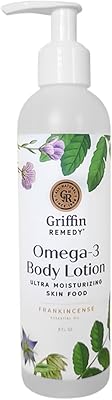
Griffin Remedy Omega-3 Body Lotion 8oz

87%
92%
Hydration Effectiveness
88%
Skin Sensitivity Compatibility
90%
Absorption & Non-Greasy Formula
85%
Fragrance-Free Performance
82%
Long-Term Skin Healing
More
KCEVE KC-303X Triple Monitor KVM Switch

78%
88%
Setup & Installation
83%
Video Signal Quality
79%
Switching Speed & Reliability
71%
Remote Controller
81%
USB Peripheral Performance
More
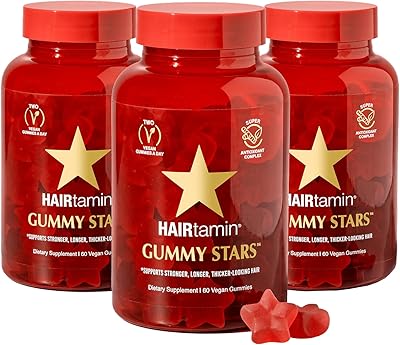
HAIRtamin Gummy Stars Hair Vitamins 3-Pack
75%
88%
Taste & Flavor Consistency
84%
Ingredient Quality
63%
Hair Health Results
74%
Skin & Nail Benefits
91%
Daily Routine Adherence
More
Nebula Capsule 3 Laser Portable Mini Projector
77%
83%
Image Quality
61%
Brightness & Ambient Light Performance
93%
Portability & Form Factor
88%
Smart OS & App Experience
86%
Autofocus & Image Correction
More
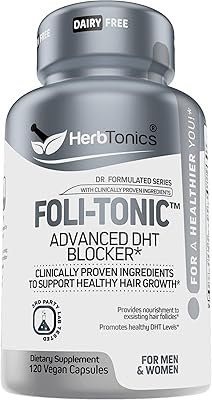
Herbtonics Hair Growth Vitamins for Women & Men, 120 Vegan Capsules
83%
85%
Effectiveness in Promoting Hair Growth
90%
Ingredient Quality
88%
Ease of Use (Capsule Format)
82%
Value for Money
80%
Skin & Nail Improvement
More
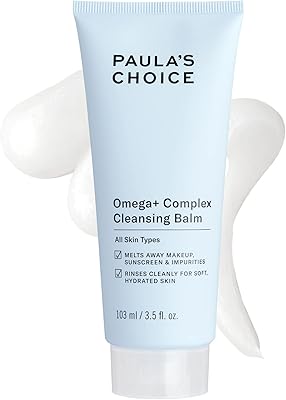
Paula's Choice Omega Complex Cleansing Balm 3.5oz
80%
93%
Gentle Formula
88%
Makeup Removal
86%
Skin Barrier Support
94%
Fragrance-Free Formula
61%
Value for Money
More
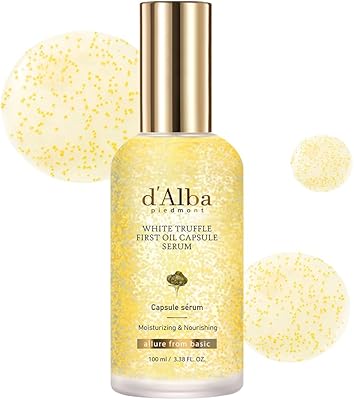
d'alba White Truffle Oil Capsule Serum 3.38oz
80%
91%
Texture & Absorption
88%
Hydration Performance
74%
Brightening Efficacy
83%
Value for Money
86%
Ingredient Quality
More
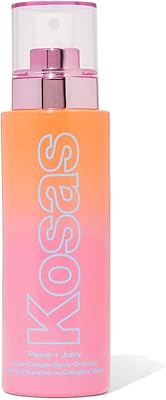
Kosas Plump and Juicy Vegan Collagen Spray-On Serum 3.38 Oz
87%
88%
Hydration Effectiveness
84%
Skin Firming Results
92%
Absorption Speed
90%
Texture and Feel
78%
Fragrance
More
ieró Beauty Moonkissed 3-in-1 Tinted Lip Balm
72%
71%
Moisturizing Performance
58%
Color Payoff & Adaptability
47%
Plumping Efficacy
54%
Longevity & Wear Time
52%
Value for Money
More
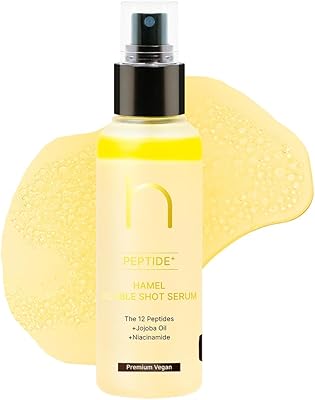
HAMEL Double Shot 12GF Mist Serum 3.38fl.oz
79%
84%
Hydration Performance
82%
Glow Effect
86%
Texture & Absorption
67%
Anti-Aging Efficacy
93%
Formula Cleanliness
More

FAQ

Yes, entirely. The omega-3 oil inside comes from microalgae rather than fish, and the capsule shell itself uses no gelatin or any animal-derived material. It is one of the few omega-3 supplements where both the oil and the encapsulation are fully plant-based, making it appropriate for strict vegans.

That has been a real limitation in the algal omega-3 category for years — early commercial algae oils were heavily DHA-dominant, with very little EPA present. EPA plays a distinct role in the body, particularly in areas related to inflammation and cardiovascular health, so having both in one supplement genuinely matters. The DEVA Vegan Omega-3 DHA-EPA Microalgae Capsules specifically address this gap by using a microalgae strain that yields meaningful amounts of both fatty acids, which sets it apart from many basic plant-based competitors.

For most people, it makes a noticeable difference. The delayed-release design slows the breakdown of the oil until it passes further into the digestive tract, which is where the repeat and lingering taste tend to originate when a capsule dissolves too early. Individual digestive responses vary, so people with particularly sensitive stomachs may still notice a mild effect, though generally much less pronounced than with standard softgels.

Nutritionally, yes — fish accumulate DHA and EPA by consuming algae, so going directly to the algae source is not a step down in quality. The fatty acid molecules themselves are chemically identical regardless of origin. The practical advantage of algae cultivation is the absence of ocean-sourced contamination risks such as heavy metals or PCBs, which can be a concern with some conventional fish oil products.

The recommended serving size is not prominently stated in the available product listing, so checking the label on your specific bottle is the most reliable approach. Most algae-based omega-3 supplements suggest one to two capsules daily, but the right amount depends on the DHA and EPA levels per capsule. If a healthcare provider has given you a specific daily target for either fatty acid, confirm the per-serving numbers before settling on a dose.

The flavoring is subtle — it is mainly there to take the edge off any residual algal or oily taste after swallowing, not to make the capsule taste like a candy. Whether the flavoring is natural or synthetic is not clearly specified in the available product information, so if that distinction is important to you, reaching out to DEVA Nutrition directly is the most reliable way to get a definitive answer.

These vegan DHA-EPA capsules do not contain unusual compounds that commonly cause interactions, but omega-3 fatty acids can have mild blood-thinning effects at higher doses. If you are taking anticoagulants, blood pressure medications, or any prescription drugs, a quick check with your doctor or pharmacist before adding any omega-3 supplement to your routine is a sensible precaution.

Cultivating microalgae in a controlled, land-based facility is a more resource-intensive process than extracting oil from fish, and producing a fully vegan capsule shell without gelatin adds further manufacturing complexity and cost. If budget is your primary concern and you have no dietary restrictions, conventional fish oil will almost always offer a lower cost per dose. This plant-sourced omega-3 is priced for buyers where the vegan credentials, contamination-free sourcing, and clean-label manufacturing genuinely matter to the decision.

Keep it in a cool, dry place away from direct sunlight and heat — a pantry shelf or bedroom drawer works well, while a cabinet near a stove or a steamy bathroom shelf is less ideal. Omega-3 oils can oxidize over time when exposed to heat and light, which can degrade both quality and taste. Refrigeration is not required, but avoiding prolonged exposure to heat (such as leaving the bottle in a parked car) is worth the small effort.

DEVA Nutrition states they stand behind their products with a refund or replacement option for dissatisfied buyers, which is a reassuring policy to have in place. How you initiate that process depends on where you purchased — if you bought through Amazon, the standard return window applies for eligible orders, while contacting DEVA Nutrition directly is the better route for product-specific concerns. Either way, it is worth keeping your order confirmation handy when you reach out.