Overview

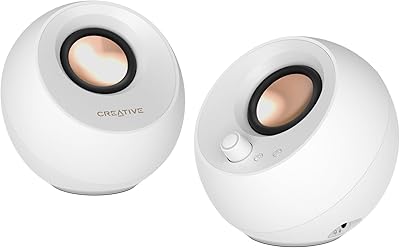
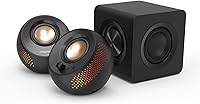
The Creative Pebble X Plus 2.1 Desktop Speakers enter a crowded mid-range market with a clear pitch: a meaningful audio upgrade for PC and Mac users who are tired of flat, tinny sound but aren't ready to dedicate half their desk to a full speaker stack. The spherical satellite design and matte black finish immediately set the Pebble X Plus apart from the rectangular boxes that dominate this price range. Connectivity covers all the bases — USB-C digital audio, Bluetooth 5.3, and a standard 3.5mm AUX input. Worth flagging upfront: a High Gain Mode can push output significantly higher, but it requires a 30W+ USB-PD adapter that does not come included.
Features & Benefits

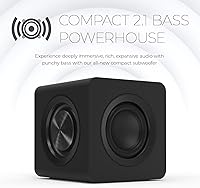
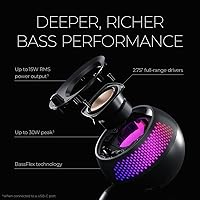
The 2.75-inch satellite drivers handle mids and highs with enough clarity that spoken word and vocal-heavy tracks stay intelligible at moderate volumes. The real character comes from the compact subwoofer and Creative's BassFlex technology, designed to extract more low-end from a physically small enclosure — and it mostly delivers, adding body to music without overwhelming the satellites. Bluetooth 5.3 makes source-switching practical; you can have a laptop connected via USB and a phone paired wirelessly, toggling between them without fuss. The dual audio ports — one for a headset, one for a standalone microphone — are a thoughtful addition for regular calls. Touch controls feel responsive enough day-to-day, though the placement takes a little getting used to.

Best For

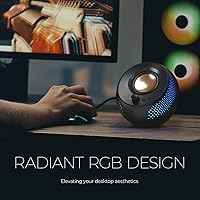
These Creative desktop speakers punch above their weight for a specific kind of user: someone who wants noticeably better audio without rearranging their entire workspace. Work-from-home professionals will appreciate clear dialog reproduction during video calls and enough bass presence to make a playlist feel engaging the rest of the day. Gamers and streamers who already own RGB peripherals will find the six lighting presets easy to coordinate — though if you prefer a cleaner look, the lighting can simply be turned off. Dorm rooms and small home offices are natural fits, and if you are still running built-in laptop or monitor audio, the improvement will be immediately obvious.

User Feedback

With a 4.3-star average across several hundred reviews, this 2.1 speaker system lands in solid, if not unanimous, approval territory. Early buyers consistently highlight the bass-to-size ratio as a genuine surprise — most didn't expect this much low-end presence from such a compact footprint. On the critical side, a handful of users have reported inconsistent Bluetooth behavior and touch controls that occasionally need a firm, deliberate press rather than a casual tap. Compared to the older Pebble V3, most reviewers consider this a clear step up, particularly for the subwoofer addition. Longer-term owners note the mixed plastic and metal construction feels solid enough for daily use, though it stops short of feeling truly premium.

Pros

  • The compact subwoofer delivers genuine low-end presence that flat 2.0 desktop speakers simply cannot match.
  • Three input options — USB-C, Bluetooth 5.3, and 3.5mm AUX — cover virtually every source device without adapters.
  • Dedicated headset and microphone ports make switching to private listening or calls a one-second action.
  • Bluetooth range holds up reliably across a typical room, so source devices don't need to stay desk-side.
  • The spherical matte-black design looks noticeably more considered than the generic rectangular boxes in this price range.
  • RGB lighting is fully optional — six presets for those who want it, easily disabled for those who don't.
  • High Gain Mode effectively doubles available output when a higher-wattage power adapter is connected.
  • Setup is genuinely plug-and-play for USB and AUX connections — no driver installation required on most systems.
  • Dialog+ processing keeps voices clear during video calls and movie dialogue without requiring manual EQ adjustment.
  • At roughly eight pounds total, the full system is light enough to take between locations without hassle.

Cons

  • The 30W+ USB-PD adapter needed to unlock High Gain Mode is not included, adding an unannounced extra cost.
  • Touch controls can require a deliberate, firm press rather than a casual tap, which gets old during extended sessions.
  • Some users have reported occasional Bluetooth dropout, particularly when obstacles sit between the speaker and source device.
  • The plastic-heavy construction feels adequate but not premium at this price point, which may concern long-term durability skeptics.
  • Bass tuning leans warm and slightly boosted, which flatters pop and electronic music but can feel colored on acoustic recordings.
  • No companion app means RGB customization is limited to the six built-in presets — deeper control requires a separate utility.
  • Maximum volume, even in standard mode, can expose audible distortion at the very top of the range.
  • The Quick Start Guide is minimal; users who want to explore all connectivity modes may need to consult online resources.
  • These Creative desktop speakers do not support any lossless wireless audio codec, which limits the wireless ceiling for quality-focused buyers.
  • Frequency response only extends down to 45 Hz, so very deep sub-bass notes in film soundtracks are partially rolled off.

Ratings

The scores below for the Creative Pebble X Plus 2.1 Desktop Speakers were generated by our AI review engine after analyzing verified buyer feedback from multiple global markets, with spam, bot activity, and incentivized reviews actively filtered out before any scoring was applied. Each category reflects the genuine distribution of praise and frustration found across real ownership experiences — not a polished average that papers over legitimate complaints. Where buyers consistently disagreed, that tension is reflected honestly in both the score and the explanation.
Sound Quality
83%
For a compact desktop system, the overall sound signature impresses most buyers coming from flat 2.0 setups or built-in laptop speakers. Mids and vocals reproduce with decent clarity, and the combination of BassFlex tuning and the dedicated subwoofer gives music a sense of fullness that single-unit speakers struggle to match at a similar footprint.
Critical listeners notice the bass tuning leans warm and can slightly obscure fine detail in complex acoustic tracks. At higher volume levels, some users detect a subtle harshness in the upper-mid frequencies, suggesting the satellite drivers are working near their comfortable limit.
Bass Performance
81%
19%
The compact subwoofer consistently surprises buyers with how much low-end impact it delivers relative to its physical size. Gaming sessions and electronic music tracks in particular benefit noticeably — there is a weight and punch to the low end that simply cannot be replicated by satellite-only desktop speakers in this size class.
Very deep sub-bass frequencies below 45 Hz are largely absent, which becomes obvious during cinematic soundtracks or bass-heavy EDM where the lowest notes simply roll off. Users who previously owned even a modest bookshelf speaker system may find the sub's output ceiling lower than expected at the top of the volume range.
Connectivity
91%
Having USB-C digital audio, Bluetooth 5.3, and a 3.5mm AUX input on a single desktop speaker system genuinely reduces daily friction. Buyers who switch between a work laptop via USB and a phone via Bluetooth throughout the day consistently highlight this flexibility as one of the strongest reasons they chose these Creative desktop speakers over simpler alternatives.
Simultaneous dual-device Bluetooth pairing is not supported, so switching wirelessly between two active devices requires a manual disconnect-and-reconnect step that some users find inconvenient. A small number of reviewers also report that Bluetooth signal occasionally drops when the source device is placed behind the subwoofer or another dense object.
Bluetooth Reliability
74%
26%
Under straightforward conditions — one source device, clear line of sight within a typical desk-to-couch distance — the Bluetooth 5.3 connection is stable and pairs quickly after the initial setup. Most buyers report no meaningful dropout during normal daily listening sessions in a standard home office environment.
A recurring complaint, particularly among early adopters, involves intermittent Bluetooth dropout when obstacles or competing wireless signals are present. Some users on 2.4 GHz-congested networks note the issue worsens in apartment environments with many surrounding devices, which is a meaningful concern for the product's primary dorm-room and home-office audience.
Build Quality
72%
28%
The matte black finish feels consistent and well-applied, and the spherical design of the satellites gives the system a more intentional, considered look than typical rectangular desktop speakers. Most long-term owners report that the units hold up fine under normal desk conditions without developing rattles or visible wear.
The mixed plastic and metal construction does not feel premium when handled directly — the plastic sections in particular communicate a cost-saving decision that buyers notice at this price point. A handful of longer-term reviews mention that the satellite cables, while functional, feel thinner than expected for the overall system weight.
Design & Aesthetics
86%
The spherical satellite design is genuinely distinctive on a desk — buyers frequently mention that the form factor draws positive comments from visitors and video call participants who spot them in the background. The matte finish resists fingerprints reasonably well and complements both dark and neutral desk setups without demanding attention.
The subwoofer is cubic rather than matching the satellite spheres, which some design-conscious buyers find slightly incongruous when placed together. A few reviewers also wish the system came in additional color options beyond black, limiting its fit for lighter or more colorful workstation themes.
RGB Lighting
78%
22%
For buyers who actively curate an RGB-synchronized desk setup, the six built-in presets cover the most practical use cases and cycle smoothly without flickering. The option to simply turn the lighting off entirely is appreciated by minimalist users who want the audio performance without any visual distraction.
Deeper RGB customization — syncing with keyboard or mouse lighting ecosystems, for example — requires Creative's companion software, which some users find less polished than they hoped. Buyers expecting the kind of per-zone control available on dedicated gaming peripherals will find the preset-only hardware approach limiting.
Touch Controls
63%
37%
The touch-sensitive controls keep the speaker body clean and uncluttered, which suits the minimalist aesthetic. Under normal conditions with dry hands, basic functions like volume adjustment and input switching respond adequately and without significant lag.
This is one of the more consistently criticized aspects across buyer feedback — the controls frequently require a deliberately firm press rather than a casual brush, and misregistrations are common enough to be irritating during regular use. Several buyers explicitly wish Creative had used a physical volume knob instead, noting that tactile precision matters more than aesthetics when you are adjusting audio mid-task.
Headset & Mic Ports
88%
Having both a 4-pole headset jack and a separate 3-pole microphone port on the speaker body is a practical, well-considered addition that most competitors in this category overlook. Work-from-home users consistently praise the ability to hot-swap between speakers and a headset for calls without touching their PC audio settings.
The port placement on the speaker body means the cables can look cluttered on a tidy desk when both are in use simultaneously. A small number of users also report that the headset jack produces a faint hiss with some high-impedance headphones, which is audible during quiet passages.
High Gain Mode
69%
31%
When a qualifying 30W+ USB-PD adapter is connected, the jump in output volume and perceived fullness is real and noticeable — users who invested in the right adapter describe the system as sounding meaningfully more capable than it does in standard mode.
The adapter is not included in the box, which means buyers discover this upsell only after purchase — a transparency issue that generates recurring frustration in reviews. The feature's value is also limited by the fact that most users power their PC peripherals from standard 5V USB ports, making the upgrade path less accessible than it might appear on the spec sheet.
Setup & Ease of Use
84%
USB-C and AUX connections are genuinely plug-and-play on both Windows and macOS — no driver download, no configuration screens, no pairing ritual. Most buyers describe the initial unboxing to first-audio experience as taking under five minutes, which is a realistic and accurate summary.
The included Quick Start Guide is minimal and does not thoroughly explain features like High Gain Mode or RGB preset cycling, leaving some buyers to search online or experiment through trial and error. Bluetooth pairing with non-standard devices occasionally requires a manual reset sequence that is not clearly documented in the packaging.
Value for Money
77%
23%
For buyers upgrading from basic laptop audio or entry-level 2.0 desktop speakers, this 2.1 speaker system delivers a noticeable and satisfying improvement at a price that does not require serious deliberation. The breadth of connectivity options alone — USB-C, Bluetooth, AUX, plus dedicated headset and microphone ports — would justify a premium over simpler single-input alternatives.
More critical buyers who compare the system against well-regarded passive bookshelf speakers driven by a budget amplifier argue that similar or better sound quality is achievable for less money, albeit with more cables and zero desk-friendly convenience features. The missing USB-PD adapter also quietly adds to the real cost of the full experience for buyers who want High Gain Mode.
Dialogue Clarity
85%
The Dialog+ processing earns consistent praise from users who spend significant time on video calls or watching content with dense dialogue tracks. Voices come through with enough presence and separation that buyers report understanding speech at lower volume levels than they needed with their previous speakers.
At high volumes, dialogue clarity degrades slightly as the satellites approach their limits, and the subwoofer's warm tuning can occasionally add a slight muddiness to lower-register male voices. This is primarily a concern at desk-filling volumes rather than standard conversational listening levels.
Packaging & Documentation
61%
39%
The physical packaging is solid and protective, and the units arrive well-secured without excessive plastic waste. The included Quick Start Guide covers the absolute essentials — enough to get a non-technical buyer connected via USB within a few minutes.
Beyond the basic connection diagram, the documentation is thin — advanced features are either underdocumented or missing entirely from the printed materials. Given that the system has multiple input modes, RGB customization, and an unlockable power state, buyers reasonably expect more comprehensive guidance than what Creative has included.

Suitable for:

The Creative Pebble X Plus 2.1 Desktop Speakers are a strong fit for anyone who has outgrown the audio built into their laptop or monitor and wants a meaningful upgrade without committing to a complex, space-hungry setup. Work-from-home professionals will get genuine value here — the dedicated headset and microphone ports make hopping into a video call effortless, while the subwoofer adds enough warmth to make background music feel less sterile during the rest of the day. Gamers and streamers on a budget who want their audio hardware to match the RGB aesthetic of their keyboard and mouse will find the lighting customization practical rather than gimmicky. Students in dorm rooms or anyone working at a compact desk will appreciate that the subwoofer is genuinely small — it tucks under a monitor without demanding its own footprint. If you regularly bounce audio between a PC and a phone or tablet, the Bluetooth 5.3 and multi-input flexibility make that daily habit far less annoying than it is with single-source speakers.
Not suitable for:

The Creative Pebble X Plus 2.1 Desktop Speakers are not the right call for buyers who need to fill a room with sound or who prioritize pure audiophile-grade fidelity over convenience features. The system's power output is well-suited to a personal listening zone — arms-length desktop distance — but ask it to project across a large open-plan room and it runs out of headroom quickly, even when the optional High Gain Mode is unlocked with a separately purchased 30W+ USB-PD adapter. Dedicated listeners who want flat, accurate sound reproduction for mixing or critical listening will find the bass tuning too colored for that purpose. If RGB lighting and Bluetooth hold no appeal and you simply want the cleanest possible audio signal for the money, there are plainer 2.0 systems that direct more of their budget into driver quality. Buyers who already own a quality external DAC and amplifier setup will also see little added value here, since those investments already solve the problems these speakers are designed to address.
Specifications

  • Speaker System: This is a 2.1 configuration consisting of two satellite speakers and one compact subwoofer unit.
  • Satellite Drivers: Each satellite houses a 2.75″ full-range dynamic driver responsible for reproducing mids and high frequencies.
  • Subwoofer Driver: The subwoofer uses a 3.5″ driver tuned with BassFlex technology to maximize low-frequency output from a small enclosure.
  • Power Output: Standard mode delivers up to 15W RMS total system power, with peak headroom reaching 30W under normal USB power conditions.
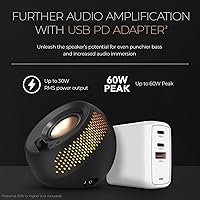
  • High Gain Mode: When connected to a 30W or higher USB-PD adapter (sold separately), the system automatically scales up to 30W RMS and 60W peak output.
  • Frequency Response: The system reproduces audio from 45 Hz upward, covering most practical music and voice content but rolling off very deep sub-bass.
  • Connectivity: Three input options are available: USB-C digital audio, Bluetooth 5.3 wireless, and a universal 3.5mm AUX analog input.
  • Bluetooth Range: Bluetooth 5.3 maintains a stable connection at distances up to 10 meters under typical indoor conditions.
  • Audio Ports: A 4-pole headset jack and a separate 3-pole microphone jack are included for private listening and voice communication respectively.
  • Audio Technologies: The system incorporates Creative's BassFlex, Acoustic Engine, EQ tuning, and Dialog+ processing for enhanced vocal clarity.
  • RGB Lighting: Onboard RGB lighting supports up to 16.8 million color combinations with six selectable presets, and can be fully disabled.
  • Controls: All primary functions are managed through touch-sensitive controls located on the speaker body.
  • Input Voltage: The system operates at 5V DC via standard USB power, with High Gain Mode requiring a 30W+ USB-PD source.
  • Satellite Dimensions: Each satellite unit measures 139.2 x 136.5 x 131.8 mm (approximately 5.48 x 5.37 x 5.19 inches).
  • Subwoofer Dimensions: The subwoofer enclosure measures 156 x 156.4 x 158.5 mm (approximately 6.14 x 6.16 x 6.24 inches).
  • Total Weight: The complete system, including both satellites and the subwoofer, weighs 8.04 pounds.
  • Materials: The enclosures are constructed from a combination of plastic and metal components with a matte black finish on all surfaces.
  • Compatibility: The system is compatible with Windows and macOS desktop computers and laptops, and supports any Bluetooth-enabled source device.
  • Mounting Type: Both the satellite speakers and the subwoofer are designed for tabletop placement and do not support wall or stand mounting.
  • Warranty: Creative provides a limited warranty with this product; buyers should confirm specific terms and duration directly with Creative Labs.

Related Reviews
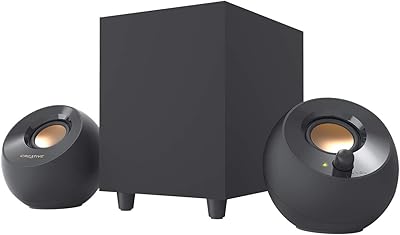
Creative Pebble Plus
77%
78%
Bass Performance
74%
Treble & Midrange Clarity
67%
Soundstage & Imaging
71%
Volume Output
58%
Distortion at High Volumes
More
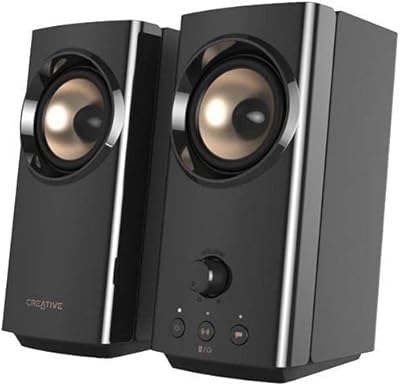
Creative T60
Creative T60
76%
83%
Sound Clarity
51%
Bass Response
91%
Connectivity & Port Variety
84%
Bluetooth Performance
79%
Volume & Power Output
More
Creative Pebble Pro 2.0 USB-C Speakers
86%
88%
Sound Quality
77%
Bass Response
82%
Build Quality
91%
Ease of Setup
85%
RGB Lighting Customization
More
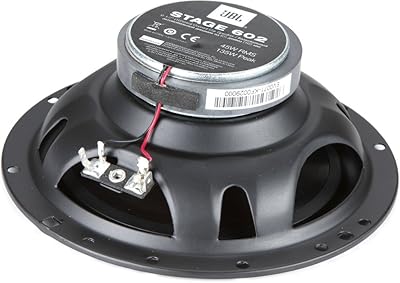
JBL Stage 602 6-1/2″ 2-Way Coaxial Speakers
82%
88%
Sound Quality
85%
Bass Performance
83%
Treble Clarity
91%
Installation Ease
82%
Build Quality
More
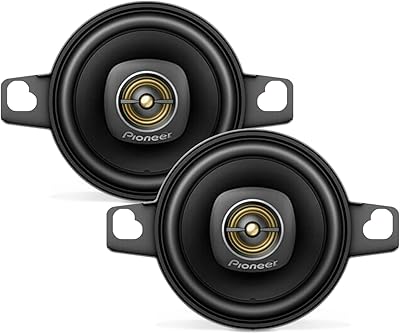
Pioneer TS-A709 2.75″ 2-Way Car Speakers
81%
88%
Sound Clarity
61%
Bass Response
91%
Installation Ease
86%
Value for Money
83%
Power Handling
More
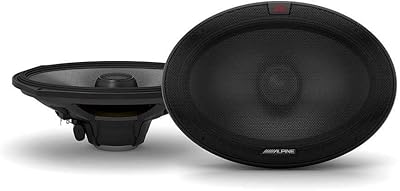
Alpine R-S69.2 6×9 Coaxial Speakers
79%
91%
Sound Clarity
83%
Bass Performance
78%
High-Frequency Extension
88%
Build Quality
66%
Installation Ease
More
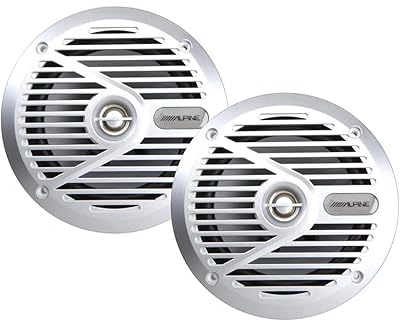
Alpine SPS-M601 6.5-inch Marine Coaxial Speakers
79%
81%
Sound Clarity
54%
Bass Performance
86%
Build Quality
78%
Weather Resistance
88%
Ease of Installation
More
Infinity Primus 603CF 6-1/2″ 2-Way Component Speaker System
85%
88%
Sound Quality
82%
Bass Response
91%
Installation Ease
85%
Build Quality
84%
Durability
More
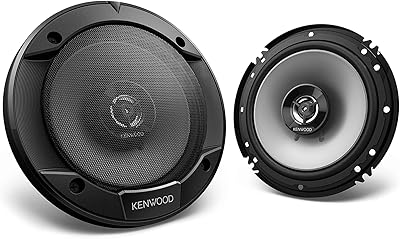
Kenwood KFC-1666S 6.5-inch Car Coaxial Speakers
76%
83%
Sound Quality vs. Factory Audio
61%
Bass Performance
79%
Treble & Clarity
91%
Installation Ease
67%
Build Quality & Materials
More
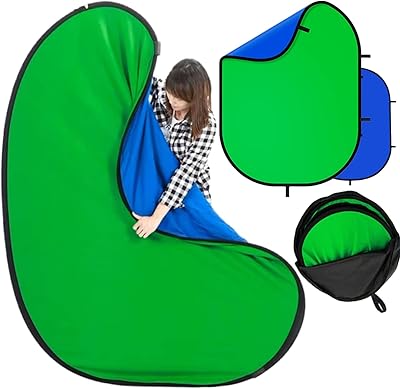
BiZiSOFON 2-in-1 Green & Blue Screen Backdrop 39.4″ x 59.1″
83%
94%
Portability
91%
Ease of Setup
88%
Fabric Quality
89%
Dual-Sided Flexibility
85%
Overall Value
More

FAQ

For USB-C and AUX connections, no driver installation is required on most Windows and macOS systems — they show up as a standard audio device automatically. If you want to customize the RGB lighting beyond the six built-in presets, you may need Creative's companion software, but for basic audio use you can plug in and start listening immediately.

Bluetooth 5.3 works with any compatible device, so streaming from a phone, tablet, or even a smart TV is straightforward. You can also use the 3.5mm AUX input if you prefer a wired connection to a mobile device. The USB-C audio input, however, is primarily designed for computers rather than phones.

High Gain Mode is an automatic feature that kicks in when the system detects it is connected to a USB power source delivering 30W or more. In that state, total system power scales up considerably, which means noticeably louder and slightly fuller sound at higher volume levels. The catch is that a qualifying 30W+ USB-PD adapter is not included in the box, so you would need to purchase one separately if you want to take advantage of it.

The Pebble X Plus does not natively support simultaneous dual-device Bluetooth pairing, so you cannot have two devices actively streaming at the same time. That said, switching between a paired laptop and a previously connected phone is relatively quick — you disconnect on one device and connect on the other. Many users find it easier to keep the PC connected via USB-C and use Bluetooth exclusively for mobile devices to avoid the switching step entirely.

For a personal desk setup, the subwoofer adds real impact to game audio and movie effects — explosions and low-end cinematic moments come through with noticeably more body than you would get from a typical 2.0 desktop system. It is not going to shake walls, and very deep sub-bass frequencies below 45 Hz are largely absent, but for a single-person listening zone it is a meaningful improvement over satellite-only setups.

Yes, the lighting can be fully disabled. If you prefer a clean, minimal desk look, you are not locked into the RGB. The six presets are there for those who want them, but the speakers function identically with the lighting switched off.

They are genuinely useful for people who switch between speakers and a headset regularly. The 4-pole headset jack handles combined headphone and microphone inputs for most consumer headsets, while the separate 3-pole microphone port accommodates standalone desk mics. Plugging in a headset automatically routes audio privately, which is handy during calls in a shared space.

The most meaningful difference is the addition of the subwoofer. The Pebble V3 is a 2.0 system, so it handles bass through the satellite drivers alone, which has obvious physical limits. The Pebble X Plus moves bass reproduction to a dedicated enclosure, which frees the satellites to handle mids and highs more cleanly. If bass presence matters to you — for music, gaming, or film — the step up is worth considering. If you mostly listen at low volumes to podcasts or voice content, the V3 remains a capable and more compact option.

They work well under normal conditions but do have a learning curve. A casual, light graze sometimes does not register, so you get used to giving the controls a slightly more deliberate touch. It is not a major frustration during everyday use, but buyers who prefer physical buttons or a dedicated volume knob may find the touch interface less satisfying over time.

It depends on the connection type. The 3.5mm AUX input works with any console that has a headphone or audio output jack. Bluetooth compatibility with consoles varies — PlayStation and Xbox have historically had limited third-party Bluetooth speaker support, so wireless connection to a console is not guaranteed. USB-C audio is designed for computers and may not be recognized as an audio device on consoles. For the most reliable console use, AUX from the console's controller or a TV headphone output is the safest route.

Where to Buy