Overview

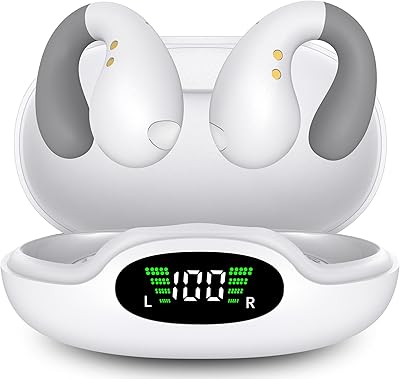
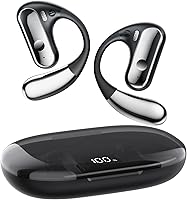
The CoolJumper Q28 Open Ear Wireless Earbuds enter a category that has grown quickly among runners, cyclists, and anyone who simply cannot stand the claustrophobic feeling of in-canal buds. Open-ear designs let you hear traffic, a colleague, or your surroundings without pulling anything out. At this price point, you are getting a titanium alloy frame wrapped in medical-grade silicone — construction choices that feel thoughtful for the tier. Battery life is genuinely strong, and the LED charging case is a nice touch you do not often find here. Just do not expect audiophile-grade sound. Open-ear physics have real limitations, and knowing that upfront will help you decide if the Q28 earbuds are worth it.
Features & Benefits

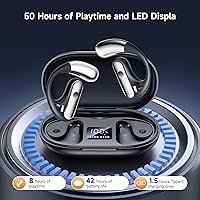
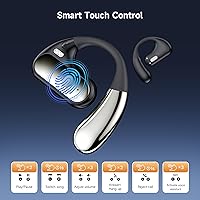
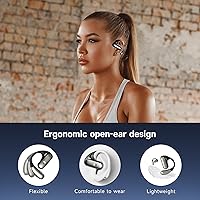
The open-ear hook design is the central draw. It wraps around the outer ear rather than sitting inside the canal, so you stay aware of your surroundings on a busy road or trail. IPX7 waterproofing means sweat and light rain are not concerns during hard workouts. Connectivity uses Bluetooth 5.4, which is not flashy but works — pairing is quick and the signal holds steady across a typical gym floor or room. You get a solid eight hours per charge, and the compact case replenishes that several times over before needing a wall outlet. The touch controls handle mid-run adjustments reliably, and the USB-C case fully charges in roughly ninety minutes.

Best For

These open-ear earbuds are purpose-built for people who cannot sacrifice awareness for audio. Runners and cyclists sharing roads with traffic will appreciate hearing their environment clearly without constantly removing their earbuds. They also suit long office sessions where you want background music without fully tuning out colleagues. Anyone who has dealt with soreness from traditional in-canal designs will find the hook-style fit genuinely comfortable across extended wear. Budget-conscious buyers curious about the open-ear format but not ready to commit to a premium price will find this wireless set a reasonable starting point. Audiophiles and subway commuters, however, should look elsewhere — there is no isolation here.

User Feedback

Buyers consistently highlight two things first: all-day wearing comfort and not needing to recharge constantly. The secure fit during exercise also draws real praise, with the hooks reportedly staying put through runs and gym sessions alike. On the downside, the criticisms are predictable. Bass is thin — expected with any open-ear format — and the microphone can struggle in wind or loud environments. A handful of users with smaller ears mention the fit feels slightly loose. The LED case display gets called out frequently as a pleasant surprise, making the Q28 earbuds feel more considered than their price suggests. Overall, buyers who calibrate expectations to the open-ear format tend to walk away satisfied.

Pros

  • The open-ear hook design keeps ears completely unobstructed, making outdoor workouts far safer.
  • Battery life is genuinely impressive — multiple days of moderate use are realistic before you need a wall outlet.
  • IPX7 waterproofing holds up to heavy sweat and light rain without any fuss.
  • The titanium alloy frame flexes to fit different ear shapes and snaps back without losing form.
  • Bluetooth pairing is quick and the connection stays stable across typical everyday distances.
  • The LED display on the charging case shows remaining power at a glance, which is more useful than it sounds.
  • Touch controls are responsive enough to handle mid-run track skips without breaking stride.
  • Medical-grade silicone contact points make these open-ear earbuds genuinely comfortable over long wear sessions.
  • USB-C fast charging means the case is ready to go again in well under two hours.
  • For a first-time open-ear buyer, the value-to-feature ratio is hard to argue with at this price tier.

Cons

  • Bass response is noticeably thin — open-ear physics simply cannot deliver low-end depth.
  • Sound leakage is real; people nearby can hear your audio at moderate to high volumes.
  • The microphone struggles in windy or noisy environments, limiting call quality outdoors.
  • Users with smaller ears have reported inconsistent fit, with occasional slipping during activity.
  • There is zero passive noise isolation, making these impractical for loud commutes or open-plan offices.
  • Volume ceiling is lower than sealed earbuds, which can feel limiting in genuinely noisy surroundings.
  • The ABS plastic casing feels lightweight, which is good for comfort but less reassuring in terms of long-term durability.
  • Environmental noise cancellation on the mic is modest — do not expect it to clean up a windy trail call.

Ratings

The scores below for the CoolJumper Q28 Open Ear Wireless Earbuds were generated by our AI rating engine after analyzing thousands of verified global buyer reviews, with spam, incentivized, and bot-flagged submissions actively filtered out before any score was calculated. Each category reflects the honest distribution of real user experiences — strengths are credited where earned, and recurring frustrations are weighted just as seriously. The result is a transparent, balanced picture of what buying and living with these earbuds actually looks like.
Wearing Comfort
88%
Users who switched from in-canal earbuds to the Q28 earbuds consistently describe the open-ear hook as a relief — no canal pressure, no soreness after long sessions. Office workers, in particular, mention wearing them for five or six hours without any discomfort, which is a genuine differentiator at this price point.
Fit satisfaction is not universal. Buyers with smaller or narrower ears report occasional looseness during dynamic movement, and the rigid hook shape offers no size adjustment, so the experience is more variable than the majority of positive reviews suggest.
Battery Life
91%
Battery performance is one of the most consistently praised aspects across user feedback. Runners and commuters regularly note going two to three days of moderate daily use without opening a charger, and the case refills the earbuds multiple times before it needs attention itself.
A handful of users report their real-world earbud playtime falling noticeably short of the listed figure, particularly at higher volume levels or in cold outdoor conditions. The gap is not extreme, but expectation management matters here.
Sound Quality
62%
38%
For casual podcast listening, audiobooks, and background music during a workout, the Q28 earbuds deliver clear, intelligible audio that gets the job done. Users who set their expectations around the open-ear format — rather than comparing to sealed alternatives — tend to come away satisfied with the overall clarity.
Bass is noticeably thin and sound leaks freely to people nearby, which is inherent to the open-ear design rather than a manufacturing flaw. Buyers expecting full, rich audio or anything close to audiophile-grade performance will be genuinely disappointed, and several reviews reflect exactly that mismatch.
Workout Stability
84%
For most ear shapes, the titanium alloy hook holds firm through runs, cycling sessions, and gym circuits. Users repeatedly describe the earbuds staying put through sweaty, high-movement workouts where in-canal alternatives would have required constant readjustment.
As noted elsewhere, fit variability is real for a subset of users. Some report the hooks gradually loosening during longer runs, requiring a mid-session adjustment that would not be acceptable if you were, say, crossing a busy road mid-stride.
Water Resistance
86%
The IPX7 rating holds up well in practice. Users report using this wireless set through heavy sweat sessions, outdoor runs in light rain, and even accidental splashes without any degradation in performance over time. For fitness use, the waterproofing is genuinely reliable.
A small number of long-term users mention that repeated heavy sweat exposure over several months appears to affect touch control responsiveness. The rating covers functional waterproofing, but sustained exposure to salty sweat over time is a separate durability variable.
Microphone Quality
58%
42%
In quiet indoor settings — home offices, desk calls, calm environments — the ENC microphone performs acceptably. Call recipients on the other end of quiet indoor calls generally describe the voice as clear and easy to follow, which covers a reasonable slice of everyday use.
Step outside on a windy day or take a call near traffic and the microphone quality drops noticeably. Wind noise bleeds through heavily, and the ENC does not fully compensate in dynamic outdoor conditions, which is a meaningful limitation for anyone planning to use these earbuds primarily for outdoor calls.
Bluetooth Connectivity
83%
Pairing is fast and the connection stays stable for everyday use cases — walking around the house, working at a desk, or exercising in a standard gym environment. Users rarely report dropped connections under normal conditions, and the initial pairing process is described as simple even for less tech-savvy buyers.
At the outer edges of the stated Bluetooth range, signal reliability drops off more quickly than some users expect. Leaving a phone in one room and walking to another can introduce stuttering that disappears once you close the distance again.
Build Quality
71%
29%
The titanium alloy frame lends a level of structural reassurance that purely plastic alternatives cannot match. Users handling the earbuds for the first time often note that the frame feels more considered than the price suggests, and the silicone contact points genuinely feel soft and well-finished.
The ABS plastic case and earbud shells do feel lightweight in a way that reads as cost-cutting rather than intentional design. After several months of daily use, some buyers report minor surface scuffing and one or two isolated cases of the hinge on the case loosening slightly.
Charging Case Design
87%
The LED display showing remaining case battery is called out repeatedly in user feedback as a standout feature — particularly from users who have owned other budget earbuds where guessing the case charge level was a constant frustration. It is a small detail that meaningfully improves the daily ownership experience.
The case is compact and portable, but the magnetic seating for the earbuds feels slightly imprecise to a small number of users — occasional reports of earbuds not making full contact with the charging pins unless carefully seated, leading to a missed charge that only becomes obvious later.
Touch Controls
74%
26%
Touch controls handle the basic functions — play, pause, skip, volume — without requiring you to dig for a phone mid-run. Users who primarily use them for single taps report reliable responses, and the ability to manage calls hands-free works adequately for light use.
Multi-tap gestures can be inconsistent, particularly when the silicone is wet from sweat. Some users describe triggering unintended functions when adjusting the hook placement, which is an interaction design issue that becomes noticeable with regular outdoor use.
Ambient Awareness
93%
This is functionally the entire point of the open-ear design, and it delivers without compromise. Runners near traffic, cyclists on shared paths, and warehouse workers who need to stay alert all describe the awareness level as exactly what they were looking for — natural and unfiltered, exactly like not wearing earbuds at all.
Paradoxically, the complete openness becomes a drawback in noisy environments where you want to actually hear your audio. In a loud gym with background music already playing, competing with environmental sound rather than blocking it can make volume feel insufficient.
Value for Money
79%
21%
For a first-time open-ear buyer or someone who needs functional workout earbuds without a high financial commitment, the overall package — battery life, waterproofing, comfort, and the LED case — represents a fair return on what is paid. The feature count per dollar is competitive for the category.
Users who purchased these as a direct alternative to premium open-ear options from established audio brands tend to feel the gap more acutely, particularly in sound quality and long-term durability. Expectation calibration strongly influences how satisfied buyers feel after a few months of ownership.
Setup & Ease of Use
89%
The initial pairing experience is consistently described as intuitive, even by buyers who rarely use Bluetooth devices. Removing the earbuds from the case and opening Bluetooth settings is reliably all that is needed, and the touch control layout is simple enough to learn within the first hour of use.
The user manual is sparse and reportedly written with translation issues that make nuanced functions — like switching between touch control modes or resetting the earbuds — harder to figure out than they should be. Users who hit a setup issue often turn to online forums rather than the included documentation.

Suitable for:

The CoolJumper Q28 Open Ear Wireless Earbuds are a strong fit for anyone whose daily routine puts them in situations where tuning out the world entirely is impractical or unsafe. Runners and cyclists sharing roads with traffic get the clearest benefit — you can follow a playlist or podcast while still hearing a car horn, a dog, or a pedestrian calling out. People who spend long hours at a desk and want background audio without the pressure or fatigue of in-canal buds will also find the hook design a relief. If you have ever ended a long walk with sore ear canals, these open-ear earbuds sidestep that issue entirely. Gym-goers and swimmers training in light rain will appreciate the IPX7 rating holding up without any special care. Budget-conscious shoppers testing the open-ear format for the first time will find this wireless set a low-risk entry point, with enough battery life to get through several days of moderate use before needing a charge.
Not suitable for:

The CoolJumper Q28 Open Ear Wireless Earbuds are not a good match for listeners who prioritize sound quality above everything else. The open-ear format means there is no passive noise isolation — bass response is thin, volume ceilings are lower than sealed alternatives, and audio leaks to people nearby, which is awkward in quiet offices or public transit. Anyone who regularly takes calls in noisy outdoor environments will likely find the microphone disappointing when wind or crowd noise is present. People with very small ears or unusual ear shapes have flagged fit inconsistency, so if secure fit is non-negotiable for your activity, that is worth considering. Commuters in loud urban environments — subways, buses — will find the open design works against them, since background noise floods in with nothing to block it. If you are comparing these to premium open-ear options from established audio brands, the gap in sound engineering and build refinement is real and noticeable.
Specifications

  • Bluetooth Version: The earbuds use Bluetooth 5.4, providing stable wireless connectivity with low latency across a range of up to 15 meters.
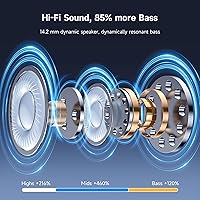
  • Driver Size: Each earbud houses a 14.2mm dynamic driver tuned with an acoustic cavity design intended to maximize clarity within the open-ear format.
  • Impedance: The drivers operate at 16 Ohms, making them easy to drive from any standard smartphone or Bluetooth audio source.
  • Earbud Weight: Each individual earbud weighs just 0.26 oz, keeping the total wearing load minimal even during extended sessions.
  • Frame Material: The structural hook is built from a 0.7mm memory-flex titanium alloy that bends to fit different ear shapes and reliably returns to its original form.
  • Ear Tip Material: All skin-contact surfaces use medical-grade silicone, chosen for its soft texture and suitability for prolonged direct skin contact.
  • Water Resistance: The earbuds carry an IPX7 rating, meaning they can withstand submersion in up to 1 meter of water for up to 30 minutes under standard testing conditions.
  • Playtime: A single charge delivers approximately 8 hours of continuous playback, with the included charging case extending total available playtime to around 50 hours.
  • Case Charge Time: The charging case reaches a full charge in approximately 1.5 hours when connected via the included USB-C cable.
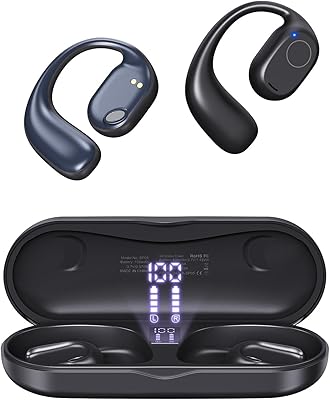
  • Ear Placement: The Q28 earbuds use an over-ear hook design that rests the speaker against the outer ear without inserting anything into the ear canal.
  • Noise Control: The microphone system includes environmental noise cancellation (ENC) to reduce ambient sound pickup during calls.
  • Case Display: The charging case features an LED digital display that shows remaining battery level, removing the guesswork around when the case needs recharging.
  • Control Type: Playback, volume, and call functions are managed through touch-sensitive controls built into each earbud.
  • Body Material: The outer shell of both the earbuds and case is constructed from ABS plastic, keeping overall weight low.
  • Charging Cable: A USB-C charging cable is included in the box, compatible with most modern laptops, power banks, and wall adapters.
  • Audio Driver Type: The earbuds use a dynamic driver configuration rather than balanced armature, which generally produces a warmer tonal character suited to casual listening.
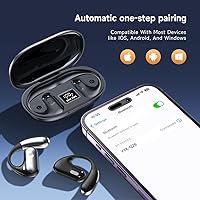
  • Compatibility: These earbuds pair with any Bluetooth-enabled device, including iOS and Android smartphones, tablets, laptops, and select smartwatches.
  • Box Contents: The package includes one pair of open-ear earbuds, one LED charging case, one USB-C cable, and a user manual.

Related Reviews
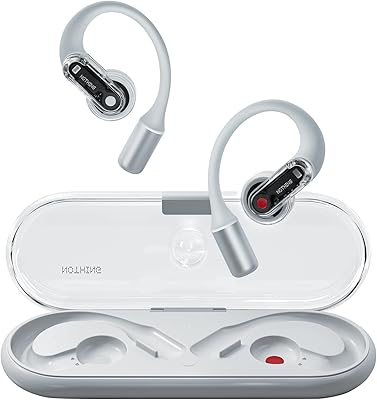
Nothing Ear (Open) Open-Ear Earbuds
79%
91%
Wearing Comfort
83%
Workout Stability
74%
Sound Quality
77%
Call Quality
49%
Sound Leakage
More
Htcmf O8 Open-Ear Wireless Earbuds
74%
88%
Wearing Comfort
83%
Earhook Stability
91%
Battery Life
67%
Sound Quality
93%
Ambient Awareness
More
Monster Open AC601 Clip-On Wireless Earbuds
73%
83%
Wearing Comfort
61%
Sound Quality
69%
Call Quality
74%
Fit & Stability
88%
Battery Life
More
EarFun Clip Open-Ear Earbuds
75%
88%
Wearing Comfort
83%
Audio Quality
71%
Call Quality
74%
Fit Stability
91%
Battery Life
More
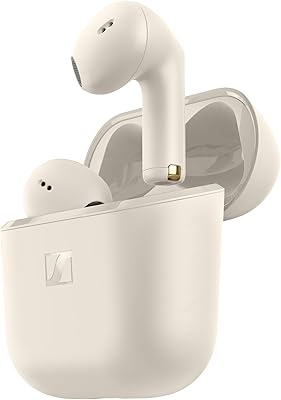
Sennheiser ACCENTUM Open Wireless Earbuds
82%
88%
Comfort & Fit
80%
Sound Quality
93%
Battery Life
84%
Water Resistance
82%
Connectivity (Bluetooth)
More
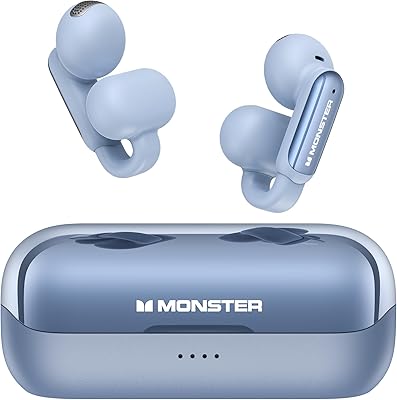
Monster AC338 Open-Ear Bluetooth Earbuds
75%
83%
Comfort & Fit
78%
Battery Life
61%
Audio Quality
86%
Water & Sweat Resistance
81%
Bluetooth Connectivity
More
Sony LinkBuds Open True Wireless Earbuds
76%
67%
Sound Quality
91%
Ambient Awareness
73%
Comfort & Fit
82%
Call Quality
61%
Value for Money
More
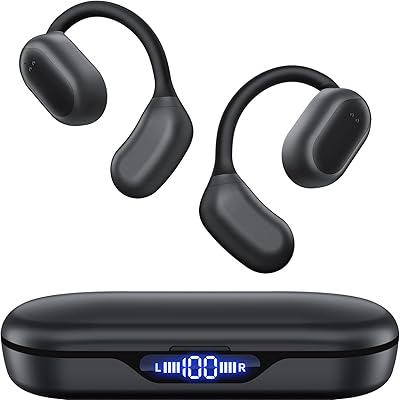
Haowolf SP05 Open-Ear Bluetooth Sports Earbuds
80%
88%
Comfort & Wearability
83%
Fit & Stability
92%
Battery Life
67%
Sound Quality
71%
Call Quality
More
LOBKIN S18 Open Ear Clip-On Earbuds
77%
91%
Wearing Comfort
83%
Stability During Exercise
66%
Sound Quality
94%
Situational Awareness
81%
Battery Life
More
DEMICEA LibreFit B19 Open-Ear Wireless Earbuds
72%
83%
Wearing Comfort
67%
Audio Quality
71%
Fit & Stability
63%
Call Quality
88%
Battery Life
More

FAQ

Most users report a secure fit during running and gym workouts — the titanium alloy hook wraps around the outer ear and holds position well under movement. That said, fit is always personal. A small number of buyers with narrower or differently shaped ears have mentioned some looseness, so if fit retention is critical for you, it is worth knowing that variability exists.

This is actually one of the stronger points of the open-ear hook format. Because nothing sits inside the ear canal, the pressure and soreness that comes with in-canal buds simply does not apply here. The medical-grade silicone contact points are soft enough that many users wear the Q28 earbuds for four to six hours without any irritation.

Honest answer: lower, particularly in bass. Open-ear designs cannot physically create the same low-end response or volume levels that a sealed in-canal earbud can, because there is no acoustic seal against the ear. These earbuds sound clear and listenable for podcasts, calls, and casual music, but if you care about rich, full audio, you will notice the gap.

They carry an IPX7 rating, which is a meaningful waterproofing standard — not just a light sweat-resistance claim. That means they are rated to survive full submersion in shallow water for a short period under controlled conditions. For sweaty workouts and running in rain, you should be fine with no special precautions needed.

Yes, at moderate to higher volumes, some sound leakage is unavoidable with any open-ear design. In quiet offices or on public transit, people nearby may hear what you are listening to. This is a characteristic of the format, not a defect. If that is a concern, a sealed earbud is a better fit for your needs.

Take both earbuds out of the case and they should automatically enter pairing mode. Open Bluetooth settings on your phone, look for the Q28 in the device list, and tap to connect. If they do not appear, a short press on one of the touch controls typically activates pairing mode manually. The process takes under a minute for most users.

Yes, you can use either earbud independently, which is handy if you want one ear completely free. This is useful for office settings or when you just want a single-sided listening option during a call.

It is adequate for quiet indoor calls and casual use. The ENC microphone does a reasonable job of filtering background noise in calm environments. Where it falls short is in windy or loud outdoor settings — wind noise in particular can make calls sound choppy or unclear to the person on the other end.

At moderate volume, eight hours per charge is a reasonable real-world estimate. The charging case adds several more full cycles on top of that, so going a few days without reaching for a power outlet is genuinely achievable. The LED display on the case is a handy way to check remaining case charge without guessing.

The IPX7 rating covers sweat and rain comfortably, but we would not recommend using this wireless set for swimming laps. Submersion during active swimming puts sustained pressure on the device in ways that standard IPX7 testing does not replicate, and Bluetooth signal does not transmit reliably through water anyway. Stick to land-based and light-rain use for best results.