Overview

The Audio-Technica ATH-G1WL Wireless Gaming Headset represents something a bit unusual in the gaming audio space: a studio-grade brand applying genuine acoustic engineering to a category usually dominated by flashy RGB and marketing noise. Audio-Technica built its reputation on professional microphones and reference headphones, so when this wireless gaming headset appeared at a premium price, expectations were understandably high. The 2.4 GHz RF wireless connection is the core differentiator from Bluetooth rivals — lower latency, more stable signal, no pairing headaches. That said, spending this much means you are betting that sound quality carries the experience. Mostly it does, but with real-world trade-offs worth knowing before you commit.
Features & Benefits

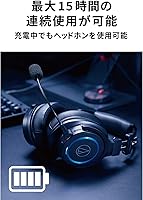
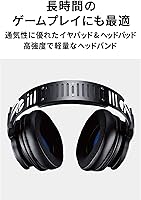
The 45 mm dynamic drivers are the real story here. Tuned from 30 Hz to 20 kHz, they produce a soundstage noticeably wider than most gaming headsets — footsteps register with genuine directionality, and game scores carry actual depth. The RF dongle handles latency the way Bluetooth simply cannot, staying stable even through walls and interference. Battery life sits at 15 hours, which comfortably covers extended sessions, though pushing the volume hard will trim that slightly. At 297g, the ATH-G1WL is lighter than it looks, and the padded headband holds up well over long hauls. The detachable boom mic is flexible and directional, though its ceiling is voice chat, not professional recording.

Best For

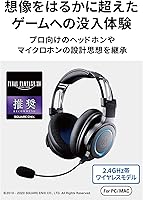
This wireless gaming headset is squarely aimed at PC and Mac gamers who want serious audio without the overhead of companion apps, RGB ecosystems, or mandatory software. Plug in the USB-A dongle and you are good to go — no drivers, no hassle. Audiophiles making their first move into gaming gear will recognize the sound signature immediately and appreciate the no-nonsense approach. Streamers who need a detachable mic for calls and light broadcasting will find it functional, if not broadcast-grade. One limitation worth stating upfront: the ATH-G1WL has no console wireless support for PlayStation or Xbox, and there is no Bluetooth fallback — this is a dedicated PC peripheral.

User Feedback

With roughly 195 ratings and a 4-out-of-5-star average, Audio-Technica's gaming headset earns genuine satisfaction — not breathless enthusiasm. The loudest praise centers on audio clarity: buyers stepping up from budget gear consistently note that the difference is real, particularly in the highs and stereo separation. The recurring sore point, though, is the microphone — at this price, most users expected more, and some explicitly compare it unfavorably to standalone USB mics at a fraction of the cost. Comfort feedback splits: the lightweight build wins fans for long sessions, but users with larger heads report persistent clamping pressure. Battery life also tends to run slightly short of the stated 15 hours in practice.

Pros

  • Wide, detailed soundstage makes positional audio in competitive games noticeably more accurate than typical gaming headsets.
  • The 2.4 GHz RF connection delivers rock-solid, low-latency wireless without the dropout issues common to Bluetooth headsets.
  • Zero companion software required — plug in the USB-A dongle and it works immediately on PC or Mac.
  • At 297g, the ATH-G1WL sits comfortably on the lighter end of over-ear gaming headsets for extended wear.
  • Audio-Technica's acoustic heritage shows clearly in the clean, uncolored sound signature — highs are crisp without being harsh.
  • The detachable boom microphone is a practical design choice, making the headset easy to pack or travel with.
  • 15-hour battery life comfortably covers most gaming sessions without a mid-session recharge interrupting the action.
  • Passive sound isolation does a solid job of blocking ambient noise without requiring active cancellation hardware.

Cons

  • Microphone quality disappoints at this price point — users routinely compare it unfavorably to cheaper standalone USB mics.
  • No native wireless support for PlayStation or Xbox makes it a hard sell for console-first gamers.
  • Clamping force is noticeably firm; users with larger or wider heads report real discomfort during sessions over an hour.
  • Real-world battery life frequently falls short of the 15-hour rating when the headset is used at higher volumes.
  • USB-A-only connectivity means no Bluetooth fallback and no support for devices without a full-size USB port.
  • No companion app or EQ customization options leave buyers with zero ability to tune the sound to personal taste.
  • Released in 2019, the headset lacks modern features — like mic monitoring or onboard chat mix — now standard elsewhere.
  • No dedicated mute button on the headset itself; silencing the mic requires physically detaching it.

Ratings

The scores below for the Audio-Technica ATH-G1WL Wireless Gaming Headset were generated by our AI after analyzing verified buyer reviews from across the globe, with spam, bot-driven feedback, and incentivized reviews actively filtered out. Both the genuine strengths and the recurring frustrations are reflected without bias — this is not a curated highlight reel. Whether your priority is wireless latency, mic performance, or long-session comfort, the breakdown below covers every dimension that real buyers care about.

Sound Quality
91%
Buyers consistently single out audio reproduction as the ATH-G1WL's strongest asset — the 45 mm drivers deliver a clean, balanced presentation with crisp highs and controlled low end that feels closer to an audiophile headphone than a typical gaming peripheral. In action-heavy games and cinematic soundtracks alike, the detail retrieval is genuinely impressive for the category.
A subset of users who came from high-end reference headphones found the tuning slightly colored in the mid-range, which can make certain vocal frequencies sound marginally recessed. At this price tier, a few buyers also noted that some competing headsets offer more dynamic bass punch without sacrificing clarity, suggesting the sound signature leans more neutral than exciting.
Wireless Performance
88%
The 2.4 GHz RF connection is one of this wireless gaming headset's clearest advantages over Bluetooth alternatives — users report zero perceptible lag during competitive play, and the signal holds steady across a typical room without interference from other nearby devices. Several reviewers specifically switched from Bluetooth headsets and called the stability difference immediately obvious.
A handful of users noted that the USB-A dongle being the sole connection method is a single point of failure — lose it and the headset becomes wired-only with no recovery option. Range also becomes less predictable in dense apartment buildings where competing 2.4 GHz signals from neighbors can introduce occasional brief dropouts at the edges of the rated distance.
Microphone Quality
58%
42%
For standard voice chat in multiplayer games or team calls, the directional boom mic does its job — it captures voice clearly enough, and the flexible positioning lets you find a comfortable angle without much fuss. The detachable design is also a practical touch, letting you remove it entirely for solo sessions or casual music listening.
The recurring frustration across user reviews is that the microphone quality simply does not match the headset's price point — several buyers compared it unfavorably to standalone USB mics that cost a fraction of the total. For streamers or anyone needing broadcast-quality voice capture, it is a meaningful shortcoming that often results in additional hardware purchases shortly after unboxing.
Comfort & Fit
73%
27%
The majority of users are positive about comfort, crediting the lightweight 297 g build for making multi-hour sessions manageable without the neck fatigue common in heavier headsets. The padded headband distributes weight evenly, and most buyers report no significant heat buildup or ear soreness during moderate to long gaming sessions.
A meaningful share of reviewers with larger or wider heads flag the clamping force as a genuine problem — pressure on the temples becomes noticeable after an hour or two, turning long sessions uncomfortable. Unlike some competitors, the headband adjustment range is not broad enough to fully resolve this for all head sizes, which limits its all-day wearability for a portion of buyers.
Battery Life
74%
26%
The rated 15-hour battery comfortably covers a typical evening or extended weekend gaming session without a mid-game recharge interruption, which is the baseline most buyers expect at this price tier. Users who game in focused two to four hour windows rarely report anything negative about battery performance in their reviews.
The consistent complaint is that real-world battery life trends noticeably lower than advertised when volume is pushed past the midpoint, with several users reporting closer to 11 to 13 hours in practice. The charging time is also on the longer side, meaning a fully depleted battery requires significant downtime before the next session can begin.
Build Quality
76%
24%
The ATH-G1WL feels solid for a predominantly plastic build — the headband has a reassuring flex rather than feeling brittle, and the overall construction holds up to the daily handling a dedicated gaming peripheral receives over months of use. The detachable mic connector also shows no signs of wear with regular attachment and removal cycles.
At a premium price point, some buyers expected metal reinforcement in key stress areas like the headband adjustment sliders, which are plastic and drew skepticism in longer-term use reports. A few users also noted that the ear cup padding compresses noticeably after several months, affecting both comfort and the effectiveness of passive isolation.
Value for Money
67%
33%
For buyers whose primary concern is audio fidelity, the ATH-G1WL does justify its price — the sound quality measurably outpaces lower-tier headsets, and the RF wireless reliability is a genuine step up from Bluetooth alternatives. Audiophile-minded users who also want a wireless gaming setup get real value from the driver quality alone.
The value equation weakens for buyers who expected a competitive microphone, software customization, or console wireless support alongside the audio quality — this headset delivers none of those at a premium rate. Against rivals that bundle EQ apps, surround sound processing, and cross-platform wireless at similar prices, the ATH-G1WL can feel narrow in scope for the cost.
Ease of Setup
93%
Plug-and-play is not an overstatement here — users universally praise how quickly the ATH-G1WL is ready to use: insert the dongle, power on the headset, and audio is live within seconds. There are no drivers to install, no accounts to create, and no app onboarding to wade through, removing a friction point that irritates buyers of many competing headsets.
The only setup friction comes from the dongle dependency — users on USB-C-only laptops need an adapter that is not included, and there is no fallback pairing mode if the dongle is lost. A small number of users also report that the headset is not always immediately recognized on first plug-in across all operating system versions.
Soundstage & Imaging
89%
This is where Audio-Technica's acoustic expertise clearly shows — the sound imaging in competitive shooters and open-world games is noticeably precise, with footsteps and ambient cues registering from convincing directions. Reviewers who play games with rich audio design consistently highlight spatial performance as the ATH-G1WL's most compelling differentiator from headsets in a similar price bracket.
The soundstage is wide but not virtualized — this wireless gaming headset includes no onboard surround sound processing, so buyers expecting software-enhanced 7.1 or spatial audio modes will find no such option out of the box. Those accustomed to virtual surround on competing headsets may find the stereo presentation comparatively less immersive across large open game environments.
Connectivity Options
52%
48%
For dedicated PC and Mac users, the single USB-A dongle approach is clean and uncomplicated — one port, one device, no configuration, and no driver conflicts. The included wired cable adds a fallback that prevents the headset from becoming completely unusable if the battery runs out or the dongle is temporarily unavailable.
No Bluetooth, no headphone jack, and no console wireless support make this one of the more restrictively connected headsets in its tier — if your workflow involves switching between a phone, tablet, or gaming console, the ATH-G1WL simply cannot follow. USB-C laptop users also face an extra adapter purchase right out of the box, which adds friction from day one.
Noise Isolation
78%
22%
The closed-back over-ear design provides solid passive isolation for a typical gaming context — road noise, HVAC hum, and light household activity are effectively dulled during sessions. Most users in a standard home environment find the level of ambient blocking more than sufficient to stay focused without needing active cancellation technology.
Passive isolation alone does not hold up in noisier environments like shared apartments, open-plan offices, or near loud appliances — in those settings, the absence of ANC becomes genuinely apparent. A few users also note that the seal weakens when the clamping force is stretched to accommodate larger heads, which simultaneously reduces isolation effectiveness.
Design & Aesthetics
71%
29%
The all-black matte finish reads as professional and understated — a refreshing contrast to the aggressive RGB aesthetics that dominate gaming peripherals at this price tier. Users who want a headset that doubles as everyday listening gear appreciate that it does not look out of place outside of a gaming setup.
For buyers who want a visually distinctive or premium-feeling peripheral, the predominantly plastic construction can feel at odds with the pricing. The design has not been updated since the 2019 launch, and compared to newer competitors that have refined both aesthetics and ergonomics, the ATH-G1WL's appearance feels dated rather than intentionally minimal.
EQ & Customization
43%
57%
The absence of any software ecosystem is a deliberate choice that appeals to a specific type of user — those who dislike background apps, distrust bloatware, and prefer to let hardware do the work without interference. For that buyer profile, no companion software is genuinely a feature rather than an oversight.
For the broader market, no companion app means no EQ presets, no mic monitoring, no virtual surround options, and no firmware update path — gaps that buyers at this price tier routinely receive from competing brands. Users who want to tailor sound for different game genres, or compensate for the mic shortcomings with onboard processing, have absolutely no recourse here.

Suitable for:

The Audio-Technica ATH-G1WL Wireless Gaming Headset is the right call for PC and Mac gamers who genuinely prioritize what they hear over how their setup looks — if you have ever been let down by the bloated software and over-boosted bass of mainstream gaming brands, this one will feel like a breath of fresh air. Audiophiles making their first move into dedicated gaming gear will immediately recognize the wider soundstage and cleaner frequency response that Audio-Technica's heritage delivers. It also suits players who want a dead-simple setup: plug the USB-A dongle in, and the ATH-G1WL is ready without a single driver download or app install. Streamers and remote workers who need a detachable microphone for team calls or light broadcasting will appreciate the flexibility, especially if they already own a dedicated mic for heavier production work. If low-latency wireless and honest audio reproduction are the metrics that matter most to you, this headset makes a strong, focused case for itself.
Not suitable for:

Buyers who game primarily on PlayStation or Xbox should approach the Audio-Technica ATH-G1WL Wireless Gaming Headset with caution — it has no native wireless support for either console platform, and there is no Bluetooth fallback to bridge that gap. If you need a microphone that can genuinely hold its own for streaming, content creation, or professional calls, the included boom mic will likely disappoint; at this price tier, most users expect more and find themselves pairing it with a separate USB mic anyway. Anyone who values EQ customization, virtual surround sound processing, or companion app control will find the ATH-G1WL deliberately bare-bones — there is nothing to configure beyond physical volume. Users with larger or broader heads may find the clamping force uncomfortable before a long session wraps up. Finally, anyone who needs cross-device flexibility — jumping between a phone, tablet, or console — will find the USB-A-only approach genuinely limiting in ways that competing wireless headsets handle more gracefully.

Specifications

  • Driver Size: Each ear cup houses a 45 mm dynamic driver, a large format that contributes to the headset's wide stereo imaging.
  • Frequency Response: The drivers cover a frequency range of 30 Hz to 20 kHz, spanning the full audible spectrum without hardware-imposed cutoffs.
  • Wireless Technology: Audio is transmitted wirelessly via 2.4 GHz RF through a dedicated USB-A dongle; no Bluetooth pairing or companion app is required.
  • Battery Life: Audio-Technica rates the built-in rechargeable lithium polymer battery at up to 15 hours of continuous use on a full charge.
  • Weight: The headset weighs 297 g (10.5 oz), placing it on the lighter end of the over-ear wireless gaming headset category.
  • Microphone: A flexible directional boom microphone is included and can be detached entirely for travel or when voice communication is not needed.
  • Connectivity: The only wireless connection method is a USB-A dongle; there is no 3.5 mm headphone jack and no Bluetooth support.
  • Compatible Devices: The headset works wirelessly with PCs and Macs equipped with a USB-A port; wired console use is possible via the included cable.
  • Ear Design: The headset uses a closed-back, over-ear configuration that physically seals around the ear for passive ambient noise reduction.
  • Driver Type: The transducers use dynamic driver technology, the same core approach found across Audio-Technica's broader consumer and professional headphone lines.
  • Noise Isolation: Sound isolation is entirely passive, relying on the closed ear cup seal rather than any active noise cancellation circuitry.
  • Volume Control: A touch-based inline volume control is integrated into the headset for quick level adjustments without accessing device settings.
  • Included Cable: A 2-meter wired cable is included in the box as a fallback connection option when wireless use is not possible or preferred.
  • Console Support: The wireless dongle does not support PlayStation or Xbox natively; console users must connect via the included wired cable instead.
  • Build Material: The headset body and headband are constructed primarily from plastic, with padded cushioning on both the headband and ear cups.
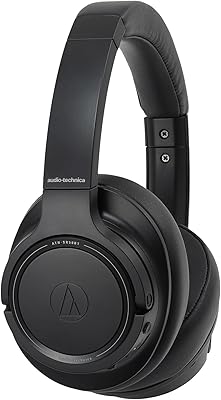
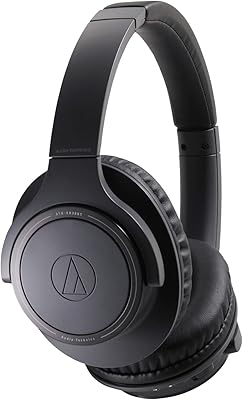
  • Color Options: The ATH-G1WL is offered in a single colorway — all-black with a matte plastic finish and no RGB lighting elements.
  • Release Date: The headset was first made available in July 2019 and is listed as not discontinued by the manufacturer.

Related Reviews
Audio-Technica ATH-TWX9
75%
93%
Sound Quality
78%
Noise Cancellation
89%
Hear-Through Mode
71%
Fit & Comfort
86%
Battery Life
More
Audio-Technica ATH-M20xBT Wireless Over-Ear Headphones
75%
94%
Battery Life
78%
Sound Quality
86%
Value for Money
47%
Wireless Range
68%
Noise Isolation
More
Audio-Technica ATH-SR50BT Wireless Over-Ear Headphones
71%
83%
Sound Quality
88%
Hi-Res Audio (Wired)
58%
Active Noise Cancellation
91%
Battery Life
67%
Comfort & Fit
More
Audio-Technica ATH-SR30BTBK Wireless Over-Ear Headphones
79%
86%
Sound Quality
94%
Battery Life
71%
Comfort & Fit
67%
Noise Isolation
62%
Touch Controls
More
Audio-Technica ATH-S700BT Wireless Over-Ear Headphones
70%
79%
Sound Quality
59%
Wireless Performance
71%
Build Quality
64%
Comfort
61%
Battery Life
More
Audio-Technica ATH-CK200BT Wireless In-Ear Headphones
72%
73%
Sound Quality
84%
Bluetooth Stability
77%
Battery Life
81%
Comfort & Fit
62%
Design & Build
More
Audio-Technica ATH-DSR7BT Wireless Over-Ear Headphones
73%
91%
Sound Quality
88%
Driver Technology
76%
Comfort & Fit
58%
Battery Life
61%
Value for Money
More
Audio-Technica ATH-SR6BTBK Over-Ear Bluetooth Headphones
78%
91%
Sound Quality
86%
Wireless Connectivity
82%
NFC Pairing
78%
Build Quality
74%
Comfort
More
Audio-Technica ATH-ANC700BT Wireless Noise-Cancelling Headphones
75%
76%
Noise Cancellation
84%
Sound Quality
88%
Battery Life
71%
Comfort & Fit
82%
Build Quality
More
Audio-Technica ATH-CKS5TWBK Wireless In-Ear Headphones
73%
91%
Bass & Low-End Performance
88%
Battery Life
62%
Fit & Stability
53%
Touch Controls
71%
Call Quality
More

FAQ

No, it does not. The 2.4 GHz RF dongle is designed for USB-A ports on PC and Mac, and neither PlayStation nor Xbox supports this wireless protocol natively. You can still use the ATH-G1WL on a console, but only through the wired cable that comes in the box — so if console gaming is your primary use case, keep that limitation in mind before purchasing.

It handles casual voice chat and in-game communication well enough, but most users agree it underdelivers for anything more demanding at this price tier. If streaming, podcasting, or recording voiceovers is a priority, you will likely want a dedicated USB microphone alongside it. The detachable design at least makes it easy to remove and swap out when the boom mic is not needed.

No software or drivers are required. Plug the USB-A dongle into your PC or Mac, and the headset is recognized as an audio device immediately. There is no companion app, no EQ suite, and no account registration — it is genuinely plug-and-play from the moment it arrives.

The 2.4 GHz RF connection is rated for approximately 10 meters (around 33 feet) under open conditions. In practice, walls and interference from other wireless devices can trim that slightly, but for a standard gaming room or home office setup, the signal holds up consistently without noticeable dropout at normal distances from the receiver.

For most people, yes — the 297 g weight and padded headband are genuinely comfortable over long stretches. The main caveat is clamping force: users with larger or broader heads have flagged that the pressure becomes uncomfortable after an hour or two. If you can try the fit in person before committing, that is worth doing.

No, it does not include active noise cancellation. The isolation is entirely passive, meaning the closed-back ear cups physically block ambient sound by forming a seal around the ear. For home gaming and general use this is usually sufficient, but it will not compete with dedicated ANC headphones in louder or more unpredictable environments.

Yes. The included 2-meter cable lets you plug in directly and continue using the headset even with a depleted battery. It is a genuinely useful safety net, especially for marathon sessions or those days when you forget to charge between uses.

The 15-hour figure reflects ideal conditions, and real-world use tends to land a bit lower — typically in the 12 to 14 hour range depending on volume level. It is still more than enough for most gaming sessions, but if you regularly push the volume hard, factoring in a slightly shorter runtime is a reasonable expectation.

You can, but you will need a USB-A to USB-C adapter since one is not included in the box. Any standard adapter that passes data (not just power) should work fine. It adds a small extra cost and one more dongle in the mix, but functionally it works without issues once connected.

The ATH-G1WL generally delivers a more refined, wider soundstage that many competitive players appreciate for picking up directional audio cues. The Arctis lineup, however, tends to offer more features at comparable prices — mic monitoring, onboard EQ, and better native console wireless support among them. If audio fidelity is your top priority and you play exclusively on PC, this headset is a strong contender. If you want a broader feature set or need cross-platform wireless flexibility, the Arctis series has practical advantages worth weighing.