Overview

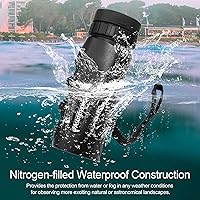
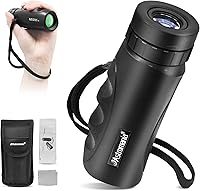
The Astromania 8x25 Compact Monocular is a slim, no-fuss optic built for people who want to bring magnification along without adding noticeable weight to their pack. At just 4.2 oz and small enough to disappear into a jacket pocket, this compact monocular genuinely earns the portability label. Astromania has a solid foothold in entry-level astronomy and optics gear, so this is a brand that at least understands what outdoor users need at an accessible price point. It is nitrogen-filled and rated waterproof to 1.5 meters for three minutes, meaning a sudden downpour or accidental splash won't knock it out of commission. Think of it as a capable trail companion rather than a precision instrument.
Features & Benefits

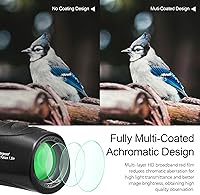
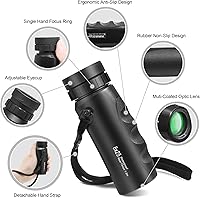
The optics here are built around 8x magnification and a 25mm objective lens — a pairing that works well in good daylight but starts to show limits as light drops. The BK-7 prism combined with fully multi-coated lenses does a reasonable job cutting glare and improving contrast for the price tier. One practical plus is the minimum focus distance of just 1.6 meters, which means you can observe a nearby bird or butterfly without losing your target. Eye relief of 12mm sits comfortably for eyeglass wearers. The rubber armor shell absorbs minor bumps, and the manual focus wheel is straightforward to operate with one hand.

Best For

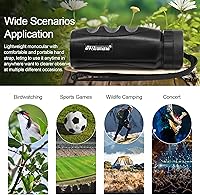
This pocket optic makes the most sense for casual users who want something light and weatherproof without a significant financial commitment. Birdwatchers heading out on weekend trails will find it slips easily into a shirt pocket and handles daytime spotting competently. At outdoor concerts or sporting events, it works well as a discreet single-tube viewer rather than the bulkier binoculars alternative. Travelers squeezing every ounce out of their luggage will appreciate the minimal footprint. It also serves as a solid entry point for beginners curious about monoculars — a low-risk way to decide whether this style of optic suits their habits before spending more.

User Feedback

Across its 144 ratings, the Astromania monocular holds a 4.0-star average — solid but not without caveats. Buyers consistently praise one-handed operation and build quality, noting the rubber coating feels sturdy for the price tier. Where opinions diverge is image performance: in bright midday conditions, most users are satisfied; at dusk or in shaded woodland, the small 25mm lens struggles to gather enough light. A handful of reviewers also found the 6.8-degree field of view a bit tight when tracking birds in flight. The carry pouch is functional but nothing more. For a budget-tier optic, the overall consensus is reasonably positive — just arrive with calibrated expectations.

Pros

  • At 4.2 oz, this compact monocular is light enough that carrying it feels like no trade-off at all.
  • Daytime image sharpness is genuinely solid for the price tier, especially in open, well-lit conditions.
  • The rubber armor feels durable and has absorbed real-world drops without cracking or misaligning the optics.
  • Splash resistance and nitrogen fill mean light rain is a non-issue — no need to reach for a bag mid-trail.
  • A minimum focus distance of 1.6 meters makes it versatile for close subjects like insects and nearby birds.
  • 12mm of eye relief means most eyeglass wearers can use this pocket optic without pressing lenses together.
  • Single-hand operation with a manual focus wheel is intuitive and fast enough for casual outdoor spotting.
  • The included hand strap adds meaningful security during active movement on trails or crowded venues.

Cons

  • Low-light performance falls off sharply — dusk birdwatching and dawn wildlife observation are genuinely disappointing.
  • The 6.8-degree field of view makes tracking moving subjects frustrating, even with practice.
  • Edge softness is noticeable; the BK-7 prism cannot match the corner-to-corner clarity of BAK-4 alternatives.
  • Faint chromatic aberration appears around high-contrast edges, particularly when scanning bright skies.
  • The carry pouch has no rigid structure and offers no meaningful protection against drops.
  • Lens caps fit loosely and are easy to lose during active outdoor use.
  • The focus wheel develops slight play over months of regular use, reducing long-term precision.
  • No diopter adjustment means users with unequal vision between eyes cannot fully fine-tune the image.
  • The fixed eyecup offers no twist-up adjustment, limiting comfort customization for glasses wearers.
  • Sustained heavy rain or close-range water spray can exceed the splash-resistance rating — it is not a truly waterproof optic.

Ratings

The scores below for the Astromania 8x25 Compact Monocular were generated by our AI after analyzing verified purchase reviews from buyers worldwide, with spam, bot-submitted, and incentivized feedback actively filtered out before scoring. Each category reflects what real users experienced in the field — from morning birdwatching sessions to rainy hiking trails — and both the strengths and the genuine frustrations are weighted transparently into every number.
Portability & Size
93%
This is where the monocular genuinely shines. At 4.2 oz and barely larger than a thick marker, most users report forgetting it's even in their pocket until they need it. Hikers and travelers in particular call out the palm-sized form factor as a meaningful advantage over traditional binoculars.
A small number of users with larger hands find the narrow grip slightly awkward during extended single-hand use. The included hand strap helps but doesn't fully compensate for the slim profile if your hands need more surface to hold onto.
Daytime Image Clarity
74%
26%
In full daylight — open trails, coastal birdwatching, outdoor sports events — most buyers are genuinely pleased with the image sharpness. The multi-coated lenses reduce noticeable glare, and center-field sharpness is better than many users expect from an entry-level optic at this price tier.
Edge softness is a recurring complaint once users start looking for it. Images can appear slightly washed out toward the periphery, which is a known limitation of BK-7 prisms versus the higher-grade BAK-4 alternatives found in pricier monoculars.
Low-Light Performance
51%
49%
Some users report the optic is still usable during golden-hour birdwatching, particularly when subjects are in an open, well-lit clearing. The fully multi-coated lenses do recover some brightness compared to uncoated alternatives in the same class.
The 25mm objective and 3mm exit pupil simply cannot gather enough light for reliable use at dawn, dusk, or under forest canopy. Multiple reviewers note images become noticeably dim and detail falls away quickly once the sun gets low — a real limitation for wildlife enthusiasts who chase early-morning activity.
Build Quality & Durability
81%
19%
The rubber armor wrapping feels solid and purposeful rather than decorative. Users who have dropped the monocular on rocky trails or scuffed it against pack straps report no cracks or optical misalignment, which is a meaningful mark of confidence for a budget-tier tool.
Some buyers notice the focus wheel has slightly more play than expected, and a few long-term users report it loosens marginally after months of regular use. The carry pouch, while included, offers minimal padding and would not protect against a hard drop on its own.
Waterproofing & Weather Resistance
72%
28%
Nitrogen-filling and the 1.5-meter waterproof rating give real peace of mind in drizzle and unexpected rain. Hikers who have been caught in light showers confirm the optics survived without fogging or water ingress, which is reassuring for outdoor use.
It is worth being clear: this is splash resistance, not submersion-level protection. A few users were surprised to find limitations when exposed to sustained heavy rain or stream spray at close range. Treating it as rain-safe rather than waterproof in the dive-watch sense is the right framing.
Field of View
58%
42%
The 6.8-degree field of view is workable for stationary subjects — perched birds, distant mountain ridgelines, or a stage at a concert — where you already know where to point the optic and just need magnification.
Tracking anything that moves quickly is genuinely difficult. Multiple birdwatchers mention losing songbirds in flight almost immediately, and sports fans trying to follow action across a field report the narrow window feels restrictive. This is one of the more consistently cited trade-offs in verified reviews.
Ease of Focus
78%
22%
The manual focus wheel responds quickly enough for single-hand operation, and most users get comfortable dialing in a target within a session or two. The minimum focus distance of 1.6 meters is a genuine plus — close-range insects and flowers come in sharp without needing to back away.
There is no diopter adjustment, so users whose eyes have different correction needs between left and right may find fine-tuning more tedious. A handful of reviewers also note the focus travel feels slightly stiff out of the box before it loosens with use.
Eye Relief & Comfort
76%
24%
The 12mm of eye relief is adequate for most eyeglass wearers to see the full image without pressing their lenses against the eyecup. Users who wear glasses specifically mention this as a pleasant surprise compared to monoculars they have tried with shorter eye relief.
Extended sessions — longer than 20 to 30 minutes of continuous viewing — produce some eye fatigue for a portion of reviewers, likely compounded by the narrow exit pupil. The eyecup itself is fixed rather than twist-up, which reduces flexibility for eyeglass users wanting to fine-tune their distance.
Value for Money
86%
At its accessible price point, the optic offers a feature set — weatherproofing, multi-coated lenses, rubber armor — that buyers consistently describe as punching above its tier. For a first monocular or a backup optic, the cost-to-utility ratio lands well for most purchasers.
Buyers who research more thoroughly before purchasing sometimes feel the BK-7 prism and narrow field of view hold the optic back from being truly great value. A slight step up in budget opens access to BAK-4 prism models that address the two most common complaints.
Grip & Handling
82%
18%
The ribbed rubber exterior gives genuine purchase in sweaty or damp hands. Users on trail runs and kayaking trips mention the hand strap pairs well with the textured surface to keep the monocular secure even during active movement.
The grip pattern, while functional, does not account for very small hands — some users find the ribbing sits in awkward spots. A couple of reviewers also note the strap attachment point shows slight wear after heavy use, though no one reports a failure.
Fog Resistance
79%
21%
The nitrogen fill does its job reliably in temperature-transition scenarios — moving from a cold car to warm outdoor air, or from air-conditioned venues to humid summer evenings. Most users report zero internal fogging even after repeated thermal shifts over months of use.
Internal fog resistance is solid, but external lens surfaces still collect condensation in very humid conditions, as with any optic. This is a physics limitation rather than a product flaw, but a handful of reviewers conflate the two and dock points unfairly.
Accessories & Packaging
55%
45%
The included carry pouch is appreciated as a dust and scratch barrier during storage or transit in a backpack. Having a hand strap included out of the box is a small but genuine convenience that buyers mention positively.
The pouch has no rigid structure and offers no real drop protection. There is no lens cloth included, and the lens caps — while present — fit loosely enough that a few buyers have lost them early. For a product aimed at active outdoor use, the accessory kit feels like an afterthought.
Optical Coating Quality
71%
29%
The BMC multi-coating performs well enough to keep contrast respectable and glare manageable in direct sunlight. Birdwatchers scanning bright skies or open water report the coating helps maintain a usable image without the washed-out look common in uncoated budget optics.
Color fringing — a faint chromatic aberration around high-contrast edges — is visible to attentive users, particularly against bright sky backgrounds. It does not ruin the experience but is a reminder that the coating, while multi-layer, is not at the level of premium optics costing several times more.

Suitable for:

The Astromania 8x25 Compact Monocular is a smart pick for anyone who wants optical magnification on hand without committing to the size or cost of traditional binoculars. Casual birdwatchers who head out on weekend trails will find it genuinely useful for daytime spotting — it is light enough to clip to a daypack without a second thought. Hikers and campers who deal with unpredictable weather will appreciate the splash-resistant, nitrogen-filled build that can shrug off drizzle without special care. Travelers packing lean will value how easily this pocket optic slips into a jacket or carry-on without eating into precious space. It also makes a practical choice for concert-goers or sports fans who want a discreet single-hand viewer rather than drawing attention with a full binocular setup. Beginners who are curious about monoculars but unsure whether the format suits them will find this a low-risk entry point before spending more on a premium optic.
Not suitable for:

The Astromania 8x25 Compact Monocular is not the right tool for serious wildlife observers, dedicated birders, or anyone whose viewing sessions regularly push into dawn, dusk, or shaded forest environments. The 25mm objective lens and 3mm exit pupil simply cannot pull in enough light for reliable low-light performance — images go dim and lose detail quickly once the sun drops. The 6.8-degree field of view will frustrate anyone trying to track fast-moving subjects like birds in flight or athletes across a wide field; you will lose your target repeatedly. Users expecting BAK-4 prism sharpness and edge-to-edge clarity at this price point will likely come away disappointed. Eyeglass wearers who need precise diopter adjustment between eyes may also find the fixed eyecup limiting. If your use case demands consistent performance across variable lighting or fast-tracking capability, a step up in both budget and optical specification is the more honest recommendation.
Specifications

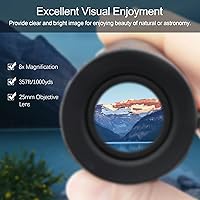
  • Magnification: The monocular delivers 8x magnification, bringing distant subjects 8 times closer than the naked eye.
  • Objective Lens: A 25mm objective lens collects incoming light and is best suited for daytime use in well-lit outdoor conditions.
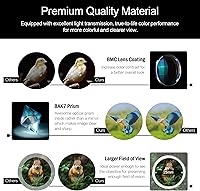
  • Prism Type: BK-7 glass prisms are used internally, which are standard in budget and mid-range optics and deliver acceptable center-field sharpness.
  • Lens Coating: All lens elements are fully multi-coated using BMC (broadband multi-coating) to reduce glare, improve light transmission, and boost contrast.
  • Exit Pupil: The exit pupil diameter is 3mm, which is adequate for daytime observation but limits usability in low-light environments.
  • Eye Relief: Eye relief measures 12mm, making the optic compatible with most eyeglass wearers without requiring them to remove their glasses.
  • Field of View: The field of view spans 6.8 degrees, equivalent to approximately 119 meters at 1,000 meters distance.
  • Min. Focus Distance: The minimum focus distance is 1.6m (approximately 4.8ft), enabling close-range observation of nearby birds, insects, or flora.
  • Waterproof Rating: The monocular is waterproof to a depth of 1.5m for up to 3 minutes, providing reliable protection against rain and splashing.
  • Nitrogen Fill: Internal nitrogen purging prevents moisture and condensation from forming on internal lens surfaces across temperature changes.
  • Fogproof: The sealed, nitrogen-filled construction makes the optic fogproof under normal outdoor conditions including humidity shifts.
  • Weight: The monocular weighs 120g (4.2 oz), keeping it light enough for all-day carry without adding meaningful burden to a pack.
  • Dimensions: Physical dimensions measure 4.33″ in length by 1.5″ in height by 1.65″ in width, fitting comfortably in a jacket or trouser pocket.
  • Focus Type: Focusing is manual via a single adjustment wheel, operable with one hand for quick target acquisition.
  • Body Armor: The exterior is wrapped in rubber armor with a ribbed, non-slip texture designed to absorb minor impacts and improve wet-hand grip.
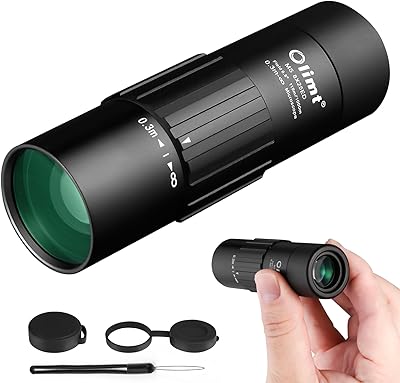
  • In the Box: Each unit ships with the monocular, a soft carry pouch, and a non-slip hand strap; lens caps are attached at both ends.
  • Manufacturer: The monocular is manufactured and sold by Astromania, a brand specializing in entry-level astronomy and outdoor optics equipment.
  • Model Number: The official model identifier is SKU_AM_VM11_0825, as listed by the manufacturer.

Related Reviews
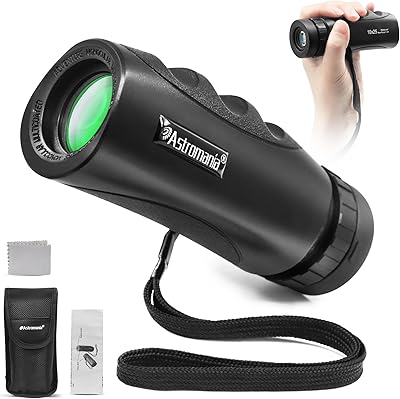
Astromania 10x25 Waterproof Compact Monocular
86%
92%
Portability
88%
Build Quality
90%
Waterproof Performance
85%
Ease of Use
82%
Image Clarity
More
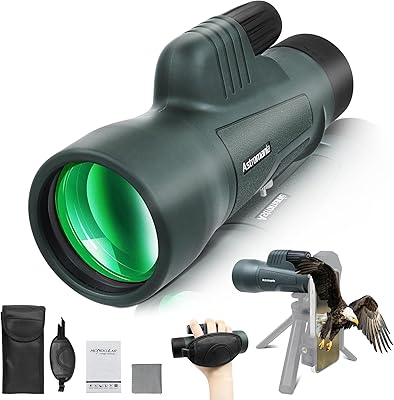
OLIMT 8x25 Monocular Telescope
87%
91%
Optical Clarity
88%
Build Quality & Durability
93%
Portability & Weight
89%
Waterproof Performance
84%
Ease of Use
More
Astromania 8x42 BAK4 Monocular
77%
83%
Optical Clarity
79%
Build Quality
77%
Waterproofing & Weather Resistance
91%
Portability & Size
68%
Ease of Focus
More
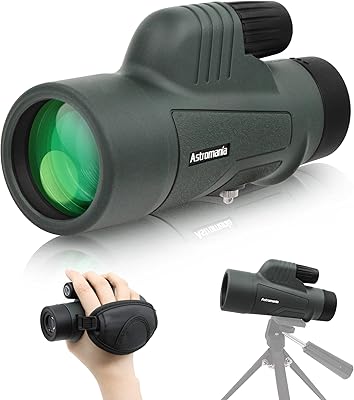
Astromania 12X50 BAK4 Monocular
86%
88%
Image Clarity
92%
Build Quality
94%
Waterproof Performance
90%
Portability
85%
Ease of Use
More
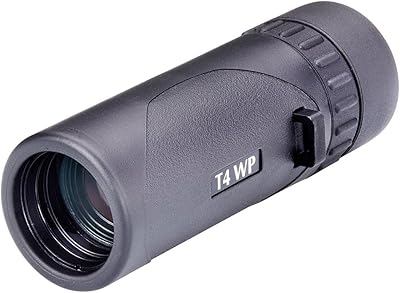
Opticron T4 Trailfinder WP 8x25 Monocular
86%
87%
Optical Performance
92%
Build Quality & Durability
90%
Portability & Weight
84%
Ease of Use
91%
Waterproofing & Weather Resistance
More
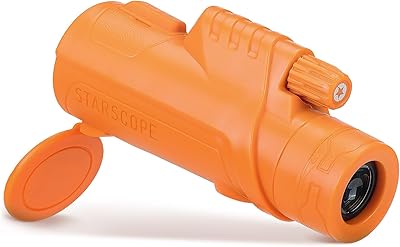
Starscope 10x42 Monocular
85%
88%
Optical Quality
91%
Ease of Use
94%
Portability & Weight
85%
Build Durability
70%
Smartphone Compatibility
More
Celestron Nature 10x25 Monocular
79%
83%
Optical Clarity
61%
Low-Light Performance
88%
Build Quality
91%
Weather Resistance
94%
Portability & Size
More
URBANCOAST 15x54 Monocular
77%
83%
Optical Clarity
81%
Build Quality
74%
Waterproofing & Weather Resistance
79%
Comfort & Ergonomics
77%
Magnification Performance
More
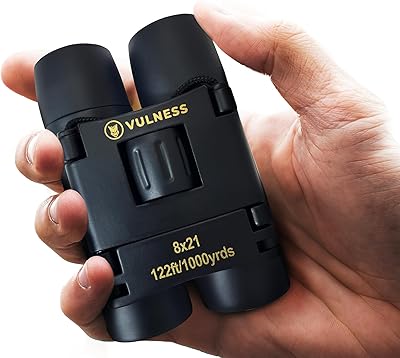
VULNESS VL-821BL 8x21 Compact Binoculars
75%
83%
Optical Clarity (Daytime)
51%
Low-Light Performance
94%
Portability & Size
71%
Build Quality & Durability
81%
Focus System
More
HURYSIN 8x42 Monocular
79%
74%
Optical Clarity
83%
Build Quality
88%
Waterproofing
86%
Eye Relief & Comfort
67%
Focus Mechanism
More

FAQ

It sits somewhere in between, honestly. The monocular is rated to withstand submersion at 1.5 meters for up to 3 minutes, which means it will handle rain, splashing, and the occasional drop into a shallow puddle without issue. That said, do not treat it like dive equipment — prolonged or deep water exposure is beyond what the seal is designed for.

Yes, in most cases. The 12mm of eye relief is enough for the majority of eyeglass wearers to see the full image without pressing their lenses uncomfortably against the eyecup. Keep in mind there is no twist-up diopter on the eyecup, so you cannot extend or retract it — you simply look through it at whatever working distance works for your frames.

At 8x magnification, the practical clear viewing range in good daylight extends comfortably to several hundred meters for stationary subjects. Exact sharpness depends on atmospheric conditions, the subject's contrast against its background, and ambient light. There is no hard maximum range — magnification is fixed, so anything within a reasonable outdoor sightline is a candidate.

For casual daytime birdwatching — spotting perched birds, scanning hedgerows, or identifying species sitting still at moderate distance — this pocket optic works well. Where it struggles is tracking birds in flight, because the 6.8-degree field of view is relatively narrow and fast-moving subjects can slip out of frame quickly. If most of your birdwatching happens at dawn or dusk, the small objective lens will limit how much detail you can pull out in low light.

Internal fogging should not be an issue. The monocular is nitrogen-filled and sealed, which is specifically designed to prevent internal condensation when you move between temperature extremes — like stepping out of an air-conditioned car into humid summer air. External lens surfaces can still collect surface moisture just like any glass, but a quick wipe with a lens cloth sorts that out.

The minimum focus distance is 1.6 meters, which is roughly 5 feet. That is close enough to observe butterflies, insects, and flowers at short range, which is actually a useful feature for nature enthusiasts who want to double the monocular as a close-up viewing tool, not just a distance spotter.

It can be a solid gift, particularly for teenagers or older children who show an interest in birdwatching, hiking, or nature. The single-hand operation is intuitive enough for younger users to pick up quickly, and the rubber armor body holds up to the handling a younger person might give it. For very young children, the manual focus wheel and the need for steady hands may prove frustrating.

Astromania does not publish a widely advertised warranty period for this model in their standard Amazon listing. If warranty coverage is important to you, it is worth contacting the seller directly before purchasing to confirm what support is available in the event of a defect.

Always use a clean microfiber lens cloth — the kind designed for optics or eyeglasses — and avoid paper towels, tissues, or shirt fabric, which can leave micro-scratches over time. For dust or grit, breathe lightly on the lens first to loosen particles, then wipe in gentle circular motions. Avoid any cleaning fluid that contains acetone or harsh solvents; plain lens cleaning solution or a light breath-and-wipe is usually all you need.

At 6.8 degrees, this compact monocular sits on the narrower side compared to many quality 8x binoculars, which often achieve 7 to 8 degrees or more. In practical terms, you see a slightly smaller slice of the scene at any given moment. For stationary subjects it is rarely a problem, but side-by-side with a wider-FOV binocular, the difference in situational awareness becomes noticeable, particularly in dense woodland or at fast-paced events.