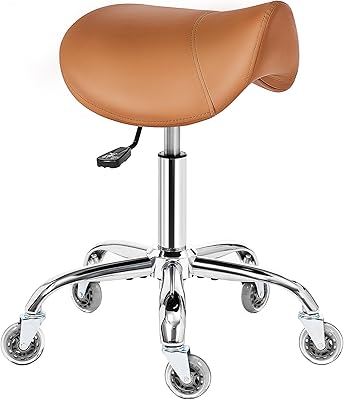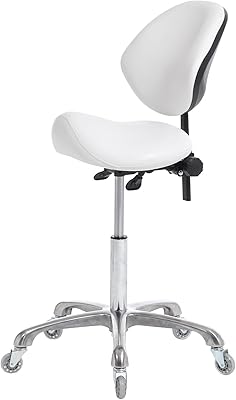
Overview

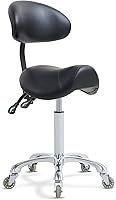
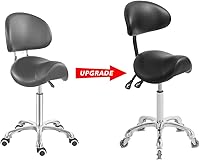
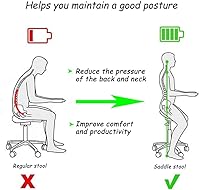
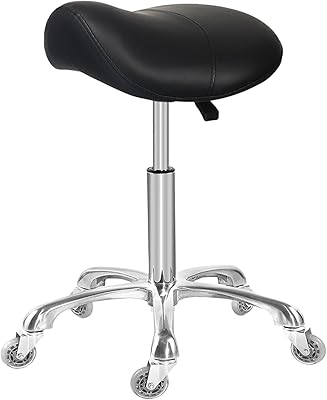
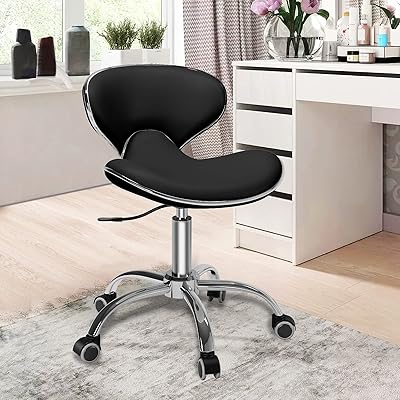
The Antlu Rolling Saddle Stool with Backrest is built for beauty and wellness professionals who know what it feels like to finish a long shift with an aching lower back. Unlike a conventional round-top stool, the saddle shape tilts your pelvis forward slightly, distributing weight in a way that gradually reduces spinal pressure. The key upgrade over Antlu's earlier model is the curved backrest, designed to sit closer to the spine rather than floating awkwardly behind you. With a 4.4-star average from over 1,000 buyers, it carries real credibility — though it's worth being clear that this is a working professional's tool, not a casual home purchase.

Features & Benefits

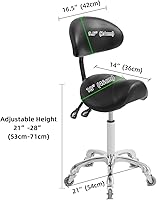
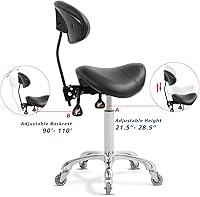
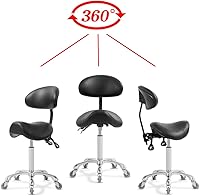
The height adjusts from roughly 21.5″ to 28.5″, which covers most standard treatment tables and work surfaces without any fuss. The 360-degree swivel and quiet, floor-safe casters make repositioning around a client feel effortless — a small detail that compounds over a full day of appointments. The backrest nudges you toward a more upright posture rather than letting you slump forward, which is where most salon stools fail. Assembly is genuinely tool-free and takes only a few minutes. One honest caveat: the sponge foam cushion feels solid initially, but long-term compression is a real factor for anyone sitting eight hours daily.

Best For

This lash and esthetician chair is a natural fit for lash technicians, estheticians, and tattoo artists who spend most of their working hours leaning over a client. The wide height range handles different table setups without awkward compromises, and the 350-pound weight capacity makes it broadly inclusive. Dental assistants looking for a saddle-style seat without a clinical price tag will find it worth a close look. Small salon and spa owners furnishing multiple stations will also appreciate the practical value. Fair warning, though: if you've never used a saddle stool before, expect a short adjustment period — this style of seating is not universally intuitive from day one.

User Feedback

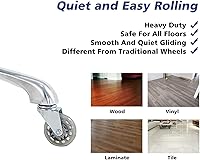
Buyers who rely on this saddle stool through full professional workdays consistently highlight the wheels as a standout feature — quiet, smooth, and genuinely gentle on hardwood and tile floors. Many also note it is a clear improvement over Antlu's previous backrest-free version. The main recurring concern is cushion longevity: some reviewers report the foam softens noticeably after several months of daily use, which is worth factoring in. A few taller users wish the backrest angle offered more range. On the assembly side, the no-tools claim holds up well in practice, with most buyers getting set up in under five minutes. Overall durability is rated positively, though expectations should stay realistic for the price tier.

Pros

  • The saddle seat design actively reduces lower-back and spinal pressure during long professional shifts.
  • Quiet, floor-safe casters roll smoothly and won't scratch hardwood or tile salon floors.
  • The height range covers most standard treatment tables, suiting a wide variety of work setups.
  • Upgraded backrest sits closer to the spine than competing stools in this price range.
  • Tool-free assembly is genuinely quick and straightforward — most users are up and rolling in minutes.
  • A 350-pound weight capacity makes this saddle stool accessible to a broad range of practitioners.
  • 360-degree swivel allows effortless repositioning around a client without interrupting workflow.
  • Buyers who previously used Antlu's backrest-free model consistently rate this version as a clear improvement.
  • The compact footprint fits neatly into tight salon or studio spaces without crowding the room.
  • Overall durability holds up well during the first year of regular professional use, based on buyer feedback.

Cons

  • The sponge foam cushion tends to compress and lose its initial comfort after several months of daily use.
  • Taller users often find the backrest angle too fixed to deliver consistent lumbar support throughout the day.
  • Saddle-style seating has a real adjustment period — hip and inner-thigh discomfort is common for first-time users.
  • The backrest offers no meaningful angle adjustment, which limits personalization for different body types.
  • Sponge upholstery may be harder to keep hygienic in high-traffic salon environments compared to sealed vinyl or PU leather.
  • The stool is not suited to heavy-duty clinical settings where equipment must endure continuous multi-staff daily use.
  • At 17 pounds, it is not particularly lightweight to move between rooms or transport to off-site events.
  • There is no armrest option, which some practitioners prefer for added support during delicate, close-contact work.
  • Long-term cushion replacement or refurbishment is not a well-documented option from the manufacturer.

Ratings

Our AI-generated scores for the Antlu Rolling Saddle Stool with Backrest were produced by analyzing thousands of verified buyer reviews from global markets, with spam submissions, bot activity, and incentivized or promotional feedback actively filtered out before any scoring was applied. The ratings below reflect a balanced synthesis of where this saddle stool genuinely performs well for working professionals and where real-world frustrations repeatedly surfaced across independent reviewers. Both strengths and pain points are transparently represented in every category score.

Ergonomic Comfort
83%
Lash technicians and estheticians consistently report meaningful lower-back relief compared to flat-top stools during four-to-eight-hour shifts. The saddle shape encourages a natural forward pelvic tilt that keeps the spine in a healthier position passively, without requiring constant conscious effort to sit upright. Most buyers notice the difference within the first week of switching.
First-time saddle stool users often experience an adjustment period of one to two weeks, during which inner-thigh and hip discomfort is common as the body adapts. The ergonomic benefit also depends heavily on the cushion remaining firm, and as the foam compresses over months of daily use, the comfort advantage can diminish noticeably for some practitioners.
Lumbar Support
76%
24%
The upgraded backrest positions itself closer to the spine than most competing stools at this price range, which makes a tangible difference for practitioners who previously used a backrest-free saddle stool. Tattoo artists doing long sessions particularly appreciate having something to briefly rest against during breaks without needing to fully dismount and stand.
The backrest angle is fixed, which frustrates taller users who find it contacts their spine too low to provide meaningful support through a full shift. Several buyers also note that the backrest feels fairly rigid rather than yielding, meaning it functions better as a passive posture reminder than as active lumbar cushioning during continuous seated work.
Cushion Longevity
61%
39%
Out of the box, the sponge foam seat feels adequately cushioned for most practitioners and holds up well during the first few months of regular professional use. Buyers who rotate between multiple stools or work part-time hours report that the foam retains its density considerably longer than those relying on it for full eight-hour daily shifts.
Foam compression is the most recurring complaint in long-term reviews, with a notable portion of buyers reporting significant cushion density loss after six to twelve months of heavy daily use. Once the foam compresses, the seat becomes harder and less forgiving, and there is no well-documented manufacturer-supported path for replacing just the cushion independently.
Wheel Performance
89%
The casters are consistently praised as a standout feature, rolling quietly across hardwood, tile, and LVP flooring without scuffing or leaving marks. Practitioners who reposition frequently around a treatment table — particularly lash techs adjusting their working angle mid-session — rate the wheel smoothness as genuinely superior to other stools they have previously used.
On carpeted surfaces or thick anti-fatigue mats, rolling resistance increases noticeably and the effortless pivot experience the stool delivers on hard floors is largely lost. A small number of buyers also report individual casters developing a slight wobble after six or more months of use, though this appears to be an exception rather than a consistent pattern.
Height Adjustability
84%
The pneumatic lift is smooth and covers roughly seven inches of range from 21.5″ to 28.5″, which suits the majority of standard treatment tables used in salons and spas without requiring awkward table-height compensation. Both shorter and average-height practitioners find it easy to dial in a comfortable working height that keeps arms relaxed and posture neutral throughout a session.
Taller practitioners — particularly those over six feet — frequently report that the maximum height still leaves them working at a slightly downward angle that builds shoulder strain over time. The pneumatic mechanism, while functional, does not lock as firmly as higher-end cylinders, and a few buyers note subtle gradual sinking during prolonged uninterrupted sessions.
Backrest Design
72%
28%
The curved backrest is a genuine improvement over the earlier backrest-free Antlu model, giving practitioners something to briefly rest against between clients or during particularly demanding procedures. Studio owners who have staff seated for long hours appreciate having a physical support structure that encourages the body not to slump forward during quieter moments in a shift.
The backrest offers no tilt or height adjustment, which is a noticeable omission at this price point relative to some competitors who provide at least basic angle control. Practitioners with longer torsos or those who prefer a slightly reclined working angle will find the fixed position too limiting to deliver consistent benefit throughout a full working day.
Build Quality
78%
22%
The overall construction feels stable and solid for a stool in its price bracket, with no widespread complaints about wobbling or structural failure during the first year of standard professional use. The five-star base distributes weight evenly, and the pneumatic column handles the rated load capacity without the creaking or flexing that cheaper alternatives exhibit under similar conditions.
The materials are clearly mid-range rather than commercial-grade, and a portion of longer-term reviewers report minor issues such as cylinder drift or surface wear on the base after extended daily use. Buyers expecting the structural durability found in clinical or dental-grade equipment will likely encounter limitations within two to three years of intensive professional deployment.
Assembly Experience
91%
The tool-free assembly claim is one of the most consistently validated points across buyer reviews, with the vast majority reporting a complete build in five minutes or less using only the included pictorial instructions. Solo setup is genuinely practical — no extra hands needed, no hardware to sort through, and no stripped fasteners to contend with during the process.
A small subset of buyers reports that the backrest attachment requires more force than expected to click securely into position, which can feel uncertain and unclear for first-time assemblers. The instructions are entirely pictorial with minimal written guidance, which occasionally causes confusion for buyers who prefer step-by-step text descriptions alongside the diagrams.
Mobility & Swivel
87%
The 360-degree swivel is genuinely smooth and unobstructed, allowing practitioners to rotate toward different angles of a client's face, arm, or body without lifting or shuffling the stool base. For lash technicians working both sides of a treatment bed, this makes a real practical difference in workflow continuity and reduces the minor physical interruptions that accumulate across a full day.
On thicker salon mats or low-pile rugs, the swivel and rolling combination works less fluidly, limiting the effortless repositioning that makes this stool so practical on bare hard floors. A small number of buyers have noted the swivel mechanism developing mild resistance over time, requiring a slightly more deliberate rotation effort than when the stool was new.
Value for Money
82%
18%
Relative to clinical saddle stools at significantly higher price points, this lash and esthetician chair packages saddle design, smooth casters, full swivel, and a proper backrest at a mid-range investment that small studio owners and solo practitioners can realistically justify. Buyers consistently describe it as solid value when measured against the physical relief it provides during demanding working days.
Buyers who factor in the realistic probability of cushion degradation or full stool replacement within two years of intensive daily use may find the long-term cost-per-use less compelling than the upfront price implies. The fixed backrest and sponge foam seat are the two points where the value proposition is most visibly constrained relative to pricier alternatives in the same category.
Weight Capacity
93%
The 350-pound weight rating is generous for a stool in this category and means the Antlu salon stool can be deployed across a diverse team of practitioners without exclusion or concern. Buyers across a wide range of body types report consistent structural confidence during use — no creaking, no lateral flex, and no instability under normal professional working conditions.
While the stated capacity is 350 pounds, independent long-term testing data is limited, and a handful of heavier users approaching the upper limit note that the pneumatic cylinder can sink more rapidly than for lighter users. The capacity claim appears credible based on buyer feedback but is not third-party certified, which may matter in regulated clinical or dental environments.
Ease of Cleaning
67%
33%
For routine between-client wipe-downs, the sponge foam upholstery handles a damp cloth well enough for standard salon hygiene needs. The black finish does not show minor surface marks or smudges readily, which helps the stool maintain a professional appearance with relatively little daily maintenance effort even in busy studio environments.
The sponge fabric upholstery is considerably less hygienic than sealed vinyl or PU leather surfaces that withstand stronger salon-grade disinfectants between clients. Product residue and liquids can absorb into the sponge material if not wiped immediately, which is a meaningful concern in high-traffic settings where rigorous sanitation between every appointment is a non-negotiable requirement.
Noise Level
88%
The rolling casters generate minimal sound when transitioning across hardwood or tile mid-appointment, which buyers consistently highlight as better than expected for this price tier. For practitioners working in quiet, intimate environments such as lash studios or facial treatment rooms, the low-noise rolling profile helps maintain a calm and professional atmosphere throughout a session.
On polished concrete or certain harder floor types, some buyers report a faint intermittent clicking or light rattling from the base as the stool shifts under body weight during movement. This is not a universal complaint but is worth noting for practitioners working in open-plan shared spaces where ambient noise management is a meaningful priority.
Stability
85%
The five-star base provides a grounded, confident feel during use, and the stool does not tip or rock even when the user leans forward significantly over a client. Tattoo artists who apply lateral pressure during detailed work particularly appreciate the stability, as any unexpected base movement during a fine-line pass would be an unacceptable interruption to their work.
On uneven or textured floor surfaces — such as anti-fatigue mats with raised patterns — the base can sit unevenly, creating a mild rocking sensation that undermines the otherwise solid feel during active use. A few buyers also note the stool rolls more freely than desired on very smooth polished floors, making it harder to hold a fixed position during precise work.
Posture Correction
79%
21%
The saddle geometry is genuinely effective at encouraging a more neutral spinal position during extended seated work, and practitioners who use it consistently report reduced end-of-day lower-back fatigue after several weeks of regular use. The combination of the saddle tilt and the curved backrest creates a passive posture support system that requires less conscious effort than staying upright on a flat stool.
Posture improvement is not automatic — users who habitually roll their hips backward or hunch forward still need to make conscious behavioral adjustments during the early adaptation weeks. The posture benefits are also most pronounced while the cushion retains its firmness, and foam compression over time gradually reduces the pelvic tilt effect that makes saddle seating ergonomically advantageous.

Suitable for:

The Antlu Rolling Saddle Stool with Backrest is genuinely well-matched to beauty and wellness professionals who spend the bulk of their workday seated close to a client — think lash technicians, estheticians, and tattoo artists who log four to eight hours of focused, detail-oriented work per session. The saddle-seat geometry encourages a natural pelvic tilt that takes meaningful pressure off the lumbar spine, which is a real advantage if you've been grinding through back discomfort on a flat stool for years. The height range spans roughly 21.5″ to 28.5″, making it adaptable to most standard treatment tables without requiring any awkward compromises. Dental assistants and hygienists who want a saddle-style seat without paying clinical-equipment prices will also find this a sensible fit. Small studio owners furnishing multiple workstations on a practical budget can realistically invest in several without overextending, given the mid-range price point. If you already know saddle seating works for your body and you need a rolling stool with actual back support, this delivers solid value for the money.

Not suitable for:

Buyers expecting orthopedic-grade, long-term durability from this saddle stool should temper their expectations — the sponge foam cushion is comfortable out of the box but is likely to lose density after months of daily eight-hour use, which is a meaningful consideration for anyone who won't replace equipment frequently. Taller practitioners, particularly those over six feet, may find the backrest angle insufficiently adjustable to provide meaningful lumbar contact throughout the day. People who have never used saddle-style seating before should also proceed carefully: the seated posture is genuinely different from a flat chair, and the adjustment period can involve mild hip and inner-thigh discomfort that discourages some users entirely. This stool is not designed for heavy-duty clinical environments where equipment is expected to withstand years of continuous, all-day use across multiple staff members. If your priority is a deeply cushioned, plush seat for personal comfort rather than ergonomic posture correction, the sponge padding here may feel disappointingly firm after the initial break-in. Buyers who need significant lumbar angle customization or a fully reclining backrest should look at more specialized ergonomic seating before committing.

Specifications

  • Seat Type: The seat uses a saddle-style ergonomic design that tilts the pelvis forward to reduce spinal compression during extended seated work.
  • Seat Padding: The seat is upholstered in sponge foam, which provides initial cushioning comfort but may compress with prolonged daily use over time.
  • Backrest Design: An upgraded curved backrest is included and positioned to sit closer to the spine, supporting upright posture without forcing rigidity.
  • Height Range: The pneumatic height adjustment spans approximately 21.5″ to 28.5″, covering most standard salon treatment tables and clinical work surfaces.
  • Seat Width: The saddle seat measures approximately 14.17 inches across at its widest point, providing a stable and supportive seating surface.
  • Footprint: The overall product footprint is 20″ deep by 20″ wide, keeping the stool compact enough for use in tighter salon or studio spaces.
  • Item Weight: The assembled stool weighs approximately 17 pounds, making it manageable to reposition within a room but not especially lightweight for transport.
  • Weight Capacity: The stool is rated to support up to 350 pounds, accommodating a broad range of practitioners without structural concern.
  • Wheel Type: The base is fitted with smooth, quiet rolling casters that are designed to glide on hardwood, tile, and other hard-surface salon floors without scratching.
  • Base Style: The stool uses a standard five-star wheeled base that distributes weight evenly and provides stable, balanced support during use.
  • Seat Rotation: The seat rotates a full 360 degrees, allowing the user to pivot freely around a client without lifting or repositioning the stool base.
  • Assembly: The stool is designed for tool-free assembly, with most users able to put it together in under five minutes using only the included instructions.
  • Care Instructions: The manufacturer recommends wiping the seat and backrest down with a damp cloth; no harsh chemical cleaners or submersion are indicated.
  • Primary Use: This stool is designed for professional use in salons, spas, lash studios, tattoo parlors, and dental or hygiene settings.
  • Color Finish: The stool is available in a black finish that suits most professional studio and clinical interior environments.

Related Reviews
Antlu Rolling Ergonomic Saddle Stool
80%
83%
Seat Comfort
78%
Posture Support
81%
Build Quality
88%
Wheel Performance
91%
Height Adjustability
More
Antlu Saddle Stool Rolling Chair (Pink)
85%
88%
Comfort for Long Hours
91%
Ease of Movement (Swivel Functionality)
85%
Adjustability (Height Range)
90%
Durability (Metal Base & Support)
79%
Aesthetic Appeal (Pink Color)
More
BEWISHOME Rolling Saddle Stool
89%
92%
Comfort and Ergonomics
85%
Ease of Assembly
91%
Mobility and Casters
88%
Material Durability
87%
Height Adjustment Range
More
KKTONER Rolling Saddle Stool Black
85%
88%
Comfort for Long Sitting
91%
Mobility and Ease of Movement
93%
Assembly and Setup
85%
Build Quality and Durability
89%
Adjustability and Customization
More
Antlu Adjustable Hydraulic Rolling Swivel Stool
78%
88%
Height Adjustability
83%
Mobility & Swivel
81%
Build Quality
67%
Seat Comfort
91%
Weight Capacity
More
FRNIAMC Ergonomic Rolling Saddle Stool with Backrest
77%
78%
Ergonomic Support
66%
Seat Comfort
83%
Build Quality
86%
Height Adjustability
81%
Caster Performance
More
OmySalon Ergonomic Saddle Rolling Stool
73%
71%
Comfort
74%
Ergonomic Support
86%
Mobility & Casters
67%
Height Adjustability
81%
Value for Money
More
Kaleurrier Saddle Stool Rolling Swivel Chair (Grey)
85%
88%
Comfort for Extended Sitting
91%
Ease of Assembly
85%
Adjustability & Flexibility
90%
Durability & Build Quality
89%
Portability & Maneuverability
More
SALONFACTORY Adjustable Rolling Stool with Backrest
81%
83%
Build Quality
76%
Comfort
67%
Height Adjustability
89%
Caster Performance
86%
Stability
More
Yaheetech Adjustable Rolling Salon Stool with Backrest
77%
78%
Build Quality
76%
Comfort
84%
Mobility
81%
Height Adjustment
83%
Value for Money
More

FAQ

The Antlu Rolling Saddle Stool with Backrest is genuinely comfortable for most people during the first several months of regular use, particularly if you are used to saddle-style seating. The forward pelvic tilt reduces lower-back strain compared to a flat stool, but if you have never sat on a saddle seat before, expect a short adjustment period of a week or two while your hips and inner thighs adapt to the new position.

Most buyers report having it fully assembled in five minutes or less, and the tool-free claim does hold up in practice. The components snap and thread together without any wrenches or screwdrivers needed, and the included instructions are clear enough to follow without frustration.

Based on consistent buyer feedback, the casters are quiet and gentle on both hardwood and tile surfaces. Unlike cheaper plastic wheels, these roll smoothly without leaving scuff marks under normal salon use conditions.

The backrest is fixed in its angle and does not offer tilt or angle adjustment. It is positioned to support the natural curve of the spine in an upright posture, but if you need a highly customizable lumbar angle, this stool may feel limiting, particularly for taller users.

A saddle seat tilts your pelvis slightly forward, which naturally encourages the lumbar spine to maintain its inward curve rather than rounding under you. Regular flat stools tend to flatten that curve, which builds pressure in the lower back over time. The saddle position is not a cure for existing injuries, but it does reduce the passive strain that accumulates during long seated sessions.

The height tops out at about 28.5″, which works well for average-height users at standard treatment tables, but taller practitioners may find themselves at the upper limit of comfortable range. A few taller buyers have also noted that the backrest does not reach a high enough point on the back to feel genuinely supportive, so this is worth factoring in before purchasing.

A damp cloth is all that is needed for routine cleaning between appointments. The sponge foam upholstery is covered in fabric that wipes down reasonably well, though it is worth noting that sealed vinyl or PU leather would be more hygienic in very high-traffic environments where deep cleaning is a regular requirement.

Buyers who have used both consistently say the backrest version is a meaningful improvement for anyone doing longer sessions. The backrest reduces the muscular effort required to hold yourself upright, especially in the later hours of a working day when fatigue sets in. If you are doing short appointments, the difference matters less, but for four-plus hour stretches it is a noticeable upgrade.

This is the most common concern among longer-term buyers, and it is a fair one. The sponge foam does tend to soften and compress after several months of eight-hour daily use, which can reduce the initial comfort level. It is not a rapid deterioration, but practitioners expecting the same feel at the one-year mark as on day one may be disappointed. Rotating use across multiple stools, if you have them, can extend the cushion life.

It works perfectly well at a standing desk or drafting table at home, as long as your work surface falls within the height range it covers. The saddle design is actually well-suited to desk work because it encourages active sitting posture rather than passive slumping. Just keep in mind the saddle shape takes some getting used to if you are coming from a traditional office chair.

Where to Buy