Overview

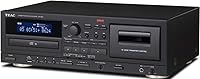
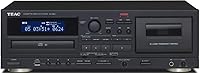
The TEAC AD-850 Cassette and CD Player is one of those rare modern devices that takes both analog and digital formats genuinely seriously. TEAC has been building audio equipment in Japan since the 1950s, and that heritage matters here — this is not a cheap nostalgia gadget. The AD-850 combines a cassette deck, CD player, USB MP3 recorder, and a karaoke mic input into a single unit, which tells you a lot about its intended audience right away. This is a premium niche device built for collectors and dedicated digitizers, not casual listeners shopping for a Bluetooth speaker alternative.

Features & Benefits

The most practical capability here is multi-source USB recording — you can dub from a CD, cassette tape, microphone, or external device directly to a USB flash drive as an MP3. That alone covers the core use case for most buyers. The cassette pitch control, adjustable up to plus or minus ten percent, is a thoughtful touch for digitizing old tapes recorded at inconsistent speeds. Built-in peak level meters let you monitor audio quality while recording in real time. And for anyone who cares about file organization, the AD-850 displays MP3 ID3 tags and filenames, keeping your digital library tidy without requiring any additional software.

Best For

This cassette and CD combo unit has a clear audience, and it is worth being upfront about that. If you have boxes of cassette tapes from decades past and want to convert them to MP3s without assembling multiple separate components, this is a practical, self-contained solution. Home karaoke enthusiasts will appreciate the dedicated mic input with echo effect — it is a real standalone experience, not a workaround through a smart TV app. Older audiophiles who prefer physical media over streaming will feel at home, and musicians who need pitch-adjustable playback for transcription or practice have a solid reason to consider it.

User Feedback

Across roughly 79 reviews, this multi-format recorder holds a 4.1 out of 5 star average — solid, though not a sweeping consensus. Buyers who purchased it specifically to digitize cassette collections tend to be the most satisfied, frequently citing dependable build quality and intuitive recording controls. The karaoke mic draws predictably split opinions: enthusiasts see it as a welcome bonus, while others simply disregard it entirely. Where feedback gets more cautious is around long-term durability — some users flagged concerns about cassette mechanism reliability and occasional USB recording inconsistencies. Given the premium price, opinions on value are divided, though buyers aligned with the device’s core purpose consistently report the strongest satisfaction.

Pros

  • Digitizes cassette tapes directly to USB as MP3s with no computer or extra software required.
  • Combines a cassette deck, CD player, and USB recorder into one clean, self-contained unit.
  • Cassette pitch control of plus or minus ten percent is genuinely useful for musicians and archivists.
  • Real-time peak level meters help you catch audio problems before they ruin a recording.
  • Timer playback and recording functions add everyday convenience for habitual listeners.
  • MP3 ID3 tag display keeps your digital library organized without any manual renaming.
  • Mic input with echo effect doubles as a capable home karaoke setup.
  • TEAC’s long manufacturing history adds a layer of credibility and parts reliability.
  • Includes a dedicated remote control for comfortable, distance-based operation.
  • Supports multiple playback modes including shuffle and program for CDs and USB drives.

Cons

  • The premium price is hard to justify unless cassette digitization is a genuine priority for you.
  • Some users have flagged inconsistencies with USB recording reliability over extended use.
  • Cassette mechanism durability has drawn concern from a handful of long-term owners.
  • No Bluetooth, Wi-Fi, or any form of wireless connectivity whatsoever.
  • Timer recording is limited to cassette only, leaving CD-to-USB scheduling out of the picture.
  • The karaoke mic feature adds bulk and cost that many buyers will simply never use.
  • At ten pounds, this multi-format recorder is not something you will move around often.
  • The review pool of 79 ratings is relatively small, making it harder to gauge long-term reliability trends.
  • CD-to-USB recording does not support adjustable recording levels, limiting control in that specific workflow.
  • No streaming or network input means it is completely disconnected from modern digital audio ecosystems.

Ratings

Our AI-generated scores for the TEAC AD-850 Cassette and CD Player were built by analyzing verified buyer reviews from multiple global markets, with spam, incentivized posts, and bot activity actively filtered out before any scoring was applied. The ratings below reflect an honest, unvarnished picture of how real owners experience this multi-format recorder day to day — strengths and frustrations alike. Where buyers consistently agree, the scores reflect that consensus; where opinions diverge, the explanations tell the full story.

Recording Functionality
83%
For buyers who purchased this unit specifically to digitize cassette collections, the USB recording feature delivered reliably in most cases. The ability to record from multiple sources — tape, CD, mic, or external input — into a single workflow without a computer is a genuine convenience that satisfied users frequently called out as the device's strongest argument.
Some users encountered inconsistencies with USB recording, particularly around file integrity after long dubbing sessions. A handful reported that recordings occasionally cut out or produced unexpected audio artifacts, which is a meaningful concern when you are archiving irreplaceable tapes.
Cassette Playback Quality
78%
22%
The cassette deck handles standard tape playback with the kind of steady, clean output you would expect from a brand with TEAC's track record. The pitch control feature — adjustable up to plus or minus ten percent — was a standout for musicians and archivists who needed to compensate for tapes recorded at slightly off speeds.
Concerns about cassette mechanism longevity surfaced in a meaningful portion of longer-term reviews. Users who ran the tape deck heavily over months reported more wear-related issues than the premium price tag might lead you to expect, which raises fair questions about long-term reliability.
Build Quality
81%
19%
Most buyers noted that the physical build felt appropriately solid for the price tier — controls are firm, the chassis has real weight to it, and the overall construction avoids the plasticky feel common in budget all-in-one units. Satisfied buyers frequently cited build quality as a primary reason they felt the purchase was justified.
Despite the generally positive impressions on build, the cassette transport mechanism received more skepticism than the outer shell. Some owners felt that the internal tape deck components did not match the quality suggested by the exterior, particularly after extended use.
Ease of Use
79%
21%
The AD-850 is laid out in a way that most buyers found intuitive, even those who had not used a physical audio deck in years. The included remote control adds practical convenience, and the display of MP3 ID3 tags and filenames helps users navigate their digital files without confusion.
Timer recording limited to cassette-only struck some users as an arbitrary restriction, and a few buyers found the manual necessary reading before the recording workflow clicked. The interface is functional but not modernized, which may frustrate users accustomed to more polished digital device menus.
CD Playback
76%
24%
Standard audio CDs and MP3-encoded CD-R and CD-RW discs play reliably, with shuffle and program modes giving users flexibility in how they listen. For buyers still maintaining an active CD library, this side of the unit functions exactly as expected with no notable complaints from the majority of users.
CD playback is solid but unspectacular — there is nothing here that distinguishes it from a basic standalone player. The restriction on adjustable recording levels when dubbing from CD to USB was a specific pain point for users wanting more control over their digitized output.
USB Reliability
61%
39%
When the USB recording works cleanly, buyers appreciated how frictionless the process felt — plug in a flash drive and record, with no drivers or software to install. For straightforward single-session recordings, most users reported acceptable results without major issues.
USB reliability over extended or repeated use sessions was the most consistently flagged concern in negative reviews. Dropped recordings, unrecognized drives, and occasional file corruption were reported by enough buyers to make this a genuine risk factor, particularly for anyone planning to archive large cassette collections over many sessions.
Karaoke Feature
67%
33%
For households where karaoke is genuinely part of the routine, the mic input with echo effect works as a functional standalone solution — no smart TV app or additional hardware required. Buyers who used it in this context were generally positive, noting that the echo effect added enough depth to make the experience feel complete.
The karaoke feature drew the most polarized reactions of any aspect of this unit. Buyers who had no interest in it viewed it as an odd inclusion at this price point, and a few felt it contributed to the cost without adding any personal value. It is a feature that will delight some and puzzle others.
Value for Money
58%
42%
Buyers who identified strongly with the target use case — primarily cassette digitization — were most likely to feel the price was justified, citing the all-in-one convenience as a fair trade-off against buying and setting up separate components. TEAC's brand credibility also gave some buyers confidence in their investment.
At the premium price tier, the USB reliability concerns and cassette mechanism durability questions weigh heavily on the value calculation. A notable portion of buyers felt the asking price set expectations the unit did not fully meet, especially those who expected flawless long-term performance from a device at this level.
Audio Recording Clarity
74%
26%
The peak level meters during recording gave hands-on users real-time feedback they could act on, helping to avoid clipping or underrecorded tracks. Buyers focused on getting clean MP3 transfers from their cassettes generally found the output quality acceptable to good in normal listening conditions.
Recording quality is inherently limited by the source material and the analog-to-digital conversion, and some users felt the MP3 output from cassette dubbing could have been crisper at the default settings. Adjusting recording levels takes some trial and error before you find the sweet spot for different tape types.
Timer Functions
69%
31%
The timer playback feature covering CDs, tapes, and USB sources was appreciated by routine listeners who wanted the unit to begin playing at a set time — a small but genuine quality-of-life addition that budget units rarely include. Several buyers mentioned using it as part of their morning routine.
Timer recording being restricted to cassette only felt like an incomplete implementation to buyers who expected the same functionality across all sources. The limitation did not break the experience for most, but it was a noticeable gap given the overall feature set on offer.
Remote Control
72%
28%
The included remote functions reliably for basic playback control and allows users to operate the unit from across the room, which matters when the device is placed on a shelf in a living room or listening space. Buyers appreciated that a remote was included rather than sold separately.
The remote covers the essentials but does not replicate the full control set available on the front panel. Users who wanted to manage recording settings or access more advanced functions remotely found themselves having to approach the unit directly, which undercuts the convenience factor.
Display & Navigation
71%
29%
Showing MP3 ID3 tag information and filenames on screen is a practical feature that separates the AD-850 from simpler decks that display only track numbers. Buyers building organized MP3 libraries from their tapes found this helpful for confirming they were recording the right content at a glance.
The display itself is functional but dated in style and readability compared to what buyers used to modern electronics might expect. Some users with aging eyesight found the readout harder to parse than anticipated, and the overall interface feels like it has not been updated since the unit’s original 2017 launch.
Compatibility
77%
23%
The AD-850 handles standard audio CDs, MP3 files on CD-R and CD-RW discs, cassette tapes of common types, and USB flash drives without notable compatibility complaints from the majority of buyers. For mainstream formats, it covers the practical bases well.
USB drive compatibility can be inconsistent with certain larger-capacity or less common drive formats, and buyers using NTFS or exFAT formatted drives have reported recognition issues. The unit does not support newer lossless audio formats, which limits its appeal to audiophiles with high-resolution digital collections.

Suitable for:

The TEAC AD-850 Cassette and CD Player was built for a specific kind of buyer, and if you fit the profile, it makes a compelling case for itself. The most obvious candidate is anyone sitting on a collection of cassette tapes — home recordings, mixtapes, old albums — who wants to convert them to MP3s without cobbling together a separate deck, audio interface, and recording software. It handles that entire workflow in one box, which is genuinely convenient. Musicians and hobbyists who need to slow down or speed up cassette playback for transcription or practice will find the pitch control feature particularly useful, since it goes a step beyond what basic decks offer. Physical media loyalists who still actively listen to CDs and tapes rather than streaming will also find it a capable daily driver. And if home karaoke is part of your household routine, the built-in mic input with echo effect functions as a real standalone solution rather than an awkward workaround.

Not suitable for:

If you are approaching this as a general-purpose audio upgrade or a casual impulse buy, the TEAC AD-850 Cassette and CD Player is likely not the right fit. The price point places it firmly in premium territory, and that investment only makes sense if you have a concrete use case — primarily cassette digitization or serious physical media listening. Buyers who do not own cassette tapes, or who have already moved entirely to streaming, will find most of the device’s core functionality irrelevant to their lives. This is also a relatively large, stationary unit at ten pounds and 10 by 8 by 7 inches, so it is not something you casually tuck away or move between rooms. Anyone hoping for Bluetooth connectivity, network streaming, or smartphone integration will be disappointed — this device is deliberately analog-era in its design philosophy. Budget-conscious shoppers or those who only need basic CD playback can find simpler, far less expensive options that do the job just fine.

Specifications

  • Brand: Manufactured by TEAC, a Japanese audio electronics company with a professional audio heritage dating back to the 1950s.
  • Model Number: The unit is officially designated as the AD-850, with the product code AD850B used for retail identification.
  • Dimensions: The unit measures 10 x 8 x 7 inches, making it a compact but solidly built tabletop device suited for a shelf or audio console.
  • Weight: At 10 pounds, the AD-850 is a stationary home unit not intended for portable or travel use.
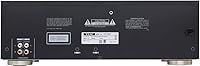
  • Connectivity: The primary digital connectivity is via USB, used for both MP3 playback and direct recording to USB flash drives.
  • Recording Format: Audio recorded to USB flash drives is saved as MP3 files, compatible with most standard media players and computers.
  • Recording Sources: Supported recording inputs include CD, cassette tape, microphone, and external analog input devices.
  • Playback Sources: The unit plays standard audio CDs, CD-R and CD-RW discs with MP3 files, cassette tapes, and USB flash drives.
  • Pitch Control: Cassette tape playback includes a pitch adjustment of plus or minus 10 percent, available during playback only and not during recording.
  • Mic Input: A dedicated microphone input is included with a built-in echo effect, suitable for karaoke use or voice mixing into recordings.
  • Timer Functions: Timer playback is supported for CDs, cassette tapes, and USB sources; timer recording is available for cassette tape only.
  • Playback Modes: For CDs and USB flash drives, available playback modes include continuous, shuffle, and program (custom track order).
  • Level Meters: Peak level meters are active during both recording and playback, giving users real-time visual feedback on audio signal strength.
  • File Info Display: The unit displays MP3 file ID3 tags and filenames for tracks on USB flash drives and CD-R/RW discs.
  • Time Display: During CD playback, the display shows elapsed time and remaining time for the current track as well as the full disc.
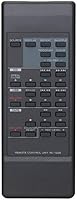
  • Remote Control: A dedicated remote control is included in the box, allowing full operation of playback and basic functions from a distance.
  • Compliance: The AD-850 is RoHS compliant, meaning it meets European Union restrictions on hazardous substances in electronic equipment.
  • Availability: The product has been available since July 2017 and is not listed as discontinued by the manufacturer as of the time of this review.

Related Reviews
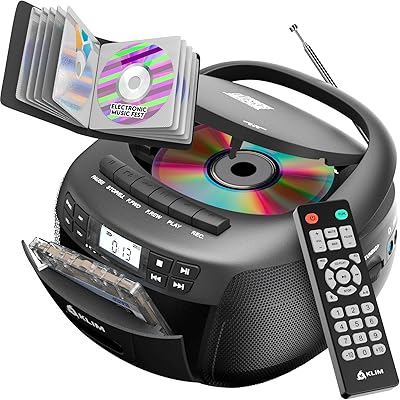
KLIM Boombox CD Cassette Combo Player
79%
91%
Versatility
88%
Ease of Use
83%
Cassette Recording
67%
Sound Quality
82%
Bluetooth Performance
More
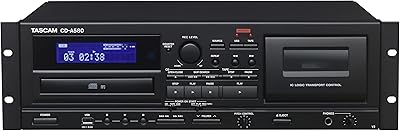
Tascam CD-A580 Rackmount Cassette/CD/USB MP3 Player Recorder Combo
84%
91%
Audio Quality
88%
Durability & Build Quality
85%
Ease of Use
90%
Performance & Stability
92%
Recording Features (Cassette-to-USB, CD-to-Cassette)
More
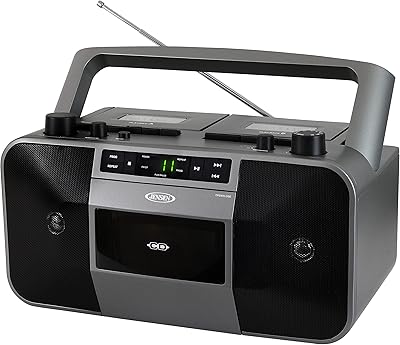
Jensen MCR-1500 Portable Stereo CD Player and Dual-Deck Cassette Player/Recorder
79%
82%
Sound Quality
88%
Portability
85%
Ease of Use
61%
Cassette Deck Reliability
90%
Radio Reception
More
Jensen CD-590 Portable CD Cassette Boombox
71%
91%
Format Versatility
78%
Cassette Recorder
88%
Ease of Setup
52%
Sound Quality
57%
Bluetooth Reliability
More
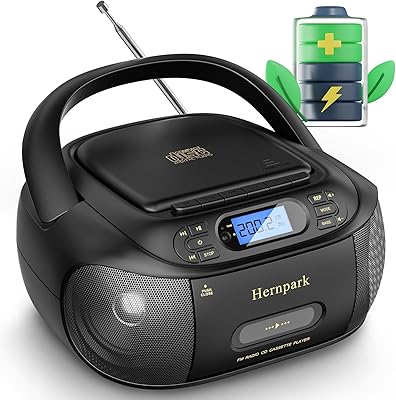
Hernpark CD Cassette Player Combo
83%
85%
Sound Quality
88%
Battery Life
90%
Portability
74%
Bluetooth Connectivity
92%
Ease of Use
More
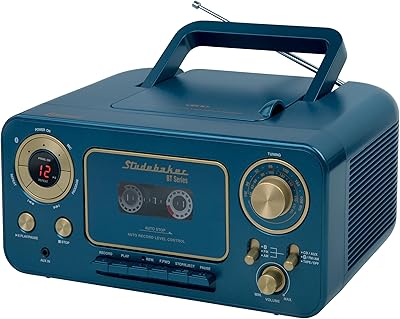
Retekess TR621 CD Cassette Player Boombox
72%
91%
Format Versatility
88%
Ease of Use
67%
Sound Quality
53%
Remote Control
61%
Tape Playback Quality
More
GPX BCA209B Portable Boombox
67%
91%
Ease of Setup
78%
Value for Money
61%
Sound Quality
67%
Cassette Playback
74%
CD Performance
More
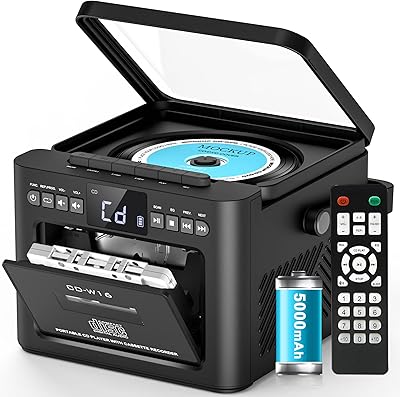
Studebaker Portable CD Cassette Bluetooth Player
73%
88%
Format Versatility
57%
Sound Quality
74%
Bluetooth Performance
66%
Cassette Recorder
83%
Ease of Use
More
Greadio GB-W16 Boombox CD and Cassette Player
84%
85%
Audio Quality
78%
Build Durability
88%
Battery Life
92%
Portability
90%
Bluetooth Connectivity
More
Gelielim 9224 Boombox CD Cassette Player
75%
83%
Value for Money
88%
Ease of Use
81%
Cassette Functionality
84%
CD Playback
71%
Sound Quality
More

FAQ

Yes, that is one of the core functions of this unit. You simply insert a USB flash drive, load your cassette, and the AD-850 records the audio as an MP3 file directly. No computer, no audio interface, no extra software needed.

All recordings made to USB flash drives are saved as MP3 files. This makes them immediately compatible with computers, car stereos, smartphones, and most modern media players without any conversion step.

No, it does not. This unit is entirely wired in its design — there is no Bluetooth output, no Wi-Fi, and no network streaming capability. If wireless connectivity is important to you, this is not the right device.

Yes, but with one key exception: adjustable recording levels are available when dubbing from most sources, but not when recording from a CD to USB. That specific combination uses a fixed recording level.

Absolutely, and this is one of the more practical features on this unit. The pitch can be adjusted up or down by up to 10 percent during playback, which helps correct tapes that were recorded slightly fast or slow. It is particularly appreciated by people digitizing archival recordings or old home tapes.

It is a genuine karaoke-capable mic input, not just a line-level jack. The built-in echo effect adds depth to the vocal sound, and the mic audio can be mixed into cassette or USB recordings. The one limitation is that mic audio cannot be recorded when you are dubbing from CD to USB specifically.

Yes, the timer playback function lets you schedule playback for CDs, cassette tapes, and USB sources. Timer recording is also available, though that feature is limited to cassette tape only. It is handy if you want the unit to play music at a set time in the morning, for example.

The product documentation does not specify a maximum USB drive capacity, but standard FAT-formatted flash drives are the safest and most compatible choice. Very large capacity drives or those formatted as NTFS or exFAT may not be recognized, so it is worth sticking to a basic FAT32 drive for reliability.

At 10 pounds and measuring 10 by 8 by 7 inches, the combo unit has a solid, substantial build that sits confidently on a shelf or audio rack. It is not something you will move around casually, but for a fixed tabletop setup it fits comfortably within a standard component space.

The feedback on this is mixed. Many users report reliable performance, especially for digitization projects. However, a portion of longer-term owners have raised concerns about cassette transport longevity, which is worth factoring in if you plan to use the tape deck heavily over several years. The USB and CD sides of the unit tend to generate fewer reliability complaints overall.

Where to Buy