Overview

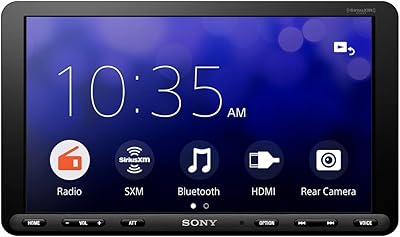
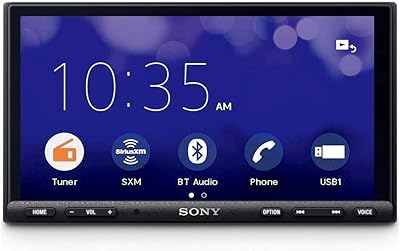
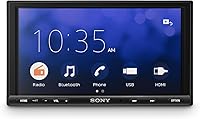
The Sony XAV-3600 6.75″ Car Multimedia Receiver is a mid-range head unit built for drivers who are tired of squinting at a tiny factory display or fumbling with decade-old controls. Sony released it in August 2024, so it is still relatively new, and long-term reliability data is limited. One thing to clarify upfront: no CarPlay or Android Auto here. That is a deliberate trade-off — instead, this Sony receiver leans into an HDMI input and screen mirroring as its defining connectivity features. For buyers who understand that distinction going in, the value proposition holds up well at this price point.
Features & Benefits

The 6.75″ resistive touchscreen is anti-glare treated, which helps in direct sunlight, though resistive panels require a firmer press than the capacitive screens found on most smartphones today. On the audio side, the spec sheet shows 55W x4 max output, but the more meaningful number is 20W x4 RMS — that is the sustained, real-world power figure. Sony's DRA2 processing with EXTRA BASS circuitry adds low-end punch without needing an external amp. The HDMI input is genuinely rare at this price tier and enables direct device connections for video playback with less lag than wireless mirroring. Broad codec support — including H.265, VP9, and AV1 — rounds out the media playback capability nicely.

Best For

This head unit makes the most sense for someone replacing an old factory stereo in a vehicle that never had a screen to begin with. If you regularly use a phone or tablet for in-car entertainment — especially for passengers — the HDMI connection gives you a wired, stable link that wireless setups cannot always match. It also suits drivers who want backup camera support without tackling a complicated aftermarket installation. That said, if CarPlay or Android Auto is non-negotiable for you, look elsewhere — this Sony receiver does not offer either. For the buyer who simply wants a solid, brand-backed upgrade with modern connectivity at a reasonable price, it fits the bill cleanly.

User Feedback

With 68 ratings and a 4.0 out of 5 average as of this writing, the XAV-3600 has a generally positive reception, though the sample size is still modest enough that patterns could shift. Buyers tend to praise the straightforward installation process and the sound quality relative to the asking price — the EXTRA BASS tuning gets specific mention from users who listen to bass-forward music. The recurring criticism centers on the resistive touchscreen, which some find less snappy than expected in daily use. A handful of buyers also express disappointment upon discovering there is no CarPlay support. Sony's customer service does not come up much either way, which is not unusual for a product this new.

Pros

  • HDMI input is a rare and genuinely useful feature at this price tier, enabling stable wired device connections.
  • Anti-glare touchscreen coating reduces eyestrain on bright, sunny driving days noticeably.
  • Rear-view camera input with adjustable parking guidelines adds a meaningful safety upgrade to older vehicles.
  • Sony branding carries real weight here — build quality and audio tuning feel a step above generic alternatives.
  • Installation is approachable for confident DIYers, typically completable in under two hours with basic tools.
  • The EXTRA BASS circuitry delivers fuller low-end sound without requiring an external amplifier for casual listeners.
  • Wide video codec support via HDMI means most media formats play back without compatibility issues.
  • Bluetooth pairing is reliable and reconnects automatically on startup, which removes a daily friction point.
  • The 6.75″ display is large enough to see clearly at a glance without dominating smaller dash openings.
  • At its price point, this head unit offers a competitive combination of screen size, connectivity, and brand reliability.

Cons

  • No Apple CarPlay or Android Auto — a significant omission that competing units at similar prices do offer.
  • Resistive touchscreen requires noticeably more deliberate pressure than modern capacitive displays, which some find frustrating.
  • The advertised 55W x4 maximum output is a peak figure; the real sustained power is 20W x4 RMS.
  • Rear-view camera is not included in the box, adding an unexpected extra cost for buyers who assumed it was.
  • Only one HDMI port means switching between two devices requires physically swapping cables each time.
  • Vehicle-specific wiring harness adapter is sold separately, raising the true installation cost above the unit price.
  • Long-term durability is genuinely unknown — the product only launched in August 2024 with limited owner history.
  • Wireless screen mirroring performance is inconsistent; the wired HDMI path is far more dependable in practice.
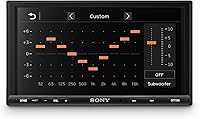
  • EQ and audio customization options are basic — not enough depth for buyers who want precise sound shaping.
  • With only 68 reviews at time of writing, feedback patterns are still early and may not reflect the full ownership experience.

Ratings

The Sony XAV-3600 6.75″ Car Multimedia Receiver earns a measured but genuinely positive reception among drivers looking to modernize an older vehicle without overspending. These scores were generated by AI after analyzing verified owner reviews from multiple global markets, with spam, incentivized posts, and bot-pattern feedback actively filtered out. Both the real strengths and the friction points buyers run into are reflected honestly below.

Sound Quality
83%
Most owners report that the audio output feels noticeably fuller than what they were replacing, especially with the EXTRA BASS circuitry dialed in for everyday listening. On a daily commute with mixed genres, the 4-channel output holds up well at moderate volumes without distortion creeping in.
The 20W RMS reality falls short of what the 55W max figure implies, and buyers who push the volume hard on longer highway drives sometimes note the output plateaus earlier than expected. Serious listeners will likely want an external amplifier to get the most out of this head unit.
Touchscreen Responsiveness
61%
39%
The anti-glare coating on the 6.75″ panel is a practical win for daytime driving — direct sunlight that would wash out glossy screens causes noticeably less eyestrain here. For basic navigation through menus and input switching, the screen gets the job done without much friction.
The resistive panel requires a deliberate, slightly firmer press compared to the capacitive screens buyers are used to on their phones, and that difference becomes noticeable when trying to quickly adjust settings while parked. A handful of owners report that the touch registration feels inconsistent near the screen edges.
HDMI Connectivity
88%
Having a wired HDMI input at this price tier is genuinely uncommon, and owners who use it regularly — plugging in a phone or streaming stick for passenger entertainment on road trips — appreciate the stable, lag-free connection it provides over wireless alternatives. The broad codec support means most content plays without compatibility headaches.
There is only one HDMI port, so switching between devices requires physically swapping cables, which some buyers find inconvenient. A few users also note that the HDMI cable run to the dash requires some planning during installation depending on the vehicle layout.
Bluetooth Performance
76%
24%
Pairing is quick and reconnection on startup is reliable enough that most owners stop thinking about it after the first week. Hands-free call clarity gets positive mentions from buyers who use it heavily during commutes, with voice coming through cleanly on both ends.
Bluetooth audio streaming quality is adequate but not exceptional — there are no premium codec mentions in available feedback, suggesting standard SBC-level performance. Some owners note that audio cutting briefly when transitioning between calls and music is an occasional annoyance.
Installation Ease
86%
This is one of the most consistently praised aspects across owner reviews. Many buyers with basic DIY experience report completing the install in under two hours using a standard wiring harness adapter, and Sony includes the necessary mounting hardware in the box. The physical push-button controls supplement the touchscreen and simplify setup navigation.
The wiring harness that ships in the box covers installation basics but does not include a vehicle-specific adapter, which is a separate purchase for most cars. A small number of buyers mention the instruction manual could be clearer for first-time head unit installers.
Rear Camera Integration
79%
21%
The rear-view camera input with adjustable parking guidelines is a practical safety addition that owners of older vehicles particularly appreciate, since factory camera support was not standard on most cars of that era. Setup is straightforward once the camera wiring is in place.
The camera itself is not included, which catches some buyers off-guard at purchase. The adjustable guideline calibration works well for standard vehicles, but owners of trucks or vans with wider rear profiles mention the default guideline positions need significant adjustment.
Screen Mirroring
71%
29%
Wired screen mirroring via HDMI works reliably for owners who want to display phone content on the dash without relying on CarPlay or Android Auto. For passengers in particular, being able to mirror a tablet or phone to the screen makes longer drives noticeably more comfortable.
Wireless mirroring performance varies depending on the connected device and is not the primary strength of this unit — the wired HDMI path is clearly the more dependable option. Buyers expecting a wireless mirroring experience comparable to Miracast-native devices may find the results inconsistent.
Value for Money
84%
For a branded Sony unit with an HDMI input, a large display, and rear camera readiness, the asking price sits in a range most buyers consider fair. Owners coming from no-name budget units consistently note the perceived quality jump in both audio and build.
The absence of Apple CarPlay or Android Auto is a real value gap for buyers who discover it post-purchase, and some feel it is too significant an omission to overlook at this price point. Competing units at similar prices do offer CarPlay support, which makes this a tougher sell for smartphone-dependent drivers.
Build Quality
77%
23%
The unit feels solid in the dash once installed, with a fit and finish that matches what you would expect from Sony's consumer electronics reputation. Button feedback is tactile and deliberate, which adds to the sense of durability compared to cheaper alternatives.
The plastic surround and faceplate are not particularly premium to the touch, and a few owners note minor flex in the housing when pressing firmly on the screen edges. Long-term durability is genuinely unknown given the product only launched in August 2024.
Display Visibility
74%
26%
The anti-glare treatment makes a measurable difference on sunny days, which is the main scenario where in-dash screens typically struggle. At night, brightness levels are comfortable and the display is easy to read without being distracting.
The 6.75″ size is generous, but maximum brightness does not match modern capacitive displays, and some owners note that in very harsh afternoon sunlight — especially with the sun at low angles — readability still degrades more than they would like.
App & Device Compatibility
69%
31%
Both Android and iPhone users report the Bluetooth and HDMI connections working without major compatibility issues out of the box. The broad video codec support via HDMI means content from most streaming apps and local files plays without needing format conversion.
The lack of CarPlay and Android Auto means smartphone integration is limited to Bluetooth audio, calls, and physical HDMI mirroring — there is no native app interface or voice assistant integration. Buyers who rely on Google Maps or Waze through a native car interface will need to adapt their workflow.
Audio Customization
72%
28%
The onboard DRA2 processing and EXTRA BASS circuitry give casual listeners meaningful control over their sound signature without needing external processing. For most daily-use scenarios, the built-in EQ options cover the basics adequately.
Audiophile-level tuning options are not a strong suit — the EQ depth and parametric control are limited compared to higher-end Sony units. Buyers who want precise frequency shaping or time alignment will need to supplement this head unit with an outboard processor.
Package Contents
58%
42%
The installation hardware included in the box covers the fundamentals — mounting brackets, screws, and basic wiring adapters are present. For a straightforward install in a common vehicle, most owners have what they need to get started.
The absence of a rear-view camera, a vehicle-specific wiring harness adapter, and an HDMI cable means the actual out-of-pocket cost runs higher than the unit price alone. Several buyers mention feeling the package could be more complete given the price tier.

Suitable for:

The Sony XAV-3600 6.75″ Car Multimedia Receiver is a strong fit for drivers who are upgrading an older vehicle that came with no factory display or a basic single-DIN radio. If your priority is a wired, stable screen mirroring solution via HDMI rather than a wireless CarPlay or Android Auto setup, this head unit fills that niche at a price that does not require a major budget commitment. It also works well for families or carpoolers who want passengers to connect a device to the screen for entertainment on longer trips — the broad codec support means most content plays without fuss. DIY installers will appreciate that the setup process is approachable even without professional experience, and the rear-view camera input makes it a practical safety upgrade for cars that never had one. Buyers who simply want a reliable, brand-backed unit with a large display and honest audio output for daily commuting will find this head unit does exactly what it promises.
Not suitable for:

If Apple CarPlay or Android Auto is on your must-have list, the Sony XAV-3600 6.75″ Car Multimedia Receiver is not the right choice — full stop. There is no native smartphone interface integration here, which means drivers who rely on Google Maps, Waze, or Siri through a connected car interface will have to change how they work entirely. The resistive touchscreen is also a real consideration for anyone accustomed to the fluid responsiveness of a capacitive display — it works, but it will feel dated if you are used to tapping and swiping on a modern phone. Serious audio enthusiasts who want deep EQ control, time alignment, or the headroom that comes with a higher sustained power output will likely outgrow this head unit quickly. And if you are expecting a complete plug-and-play kit, note that the rear-view camera, vehicle-specific wiring harness adapter, and HDMI cable are all sold separately, adding to the real total cost.
Specifications

  • Screen Size: The unit features a 6.75″ resistive anti-glare touchscreen designed to reduce reflections during daytime driving.
  • Max Power Output: Peak power output is rated at 55W x4 channels, though this figure represents a brief maximum under ideal lab conditions.
  • RMS Power Output: Sustained RMS output is 20W x4 channels, which is the more reliable figure for real-world listening performance comparisons.
  • Audio Processing: Onboard DRA2 audio processing includes Sony's EXTRA BASS circuitry for enhanced low-frequency response without an external amplifier.
  • Channel Configuration: The unit outputs 4.0-channel stereo surround audio via RCA connectors for speaker or amplifier connections.
  • HDMI Input: One HDMI input port is included, supporting direct device connections for video playback and wired screen mirroring.
  • Video Codecs: Supported video formats via HDMI input include H.264, H.265/HEVC, VP9, AV1, and MPEG-4.
  • Connectivity: Wireless connectivity is provided via Bluetooth for audio streaming and hands-free calling; no Wi-Fi is built in.
  • Device Compatibility: The head unit is compatible with both Android and iPhone devices for Bluetooth pairing and HDMI-based screen mirroring.
  • Camera Input: A dedicated rear-view camera input is included, with on-screen adjustable parking guidelines to aid reversing.
  • Controller Type: Physical push-button controls supplement the touchscreen interface for direct access to core functions.
  • Connector Type: Audio and video signal outputs use standard RCA connectors for integration with amplifiers and external displays.
  • Package Dimensions: The packaged unit measures 8.54 x 7.83 x 7.24 inches, relevant for planning shipping and installation workspace.
  • Item Weight: The unit weighs 3.05 pounds, which is typical for a head unit of this screen size and feature set.
  • Model Number: The official Sony model designation for this unit is XAV-3600.
  • Availability Date: The XAV-3600 was first made available for purchase in August 2024, making it a relatively recent addition to Sony's car audio lineup.
  • CarPlay Support: This unit does not support Apple CarPlay or Android Auto; smartphone integration relies on Bluetooth and wired HDMI connections only.
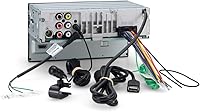
  • Box Contents: The package includes the head unit and parts for installation; a rear-view camera, HDMI cable, and vehicle harness adapter are not included.

Related Reviews

Sony XAV-AX3200
Sony XAV-AX3200
76%
91%
Wireless Connectivity
63%
Touchscreen Usability
74%
Ease of Installation
77%
Sound Quality
83%
Value for Money
More
Sony XAV-AX4000 Car Multimedia Receiver
77%
91%
Wireless Connectivity
88%
Audio Quality
84%
Display & Touchscreen
54%
Installation Experience
73%
Value for Money
More
Sony XAV-AX6000 7-Inch Multimedia Receiver
85%
88%
Ease of Installation
91%
Audio Quality
87%
Touchscreen Responsiveness
85%
Display Clarity
90%
Connectivity Options
More
Sony XAV-AX8100 9-inch Multimedia Car Receiver
76%
88%
Display Quality
63%
Touchscreen Responsiveness
91%
Wireless CarPlay & Android Auto
86%
Audio Output Quality
83%
HDMI Input Utility
More
Sony XAV-AX7000 Media Receiver
87%
89%
Ease of Use
94%
Touchscreen Quality
91%
Smartphone Integration
88%
Build Quality
75%
Bluetooth Connectivity
More
Sony MEX-N4300BT Car Stereo Receiver
78%
88%
Bluetooth Performance
83%
Sound Quality
79%
NFC Pairing
81%
Streaming App Control
74%
Voice Control
More
Sony DSX-A410BT Single Din Car Stereo Receiver
79%
91%
Bluetooth Connectivity
83%
Sound Quality
88%
Ease of Installation
62%
Voice Control Performance
58%
User Interface & Controls
More
KICKER KSC6704 6-3/4″ Coaxial Car Speakers
79%
88%
Vocal & Midrange Clarity
83%
Treble & High-Frequency Response
54%
Bass Response
91%
Ease of Installation
87%
Factory Grille Fitment
More
Pioneer DMH-W3050NEX Double Din Multimedia Receiver
78%
88%
Wireless CarPlay Performance
71%
Android Auto Compatibility
91%
Touchscreen Responsiveness
86%
Audio Output Quality
82%
HD Radio Reception
More
BOSS Audio MCK632WB.6 Car Stereo Kit
72%
88%
Value for Money
84%
Ease of Installation
71%
Bluetooth Performance
61%
Audio Quality
79%
Speaker Durability & Weatherproofing
More

FAQ

No, the Sony XAV-3600 6.75″ Car Multimedia Receiver does not support Apple CarPlay or Android Auto. Smartphone integration on this unit works through Bluetooth for audio and calls, or via the HDMI input for wired screen mirroring. If CarPlay or Android Auto is a requirement for you, this is the wrong unit and you should look at a different model before purchasing.
The 55W figure is a peak or maximum output measured under very specific, brief conditions — it is essentially a marketing benchmark. The 20W RMS per channel is the sustained power the unit can deliver continuously during normal listening, and that is the number that actually describes how loud and clean the audio will get in your car. Always compare RMS figures when shopping head units side by side.

Yes, this Sony receiver has a dedicated rear-view camera input with adjustable on-screen parking guidelines. However, the camera itself is not included in the box — you will need to purchase a compatible aftermarket reverse camera separately. Once connected, the camera feed triggers automatically when you shift into reverse.

No, this unit uses a resistive touchscreen rather than the capacitive type found on modern phones and tablets. That means you need to press with a bit more deliberate pressure rather than a light tap, and multi-touch gestures are not supported. It works fine for navigating menus and adjusting settings, but if you are used to a phone screen, the difference will feel noticeable at first.

Any device with an HDMI output — including phones using a Lightning-to-HDMI or USB-C-to-HDMI adapter, streaming sticks, or tablets — can be connected to the single HDMI input for wired screen mirroring. The unit supports a wide range of video codecs including H.265, VP9, and AV1, so most modern content plays without compatibility issues. Just keep in mind there is only one HDMI port, so switching between devices means swapping the physical cable.

Most drivers with basic DIY confidence report completing the installation in under two hours. The box includes mounting hardware, and the unit follows a standard single-DIN format that fits a wide range of vehicles. You will likely need a vehicle-specific wiring harness adapter purchased separately to connect to your car's existing speaker wiring, which is a common requirement for any aftermarket head unit installation.

Bluetooth pairing works with both Android and iPhone devices, and call clarity gets generally positive feedback from owners who use it on commutes. Audio streaming quality is decent for everyday listening, though the unit does not advertise support for higher-quality Bluetooth codecs like aptX or LDAC, so audiophile-level wireless audio is not what this head unit is optimized for.

This head unit follows a standard double-DIN form factor based on its dimensions, but you should verify your vehicle's dash opening size before purchasing. Most cars from the 1990s onward have either a single-DIN or double-DIN slot — the 6.75″ screen size on this unit means it occupies more vertical space than a classic single-DIN radio. Checking a vehicle fitment guide using your make, model, and year is strongly recommended before buying any aftermarket head unit.

Yes, the HDMI input supports video playback from connected devices, and the broad codec support means most file types and streaming app outputs will display correctly. Many owners use it for exactly this purpose — connecting a phone or streaming device to keep passengers entertained on longer trips or during waits. Note that for safety reasons, video playback on the main screen is typically disabled while the vehicle is in motion on most aftermarket head units like this one.

Since this Sony receiver only launched in August 2024, there is genuinely limited long-term ownership data available yet. Build quality feels solid based on early owner reports, and Sony typically backs its car audio products with a one-year limited warranty, though you should confirm current warranty terms directly with Sony or the retailer at time of purchase. For a product this new, it is worth holding onto your purchase receipt and registering the product with Sony to keep warranty options open.

Where to Buy