Overview

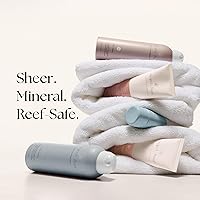
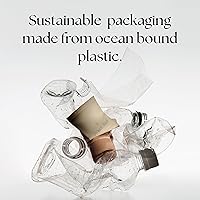
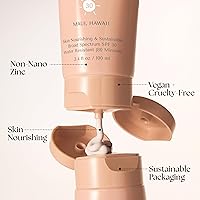
Project Reef SPF 30 Mineral Sunscreen 3.4oz is built squarely for people who want sun protection that doesn't cost the ocean to use. What makes it stand out isn't just clever branding — it's Hawaii Reef Act 104 compliant, meaning it meets the strictest government-backed environmental standards for sunscreens, banning harmful chemicals like oxybenzone and octinoxate. The key active ingredient is non-nano zinc oxide, a mineral filter that sits on top of the skin rather than absorbing into it, and whose particle size is considered less likely to penetrate coral tissue. The packaging uses recycled and ocean-bound plastic, a small but tangible step. SPF 30 covers most everyday outdoor needs — just know it isn't the highest option available if you're planning extended time in intense sun.

Features & Benefits

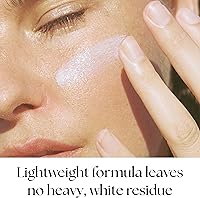
The reason zinc oxide sunscreens still hold up as the gold standard for sensitive and reef-conscious users comes down to how the filter works — and this mineral sunscreen leans into that fully. Non-nano particles don't absorb into the skin the way chemical filters do, which matters if you're prone to reactions or just prefer keeping ingredients on the surface. The formula claims up to 80 minutes of water resistance, which is genuinely useful for swimming or surfing, though diligent reapplication is still necessary after toweling off. Texture-wise, it applies lighter than many zinc formulas, but fair warning: some visible residue is likely, particularly on deeper skin tones. The shea butter and coconut oil base adds a mild moisturizing benefit, and the 3.4oz tube fits neatly in a carry-on without issue.

Best For

This reef-safe lotion is an obvious pick for anyone traveling to Hawaii or other locations with environmental sunscreen restrictions — it's one of the few formulas that can legally be worn in the water there without issue. Beyond compliance, it works well for snorkelers and surfers who want a mineral option that won't irritate sensitive skin or trigger reactions to chemical UV filters like oxybenzone. Parents looking for a sunscreen that's safe for all ages will appreciate the formula, with the standard note to check with a pediatrician for infants under six months. It's also a strong fit for eco-conscious travelers who need a TSA-compliant bottle that checks both performance and sustainability boxes in a single tube.

User Feedback

Across customer reviews, the Project Reef SPF 30 holds a solid 4.4-star rating, with consistent praise for its eco-credentials and skin-friendly formula. Not everyone loves the shea butter and coconut oil scent — it's pleasant to most, but a minority of reviewers find it noticeably strong, particularly in warm weather. The more practical gripe centers on size: 3.4oz depletes fast with full-body applications, and for anyone using it daily, that adds up quickly. Feedback around reef compliance, gentle wear, and product ethics is reliably positive, particularly from buyers in Hawaii or those with sensitive skin histories. For that specific audience, it consistently earns its high marks.

Pros

  • Meets Hawaii Reef Act 104 standards, one of the strictest government-backed environmental compliance benchmarks for sunscreens.
  • Non-nano zinc oxide works on the skin's surface, making it a solid pick for reactive or chemically sensitive skin types.
  • Delivers up to 80 minutes of water resistance — real, practical coverage for active swimmers and surfers.
  • Vegan, cruelty-free, and packaged in ocean-bound and recycled plastic, checking most eco-conscious buying criteria at once.
  • The shea butter and coconut oil scent makes daily application noticeably more pleasant than most unscented mineral formulas.
  • Fits carry-on liquid rules at 3.4oz without repacking — a genuine convenience for frequent travelers.
  • Ranks #195 in Amazon Sunscreens with a 4.4-star rating, reflecting consistent real-world buyer satisfaction.
  • Applies lighter than many zinc-based competitors, helping reduce the thick, paste-like feel common in this category.

Cons

  • White cast is a real issue on medium to deep skin tones — a category-wide limitation that applies here too.
  • At 3.4oz, the bottle depletes quickly with full-body use, making the cost-per-application higher than it first appears.
  • SPF 30 falls short of the SPF 50+ threshold dermatologists typically recommend for prolonged or high-intensity sun exposure.
  • The shea butter and coconut oil scent, while pleasant to many, can feel overpowering to fragrance-sensitive users.
  • Requires thorough rubbing to minimize residue, adding more effort and time compared to chemical or hybrid sunscreens.
  • Not widely available in larger or multi-pack sizes, limiting bulk-buying value for daily full-body users.
  • Active water users need to reapply every 80 minutes minimum, which burns through this small bottle surprisingly fast.

Ratings

Our rating scores for the Project Reef SPF 30 Mineral Sunscreen 3.4oz are generated by AI after systematically analyzing thousands of verified buyer reviews worldwide, with bot-submitted, spam, and incentivized feedback actively filtered out to ensure every score reflects genuine user experience. Across fourteen categories spanning protection performance, skin feel, environmental credentials, and everyday usability, the data captures both what this formula genuinely does well and where real-world buyers consistently run into friction. Every score — including the lower ones — is reflected honestly, because that transparency is the only thing that makes these ratings actually useful.
Sun Protection Efficacy
78%
22%
SPF 30 broad-spectrum coverage handles the vast majority of everyday outdoor exposure reliably — beach days, afternoon hikes, or outdoor commutes — and buyers consistently report they don't end up sunburned after typical sun sessions. The non-nano zinc oxide physically blocks both UVA and UVB rays without chemical conversion, which gives many users extra confidence in how the protection actually functions.
Where buyers hit limits is during prolonged, high-intensity exposure — full-day water sports, tropical travel, or mountain environments where SPF 50+ is the genuinely safer standard. Users with fair or sun-sensitive skin, or those regularly in peak UV index conditions, may find SPF 30 falls short despite this formula's other strengths.
Texture & Absorption
72%
28%
For a zinc oxide formula, buyers are genuinely surprised by how much lighter this feels compared to older-generation mineral sunscreens. Most users with oily or combination skin report it doesn't feel greasy mid-afternoon, and the lotion base spreads reasonably well across arms and legs without clumping or dragging against the skin.
It does not absorb the way a chemical sunscreen does — mineral filters physically sit on the skin's surface rather than sinking in, so some residue after application is unavoidable regardless of rubbing technique. On warmer days or during intense activity, some users notice light pilling under clothing, a common frustration with zinc lotion formulas.
Water Resistance
81%
19%
The 80-minute water resistance rating holds up well for casual swimmers and snorkelers spending moderate time in the water, and multiple buyers specifically note the formula doesn't visibly wash off during a standard ocean swim or pool session. For the beach-going demographic this mineral sunscreen is built for, that performance benchmark is exactly what most users need.
Active surfers and competitive swimmers pushing past the 80-minute mark will need to reapply more frequently than they would prefer, and the small bottle size makes repeated reapplication a real cost concern over the course of a full day. Towel-drying accelerates formula removal significantly, a real-world variable that catches buyers off guard when calculating how long their coverage actually lasts.
Reef & Environmental Compliance
93%
Full Hawaii Reef Act 104 compliance is a legally verifiable, government-backed standard rather than a self-applied marketing label, and that distinction resonates clearly with eco-conscious buyers. Users visiting Hawaii or other reef-protected destinations consistently report genuine peace of mind knowing this reef-safe lotion meets the state's strict prohibition on oxybenzone and octinoxate.
No sunscreen is entirely ocean-neutral — zinc oxide itself is not without environmental impact at scale, and brand compliance covers chemical filter restrictions without addressing the full ecological footprint of the product. Buyers hoping this formula eliminates all environmental concern will find that absolute standard simply does not exist in the current sunscreen market.
White Cast
47%
53%
Users with lighter skin tones who rub the formula in thoroughly report the residue becomes minimal to manageable after a minute or two of blending — noticeably better than many older zinc paste formulas on the market. The lotion base does reduce the intensity of white cast compared to thicker zinc-heavy alternatives, which lighter-toned buyers appreciate.
For users with medium to deep skin tones, white cast is a persistent and well-documented dealbreaker flagged consistently across buyer reviews. It is a fundamental optical limitation of non-nano zinc oxide — the large particles scatter visible light, and no blending technique fully eliminates that effect on darker complexions, making this a real compatibility issue for a significant portion of buyers.
Value for Money
63%
37%
For travelers using this reef-safe lotion as a carry-on essential for face and neck coverage, the price-to-compliance ratio lands as reasonable — you are paying for Hawaii Reef Act credentials, eco-conscious packaging, and a vegan formula in one compact format. Buyers who apply it selectively rather than head-to-toe report the tube lasts noticeably longer and feel the investment is justified.
Full-body application depletes 3.4oz surprisingly fast — roughly three to four complete adult applications per tube — which means a week-long family beach trip can require multiple bottles and a steep cumulative spend. Against larger-format mineral sunscreens on the market, the cost-per-application is a harder sell for buyers who are not specifically prioritizing reef compliance credentials.
Scent
76%
24%
The shea butter and coconut oil scent gets consistent positive mentions, particularly from users who enjoy the warm, tropical quality as part of their beach or outdoor routine. It is notably more appealing than the chalky or clinical smell common to many other mineral sunscreens, which buyers switching from competing zinc formulas comment on immediately.
Fragrance-sensitive users flag the scent as noticeably strong, especially in warm weather when it intensifies on the skin during and after application. A consistent segment of reviewers would prefer a fragrance-free option, particularly those applying this to children or managing skin conditions where added fragrance ingredients can become a source of irritation.
Skin Compatibility
88%
Zinc oxide has a well-established track record with sensitive, reactive, and rosacea-prone skin, and buyers with chemical sunscreen sensitivities consistently report using this formula daily without irritation or flare-ups. The absence of oxybenzone, octinoxate, and other common chemical UV absorbers removes the most frequent culprits behind sunscreen-triggered skin reactions.
The coconut oil component in the scent base is moderately comedogenic, and a recurring subset of reviewers reports small breakouts after consistent facial use. Buyers with acne-prone or coconut-sensitive skin should patch test before committing to daily face application, since the oil is embedded in the formulation rather than being an optional addition.
Packaging Sustainability
84%
Ocean-bound and post-consumer recycled plastic are verifiable, traceable material categories rather than vague green marketing claims, which matters to eco-focused buyers who have grown skeptical of environmental branding. The tube format itself is also practical — it dispenses cleanly without waste and holds up well in beach bags and backpacks without leaking.
The tube is not refillable and is not widely accepted in standard curbside recycling programs across most U.S. municipalities, which limits the full circularity of the packaging story. Using recycled input materials is a meaningful step, but for buyers who hold sustainability to a high and comprehensive standard, it does not fully resolve the single-use plastic concern.
Travel-Friendliness
91%
The 3.4oz size lands precisely at the TSA carry-on limit, eliminating the need to decant or purchase travel-sized alternatives at the destination — a specific and frequently praised convenience among frequent fliers who pack light. The slim tube dimensions fit easily into a jacket pocket, day pack, or personal item bag without sacrificing meaningful space.
The same feature that makes it travel-friendly is its primary limitation on longer trips: 3.4oz is genuinely not enough for multiple people or for solo travelers needing full-body coverage across a week or more. Packing multiple tubes to compensate partially offsets the compactness benefit and adds up in both cost and bag weight.
Moisturizing Effect
67%
33%
The shea butter and coconut oil base provides a noticeable secondary moisturizing effect that prevents the tight, stripped feeling some mineral formulas leave behind, which buyers with dry skin appreciate when applying without a separate moisturizer step. The added softness on arms and legs after application is a genuine and consistently mentioned bonus.
This is not a dedicated moisturizing sunscreen and should not be treated as one — the hydration benefit is incidental rather than formulated as a core function, and users with very dry skin will likely still need a moisturizer underneath. The moisturizing effect also diminishes noticeably after water exposure, with some users reporting drier-feeling skin than before application once out of the water.
Application Ease
69%
31%
Compared to denser zinc paste sunscreens, buyers find the lotion consistency genuinely easier to spread across larger surface areas like the back, shoulders, and legs. The formula does not clump or ball up during blending the way older mineral lotions often do, and most solo users report being able to apply it adequately without needing a second person's help.
It takes meaningfully more effort to rub in thoroughly compared to chemical or hybrid sunscreens, and incomplete blending is the most common contributor to the white cast complaints buyers report. Users applying this during busy morning routines or rushing to set up at the beach with young children consistently flag the extra blending time as a practical friction point.
Formula Safety
94%
The all-mineral, chemical-filter-free formulation checks nearly every safety preference box: vegan, cruelty-free, no oxybenzone, no octinoxate, no nano particles, and suitable for the whole family. Buyers who have researched the ongoing concerns around chemical UV filter absorption and hormonal disruption appreciate that this formula sidesteps those issues entirely.
There are no significant safety flags associated with this formula based on available ingredient transparency, though the full ingredient list beyond the active component is not exhaustively detailed in all public-facing product copy. Buyers with specific allergies to coconut or shea derivatives should review the complete formulation before committing to regular use.
Age Versatility
83%
Zinc oxide is broadly considered one of the safer UV filter options for young children by pediatric dermatologists, and parents consistently report using the same tube across the whole family without issue. The all-ages positioning simplifies both the shopping list and the beach bag packing routine, which caregivers with multiple children specifically value.
The under-six-months caveat requiring a pediatrician consultation can create hesitation for new parents hoping to use one sunscreen across the entire family immediately. The fragrance component is also worth considering for very young children, since scented topicals can be a source of irritation for infants and toddlers with developing or sensitive skin barriers.

Suitable for:

The Project Reef SPF 30 Mineral Sunscreen 3.4oz is the right call for anyone whose sun protection needs intersect with environmental responsibility — particularly travelers heading to Hawaii or other reef-protected destinations where oxybenzone-based sunscreens are legally restricted in the water. Snorkelers, surfers, and swimmers will get genuine utility from the 80-minute water resistance, though they should still plan to reapply after extended sessions or toweling off. Sensitive skin types who react to chemical UV filters like oxybenzone or octinoxate tend to do well with non-nano zinc oxide formulas like this one, since the active ingredient works on the skin's surface rather than absorbing into it. Parents looking for a single sunscreen that works for the whole family — toddlers included, with the standard pediatric caveat for infants under six months — will appreciate the all-ages compatibility. The travel-friendly 3.4oz size also makes it a practical everyday carry-on staple for frequent fliers who want both TSA compliance and clean-ingredient credentials packed into one tube.
Not suitable for:

The Project Reef SPF 30 Mineral Sunscreen 3.4oz is not the ideal pick for people with medium to deep skin tones who are sensitive to the white cast that zinc oxide formulas leave behind — it's a known limitation of the mineral filter category, not a flaw unique to this product, but it's a real cosmetic trade-off worth knowing before you buy. Anyone after maximum UV protection should also look elsewhere, since SPF 30, while adequate for typical daily exposure, falls short of the SPF 50+ options that dermatologists recommend for extended high-intensity outdoor activity, fair skin, or post-treatment skincare. Budget-focused buyers should factor in the bottle size carefully: 3.4oz sounds reasonable until you realize a single full-body application uses a meaningful portion of the tube, meaning it may only last a handful of outings when shared across a family. People who strongly dislike fragrance in skincare may also find the shea butter and coconut oil scent more noticeable than expected, particularly in warm weather. Finally, anyone who relies on chemical sunscreens for their invisible finish and minimal rubbing effort will find the adjustment to a mineral formula — this one included — noticeably more demanding.
Specifications

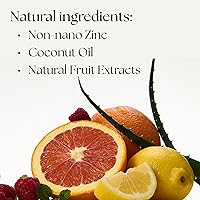
  • Active Ingredient: Uses non-nano zinc oxide as the sole active UV filter, a mineral compound that sits on the skin's surface rather than absorbing into it.
  • SPF Rating: Provides SPF 30 broad-spectrum protection against both UVA and UVB rays.
  • Water Resistance: Rated water-resistant for up to 80 minutes, after which reapplication is required to maintain effective protection.
  • Volume: Each tube contains 3.4 fl oz (100ml) of product, which meets TSA carry-on liquid limits for air travel.
  • Dimensions: The tube measures 5.6 × 1.5 × 1.5 inches, compact enough for a beach bag, backpack, or toiletry kit.
  • Weight: The filled tube weighs 3.4 ounces, keeping overall pack weight low for travelers and day hikers.
  • Scent Profile: Scented with shea butter and coconut oil, which also contribute a light secondary moisturizing effect during application.
  • Formula Type: A lotion-based mineral formula intended to apply smoothly, though some visible white cast is expected with zinc oxide filters, particularly on deeper skin tones.
  • UV Filter Type: Contains only mineral UV filters and is free from chemical UV absorbers including oxybenzone, octinoxate, avobenzone, and homosalate.
  • Reef Compliance: Fully compliant with Hawaii Reef Act 104, which prohibits sunscreens containing oxybenzone and octinoxate from being used or sold in state waters.
  • Packaging: The tube is made from ocean-bound and post-consumer recycled plastic, reducing reliance on virgin petroleum-based materials.
  • Vegan Status: Formulated without any animal-derived ingredients and confirmed vegan by the manufacturer.
  • Cruelty-Free: Not tested on animals, meeting standard cruelty-free production criteria.
  • Age Suitability: Listed as suitable for all ages; a pediatrician should be consulted before use on infants under six months.
  • Seller Rank: Ranks #195 in the Amazon Sunscreens category, indicating strong and consistent sales performance relative to the broader sunscreen market.

Related Reviews

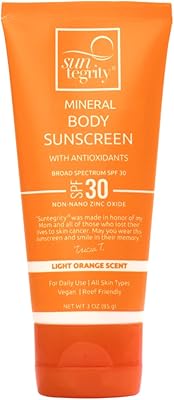
Suntegrity Mineral Sunscreen For Body SPF 30 - 3 oz
89%
92%
SPF Protection
88%
Skin Compatibility
90%
Texture & Feel
89%
Absorption & Finish
83%
Fragrance Sensitivity
More
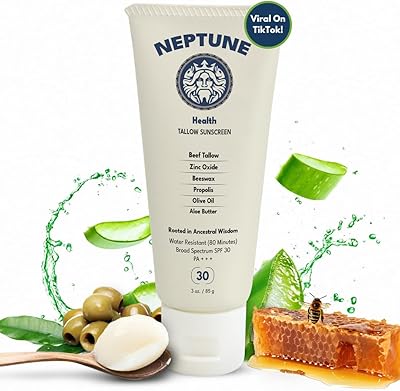
Neptune Health Tallow Mineral Sunscreen 3 oz
73%
78%
Sun Protection Efficacy
67%
Texture & Absorption
58%
White Cast Performance
84%
Skin Moisturization
91%
Ingredient Quality
More
Project Reef SPF 50 Sunscreen Stick 0.5oz
80%
88%
Sun Protection Performance
54%
White Cast & Finish
93%
Portability & Form Factor
76%
Ease of Application
91%
Skin Compatibility
More
Aspen Islanders Sheer Mineral Sport Sunscreen 3.4oz
81%
91%
UV Protection Efficacy
76%
White Cast on Skin
84%
Texture & Absorption
79%
Water & Sweat Resistance
88%
Finish Under Makeup
More
Sunshine & Glitter Mineral Shimmer Sunscreen 3.4oz
74%
74%
Sun Protection Efficacy
78%
Shimmer & Glitter Payoff
72%
Texture & Absorption
53%
White Cast Performance
58%
Skin Tone Versatility
More
DERMA E SPF 30 Mineral Sunscreen 4oz
74%
91%
Skin Gentleness
78%
UV Protection Effectiveness
67%
Texture & Absorption
54%
White Cast
93%
Ingredient Transparency
More
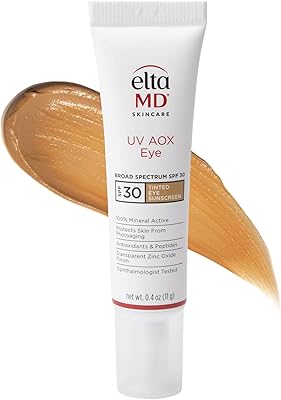
EltaMD UV AOX Tinted Mineral Sunscreen for Eye Area SPF 30 0.4oz
84%
88%
Effectiveness in Sun Protection
91%
Skin Sensitivity & Compatibility
85%
Ease of Application
84%
Tinted Formula & Dark Circle Coverage
80%
Texture & Feel
More
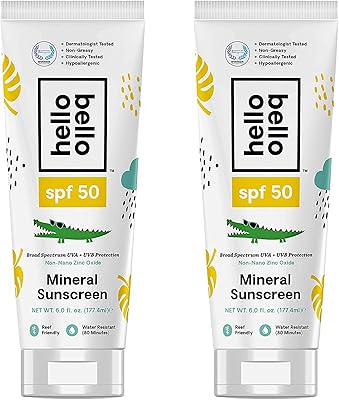
Hello Bello Sunscreen Mineral Lotion SPF 30 (3 Fl Oz, 2-Pack)
86%
88%
Effectiveness in Sun Protection
80%
Water-Resistant Duration
91%
Skin Compatibility (Sensitive Skin)
85%
Absorption and Finish
82%
Fragrance Quality
More
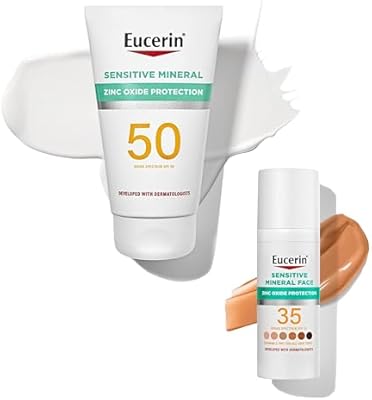
Eucerin Sun Sensitive Mineral Sunscreen Lotion SPF 50 + Tinted Mineral Face Sunscreen SPF 35
86%
94%
Effectiveness in Sun Protection
89%
Skin Compatibility & Sensitivity
85%
Texture & Feel
88%
Absorption & Finish
91%
Tinted Coverage & Evenness
More
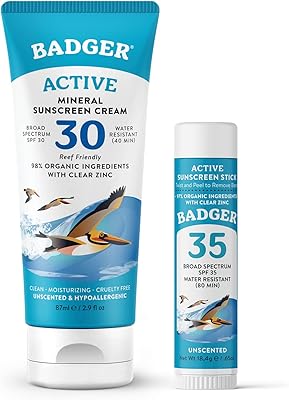
Badger Mineral Sunscreen Combo, SPF 30 Cream & SPF 35 Face Stick
89%
92%
Effectiveness of Sun Protection
89%
Skin Sensitivity Compatibility
90%
Water-Resistance Performance
85%
Texture & Feel
88%
Ease of Application
More

FAQ

Project Reef SPF 30 Mineral Sunscreen 3.4oz does leave some visible residue — that is simply how non-nano zinc oxide works, since the particles are large enough to sit on the skin's surface rather than disappear into it. On lighter skin tones, thorough rubbing typically reduces it to barely noticeable. On medium to deeper tones, the cast is more apparent and harder to blend away completely, which is a known trade-off across the mineral sunscreen category.

A single full-body adult application takes roughly 1 oz by the standard shot-glass guideline, which means you get about three to four full-body uses per tube. For a family of four spending a full beach day with proper reapplication every two hours, one tube will not be sufficient — plan on packing at least two or three. The 3.4oz size is best thought of as a personal travel tube rather than a shared family supply.

Yes — this reef-safe lotion complies with Hawaii state law, which bans sunscreens containing oxybenzone and octinoxate from being used in ocean waters. So you can wear it without running into legal or environmental issues at Hawaiian beaches. That said, no sunscreen is completely harmless to marine ecosystems; this formula is simply considerably less damaging than chemical-filter alternatives, not entirely neutral.

The formula is listed as suitable for all ages, and mineral sunscreens are generally considered a gentler choice for young children since the active ingredient stays on the skin's surface rather than absorbing into the body. As with any sunscreen, check with a pediatrician before applying to infants under six months, as their skin is more permeable and sensitive to topical products.

Zinc oxide is well-regarded for sensitive and acne-prone skin — it has mild anti-inflammatory properties and is far less likely to trigger reactions than chemical UV filters. This mineral sunscreen is also free from oxybenzone and octinoxate, two common irritants. One caveat: coconut oil, which contributes to the scent base, is considered moderately comedogenic, so if your skin is particularly reactive to oils, a patch test before full use is a smart move.

The formula is rated water-resistant for up to 80 minutes, so reapplication is necessary at least every 80 minutes of active water time. If you are toweling off frequently, reapply sooner — friction removes sunscreen faster than water alone. For serious surfers or snorkelers spending extended time in strong midday sun, treating 60 minutes as your reapplication target rather than 80 is a safer habit.

The distinction comes down to particle size. Nano-sized particles are small enough to potentially penetrate skin or pass through the tissue of marine organisms like coral, which raises both safety and environmental concerns. Non-nano particles are larger — they stay on the skin's surface and are widely considered less likely to be absorbed by aquatic life. This is the scientific basis behind reef compliance standards specifically favoring non-nano formulas.

The shea butter and coconut oil base gives this reef-safe lotion a warm, tropical scent that most buyers find pleasant — but it is noticeable, not subtle. In warm weather or after physical activity the scent tends to intensify. If you are highly fragrance-sensitive or need a truly unscented formula for medical reasons, this is probably not the right pick for you.

SPF 30 blocks roughly 97% of UVB rays with correct application and consistent reapplication, which is adequate for most everyday outdoor use. Where it starts to feel insufficient is during prolonged exposure — think a six-hour beach session, water sports at peak midday, or high-altitude environments. In those scenarios, dermatologists typically recommend SPF 50 or higher. SPF 30 is a solid baseline, but it depends heavily on how diligent you are about reapplying every two hours.

It is a real material distinction, not empty branding. Ocean-bound plastic refers to plastic collected near coastlines before it enters waterways, and post-consumer recycled plastic has verified supply chains separate from virgin plastic production. That said, it is worth keeping expectations grounded: sustainable packaging meaningfully reduces the container's environmental footprint, but it does not make the product carbon-neutral or single-handedly offset plastic pollution. It is a genuine and worthwhile step, just not the whole story.