Overview

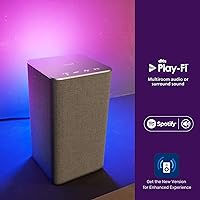
The Philips W6205 Wireless Home Speaker showed up looking more like a small end-table lamp than a typical speaker, and that ambient LED ring does a lot of the visual work before you even hit play. It sits in Philips's Play-Fi lineup, built around a single woofer, two passive radiators, and a tweeter pushing out 40 watts total. One thing worth flagging right away: this is a mono speaker. A single unit fills a room just fine, but it isn't splitting stereo channels on its own. Philips released it back in 2021 at a mid-range price, and so far it has only picked up a modest 3.4-star average across 62 ratings, which suggests opinions are split rather than universally glowing.
Features & Benefits

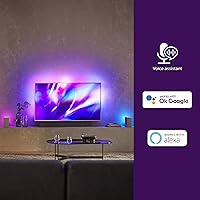
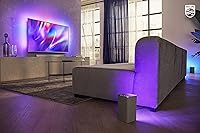
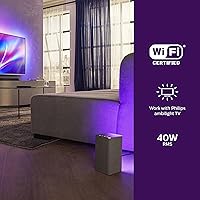
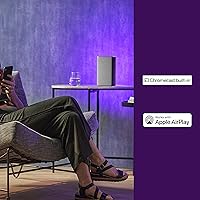
Where this Philips speaker earns its keep is in how many ways it lets you get music into a room. DTS Play-Fi support means it can group with other Play-Fi-compatible gear for synced, multi-room playback throughout the house, and if you pick up a second W6205, the two can be paired for genuine left-right stereo instead of relying on one mono box. Streaming options run wide: Spotify Connect, Tidal, Deezer, AirPlay 2, and Chromecast all work without fuss, and Bluetooth sits there as a fallback when Wi-Fi isn't an option. Voice control through Alexa or Google Assistant handles the basics, like play, pause, and skip. The LED lighting is a nice extra, syncing with a compatible Philips Ambilight TV or simply pulsing to music on its own.

Best For

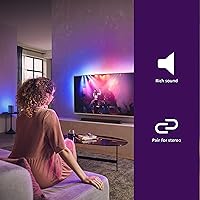
This Wi-Fi speaker makes the most sense for households already invested in the Play-Fi ecosystem, since grouping it with other compatible speakers or soundbars is where the multi-room features really pay off. It also suits anyone furnishing a single room or apartment, where mono output from one unit isn't a dealbreaker, especially if ambient lighting alongside music or TV viewing appeals to you. Streaming-service hoppers who bounce between Spotify, Tidal, and Deezer will appreciate not being locked into one app. That said, if true stereo separation out of the box is the priority, a single unit won't deliver that, and budgeting for a second speaker becomes part of the real cost. Anyone chasing big bass for movie nights may want to look elsewhere too.

User Feedback

Reception so far sits closer to the middle of the pack than the top, and that middling average is worth taking seriously rather than waving away. Feedback seems to split along a fairly predictable line: people happy with straightforward streaming and lighting tend to rate it well, while those expecting richer bass or a fuller stereo image from one box often come away less impressed. Setup experience appears to vary too, with the Philips Entertainment App doing the heavy lifting for grouping, Ambilight syncing, and general control, which some find intuitive and others find fiddly. On balance, the sound from its single-driver array satisfies casual, background listening better than it does anyone chasing a more dynamic, room-filling sound, so it pays to calibrate expectations accordingly.

Pros

  • Pairs with a second W6205 for genuine left-right stereo instead of staying mono.
  • Supports Spotify Connect, Tidal, Deezer, AirPlay 2, and Chromecast without extra hardware.
  • DTS Play-Fi grouping makes whole-home audio possible alongside other compatible gear.
  • Built-in LED lighting syncs with a compatible Ambilight TV for movie nights.
  • Works with Alexa and Google Assistant for hands-free playback control.
  • Bluetooth fallback keeps it usable even without a stable Wi-Fi connection.
  • Floor-standing rectangular design fits easily into a bookshelf, corner, or media stand.
  • Mid-range pricing keeps it more accessible than pricier multi-room speaker systems.

Cons

  • Outputs mono sound from a single unit, so true stereo requires buying a second speaker.
  • Middling 3.4-star average across 62 ratings suggests inconsistent real-world satisfaction.
  • Full feature access, including grouping and Ambilight sync, depends on the Philips Entertainment App.
  • DTS Play-Fi is a separate ecosystem, so it will not group with Sonos or similar standards.
  • Bass output from a compact driver array may underwhelm listeners wanting deep, room-shaking sound.
  • Achieving genuine stereo separation effectively doubles the real cost of the setup.
  • Better suited to background listening than to critical or audiophile-level music sessions.
  • App dependency for setup may feel more involved than a simple plug-and-play Bluetooth speaker.

Ratings

These category scores for the Philips W6205 Wireless Home Speaker are generated by AI after analyzing verified user reviews from buyers worldwide, with spam, bot-generated, and incentivized feedback filtered out before anything gets scored. The breakdown below reflects both the genuine strengths people keep mentioning and the recurring pain points, rather than smoothing everything into one flattering number.
Sound Quality
69%
31%
Many listeners find the woofer-and-tweeter combo plenty clean for everyday background listening, podcasts, and casual playlists in a kitchen or home office. Distortion stays minimal at moderate volumes, which covers most casual listening sessions just fine.
Because it is a single mono unit, the soundstage feels flat next to a true stereo pair. Listeners chasing deep bass or a wider, more immersive mix often come away wanting more low-end punch and separation.
Bass Performance
57%
43%
The two passive radiators add a noticeable lift over a typical single-driver speaker. That extra low-end gives casual pop and hip-hop tracks enough presence for relaxed listening in a smaller room.
Without a dedicated subwoofer, bass thins out at higher volumes and during action-heavy movie scenes. Home theater fans in particular often feel the punch falls short of what they expected.
Build Quality & Design
84%
The floor-standing rectangular cabinet feels solid sitting on a shelf or console table. The ambient LED ring adds a genuinely nice visual touch in a dim living room at night.
A few buyers note the gray finish and boxy shape feel more functional than stylish. Next to sleeker, more premium-looking speakers in a similar price range, it can look plain.
Multi-Room / Play-Fi Performance
79%
21%
For households already running Play-Fi gear, grouping this speaker with a soundbar or another Play-Fi unit for synced playback works smoothly. Once everything sits on the same network, whole-home audio feels genuinely convenient.
Anyone outside the Play-Fi ecosystem, including most Sonos or Bose multi-room owners, gets zero cross-compatibility. That limits the appeal if a household is not already invested in Philips's specific platform.
Stereo Pairing Capability
73%
27%
Owners who buy two units describe a real upgrade in stereo separation for music nights. Vocals and instruments spread convincingly across the room instead of bunching into one mono source.
Reaching that stereo experience effectively doubles the purchase cost from the very start. A handful of buyers also report occasional sync hiccups between the two paired speakers after firmware updates.
Streaming Service Compatibility
89%
Direct support for Spotify Connect, Tidal, Deezer, AirPlay 2, and Chromecast means most listeners can stream straight from their existing accounts. There is little need to juggle Bluetooth or extra adapters at all.
A few users mention occasional dropouts when switching quickly between services mid-session. Not every smaller or regional streaming app gets the same direct-connect treatment as the major platforms covered here.
Voice Assistant Integration
83%
Pairing it with an existing Alexa or Google Assistant routine makes hands-free playback genuinely convenient. Asking for a specific playlist while cooking dinner or cleaning the kitchen works without any extra steps.
Voice commands rely on a separate smart speaker or hub doing the heavy lifting. Buyers expecting built-in far-field microphones on the unit itself are sometimes caught off guard by that setup.
App Experience & Setup
62%
38%
Once configured, the Philips Entertainment App makes grouping speakers, adjusting Ambilight sync, and switching streaming sources fairly straightforward. Most day-to-day controls live on a single screen without much extra fuss.
Initial setup and occasional reconnections after router changes or updates frustrate a noticeable share of reviewers. The experience seems to vary more by home network setup than most buyers expect going in.
LED Lighting & Ambilight Sync
78%
22%
The built-in LED glow doubles as a nice mood-lighting feature entirely on its own. Pairing it with a compatible Ambilight TV adds a pleasant, immersive layer during movie nights at home.
Without an Ambilight-compatible TV already in the home, the lighting stays limited to basic music-reactive or static modes. Some buyers feel that undersells the feature's fuller potential compared to what the marketing implies.
Bluetooth Reliability
81%
19%
As a fallback connection, Bluetooth pairs quickly with phones and tablets without any real hassle. It works reliably for short listening sessions when setting up Wi-Fi feels like overkill for the moment.
Range and signal stability drop off noticeably compared to the Wi-Fi-based Play-Fi connection. A few reviewers also notice minor lag when streaming video audio over Bluetooth specifically, rather than music alone.
Value for Money
71%
29%
At its mid-range price, buyers point out the streaming versatility and lighting feature pack in a lot for the cost. Compared to single-purpose, Bluetooth-only speakers nearby, it feels like a fuller package.
Needing a second unit for real stereo sound changes the math for some shoppers. Combined with a middling overall rating, that leaves the price-to-satisfaction ratio feeling fair rather than exceptional.
Portability & Footprint
86%
At about one pound and a compact footprint, it is easy to relocate between rooms. Tucking it onto a shelf or console table requires no dedicated stand or mounting hardware at all.
Being corded rather than battery-powered means it still needs to stay fairly close to an outlet. That rules it out as a grab-and-go option for outdoor use, patios, or backyard gatherings.
Overall Customer Satisfaction
67%
33%
Buyers who match their expectations to a single-room, multi-room-curious use case tend to walk away satisfied. The streaming flexibility and lighting extras genuinely add value for that specific kind of household.
The 3.4-star average across 62 ratings reflects a genuinely split audience overall. Sound quality and app reliability stand out as the most common sources of disappointment among less satisfied buyers.

Suitable for:

The Philips W6205 Wireless Home Speaker is a smart pick for anyone already building out a DTS Play-Fi system, since grouping it with other Play-Fi soundbars or speakers is where it really earns its price. It also works well for someone furnishing a single room, like a kitchen, home office, or studio apartment, where one well-placed speaker covers the space without needing a full stereo pair. People who stream from multiple services benefit too, since Spotify Connect, Tidal, Deezer, AirPlay 2, and Chromecast are all built in rather than requiring extra hardware. If ambient lighting is part of the appeal, especially for anyone with a compatible Ambilight TV, this becomes a nice two-in-one upgrade for movie nights. And for households that already lean on Alexa or Google Assistant, hands-free control fits naturally into an existing routine.
Not suitable for:

That said, the Philips W6205 Wireless Home Speaker is not the right call for anyone expecting full stereo separation or concert-level bass out of a single box, since one unit puts out mono sound from a relatively compact driver array. Buyers who want a true left-right soundstage need to budget for two units from the start, which roughly doubles the actual cost of getting there. Anyone who dislikes managing a dedicated app may also find setup more involved than a plug-and-play Bluetooth speaker, since grouping, Ambilight syncing, and firmware updates all run through the Philips Entertainment App. Shoppers weighing this on rating alone should note the middling 3.4-star average, which suggests results vary more than with a higher-rated alternative. And if Play-Fi compatibility doesn't matter to you, simpler standalone speakers exist that skip the multi-room complexity entirely.
Specifications

  • Output Power: The speaker delivers up to 40 watts of total output power.
  • Driver Array: Sound comes from a single woofer, two passive radiators, and one tweeter.
  • Audio Output: Audio output from a single unit is mono rather than stereo.
  • Connectivity: It connects over Wi-Fi and Bluetooth for streaming flexibility.
  • Multi-Room Support: DTS Play-Fi technology lets it group with other Play-Fi-compatible speakers and soundbars.
  • Stereo Pairing: Two units can be paired together for true left-right stereo sound.
  • Streaming Services: Spotify Connect, Tidal, and Deezer are all supported directly from their respective apps.
  • Casting Support: Apple AirPlay 2 and Google Chromecast are both built in for casting from phones or tablets.
  • Voice Assistant: It works with Alexa and Google Assistant for hands-free voice control.
  • LED Lighting: Built-in LED lighting can sync with a compatible Philips Ambilight TV or react to music.
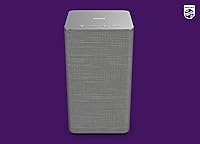
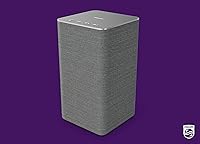
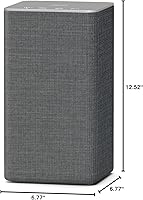
  • Cabinet Design: The cabinet is a floor-standing rectangular prism finished in gray.
  • Dimensions: It measures 6.77″ deep by 12.52″ wide by 6.77″ high.
  • Weight: The speaker weighs 1 lb (16 oz).
  • Power Source: It runs on corded electric power via an included AC cord.
  • Included Components: The box includes an AC power cord, a quick start guide, and a warranty leaflet.
  • Customer Rating: It currently holds a 3.4 out of 5 star average from 62 customer ratings.
  • Control App: Setup, grouping, and lighting controls run through the Philips Entertainment App.

Related Reviews

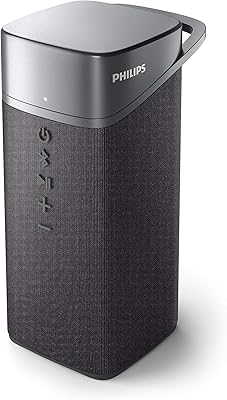
Philips S3505 Portable Bluetooth Speaker
76%
69%
Sound Quality
62%
Bass Performance
91%
Waterproofing
88%
Battery Life
79%
Build Quality
More
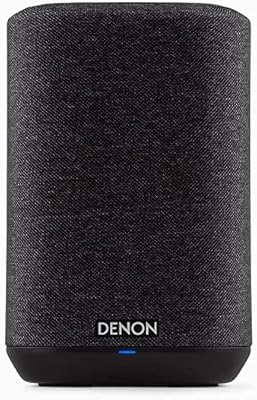
Denon Home 150 Wireless Smart Speaker
80%
83%
Sound Quality
78%
Multi-Room Performance
66%
App & Setup Experience
87%
AirPlay 2 Integration
81%
Alexa Integration
More
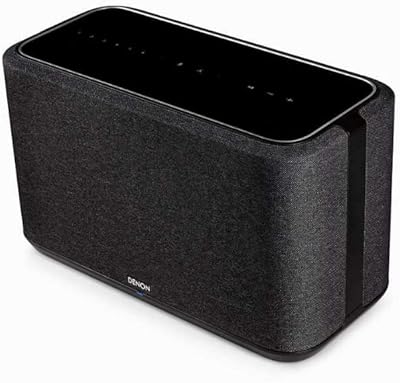
Denon Home 350
Denon Home 350
80%
91%
Sound Quality
88%
Build Quality
86%
HEOS Multi-Room Performance
93%
AirPlay 2 Integration
61%
App Experience (HEOS App)
More
Monster S200 Portable Bluetooth Speaker
73%
82%
Bass & Low-End Output
61%
Sound Clarity & Midrange
79%
Volume & Loudness
86%
Bluetooth Connectivity
84%
Waterproof Performance
More
Philips H5209 Over-Ear Wireless Headphones
77%
93%
Battery Life
84%
Comfort & Fit
71%
Sound Quality
54%
Active Noise Cancellation
78%
Call Quality
More
Philips A4216 Wireless Sports Over-Ear Headphones
80%
93%
Battery Life
81%
Comfort & Fit
88%
Water & Dust Resistance
91%
Washable Ear Cushions
69%
Sound Quality
More
Bose SoundLink Home Portable Bluetooth Speaker
79%
91%
Sound Quality
93%
Build Quality
78%
Battery Life
89%
Bluetooth Connectivity
84%
Portability
More
Philips TAH3209
Philips TAH3209
73%
74%
Sound Quality
91%
Battery Life
86%
Fast Charging
68%
Comfort & Fit
66%
Build Quality & Durability
More
Philips TAT3519 Noise Canceling Wireless Earbuds
74%
74%
Noise Cancellation
78%
Sound Quality
81%
Comfort & Fit
86%
Battery Life
58%
Call Quality
More
DORNLAT Portable Bluetooth Phone Stand Speaker
72%
83%
Value for Money
61%
Sound Quality
86%
Stand Functionality
88%
Portability & Size
67%
Battery Life
More

FAQ

On its own, the Philips W6205 Wireless Home Speaker outputs mono sound from one woofer, two passive radiators, and a tweeter. If you want true left-right stereo, you would need a second unit paired with the first through the app.
Bluetooth works as a straightforward fallback if Wi-Fi isn't available. That said, Wi-Fi streaming through Play-Fi tends to be more stable, especially once multiple speakers are synced together.

No, this Wi-Fi speaker runs on DTS Play-Fi rather than Sonos's own multi-room system, and the two don't talk to each other. It will only group with other DTS Play-Fi compatible devices.

Setup runs through the Philips Entertainment App, which also handles speaker grouping, Ambilight syncing, and everyday playback control. It's worth downloading before unboxing so the process goes smoothly.

The lighting can sync specifically with a compatible Philips Ambilight TV for a connected viewing setup, but it doesn't require one. Left on its own, it can also just pulse along with whatever music is playing.

Yes, it responds to both Alexa-enabled devices and devices running Google Assistant. That means playing, pausing, or skipping tracks by voice is possible without touching the speaker or app.

It's rated at 40 watts of maximum output, which comfortably fills a single room rather than a large open space. Bass comes from two passive radiators working alongside the main woofer rather than a dedicated subwoofer.

Reception is genuinely mixed, sitting around a 3.4 out of 5 star average from 62 ratings rather than glowing across the board. It tends to satisfy casual, background listening better than anyone hoping for deep bass from a single unit.

You can stream directly through Spotify Connect, Tidal, or Deezer over Wi-Fi without touching Bluetooth at all. AirPlay 2 and Chromecast are also supported, so most common streaming habits are covered.

The box includes the speaker itself, an AC power cord, a quick start guide, and a warranty leaflet. There's no separate remote, since everything runs through the app or voice assistants.