Overview

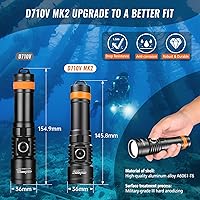
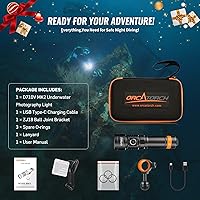
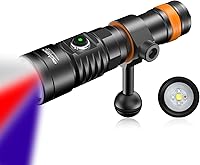
The ORCATORCH D710V MK2 Underwater Video Light is a mid-range tri-color torch aimed squarely at underwater photographers and videographers who need real versatility without the cost and bulk of professional rigs. As the upgraded successor to the original D710V, it brings noticeably improved brightness and a shorter barrel that sits more comfortably in hand during a dive. Holding a #5 spot in Amazon's Underwater Continuous Lights category, this dive light has clearly earned its audience — though that ranking reflects broad recreational appeal, not cinema-grade credentials. Approach it as a capable, compact fill light for hobbyists and semi-pros, and it's hard to be disappointed.
Features & Benefits

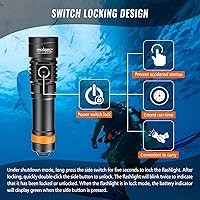
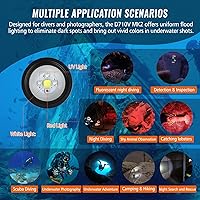
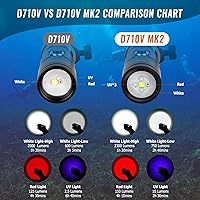
The headline number is 2300 lumens, but the 120-degree beam angle is equally important — that wide spread eliminates the harsh center hotspots you'd get from a narrow spotlight, giving photographers much more even coverage across a scene. The tri-color system genuinely earns its place: white high for main shooting, white low for close-up work, red for night-vision-friendly navigation, and UV for spotting fluorescent marine life after dark. It's worth noting the UV output is supplemental, not a primary floodlight — it won't turn a pitch-black reef into a light show, but it does reveal details you'd otherwise miss. A lockable switch and three-stage battery indicator round out the practical design nicely.

Best For

This dive light is a strong pick for travel divers — weighing just 145 grams, it slips into a carry-on with ease and won't strain a camera tray setup. Underwater photographers shooting macro or wide-angle subjects will appreciate having a single torch that covers multiple lighting needs on the same dive. Night divers get particular value here: red mode preserves your eyes' dark adaptation during navigation, while UV adds a whole different dimension to spotting fluorescent marine life. Where it falls short is professional video work — if you need hours of consistent, high-output light with measurable color accuracy, this underwater torch is not the right tool for that job.

User Feedback

With a 4.7-star average across a substantial number of reviews, the D710V MK2 clearly resonates with its target buyers. The most consistent praise is for build quality — the aluminum housing feels solid and purposeful, and most owners report genuine confidence in the waterproof seals even after repeated dives. The UV mode is a recurring pleasant surprise for buyers who initially purchased it mainly for the white light. The biggest friction point is the AA battery format: in a category where USB-rechargeable lights are increasingly common, carrying spare batteries feels like an inconvenience. A few buyers also flag that maximum-output runtime is on the shorter side, making the battery indicator a genuinely useful feature rather than just a nice-to-have.

Pros

  • Wide 120-degree beam provides even, flattering fill light rather than a harsh center spotlight.
  • Three color modes in one body means fewer lights to pack, rig, and maintain.
  • The lockable switch genuinely prevents accidental activation inside a gear bag or BCD pocket.
  • Build quality is consistently praised — the aluminum housing feels durable and confidence-inspiring.
  • Three-stage battery indicator gives you actionable power information before you run dry mid-dive.
  • UV mode is a pleasant bonus for spotting fluorescent marine life on night dives.
  • At just 145 grams, this underwater torch is easy to mount on a camera tray without throwing off balance.
  • IP68 waterproofing to 150 meters covers the vast majority of recreational and technical dive profiles.
  • Red mode preserves night vision during navigation without alerting skittish marine animals.
  • Compact barrel length makes one-handed operation and gear-bag storage noticeably easier than bulkier rivals.

Cons

  • AA battery format feels outdated compared to USB-rechargeable alternatives at a similar price point.
  • Maximum brightness runtime of just over four hours can run short on longer or multiple-dive days.
  • UV output is supplemental at best — buyers expecting a powerful fluorescent floodlight will be underwhelmed.
  • No built-in charging port means you need to carry and manage spare batteries during travel.
  • Single side-button interface can make cycling between modes tricky when wearing thick dive gloves.
  • White light color accuracy is not rated or CRI-specified, which matters for serious video color work.
  • O-ring seals require regular inspection and greasing — easy to overlook for newer divers.
  • The light does not come with a mounting arm or tray adapter, adding to the overall kit cost.

Ratings

The scores below for the ORCATORCH D710V MK2 Underwater Video Light were generated by our AI system after analyzing verified purchaser reviews from global marketplaces, with spam, incentivized, and bot-flagged submissions actively filtered out before scoring. Each category reflects real patterns in what buyers praised and complained about — nothing is smoothed over or inflated to flatter the product. Where users consistently flagged a limitation, that friction shows up directly in the numbers.
Build Quality
91%
The aluminum alloy body draws consistent praise from owners who have put this torch through repeated salt water dives. Most describe it as feeling noticeably more solid than similarly priced plastic-bodied competitors, with no flex or creaking even under pressure at depth.
A small number of buyers noted minor surface finish inconsistencies around the switch housing, and a few reported that the button cap showed early wear after heavy use in sandy or gritty conditions. Nothing structural, but worth noting for perfectionists.
Waterproof Reliability
88%
The triple O-ring and dual-tempered-glass sealing system earns genuine confidence from divers who have taken this underwater torch well past 30 meters without a single leak report in the majority of reviews. The IP68 150-meter rating holds up in real-world recreational use.
Several experienced divers emphasize that O-ring maintenance is non-negotiable — buyers who skipped post-dive greasing reported seal degradation faster than expected. The light is reliable when cared for properly, but it demands that care more than some competitors with tool-free sealed designs.
Brightness & Output
86%
At 2300 lumens with a 120-degree spread, this dive light genuinely lights up wide reef scenes without the unpleasant hotspot you get from narrow-beam torches. Underwater photographers repeatedly note how even the coverage is across a frame, especially for macro shooting at close range.
On full power, experienced divers using the light for long sessions note that the output draws down batteries faster than the headline burn time suggests in colder water. Some also wish a medium white mode existed between the two current brightness steps.
Multi-Color Versatility
89%
The combination of white, red, and UV modes in a single compact body is consistently called out as the standout feature by buyers who previously carried two or three separate lights. Red mode is particularly praised by night divers who value keeping their dark adaptation intact between navigation checks.
The UV mode, while genuinely useful, occasionally surprises buyers who expect a powerful blacklight effect — it works best at very close range in dark conditions, and those who expected to illuminate large fluorescent reef sections from a distance were left underwhelmed by the output intensity.
Battery Life
63%
37%
Running on low white mode, most buyers report stretching a set of AAs comfortably through a two-tank dive day without needing a swap. The three-stage battery indicator is well-regarded for giving enough advance warning to avoid a sudden cutout at depth.
On full brightness, real-world runtime falls noticeably short for divers doing back-to-back dives or extended sessions — several buyers report the indicator hitting red within a single long dive on max output. The AA format also means runtime cannot be extended via a power bank, unlike USB-rechargeable rivals.
Battery Format
54%
46%
AA batteries are universally available in dive destinations worldwide, which is a genuine practical advantage for travelers who may not have reliable USB charging access between dives on a liveaboard or remote trip. Swapping batteries takes seconds, which is faster than waiting for a recharge cycle.
The AA dependency is the most common point of frustration in reviews, with a sizable portion of buyers feeling the format feels dated compared to the growing number of built-in rechargeable dive lights at the same price point. The recurring cost of quality AAs also adds up over a busy dive season.
Switch & Controls
78%
22%
The lock function is a practical win that experienced divers appreciate immediately — arriving at a dive site with a fully drained torch because of bag activation is a frustrating experience this design actively prevents. Mode cycling is straightforward once you have a couple of dives under your belt with it.
Several buyers with thicker neoprene or dry suit gloves found the side button harder to press and cycle through modes quickly. The single-button interface also means reaching UV mode requires cycling past white and red first, which can feel slow when you want a fast switch mid-dive.
Size & Portability
93%
At 145 grams and with a barrel shorter than most competitors in this output class, the D710V MK2 is consistently praised by travel divers as one of the easiest high-output lights to pack. It fits into compact camera trays without dominating the rig or throwing off buoyancy balance.
For divers with larger hands, the narrow 27mm barrel diameter can feel a little slim during extended handheld use without a tray mount. There is no handle or grip texture on the barrel, which some buyers flagged as a minor ergonomic gap.
Value for Money
77%
23%
Buyers comparing this dive light to single-mode alternatives at similar price points consistently feel the tri-color design gives more utility per dollar. The aluminum build and IP68 depth rating at this tier are also cited as delivering more than expected from a mid-range purchase.
A portion of reviewers feel the AA battery format and lack of an included mount or arm push the total cost of ownership higher than the sticker price suggests. Some buyers note that rechargeable competitors at a slightly higher price point start to look compelling once you factor in long-term battery spend.
Photography Performance
83%
Underwater photographers shooting both macro and wide-angle subjects praise the 120-degree beam for eliminating the uneven lighting that narrow torches produce at the edges of a frame. Color rendering on white mode is described as natural and pleasing for stills, particularly in blue-water environments.
Videographers doing longer takes find the lack of a CRI rating and the absence of a stable mid-power white mode limiting for color-critical work. The light is better suited to photography bursts than sustained video sessions where consistent output and color temperature matter most.
Night Diving Performance
87%
The combination of high-output white, vision-preserving red, and fluorescent-activating UV makes this one of the more complete single-torch solutions for night diving available in the mid-range segment. Divers report that the UV mode adds a genuinely exciting dimension to night reef exploration.
UV range is limited enough that users expecting to scan large areas for fluorescent organisms will need to get close — within a foot or two — to get the full effect. It enhances the night diving experience meaningfully but does not replace a dedicated fluorescence photography rig for serious work.
Ease of Setup
84%
Buyers consistently describe the out-of-box experience as simple — load the included AAs, learn the lock and mode cycle via a quick read of the manual, and the light is ready for a first dive in minutes. No proprietary chargers, apps, or configuration steps are involved.
The lack of any mount or arm in the box means first-time buyers sometimes realize at the dive site that they need additional hardware to attach the light to a camera tray. This is a common enough frustration that it appears repeatedly in otherwise positive reviews.
Durability Over Time
79%
21%
Owners who have used the D710V MK2 through a full dive season report that the aluminum body holds up well against knocks and the occasional impact against rocks or tanks. The switch mechanism shows no significant degradation for most buyers across hundreds of dives.
O-ring longevity is the main durability question mark — buyers who dive in particularly warm or salty water note that seals need checking and replacing more frequently than the light's overall build quality might suggest. Replacement O-rings are available but require proactive sourcing.
Instruction Clarity
71%
29%
Most buyers describe the manual as adequate for getting started, and the lock function in particular is explained clearly enough that the majority of owners figure it out without confusion. The battery indicator behavior is also well-documented in the included guide.
A meaningful minority of reviewers note that the manual reads like a translated document, with a few ambiguous phrases around the UV mode and the lock cycle. Buyers who prefer detailed technical documentation may find the guide falls short of what they expect at this price tier.

Suitable for:

The ORCATORCH D710V MK2 Underwater Video Light is a strong match for recreational and semi-professional divers who want one versatile torch instead of a bag full of specialized lights. Underwater photographers — whether shooting macro subjects up close or trying to light a wide reef scene — will find the 120-degree beam and multiple brightness levels genuinely useful in the field. Night divers get a particularly well-rounded tool here: red mode lets you navigate without blowing your eyes' dark adaptation, and the UV setting opens up a whole new way to experience fluorescent marine life after sunset. Travel divers will appreciate that the compact aluminum body and featherweight 145-gram build take up almost no space in a carry-on, which is a real-world advantage when you're flying to a dive destination. Anyone stepping up from a basic single-mode torch who wants more creative control — without jumping to a heavy, expensive professional system — will find this dive light hits a genuinely useful middle ground.
Not suitable for:

The ORCATORCH D710V MK2 Underwater Video Light is not the right call for serious underwater videographers who need hours of sustained, high-output illumination with measurable color accuracy. Professional video work demands consistent CRI-rated light across long takes, and this torch simply was not designed for that level of output endurance. The AA battery format is also a notable friction point for divers who have grown accustomed to USB-rechargeable dive lights — sourcing or carrying spare AAs on a liveaboard adds an inconvenience that competing lights avoid entirely. At maximum brightness the runtime is limited, so divers planning long, deep sessions will need to manage power consumption carefully rather than just leaving it on full blast. Anyone expecting the UV mode to function as a powerful primary light source will also be let down — it is a useful supplemental tool for spotting fluorescent organisms, not a floodlight replacement.
Specifications

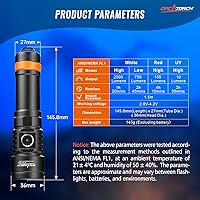
  • Maximum Output: The light reaches a peak brightness of 2300 lumens on its highest white mode.
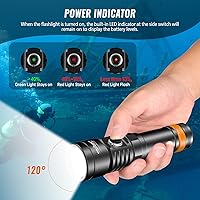
  • Beam Angle: A 120-degree wide beam angle spreads light evenly across a broad underwater scene rather than concentrating it in a narrow spot.
  • Light Modes: Four modes are available: white high, white low, red, and UV/violet, selectable via a single side button.
  • Burn Time: At maximum output, the light runs for approximately 4 hours and 10 minutes on a fresh set of batteries.
  • Waterproof Rating: Rated IP68 with a verified operational depth of up to 150 meters underwater.
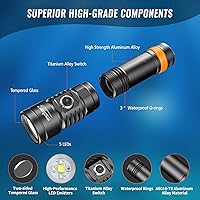
  • Sealing System: Three independent O-rings combined with dual-sided tempered glass provide redundant protection against water infiltration.
  • Body Material: The outer shell is machined from aluminum alloy, which resists corrosion in both fresh and salt water environments.
  • Switch Type: A lockable side button controls all functions, with a 5-second long press activating theft and accidental-activation protection.
  • Battery: Powered by two standard AA batteries, which are included in the box at purchase.
  • Dimensions: The body measures 145.8mm in length by 27mm in width by 36mm in height.
  • Net Weight: Without batteries, the unit weighs 145 grams, making it one of the lighter options in its output class.
  • Battery Indicator: A three-stage LED indicator shows green for above 40% charge, solid red for 10–40%, and flashing red for below 10%.
  • Manufacturer: Designed and produced by ORCATORCH TECHNOLOGY LIMITED, a brand specializing in underwater lighting equipment.
  • Availability: This model has been available for purchase since June 2023 and represents the second-generation MK2 revision of the D710V line.
  • Bestseller Rank: Currently ranked #5 in the Amazon Underwater Continuous Lights category at the time of this review.

Related Reviews
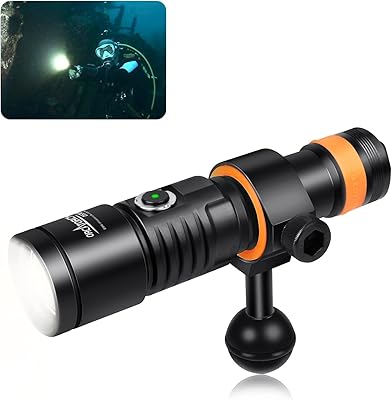
ORCATORCH D530V Underwater Video Light
82%
91%
Beam Quality & Coverage
86%
Build Quality & Materials
58%
Battery Life & Runtime
88%
Waterproof Reliability
83%
Battery Indicator Usefulness
More
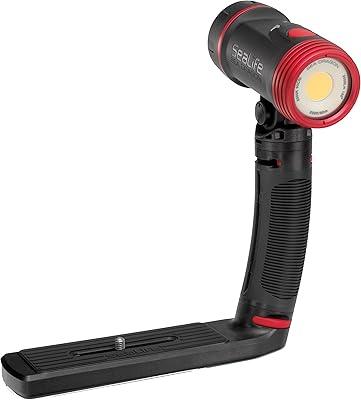
SeaLife Sea Dragon 2500F Underwater Video Light
83%
93%
Brightness Consistency
88%
Build Quality
67%
Battery Life
91%
Beam Angle & Coverage
94%
Ease of Use
More
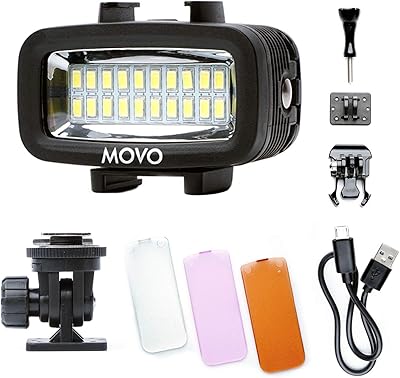
Movo LED-WP Underwater High-Power LED Video Light
85%
86%
Overall Performance
90%
Build Quality
88%
Battery Life
84%
Ease of Use
93%
Waterproof Capability
More
LitONES 618
LitONES 618
87%
92%
Build Quality
89%
Lighting Accuracy
91%
Mounting Stability
87%
Eye Comfort
93%
Adjustability & Reach
More
VIJIM VL120 RGB
VIJIM VL120 RGB
85%
94%
Portability & Size
92%
Color Accuracy (CRI)
88%
Brightness & Intensity
81%
Battery Longevity
62%
Charging Efficiency
More
amaran Ace 25c
amaran Ace 25c
85%
94%
Portability & Size
91%
Brightness Output
78%
Battery Life (Standard Use)
62%
Battery Life (Boost Mode)
93%
Mounting Versatility
More
ULANZI U60 RGB Video Light
83%
94%
Portability
91%
Color Accuracy
88%
Mounting Versatility
89%
Interface Intuition
72%
Battery Endurance
More
VIJIM VL49 RGB
VIJIM VL49 RGB
85%
96%
Portability & Size
92%
Brightness to Size Ratio
88%
Magnetic Mounting Strength
91%
Color Accuracy (CRI)
61%
Battery Life at Max Power
More
SmallRig RM120 RGB Video Light
89%
96%
Build Durability
94%
Battery Endurance
92%
Color Accuracy
88%
User Interface
85%
Mounting Stability
More
SmallRig RM75 RGB Video Light
87%
91%
Portability
89%
Ease of Use
94%
Color Accuracy
83%
App Control Experience
73%
Battery Life
More

FAQ

The IP68 rating backed by triple O-rings and tempered glass on both ends is a genuinely robust sealing setup, not just a spec on paper. That said, like any dive equipment, the O-rings require periodic inspection and a light application of silicone grease — skip that maintenance and no waterproof rating will save you. Many owners report using the D710V MK2 regularly at recreational depths without any issues.

It can absolutely serve as your primary light on a night dive, and the 2300-lumen output is more than adequate for most recreational night diving scenarios. That said, standard dive safety practice recommends always carrying a backup light regardless of how capable your primary is — that applies here just the same as any other torch.

The UV output is genuinely useful for spotting fluorescent marine life, but it works best in very dark conditions and at close range — think macro subjects a foot or two away rather than lighting up a whole reef. It is a supplemental tool rather than a replacement for your white light, so think of it as an add-on experience during night dives rather than a standalone mode.

AA batteries give you a practical advantage on liveaboards and travel dives where you might not have reliable access to a charging port — you just swap in fresh batteries and keep going. The trade-off is that over time, buying AAs adds a recurring cost, and carrying spares is an extra thing to manage. Whether that suits you depends largely on your diving style and how often you have access to a power outlet between dives.

Yes, and it is one of the more practical design details on this torch. A 5-second long press locks the switch completely, and a quick double-tap unlocks it — the light blinks twice to confirm either state. For anyone who has ever opened a bag to find a torch that drained itself completely, this feature alone is worth paying attention to.

The light itself does not ship with a mount or tray adapter, so you will need to source a compatible ball-mount clamp separately. The body dimensions are standard enough that most universal dive light clamps sized for 1-inch diameter barrels should work, but confirm measurements against your specific mount before purchasing.

Your eyes take around 20–30 minutes to fully adapt to darkness underwater, and white light instantly resets that process every time you switch it on. Red light does not trigger the same response in your visual system, so you can use it to check your gauges, navigate, or signal your buddy without losing the dark adaptation you have built up. It is a genuinely useful mode once you get in the habit of using it.

Running on the lower white mode rather than full blast will meaningfully extend your battery life beyond the 4-hour-10-minute maximum rating, though ORCATORCH has not published an exact figure for low-mode runtime. If you are on a long dive or stretching one set of batteries across multiple dives, low mode is worth using for ambient scenes and reserving high mode for key shots.

A thorough rinse in fresh water after every salt water dive is the single most important thing you can do — pay particular attention to the switch area and around the O-ring grooves where salt crystals can accumulate. Let it dry completely before storing, and inspect the O-rings every few dive trips for any signs of wear, cracking, or debris that could compromise the seal.

It is genuinely one of the better entry points into underwater photography lighting precisely because it combines white, red, and UV modes in one compact body — you get a lot of creative range without needing to buy separate lights for different situations. The learning curve on the controls is low, the battery indicator helps you avoid nasty surprises, and the build quality should hold up well through the bumps and salt water of learning the craft.