Overview

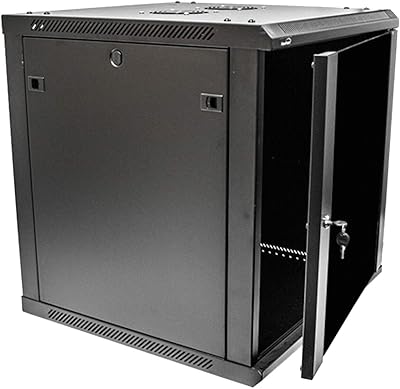
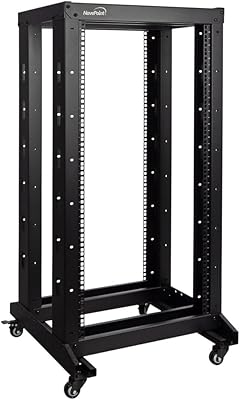
The NavePoint 22U 19-Inch Server Rack Enclosure has been a steady presence in the prosumer networking space since 2016, and its consistent ranking near the top 1,000 in its category suggests it has earned genuine trust over time. Built from cold-rolled steel with a black powder-coat finish, this server cabinet sits comfortably in mid-range territory — capable and well-constructed, but not a replacement for enterprise hardware. It arrives flat-packed, so budget time for assembly. Think of it as a serious step up from open-frame shelving for home labs or small offices, without the cost or bulk of commercial-grade enclosures.
Features & Benefits

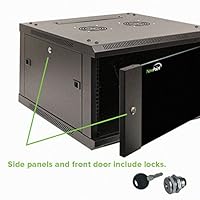
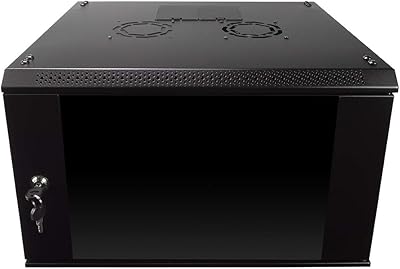
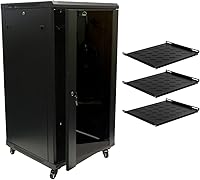
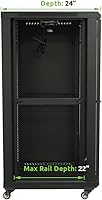
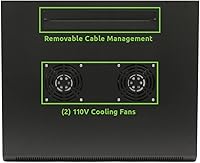
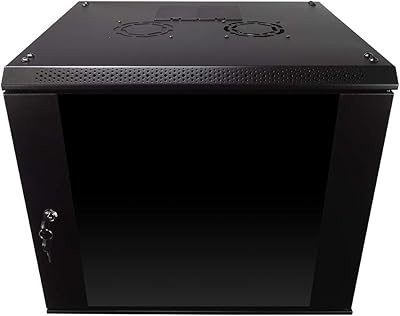
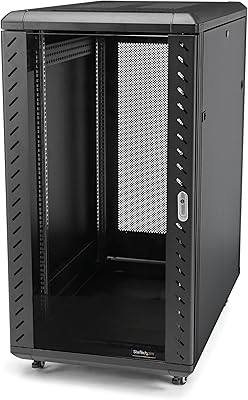
The 22U rack enclosure packs a fair amount of utility into a 19-inch form factor. At 600mm deep, it handles most standard 1U switches, patch panels, and the occasional 2U device without issue — though longer servers can get snug. Two built-in fans provide active cooling, which genuinely matters once you stack a few units that generate heat. The front door is lockable tempered glass, so you can check indicator lights without unlocking anything. Removable side panels lock independently and make cable runs less awkward. Three included shelves handle non-rackable gear — modems, small UPS units, or loose hardware. Four caster wheels add mobility, though they raise total height by about 3 inches.

Best For

This server cabinet is a natural fit for home lab builders who have outgrown open shelving and want something that looks and functions like real infrastructure. Small offices managing a modest stack of network gear — switches, a NAS, a patch panel or two — will find the rack space sufficient and the footprint manageable. The caster wheel mobility is genuinely handy for anyone who rearranges their setup periodically or needs rear cabling access. Just be realistic about the 130 lb weight limit; this is not the right enclosure if you are loading it with multiple dense servers. Lighter A/V and networking builds are where it performs best.

User Feedback

The NavePoint rack generally earns solid marks for straightforward assembly — buyers report the flat-pack format is well-organized and hardware is complete. The value relative to heavier commercial cabinets comes up frequently as a positive. On the flip side, fan noise is a recurring complaint; these are not quiet fans, and in a bedroom lab or shared office, that hum becomes noticeable fast. Depth clearance gets flagged occasionally for longer 2U or 4U equipment. The glass door locking mechanism draws mixed reactions — functional for most, but not especially confidence-inspiring over the long term. The shelves split opinion too: practical for overflow gear, but each one occupies rack units some users would rather keep free.

Pros

  • Flat-pack assembly is well-organized and most buyers complete it solo in under two hours.
  • Cold-rolled steel frame feels solid and stable once fully assembled with a normal networking load.
  • Tempered glass door lets you monitor indicator lights without unlocking or opening the cabinet.
  • Caster wheels make single-person repositioning genuinely easy, even with gear loaded inside.
  • Three included shelves handle non-rackable equipment that would otherwise sit outside the cabinet.
  • Removable locking side panels significantly simplify cable runs and rear hardware access.
  • The price point delivers real value for home lab and SMB buyers not needing commercial-grade hardware.
  • 22U of rack space covers a substantial networking build without requiring a larger footprint.
  • Powder-coat finish resists light scratching and holds up well in static, low-movement installations.
  • This server cabinet has a long track record since 2016 with no major design regression complaints from buyers.

Cons

  • Built-in fans run at fixed speed — no quiet mode, no controller, just constant audible hum.
  • Caster wheels add roughly 3 inches to total height, which surprises buyers in low-clearance spaces.
  • Glass door lock feels lightweight and provides deterrence rather than genuine physical security.
  • Cage nut installation requires more force than expected and screws strip more easily than they should.
  • Depth clearance for full-length 2U and 4U servers is tight, limiting rear airflow and cable routing.
  • Each included shelf consumes rack units, forcing a tradeoff between shelf use and rackable space.
  • Side panel locking pins loosen with repeated removal, reducing the snug fit over time.
  • No dedicated cable management channels or guides are included — aftermarket additions are often necessary.
  • Door hinges show wear faster than the steel frame in frequently accessed installations.
  • Hardware quality across fasteners and mechanical components does not match the durability of the main structure.

Ratings

The NavePoint 22U 19-Inch Server Rack Enclosure has been scored by our AI engine after processing verified buyer reviews from multiple global markets, with spam, bot-generated, and incentivized submissions actively filtered out. Scores reflect the honest distribution of real user sentiment — strengths and frustrations weighted equally. Where patterns of recurring praise or repeated complaints emerged, they are transparently built into every category below.
Build Quality
78%
22%
Most buyers are genuinely impressed by the rigidity of the cold-rolled steel frame once assembled. For a mid-range cabinet, the powder-coat finish holds up well against scratches and light handling, and the overall structure feels stable when loaded with switches and patch panels.
A noticeable share of reviewers point out that thinner panels and lighter-gauge brackets remind you this is not commercial-grade hardware. A few users reported minor flex in the side panels under heavier configurations, which can feel less reassuring over time.
Assembly Experience
83%
The flat-pack format consistently earns praise for being logically organized, with labeled hardware bags and reasonably clear instructions. Most buyers with basic tool familiarity report completing assembly solo within an hour or two, which is a realistic and appreciated expectation.
Instructions could be clearer in certain steps, particularly around door hinge orientation and fan wiring. A small but consistent group of reviewers mention stripped screw holes or misaligned mounting points that required improvised fixes during installation.
Cooling & Ventilation
71%
29%
The two built-in fans do their job when the cabinet is loaded with networking gear that generates moderate heat. Home lab users running switches, a NAS, and a patch panel report stable temperatures without needing supplemental cooling in reasonably ventilated rooms.
Fan noise is a recurring and legitimate complaint. The fans are audible in quiet environments — a bedroom lab or a small shared office will notice the constant hum. There is no speed control included, so quiet operation is simply not an option with stock hardware.
Depth & Equipment Fit
67%
33%
At 600mm of internal depth, this rack enclosure handles the majority of 1U switches, patch panels, and shallow NAS devices without clearance issues. For typical home lab or small office gear, the fit is adequate and leaves room for rear cable management.
Longer 2U and 4U servers push the limits noticeably. Several users report that deeper rack-mount equipment sits tight against the rear, leaving almost no room for cable bends or airflow behind the units — a real concern for anyone planning to house full-depth servers.
Door & Locking Mechanism
72%
28%
The tempered glass front door is one of the more liked features, letting users visually check status lights and indicator LEDs without opening the enclosure. The lock functions reliably for basic physical security in low-risk environments like offices or home setups.
The locking mechanism itself draws mixed long-term feedback. Several buyers note that the lock cylinder feels lightweight and the key action is loose compared to cabinet locks on higher-end brands. For genuine security needs, this is a deterrent rather than a serious barrier.
Value for Money
84%
Relative to comparable 22U enclosures from better-known commercial brands, this rack enclosure sits at a price point that makes it genuinely accessible for home lab builders and small businesses. The included fans, shelves, and casters add practical value without requiring additional purchases upfront.
Buyers who have previously owned enterprise-grade racks will feel the quality gap at this price. The value proposition works well for lighter, prosumer use — but if longevity under heavy daily commercial load is the priority, the math shifts less favorably over a multi-year horizon.
Side Panel Design
74%
26%
Removable locking side panels are a thoughtful touch that makes a real difference during cable management sessions. Being able to pull a panel entirely instead of working through a hinge opening saves meaningful time when adding or reorganizing gear.
The locking pins on the side panels feel less robust than the rest of the frame, and a handful of users report difficulty re-aligning the panels smoothly after repeated removal. Over time, the fit can become slightly loose, which is minor but noticeable.
Mobility & Casters
76%
24%
The four caster wheels make repositioning the loaded cabinet a one-person task, which is a genuine quality-of-life improvement over static racks. Users in small offices especially appreciate being able to pull the unit away from the wall for rear access without unloading it first.
The roughly 3-inch height increase from the casters catches some buyers off guard, particularly those working with tight vertical clearance. Caster quality is adequate for occasional movement across flat floors but not ideal for frequent repositioning or uneven surfaces.
Included Shelves
68%
32%
Three shelves give flexibility to house non-rackable equipment — modems, small UPS units, or loose accessories — that would otherwise have no clean home inside an enclosed cabinet. For mixed setups that combine IT gear with non-standard hardware, the shelves fill a real gap.
Each shelf occupies rack units, which frustrates buyers who would rather maximize rackable space. Users running denser configurations quickly find themselves choosing between shelf utility and usable U space, and the tradeoff does not always feel worth it.
Cable Management
65%
35%
Removable panels and open rear access make basic cable routing achievable without tools. For moderate installs — a dozen patch cables and a few power runs — the internal space provides enough room to keep things tidy with standard cable ties or velcro straps.
There are no dedicated cable management accessories included, and the rear opening design lacks the guided channels found on more purpose-built enclosures. Buyers with dense, multi-device setups often report that rear cable organization quickly becomes messy without aftermarket additions.
Footprint & Space Efficiency
79%
21%
At roughly 24 inches square, this rack enclosure occupies a predictable and manageable footprint for small offices or dedicated home lab corners. The freestanding format with no wall anchoring required means placement options are flexible from day one.
For truly compact spaces, the height with casters attached pushes into ceiling-clearance territory in lower rooms. The overall cube-like dimensions, while practical, mean it is not a subtle addition to a living or working space where aesthetics matter.
Hardware & Fasteners
66%
34%
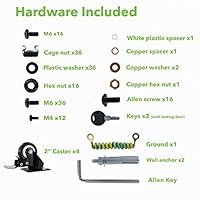
All necessary assembly hardware arrives in the box, and most buyers find the quantity sufficient to complete a full build. The inclusion of cage nuts and screws for rack-mount equipment is a small but appreciated touch that avoids an immediate extra purchase.
Hardware quality is functional but uninspiring. Screws strip more easily than they should, and a few reviewers note that cage nut installation requires more force than expected. Having a few spare cage nuts on hand before assembly is a widely shared practical recommendation.
Thermal Design
69%
31%
The combination of fan exhaust and ventilated panels creates a reasonable airflow path for lightly to moderately loaded configurations. Users running networking gear rather than high-TDP servers generally report no thermal incidents across extended operation periods.
The passive vent design is not optimized for high-density heat loads. With multiple servers generating significant warmth, the two stock fans struggle to maintain adequate airflow, and buyers in warm ambient environments have noted elevated temperatures that warranted supplemental cooling.
Long-Term Durability
71%
29%
Given its presence in the market since 2016 without major design regression complaints, the cabinet has demonstrated reasonable longevity for prosumer use. Buyers running static setups report the frame and door holding up well over several years of normal use.
Hinges and locking components show wear faster than the steel frame itself, which is the more common long-term complaint. In high-movement or frequently accessed environments, the mechanical components — door hinges especially — start to feel their age before the structure does.

Suitable for:

The NavePoint 22U 19-Inch Server Rack Enclosure is a strong fit for home lab enthusiasts who have outgrown open-frame shelving and want a proper enclosed cabinet without spending commercial-grade money. If your setup revolves around switches, patch panels, a NAS device, or a small UPS — gear that stays within a 130 lb combined load — this rack enclosure gives you organized, lockable housing that looks and functions like real infrastructure. Small offices and retail environments managing modest A/V or network installations will appreciate the glass door for quick visual checks and the caster wheels for repositioning without unloading the whole cabinet first. It also suits buyers who want a freestanding unit that does not require wall anchoring, making it practical for leased spaces or setups that evolve over time. If your priority is organized, accessible, mid-range rack storage for lighter prosumer equipment, this server cabinet covers the brief well.
Not suitable for:

Buyers running dense, power-hungry server environments should think carefully before committing to this rack enclosure. The 130 lb weight ceiling and 600mm depth become real constraints once full-depth 2U or 4U servers enter the picture — clearance behind equipment gets tight fast, and rear cable management suffers as a result. The NavePoint 22U 19-Inch Server Rack Enclosure is also a poor match for noise-sensitive environments: the two stock fans run at a fixed speed with no volume control, and in a quiet office or bedroom lab the hum is consistently noticeable enough to frustrate buyers who did not anticipate it. Anyone expecting enterprise-grade build quality — robust locking hardware, heavy-gauge steel throughout, or precision-fitted panels — will find this cabinet falls short of that bar. If you are planning a high-availability production environment or need physical security beyond basic deterrence, a heavier commercial-grade option is the more honest recommendation.
Specifications

  • Rack Units: Provides 22U of usable rack space, accommodating a wide range of standard 19-inch rack-mount equipment.
  • Form Factor: Designed for 19-inch rack-mount equipment, compatible with standard IT and A/V gear across 1U to 4U profiles.
  • Internal Depth: Internal cabinet depth measures 600mm (23.63″), suitable for most shallow-to-mid-depth rack-mount devices.
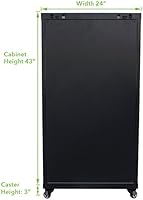
  • Dimensions: With caster wheels attached, the cabinet measures approximately 23.63″L x 23.63″W x 43″H.
  • Material: Cabinet frame and panels are constructed from SPCC cold-rolled steel for structural rigidity under normal prosumer loads.
  • Finish: Exterior surfaces are finished with a black powder coating that resists light surface scratches and corrosion.
  • Weight Capacity: Maximum rated load capacity is 130 lbs, intended for lighter networking and A/V equipment rather than dense server configurations.
  • Item Weight: The cabinet itself weighs approximately 102 lbs, which is relevant to consider for floor load and delivery handling.
  • Built-in Fans: Two factory-installed fans provide active forced-air cooling to reduce thermal buildup inside the enclosed cabinet.
  • Front Door: Lockable tempered glass front door allows visual equipment monitoring while maintaining basic physical access security.
  • Side Panels: Both side panels are removable and include an independent locking mechanism to restrict unauthorized lateral access.
  • Included Shelves: Three fixed shelves are included in the package, providing storage for non-rack-mount equipment inside the cabinet.
  • Mobility: Four caster wheels are included and add approximately 3 inches to the overall standing height when attached.
  • Assembly: The cabinet ships flat-packed with all required assembly hardware included; no additional fasteners or tools are provided beyond what is in the box.
  • Door Orientation: Front door hinge orientation is adjustable using an L-shaped spring pin, allowing left or right-hand swing configuration.
  • Compatible Equipment: Designed to house standard 19-inch rack-mount IT equipment including switches, patch panels, NAS devices, and A/V components.
  • First Available: This model has been commercially available since July 2016, reflecting a multi-year product history in the prosumer networking category.
  • Manufacturer: Designed and sold by NavePoint, a brand focused on networking enclosures and accessories for small business and home lab applications.

Related Reviews
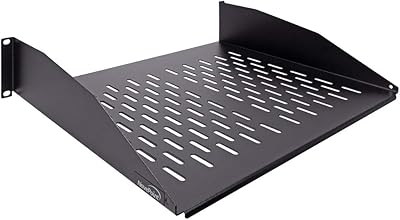
NavePoint 2U 19-Inch Universal Vented Rack Mount Cantilever Server Cabinet Shelf 14-Inches Deep
86%
88%
Build Quality
93%
Ease of Installation
91%
Weight Capacity
86%
Ventilation Effectiveness
78%
Size & Compatibility
More
NavePoint 12U Wall Mount Server Rack (600mm)
79%
86%
Build Quality
78%
Ease of Assembly
74%
Ventilation & Thermal Performance
69%
Depth & Equipment Compatibility
83%
Security & Door Design
More
NavePoint 6U Server Rack Enclosure
87%
89%
Build Quality
91%
Ease of Installation
94%
Space Efficiency
85%
Security Features
87%
Cooling Performance
More
NavePoint 9U Server Rack Enclosure with Glass Door
86%
89%
Build Quality
91%
Ease of Setup
86%
Cooling & Ventilation
92%
Size & Space Efficiency
88%
Security Features
More
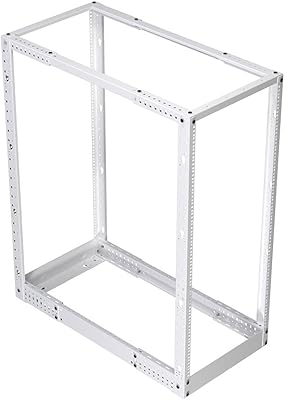
NavePoint 4ft 22U 4-Post Network Server Rack
85%
91%
Build Quality & Durability
88%
Ease of Assembly
84%
Adjustability & Flexibility
85%
Mobility & Portability
80%
Weight Capacity
More
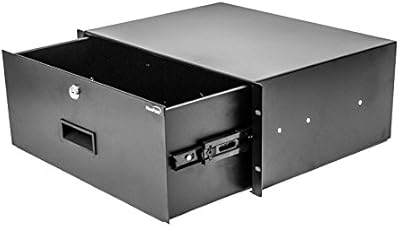
NavePoint 4U Rack Mount Locking Drawer
76%
83%
Build Quality
88%
Ease of Installation
61%
Lock Security
67%
Drawer Depth & Internal Space
86%
Drawer Slide Action
More
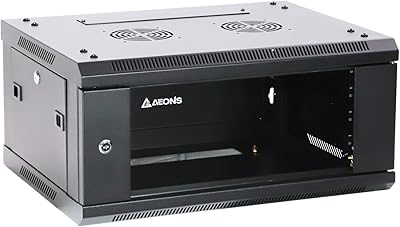
AEONS 4U Professional Wall Mount Network Server Cabinet 19-Inch Rack
86%
91%
Build Quality & Durability
88%
Ease of Installation
85%
Access & Usability
74%
Cable Management
90%
Space-Saving Features
More
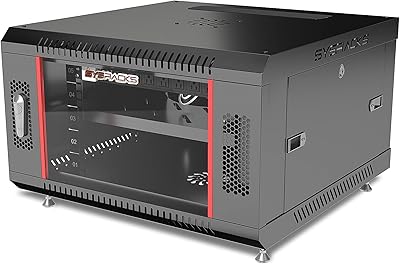
Sysracks SRW 6.600B 6U Wall Mount Server Rack
72%
83%
Build Quality
61%
Assembly Experience
86%
Value for Money
67%
Cooling Performance
58%
Fan Noise Level
More
NavePoint 25U 4-Post Server Rack
84%
88%
Setup Ease
91%
Weight Capacity
90%
Build Quality
85%
Adjustable Depth
70%
Stability Under Load
More
StarTech RK2236BKF 22U Server Rack Cabinet
79%
83%
Build Quality
91%
Depth Adjustability
88%
Assembly Experience
86%
Mobility & Casters
68%
Cooling Performance
More

FAQ

Most buyers with basic DIY comfort get through it in one to two hours using a standard Phillips-head screwdriver. The hardware is pre-sorted and the instructions cover the main steps, though a few buyers recommend watching a third-party walkthrough video for the door hinge section specifically. Having a second set of hands is helpful but not strictly required.

It depends on the server. The internal depth is 600mm, which works for many mid-depth devices, but full-length 2U servers from vendors like Dell or HP can push right up against the rear panel. If your server is over 550mm deep including cable connections, clearance becomes tight and rear airflow can suffer. Always check your equipment depth before committing.

Yes, they can be. The two built-in fans run at a fixed speed with no noise control option, and in a quiet room the hum is consistently noticeable. Multiple buyers specifically flag this in noise-sensitive environments. If you are building a bedroom home lab or placing this cabinet near a workstation, factor in the fan noise as a real consideration rather than a minor footnote.

It provides basic deterrence — it will stop casual access and keep curious hands out. The lock cylinder works reliably, but the hardware itself is lightweight and would not resist a determined attempt. For environments where physical security is genuinely important, this cabinet alone is not sufficient and should be paired with additional room-level access controls.

Without casters the cabinet stands at roughly 40 inches tall. With casters attached, it climbs to approximately 43 inches. That 3-inch difference matters if you are working with low ceilings, under-desk placement, or specific height clearance requirements, so it is worth measuring your space before assuming the footprint fits.

Yes, the shelves are not permanently fixed and can be left out during assembly or removed later if you need the additional U space. Many users start with the shelves installed for flexibility and remove one or more as their rack-mount equipment count grows. Just note that each shelf occupies rack units, so the tradeoff is real if you are planning a dense build.

It works well for light small business use — think networking closets housing switches, a firewall appliance, a NAS, and patch panels. Where it becomes a less confident recommendation is in environments with multiple high-TDP servers running continuously, heavy daily access requirements, or strict physical security standards. For those scenarios, a heavier commercial-grade cabinet is the more appropriate long-term investment.

No wall or floor anchoring is required under normal use. The steel frame is stable when loaded with typical networking gear and the casters lock to prevent unintended rolling. That said, if your setup is in an earthquake-prone area or the cabinet will be heavily loaded near its weight limit, anchoring it as a precaution is sensible.

The shelves are solid flat platforms designed for non-rack-mount items — things like cable modems, small UPS units, wireless access points, or spare hardware. They are not designed for heavy server equipment and should be treated as light-duty storage rather than structural load-bearing surfaces within the rack.

Yes. The door uses an L-shaped spring pin system specifically designed to allow hinge-side reversal, so you can switch between left-hand and right-hand swing to suit your room layout. It is worth deciding on your preferred orientation before final assembly to avoid disassembling the door mounting later, but the option to change it afterward is genuinely available.