Overview

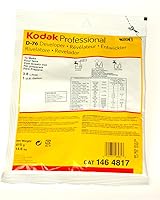
Kodak D-76 Black & White Film Developer 1 Gallon has been a darkroom fixture since long before most of today's analog revival photographers picked up their first roll of film. Unlike liquid concentrates, this developer comes as a powder you dissolve in water yourself — a minor extra step that pays off in longer unmixed shelf life and lower shipping weight. Once mixed, you have a full gallon of working solution ready for months of developing sessions. It isn't a boutique formula chasing exotic results; this darkroom staple is the all-purpose workhorse that professionals and hobbyists alike have trusted for decades, prized for doing its job reliably every single time.
Features & Benefits

The powder format is one of this developer's practical advantages: unmixed, it keeps well for a long time; once dissolved in water, the working solution stays usable for roughly six months in a sealed, dark container. Use it at stock strength for fine grain and shadow detail, or dilute it 1+1 with water for slightly more contrast and extended development times — useful when you want a bit more separation in your highlights. It handles everything from slow ISO 100 stocks up through pushed 3200, and because it's replenishable, you can top off a used batch and stretch a gallon considerably, making it genuinely cost-effective for anyone developing regularly.

Best For

This developer is a natural fit for home darkroom photographers who want one reliable formula they can use across different films without chasing separate developers for each stock. Photography students will appreciate how thoroughly documented it is — development times are published for nearly every film ever made, so there is no guesswork involved. If you shoot street or documentary work and push your film to 1600 or 3200 for low-light situations, the D-76 powder handles that without falling apart. It also suits the budget-conscious user well: mixing in bulk and replenishing batches keeps the per-roll cost low, which adds up meaningfully when you are running through several rolls a week.

User Feedback

Across hundreds of ratings, the dominant theme is consistency and predictability — photographers mention returning to this darkroom staple after trying other developers simply because it never surprises them. Films like Kodak Tri-X and Ilford HP5 get frequent praise for tight grain and clean shadow rendering when paired with it. That said, a handful of users note that mixing temperature matters more than the instructions imply; water that is too cold can cause the powder to clump or dissolve unevenly. Some prefer liquid developers purely for the convenience of pouring and measuring. But the most telling detail is how many reviewers mention using it for decades — that kind of long-term loyalty is hard to manufacture.

Pros

  • Consistent, repeatable results across a wide range of black-and-white film stocks.
  • Extensive published development times make it easy to use with almost any film.
  • Replenishment option lets you extend a mixed batch and reduce per-roll costs significantly.
  • Handles push processing up to ISO 3200 without producing objectionable grain.
  • Unmixed powder stores well for a long time, reducing waste for occasional users.
  • Fine grain and strong shadow detail make it excellent for medium-speed portrait or landscape films.
  • Both stock and 1+1 dilution options give you meaningful control over contrast and development time.
  • Ranked among the top sellers in darkroom chemicals, reflecting sustained real-world trust.
  • A full gallon yield makes it practical and economical for photographers developing multiple rolls weekly.
  • Has been a reliable industry standard since 2001 with no signs of discontinuation.

Cons

  • Mixing temperature is critical — water too cold causes clumping and uneven dissolution.
  • Once mixed, the working solution has a limited shelf life and requires careful sealed storage.
  • Requires preparation time before use, unlike liquid concentrates that are ready to pour immediately.
  • A full gallon yield may be excessive for photographers who only develop a few rolls per month.
  • Not ideal for those seeking extreme fine-grain results beyond a general-purpose formula.
  • Powder handling requires a bit more care and cleanup compared to pre-mixed liquid developers.
  • No built-in measuring convenience — users must track replenishment and usage manually.
  • Some batch-to-batch variation in dissolution behavior has been noted depending on water mineral content.

Ratings

Kodak D-76 Black & White Film Developer 1 Gallon earns its reputation across hundreds of verified buyer reviews worldwide — our AI scoring system analyzed that feedback while actively filtering out incentivized, bot-generated, and outlier submissions to surface what real darkroom photographers actually experience. The scores below reflect both what this darkroom staple consistently delivers and the friction points that genuine users encounter, with no strengths inflated and no pain points swept under the rug.

Result Consistency
94%
Photographers shooting roll after roll — whether Tri-X at box speed or HP5 pushed to 1600 — repeatedly describe getting the same predictable negatives each time. That reliability is especially valued by those who need to match results across a long-term project or a client shoot.
A small number of users report slight inconsistencies tied to water mineral content or agitation technique rather than the formula itself, suggesting the developer rewards careful process control more than some alternatives.
Film Compatibility
91%
Development times are published for virtually every black-and-white film stock on the market, making this developer unusually accessible across different shooting situations. From slow technical films to fast street stocks, the formula adapts without requiring a separate developer for each film type.
It is strictly a black-and-white negative developer, so photographers who also shoot color or slide film will need additional chemistry in their darkroom lineup regardless.
Value for Money
89%
The combination of a one-gallon yield and genuine replenishment capability means the cost per developed roll is among the lowest of any quality developer available. For photographers running through several rolls a week, the savings over liquid single-use options accumulate meaningfully over time.
Occasional buyers who develop only a few rolls per month may find that a mixed gallon degrades before they can use it fully, effectively reducing the value unless they invest in proper bottling and storage.
Grain & Tonal Quality
88%
Users consistently praise the fine, tight grain on medium-speed films, with shadow areas retaining detail that can be lost with more aggressive developers. Portraits and landscape negatives developed in this solution tend to scan and print cleanly with good tonal separation.
Photographers chasing ultra-fine grain results at high ISO settings may find the grain structure less refined than dedicated fine-grain formulas, particularly when pushing beyond 1600.
Ease of Mixing
71%
29%
For anyone comfortable with basic darkroom chemistry, the mixing process is straightforward — dissolve in warm water, let it cool, bottle it up. The instructions are clear and the formula is well-documented across decades of published guides.
Water temperature is more critical than the packaging implies; too cold and the powder clumps or dissolves unevenly, which frustrates newer darkroom users who are not yet familiar with this sensitivity. It is an extra step that liquid concentrates simply do not require.
Shelf Life (Unmixed)
87%
The dry powder format stores for a long time when kept in a sealed packet in a cool, dry environment — a meaningful advantage over liquid concentrates that begin oxidizing from the moment they are opened. This makes it practical to keep a backup packet on hand without worrying about spoilage.
Once opened, any remaining unmixed powder needs to be resealed carefully against humidity, and users in particularly damp climates have noted occasional clumping even in a sealed packet stored over several months.
Shelf Life (Mixed)
73%
27%
A properly stored mixed solution in a sealed, dark bottle holds up well for around six months, which is adequate for photographers developing at a steady pace throughout a season. Using smaller bottles filled to the brim minimizes oxidation significantly.
Six months sounds generous until you realize an occasional hobbyist mixing a full gallon at once may lose a portion of it to oxidation before it gets used, particularly without a collection of appropriate storage bottles.
Push Processing Performance
83%
Street photographers and documentary shooters who regularly rate their film at ISO 1600 or 3200 report that this developer handles those conditions reliably, with grain that is pronounced but not objectionable for most end uses. Extended time charts are widely available for common push increments.
At two or more stops of push, grain becomes noticeably coarser and highlight separation can compress, so photographers requiring very clean high-ISO results may want to explore developers specifically formulated for pushed film.
Dilution Flexibility
86%
Having the choice between stock and 1+1 dilution gives photographers a practical tool for adjusting contrast and development time without switching to a different product entirely. Many users develop a preferred dilution for specific film stocks over time, which adds a layer of personalization to an otherwise general-purpose formula.
The two main dilution options cover most needs but are not as granular as some alternative developers that support a wider range of working dilutions for more specialized tonal control.
Documentation & Support
93%
Few developers in history are as thoroughly documented as this one — time and temperature data for virtually every black-and-white film ever manufactured is available in printed guides, online databases, and community forums. This makes troubleshooting and experimentation far easier than with niche or newer formulas.
The wealth of available information can occasionally be contradictory when comparing older printed references to more recent community-sourced data, requiring users to cross-check sources for less common film stocks.
Replenishment Usability
74%
26%
For photographers who develop consistently and want to stretch a mixed batch across dozens of rolls, the replenishment system works well and is backed by published replenishment rates. It is one of the few general-purpose developers where this option is both practical and well-supported.
Managing replenishment adds bookkeeping — you need to track how many rolls have been processed and how much replenisher to add — which is more complexity than many casual home developers want to take on.
Packaging Practicality
77%
23%
The flat, lightweight powder packet is far easier to store before use than bottles of liquid chemistry, and it ships at low cost without the bulk or leak risk of pre-mixed solutions. Keeping a few packets on a shelf takes almost no space.
The packet itself gives little tactile indication of whether it has been exposed to moisture or humidity during storage or shipping, and a small number of buyers have received clumped powder that suggested compromised packaging.
Suitability for Beginners
81%
19%
The extensive published documentation and forgiving nature of the formula make this developer one of the most recommended starting points in analog photography education. Students in darkroom courses often use it as their primary developer precisely because it teaches good habits without punishing minor errors harshly.
The powder mixing requirement and temperature sensitivity add a small learning curve that ready-to-use liquid developers eliminate, meaning absolute beginners may experience a frustrating first session before they dial in their process.
Long-Term Reliability
96%
The loyalty data embedded in user reviews is striking — photographers mention using this developer continuously for ten, twenty, or even thirty years, which speaks to a consistency that goes well beyond any single batch or purchase. That kind of track record in a niche product category is genuinely rare.
There are no significant long-term reliability concerns with the formula itself; the primary risk remains user-side variables like storage conditions and mixing habits rather than any inherent instability in the product.

Suitable for:

Kodak D-76 Black & White Film Developer 1 Gallon is the right choice for anyone who develops black-and-white film regularly and wants a single, dependable formula they can count on roll after roll. Home darkroom photographers benefit the most, particularly those working with popular films like Tri-X or HP5, where this developer's fine-grain and shadow-detail characteristics really shine. Students in analog photography programs will find it especially approachable — development times are extensively documented across virtually every black-and-white film stock ever made, removing a lot of the guesswork that frustrates beginners. Photographers who push film for street, documentary, or low-light work will also get solid results without the formula falling apart at higher ISO settings. Anyone mixing chemicals in volume to keep per-roll costs manageable will appreciate both the powder format's storage efficiency and the replenishment option that stretches each batch further.

Not suitable for:

Kodak D-76 Black & White Film Developer 1 Gallon is not the best match for photographers who prioritize speed and minimal setup over everything else. If your darkroom sessions are occasional or infrequent, mixing a full gallon at once may produce more working solution than you can realistically use before oxidation degrades it, making a smaller liquid concentrate a more practical option. Photographers who shoot color film exclusively will find no use here, as this developer is strictly for black-and-white negatives. Those chasing ultra-fine grain beyond what a general-purpose developer offers — such as dedicated fine-grain formulas like Perceptol or Microdol-X — may find this developer a compromise rather than a destination. Similarly, anyone unwilling to deal with careful mixing temperatures and proper storage protocols after opening may find the experience frustrating compared to ready-to-use liquid alternatives.

Specifications

  • Format: Comes as a dry powder that must be dissolved in water before use, unlike ready-to-use liquid developers.
  • Yield: One packet mixes to produce one full gallon (approximately 3.8 liters) of working developer solution.
  • Manufacturer: Produced by Kodak, one of the longest-established names in photographic chemistry.
  • Model Number: Official item model number is 1464817, useful for reordering from professional photo suppliers.
  • Package Dimensions: The packet measures 9.6 x 7.1 x 0.3 inches, making it compact and easy to store before mixing.
  • Package Weight: The packaged product weighs 14.4 ounces, keeping shipping weight low compared to pre-mixed liquid alternatives.
  • Film Compatibility: Formulated exclusively for black-and-white negative films; it is not suitable for color film or reversal processes.
  • ISO Range: Supports normal processing for films rated ISO 100 through ISO 400, and push processing up to ISO 3200.
  • Dilution Options: Can be used at stock strength for finer grain or diluted 1+1 with water for increased contrast and longer development times.
  • Replenishment: The formula supports replenishment, meaning used solution can be topped off with fresh developer to extend the life of a mixed batch.
  • Mixed Shelf Life: Once dissolved, the working solution should be stored in a tightly sealed, opaque container and used within approximately six months.
  • Unmixed Shelf Life: The dry powder packet, kept sealed and stored in a cool dry place, maintains stability for considerably longer than a pre-mixed liquid.
  • Processing Type: Designed for both normal development at box speed and push processing when shooting in low-light conditions.
  • Application: Intended for general-purpose development of black-and-white negatives in a home or professional darkroom environment.
  • Category Rank: Holds a Best Sellers Rank of number 3 in Darkroom Chemicals on Amazon, reflecting broad and sustained adoption.
  • Average Rating: Carries a 4.6 out of 5 star average rating based on 329 customer ratings at time of listing.
  • Availability: Has not been discontinued by the manufacturer and has been continuously available since its Amazon listing date in October 2001.
  • Mixing Medium: Requires clean water — ideally distilled or low-mineral water — to avoid inconsistent dissolution caused by heavy mineral content.

Related Reviews
1-Shoppe All-in-Kit Hand/Body Wash White Tea & Coconut 1 Gallon
86%
92%
Scent Appeal
88%
Eco-Friendly Packaging
84%
Skin Sensitivity Compatibility
89%
Ease of Use (Dispensing)
91%
Value for Money
More
Kyabo Liquid African Black Soap 1 Gallon
87%
88%
Cleansing Effectiveness
92%
Skin Compatibility
85%
Moisturizing Properties
91%
Value for Money
78%
Scent/Fragrance
More
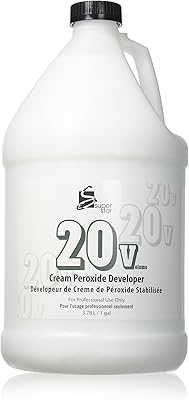
Super Star Stabilized Cream Peroxide Developer 20V, 1 Gallon
88%
94%
Application Precision
90%
Value for Money
88%
Product Longevity
91%
Ease of Use
89%
Consistency of Results
More
D-Lead Hand & Body Soap, Dye & Fragrance-Free, 1 Gallon
85%
88%
Effectiveness in Removing Contaminants
85%
Skin Compatibility
78%
Moisturizing Properties
91%
Value for Money
82%
Packaging & Dispensing
More
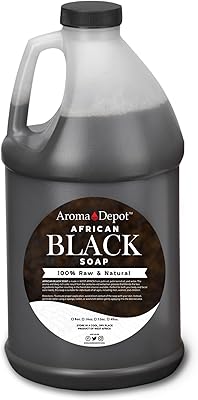
Aroma Depot Raw African Liquid Black Soap 1/2 Gallon
82%
88%
Effectiveness for Acne
85%
Skin Hydration
91%
Gentleness for Sensitive Skin
80%
Texture and Feel
82%
Exfoliation Performance
More
Ilford HP5 Plus Black and White Negative Film 35mm 100' Roll
86%
91%
Image Quality
85%
Flexibility in Lighting
92%
Value for Money
88%
Grain Quality
82%
Ease of Use
More
Ginger Lily Farms Botanicals 3-in-1 Shampoo, Conditioner & Body Wash 1 Gallon Refill
87%
91%
Value for Money
88%
Effectiveness for Sensitive Skin
85%
Texture and Feel
92%
Moisturizing Power
90%
Eco-Friendliness and Ethical Values
More
Velona Abyssinian Oil 1 Gallon
86%
88%
Hydration Effectiveness
93%
Skin Absorption Speed
85%
Hair Manageability Improvement
92%
Value for Money
89%
Versatility for DIY Beauty Blends
More
GoPro HERO13 Black Action Camera
78%
93%
Video Quality
91%
Stabilization
58%
Battery Life
61%
Thermal Management
88%
Build Quality & Durability
More
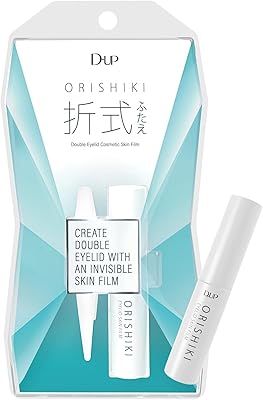
D-UP ORISHIKI Eyelid Skin Film
83%
89%
Effectiveness of Eyelid Lift
91%
Natural Look and Finish
85%
Ease of Application
88%
Longevity of Results
72%
Skin Sensitivity and Tolerance
More

FAQ

The key is water temperature — aim for around 125°F (52°C) when dissolving the powder, then let it cool before use. Stir slowly and thoroughly rather than shaking. If the water is too cold, the powder tends to clump and may not dissolve evenly, which can affect your results.

Once mixed, you can expect roughly six months of usable life if you store it properly — meaning a sealed, dark bottle with minimal air space. Oxidation is the enemy here, so smaller bottles filled to the brim work better than a large container with a lot of air at the top.

Yes, this darkroom staple handles push processing well. Photographers regularly push films like Tri-X or HP5 to ISO 1600 or 3200 using extended development times, and the results hold up with acceptable grain for most applications. Just use a published time-temperature chart as your starting point.

It simply means mixing one part developer with one part water — so 500ml of developer plus 500ml of water, for example. This dilution gives you slightly more contrast and longer development times, which some photographers prefer for finer tonal control. Stock solution (undiluted) generally produces slightly finer grain.

Absolutely — the formula works just as well for 120 medium format film as it does for 35mm. The development times may differ slightly depending on your tank and agitation method, but the same published time charts apply.

Replenishment means adding a small amount of fresh developer to your used solution after each batch to compensate for the chemistry that gets consumed. It extends the life of your mixed gallon considerably and makes sense if you develop frequently. For occasional users, it adds complexity that may not be worth the effort.

It can. High mineral content in tap water sometimes interferes with dissolution and can affect the developer's performance over time. Using distilled or filtered water is the safest approach, especially if you have noticed inconsistent results in the past.

Liquid developers like HC-110 are more convenient — you just measure and dilute, no mixing required. The D-76 powder requires an upfront mixing step, but it offers excellent all-purpose performance and is often more economical for photographers going through a lot of film. The choice really comes down to how much you value convenience versus cost and versatility.

No — this formula is designed specifically for film negatives, not photographic paper. Paper developers are formulated differently and work at different concentrations. Using a film developer on paper would produce unsatisfactory results.

If you only use part of the powder, seal the remainder tightly and keep it in a cool, dry place away from light and moisture. Exposure to humidity is the main risk, as it can cause the powder to partially react or clump before you get a chance to use it.

Where to Buy