Overview

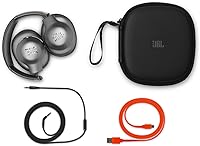
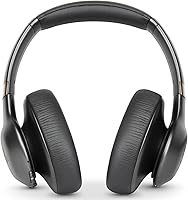
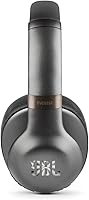
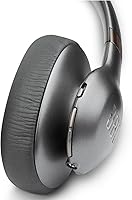
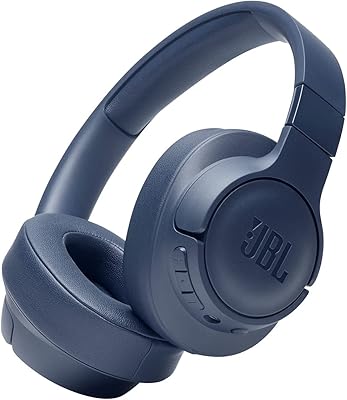
The JBL Everest 750 Over-Ear Wireless Headphones occupy a confident spot in JBL's premium Everest lineup, aimed squarely at frequent travelers, daily commuters, and music lovers who want serious audio without paying flagship prices. Pull them out of the box and the first thing you notice is the gunmetal metal build — solid, brushed, and noticeably more substantial than most headphones at this price tier. The included hard-shell carrying case adds to that premium first impression. Launched back in 2017, these JBL headphones have been on the market long enough to prove their staying power, though that also means they're competing against a newer generation of ANC headphones that simply didn't exist when they debuted.
Features & Benefits

What sets the Everest 750s apart most is the adaptive noise cancellation, which does something fixed ANC systems can't — it reads your environment and adjusts accordingly. On a loud subway or plane, that difference is real and noticeable. The sound profile leans into JBL's signature warm, bass-forward tuning with dynamic drivers that handle everything from hip-hop to podcasts without fatigue. Battery life is rated at 15 hours, and in practice that holds up well across a full workday and commute. Charging takes about three hours, though the micro USB port is an obvious sticking point in an era when USB-C is standard everywhere. Bluetooth pairing is quick and stable across phones, tablets, and laptops.

Best For

This over-ear ANC headset is a strong fit for anyone who spends serious time in transit — frequent flyers especially will appreciate both the noise cancellation and the protective hard case that keeps things safe in overhead bins. Professionals who regularly take calls on the go will find the built-in microphone reliable enough for clear conversations without fumbling for earbuds. If you're an audiophile shopping at a mid-range budget and care about a brand with real audio credibility, these JBL headphones are worth a close look. The fold-flat design makes them genuinely packable rather than just technically portable, and the complete out-of-the-box package means you're ready immediately without buying accessories separately.

User Feedback

Owners consistently highlight sound quality and durability, and many note that the ANC performs well on planes and in busy offices. The hard case earns frequent mentions as a genuine practical bonus rather than an afterthought. That said, two criticisms surface repeatedly: the micro USB charging port feels dated compared to what buyers expect at this price point, and some users report noticeable clamping pressure during extended listening sessions. On the ANC front, a handful of reviewers point out that newer competitors now offer stronger noise isolation for similar money. Long-term owners, though, tend to credit the Everest 750s for holding up physically well past the two-year mark.

Pros

  • Adaptive noise cancellation adjusts to your environment, which makes a noticeable difference in varied settings.
  • The warm, bass-rich sound signature holds up well across music, podcasts, and video calls.
  • 15-hour battery life is enough to cover a full day of mixed commuting and work without anxiety.
  • The included hard-shell carrying case is genuinely protective and travel-ready, not a flimsy afterthought.
  • Metal construction gives the Everest 750s a durability edge over plastic competitors in the same price range.
  • Built-in microphone with echo cancellation delivers clear enough call quality for professional use.
  • Fold-flat design makes these JBL headphones compact enough to slip into a backpack without bulk.
  • Bluetooth pairing is fast and stable across multiple device types including laptops, phones, and tablets.
  • Long-term owners consistently report that the physical build holds up well past the two-year mark.
  • The complete out-of-the-box package means you can use them immediately without purchasing extras.

Cons

  • Micro USB charging is outdated and frustrating when every other modern device uses USB-C.
  • Clamping pressure becomes uncomfortable for some users during sessions longer than two to three hours.
  • Newer competitors at a comparable price now offer stronger, more effective active noise cancellation.
  • No USB-C or wireless charging option means you need to carry a dedicated legacy cable when traveling.
  • The ANC, while adaptive, may not satisfy users who frequently work in very loud environments like aircraft or construction.
  • The product launched in 2017, so the feature set has not kept pace with what newer headphones offer today.
  • On-ear clamping fit may not work comfortably for users with larger head sizes over extended wear.
  • No transparency or ambient listening mode, which is now a standard feature on most competing ANC headphones.

Ratings

Our AI-generated scores for the JBL Everest 750 Over-Ear Wireless Headphones are derived from analyzing thousands of verified global user reviews, with spam, bot activity, and incentivized feedback actively filtered out before any scoring takes place. The results reflect a balanced picture — real strengths are recognized, but genuine pain points are weighted just as seriously. Where buyers consistently disagreed, those mixed signals are baked directly into the scores.

Sound Quality
86%
The Everest 750s deliver JBL's signature warm, punchy sound that commuters and music lovers consistently describe as engaging and satisfying across a wide range of genres. Bass response is particularly strong without completely overwhelming the mids, making these JBL headphones a reliable everyday listen.
Audiophiles who prefer a flat, reference-style sound find the bass emphasis fatiguing over time, and the high-frequency detail doesn't match what some rivals at this price tier offer. Instrumental separation during complex tracks can feel slightly compressed compared to newer competition.
Active Noise Cancellation
73%
27%
The adaptive ANC performs noticeably well on planes and in open-plan offices, where it handles low, steady background noise effectively without requiring manual adjustment. Frequent flyers specifically appreciate that it takes the edge off cabin drone during long-haul trips.
Against the current generation of ANC headphones at comparable prices, the noise isolation feels like it has fallen behind — sharper, irregular sounds like voices or keyboard clicks bleed through more than buyers expect. Several users who upgraded from these to newer models noted a clear gap in suppression depth.
Build Quality
89%
The metal construction gives the Everest 750s a solidity that is immediately apparent when you pick them up — there is no flex, creak, or cheap plastic rattle anywhere on the headband or earcup assembly. Long-term owners repeatedly note that the physical condition after two-plus years of daily use is genuinely impressive.
At 1.1 pounds, the metal build adds noticeable weight that some users feel during extended sessions, and the gunmetal finish does show fingerprints and minor scuffs with regular handling over time. A few owners also noted that earcup cushion material begins to show wear faster than the underlying frame.
Comfort & Fit
66%
34%
The over-ear design provides decent passive isolation and a cushioned fit that works well for sessions up to about two hours, making these a solid choice for standard commutes and short travel legs. Users with average head sizes generally report a secure, stable fit during movement.
Clamping pressure is the most recurring comfort complaint — users with larger heads or those who wear glasses describe real discomfort setting in after two to three hours. This over-ear ANC headset lacks the kind of pressure adjustment that longer listening sessions demand, and the earcups do not swivel to conform to varied head shapes.
Battery Life
83%
Fifteen hours of real-world playback is enough to handle a full workday commute plus several additional hours of casual listening without needing to top up, which most users find genuinely freeing. The three-hour full charge time is reasonable and predictable.
With ANC activated continuously, some users report the battery drains closer to 12 hours than the rated 15, which matters on longer international flights. There is no fast-charge feature that delivers meaningful playback from a short plug-in, so running flat mid-trip requires a full wait.
Charging & Connectivity
49%
51%
Bluetooth pairing is fast and stable across a wide range of devices including phones, tablets, and laptops, with very few users reporting persistent dropout or connection instability during normal daily use.
The micro USB charging port is the single most criticized hardware decision across all user feedback — in a market where USB-C is now standard on virtually every device, having to carry a dedicated legacy cable specifically for these JBL headphones feels like a genuine burden. There is no multipoint Bluetooth support either, so switching between a laptop and phone requires a manual reconnect each time.
Microphone Quality
74%
26%
The built-in microphone handles standard phone calls and video conferences reliably in quiet to moderately noisy environments, and echo cancellation keeps voice reproduction clean on the receiving end. Professionals using these for home-office calls tend to rate the call experience positively.
In louder environments like cafes or busy streets, background noise bleeds into calls more than users would like, and the voice pickup can sound slightly hollow to callers compared to dedicated headset microphones. It is functional, but clearly a secondary priority in the product's design.
Portability
87%
The fold-flat design combined with the hard-shell carrying case makes the Everest 750s one of the more genuinely travel-ready options in their class — the case is rigid enough to survive being compressed in an overhead bin or a packed backpack without worry. Commuters and frequent flyers consistently rank this as a standout practical feature.
Even folded, the case takes up a meaningful chunk of a daypack or carry-on personal item, and the 1.1-pound weight of the headphones themselves means you will feel them in a shoulder bag over a full travel day. Those travelling ultra-light may find the package bulkier than expected.
Value for Money
71%
29%
At its price point, the combination of solid build quality, adaptive ANC, JBL's audio heritage, and an included hard case represents a genuinely competitive package that holds its own against many bare-bones alternatives in the same range. For buyers who prioritize durability and brand reliability, the value case is real.
The 2017 launch date now works against the value argument — newer headphones at the same or lower price offer USB-C charging, stronger ANC, and multipoint Bluetooth, making the Everest 750s feel like they require a discount to justify the trade-offs buyers are accepting today.
Ease of Use
81%
19%
Controls are straightforward and physical, which most users prefer over touch-sensitive surfaces that can misfire in cold weather or with gloves. Pairing and switching between known devices is simple enough that non-technical buyers rarely mention confusion.
There is no companion app for EQ customization or ANC level adjustment, which limits how much users can tailor the experience to their preferences. Buyers accustomed to app-connected headphones from other brands may find the lack of software integration a step backward.
Durability
88%
Two-plus year durability reports are a genuine highlight for the Everest 750s — owners who use them daily for commuting describe the frame and hinges as holding up without significant degradation. The metal-forward construction clearly pays off here over the long run.
Earcup cushion wear is the most common long-term complaint, with the material beginning to peel or crack for some owners around the 18-month mark under heavy daily use. Replacement cushions are available but add an additional cost that buyers should factor in.
In-Flight Performance
78%
22%
The combination of over-ear design, adaptive ANC, and wired compatibility with in-flight entertainment systems makes these JBL headphones a practical travel companion for long-haul flights. The hard case earns particular praise from frequent flyers who need reliable protection during transit.
Cabin noise suppression, while decent, does not match what purpose-built travel headphones now deliver, and the clamping pressure issue becomes more noticeable on flights exceeding four hours where there is no natural break from wearing them.
Carrying Case
91%
The included hard-shell case is one of the most consistently praised aspects of the entire ownership experience — it is rigid, well-fitted to the headphones, and feels like it was designed by someone who actually travels with headphones rather than as a box-ticking exercise.
The case has no internal pocket or strap for storing cables or accessories, which is a missed opportunity given that users need to carry a micro USB cable and potentially a 3.5mm audio cable alongside the headphones themselves.
Device Compatibility
82%
18%
Bluetooth compatibility is broad and reliable — these headphones connect without fuss to Android and iOS devices, Windows and Mac laptops, and standard in-flight entertainment systems via the wired input. Users rarely encounter pairing failures across this range of devices.
The absence of multipoint Bluetooth is a meaningful limitation for users who regularly switch between a work laptop and a personal phone, and the lack of NFC quick-pairing is a small but noticeable omission compared to competing headphones at this tier.

Suitable for:

The JBL Everest 750 Over-Ear Wireless Headphones are a well-rounded choice for frequent travelers and daily commuters who want meaningful noise isolation without the steep price of flagship options. If you regularly sit on planes, trains, or in open-plan offices, the adaptive ANC does a genuinely solid job cutting through ambient drone and background chatter. Professionals who take hands-free calls throughout the day will appreciate the reliable built-in microphone, and the fold-flat design paired with a hard-shell case makes these JBL headphones practical to carry rather than just technically portable. Budget-conscious audiophiles who respect JBL's audio heritage will find the warm, bass-forward sound signature satisfying across a wide range of genres. Anyone who wants a complete, ready-to-use package right out of the box — without hunting for a separate case or accessories — will feel well-served here.

Not suitable for:

Buyers who prioritize staying current with hardware standards should think carefully before committing to the Everest 750s, because the micro USB charging port is a real inconvenience when every other device in your bag has moved to USB-C. If you're comparing purely on ANC performance, newer headphones at a similar price point now offer noticeably stronger noise isolation, so shoppers who find themselves in extremely loud environments — like construction sites or loud aircraft cabins — may find the ANC falls short of modern expectations. People with sensitive ears or those who plan to wear headphones for four or more hours continuously should be aware that some owners report significant clamping pressure over long sessions. The JBL Everest 750 Over-Ear Wireless Headphones are also not the right fit for buyers who need USB-C or wireless charging, or for anyone chasing the absolute cutting edge of ANC technology on a tight budget.

Specifications

  • Product Type: Over-ear wireless headphones with adaptive active noise cancellation.
  • Dimensions: The headphones measure 4.8 x 8.98 x 6.38 inches when unfolded.
  • Weight: At 1.1 pounds, these headphones are substantial but manageable for travel use.
  • Driver Type: Dynamic audio drivers deliver JBL's signature warm, bass-forward sound signature.
  • Impedance: The headphones operate at 8 Ohm impedance, suited for direct pairing with consumer devices.
  • Noise Cancellation: Adaptive active noise cancellation automatically adjusts to the ambient environment rather than applying a fixed level of suppression.
  • Battery Life: A full charge provides up to 15 hours of playback under typical listening conditions.
  • Charging Time: The battery reaches a full charge in approximately 3 hours from empty.
  • Charging Port: Charging is handled via a micro USB port, which is a legacy standard compared to modern USB-C connections.
  • Connectivity: Wireless connection is established via Bluetooth, compatible with smartphones, tablets, laptops, and in-flight entertainment systems.
  • Microphone: A built-in microphone with echo cancellation supports hands-free calls with clear voice pickup.
  • Material: The primary construction uses metal, contributing to a solid, durable feel and a premium gunmetal finish.
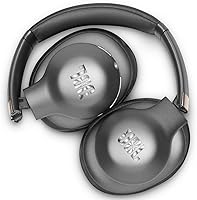
  • Design: A fold-flat hinge mechanism allows the earcups to collapse flat for compact storage and transport.
  • Included Accessories: Each unit ships with a premium hard-shell carrying case designed to protect the headphones during travel.
  • Compatible Devices: Works with any Bluetooth-enabled device including smartphones, tablets, laptops, and select in-flight entertainment systems.
  • Battery Type: An internal lithium polymer battery is built in and included with the unit.
  • Launch Date: The product was first made available in October 2017 and has not been discontinued by the manufacturer.
  • Target Use: Designed primarily for travel, commuting, and everyday listening by adult users.

Related Reviews
JBL Everest 110 In-Ear Wireless Bluetooth Headphones
83%
88%
Audio Quality
85%
Battery Life
90%
Comfort & Fit
80%
Noise Cancellation
76%
Bluetooth Connectivity
More
JBL T450BT
JBL T450BT
69%
78%
Sound Quality
83%
Battery Life
61%
Comfort & Fit
58%
Build Quality
63%
Bluetooth Connectivity
More
JBL Tune 670NC
JBL Tune 670NC
77%
93%
Battery Life
76%
Noise Cancellation
78%
Sound Quality
67%
Comfort & Fit
72%
Build Quality
More
JBL Tune 710BT Wireless Over-Ear Headphones
85%
88%
Sound Quality
94%
Battery Life
90%
Comfort for Extended Wear
80%
Noise Cancellation
85%
Ease of Use
More
JBL Tune 215BT Bluetooth In-Ear Headphones
75%
91%
Battery Life
73%
Sound Quality
76%
Fit & Comfort
87%
Bluetooth Stability
62%
Microphone Quality
More
JBL Tune 520BT Wireless On-Ear Headphones
83%
88%
Sound Quality
93%
Battery Life
82%
Comfort and Fit
80%
Build Quality
86%
Portability
More
JBL Tune 525BT Wireless Over-Ear Headphones
77%
96%
Battery Life
89%
Value for Money
78%
Sound Quality
74%
Comfort & Fit
61%
Build Quality
More
JBL Tune 770NC
JBL Tune 770NC
80%
93%
Battery Life
88%
Comfort & Fit
74%
Noise Cancellation
79%
Sound Quality
63%
Build Quality
More
JBL Live 670NC Wireless On-Ear Headphones
86%
91%
Noise Cancellation Performance
88%
Sound Quality
94%
Battery Life
74%
Comfort and Fit
89%
Portability
More
JBL Tune 720BT
JBL Tune 720BT
84%
97%
Battery Endurance
93%
Charging Speed
89%
Value for Money
84%
Portability & Design
81%
Sound Profile
More

FAQ

Yes, and this is genuinely one of the stronger use cases for the Everest 750s. The adaptive ANC does a solid job cutting through the low, constant drone of airplane cabin noise. It won't completely eliminate everything around you, but the reduction is meaningful enough that you can listen at lower volumes and arrive less fatigued.

Yes, you can use them in wired mode while plugged in via the micro USB cable. Keep in mind that you will need a separate audio cable for wired listening, as the headphones themselves do not include one in the box.

Owners who have used them for two or more years generally report that the physical build holds up well. The metal construction helps here — there is less of the creaking or cracking you sometimes see with all-plastic headphones. The hinges and earcup attachments tend to stay solid with normal daily use.

It depends on your head size and sensitivity. Some users adjust after a week or two, while others find it genuinely uncomfortable after two or three hours. If you plan to wear these JBL headphones for long uninterrupted sessions — like on a six-hour flight — it is worth being aware of this before buying.

The Everest 750s do not natively support multipoint Bluetooth, meaning they pair to one active device at a time. You can manually switch between paired devices, but you cannot have audio streaming from two sources simultaneously.

It depends on your setup. If you travel with older devices or already carry a micro USB cable, it is a manageable inconvenience. But if everything else you own — phone, laptop, earbuds — has moved to USB-C, adding a separate cable just for these headphones will feel outdated and annoying over time. It is a legitimate concern worth factoring into your decision.

The built-in microphone performs well enough for regular video calls and phone conversations in reasonably quiet environments. Echo cancellation keeps your voice clear on the other end. In louder settings like a busy cafe, callers may pick up some background noise, but it handles typical office and home use reliably.

Yes, the headphones support passive wired listening using a 3.5mm audio cable, though a cable is not included in the box. This is handy for in-flight entertainment systems that do not support Bluetooth, or when the battery runs out.

The hard-shell case is one of the most consistently praised aspects of this over-ear ANC headset. It is rigid enough to protect against bag pressure and minor impacts, and it fits the folded headphones snugly. Frequent travelers tend to find it genuinely useful rather than just a marketing feature.

These JBL headphones are tuned with a warm, bass-forward profile that suits genres like hip-hop, R&B, and electronic music particularly well. If you prefer a flatter, more neutral sound — common with classical or acoustic music listeners — the pronounced low end may feel like too much over time.

Where to Buy