Overview

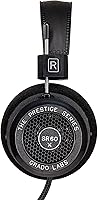
The Grado SR60x is Grado's entry point into their Prestige Series — a line of hand-assembled headphones built in Brooklyn for over seventy years. At this accessible price, you're getting a genuinely pedigreed open-back, wired design that punches well above what most consumer headphones offer. It sits below the SR80x, SR125x, and SR225x in the lineup, making it the most affordable way into the Grado sound. Competitors from Sennheiser and Audio-Technica exist at similar prices, but few carry the same legacy or sonic character. For anyone taking their first real step toward high-fidelity listening, this set is a credible starting point.

Features & Benefits

The 44mm dynamic drivers inside these Grado headphones are tuned to bring out midrange detail with real clarity — vocals sit forward in the mix, and acoustic instruments have a texture to them that closed-back headphones often smooth over. The open-back construction gives the soundstage a natural width that genuinely surprises at this price tier. At just 6.7 ounces, the headphones sit lightly on the head, and the updated cushioning over the previous e-generation makes longer sessions more comfortable. The 38-ohm impedance means you can drive them straight from a phone or laptop without an amplifier, though a basic DAC/amp will unlock noticeably more detail.

Best For

This open-back set is best suited to home listening — someone settled in at a desk or a dedicated chair, not commuting or sharing a workspace. The open design leaks sound freely, which rules it out for offices and public spaces. It excels with vocal-forward music: jazz, folk, acoustic, and classical recordings come alive in a way that can genuinely catch you off guard. Students doing ear training or casual reference monitoring will also find it useful. And if you're stepping up from consumer-grade headphones for the first time, these Grado headphones offer a meaningful jump in sonic honesty without requiring flagship money.

User Feedback

Owners consistently highlight the detailed midrange as the standout quality — particularly how natural voices and guitars sound compared to similarly priced alternatives. The foam ear pads arrive fairly firm and can take time to soften, which is a minor but common complaint. More practically, the non-detachable cable is a real limitation: if it fails, your repair options are limited. The retro, utilitarian aesthetic draws mixed reactions — some find it charming, others think it looks dated for the price. And since this is an open-back design, sound bleeds in both directions. Commuters and office workers flag this as a dealbreaker; home listeners rarely mind.

Pros

  • The midrange clarity on vocals and acoustic instruments is genuinely exceptional for the price.
  • Open-back soundstage feels natural and spacious in a way closed-back alternatives cannot replicate.
  • At 6.7 oz, these Grado headphones sit lightly on the head during long listening sessions.
  • Plugs straight into a phone or laptop — no amplifier required to hear what they can do.
  • Hand-assembled construction in Brooklyn gives the hardware a mechanical solidity that holds up over years.
  • The 6.3mm adapter is included, making it easy to connect to home audio or studio equipment.
  • Tonal honesty flatters well-recorded music and makes it easier to hear mix details clearly.
  • Buyers consistently report strong value relative to the brand heritage and sonic performance delivered.

Cons

  • The non-detachable cable is a real long-term risk — a fault means repair hassle, not a quick fix.
  • Foam ear pads ship quite firm and can take weeks of regular use to soften to a comfortable feel.
  • Zero noise isolation makes this open-back set completely impractical for offices or commuting.
  • The retro, utilitarian aesthetic looks dated to buyers expecting a more contemporary finish at this price.
  • Bass rolls off noticeably on bass-heavy genres, leaving low-end detail feeling thin and underwhelming.
  • No carrying case is included, adding friction for anyone who needs to transport them occasionally.
  • Bright recordings can edge toward listener fatigue over longer sessions due to the forward upper-mids.
  • Upgrading to a basic DAC or amp improves performance meaningfully — an unspoken extra cost for some buyers.

Ratings

The Grado SR60x has been scored by our AI system after analyzing thousands of verified buyer reviews from global marketplaces, with spam, bot activity, and incentivized feedback actively filtered out. The scores below reflect a clear-eyed picture of where these headphones genuinely excel and where real buyers have run into frustration. Both sides of the ownership experience are represented here, so you can make an informed call before committing.

Sound Quality
91%
Buyers consistently describe the midrange as unusually transparent for the price — vocals on jazz and folk recordings feel immediate and textured in a way that genuinely separates this set from consumer headphones. Acoustic guitar, piano, and strings benefit most, with a clarity that audiophile newcomers often find revelatory.
Bass is controlled rather than full-bodied, which disappoints listeners who enjoy hip-hop or EDM. A handful of reviewers also find the upper-mids slightly forward, which can make bright recordings feel a little fatiguing over extended sessions.
Soundstage & Imaging
88%
The open-back design creates a sense of space that closed-back alternatives at this price simply cannot replicate. Listeners describe instruments as occupying distinct positions in the mix, which makes orchestral and live recordings feel genuinely three-dimensional.
Imaging precision, while good for the price, does not rival higher-end open-back sets. Some users note that the soundstage, though wide, can feel slightly diffuse on complex, densely produced tracks.
Comfort & Fit
72%
28%
At 6.7 ounces the headphones sit very lightly on the head, which helps during two- or three-hour listening sessions at a desk. The updated headband padding in the x-series is a noticeable improvement over the older e-generation, and most buyers settle into a comfortable fit within a few days.
The foam ear pads ship quite firm and press against the ears rather than fully enveloping them. Several buyers mention needing a couple of weeks of regular use before the pads soften enough to feel genuinely comfortable, and those with larger ears flag persistent pressure points.
Build Quality
74%
26%
The construction is sturdy in a no-frills way — the headband flexes without feeling fragile, and the cups have a solidity to them that holds up to daily home use over years. Grado's Brooklyn assembly heritage gives the hardware a mechanical confidence that mass-produced alternatives lack.
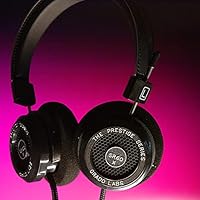
The aesthetic is polarizing; the retro plastic-and-metal look strikes some buyers as charmingly old-school and others as simply dated for the price. There are no premium materials on show, and the overall finish does not convey the same perceived quality as competitors with glossier industrial design.
Cable Quality
58%
42%
The 4-conductor cable feels reasonably robust and includes a 6.3mm adapter, which is handy for connecting to home audio equipment or a dedicated headphone amplifier without buying a separate adapter. The gold-plated 3.5mm plug makes a solid connection with minimal signal loss.
The cable is non-detachable, which is a meaningful long-term risk — if it fails at the connector or develops an internal fault, the repair options are limited and awkward. A number of buyers specifically flag this as the single design choice they would change, particularly given that similarly priced competitors have moved to detachable cables.
Value for Money
89%
For a hand-assembled headphone from a brand with genuine audiophile credentials, the price-to-performance ratio is hard to argue with. Buyers who have owned Sennheiser or Audio-Technica headphones at similar prices consistently describe the Grado sound as a step up in tonal honesty and midrange resolution.
The lack of a carrying case, the non-detachable cable, and the basic ear pads mean you are paying almost entirely for sonic performance rather than the full ownership package. If lifestyle features — portability, noise isolation, premium accessories — matter to you, there are more rounded options at a comparable spend.
Noise Isolation
21%
79%
Sound leakage in both directions is actually a deliberate feature for home-based critical listening — it keeps the sound feeling open and natural rather than enclosed, which is exactly what the target buyer wants when listening alone at a desk.
These headphones offer essentially zero passive isolation. Sound leaks out clearly enough to disturb anyone nearby, and ambient noise bleeds in freely. Office workers, commuters, and anyone in a shared space have flagged this as a hard dealbreaker, and it genuinely is.
Ease of Driving
86%
The 38-ohm impedance means a phone, laptop, or tablet can drive these headphones to a satisfying volume without any additional equipment. This makes the entry barrier low for buyers who are not yet invested in a dedicated DAC or amplifier.
While they work without an amplifier, buyers with a basic headphone amp consistently report a noticeable improvement in dynamics and low-end control. Out of a phone they are good; out of even a budget DAC/amp they are meaningfully better, which some buyers feel implies an unspoken extra cost.
Portability
19%
81%
The lightweight build means the headphones are at least physically easy to carry if needed, and the included 3.5mm connector is universally compatible with standard audio devices.
There is no carrying case, the open-back design makes them impractical in any public setting, and the non-detachable cable adds to the awkwardness of transport. These are unambiguously home-only headphones, and buyers who bought them expecting any flexibility on that front were consistently disappointed.
Midrange Performance
93%
This is widely cited as the headphone's defining strength. Vocal recordings — particularly singer-songwriter, jazz, and classical — have an intimacy and presence that buyers describe as the closest thing to hearing a performance live. The midrange does not feel colored or artificially boosted; it simply gets out of the way of the music.
The same forward midrange that flatters acoustic music can make certain genres sound thin or overly exposed. Electronic music, cinematic scores with heavy low-end, and densely produced pop tracks lose some of their impact when the mid-focused tuning is not a natural fit.
Bass Response
63%
37%
Bass is accurate and well-controlled rather than exaggerated, which suits critical listening and reference monitoring well. Buyers who want honest low-end reproduction without artificial boost find this tuning satisfying and informative.
Anyone expecting a punchy or full-bodied low end will be underwhelmed. The bass rolls off noticeably on bass-heavy music, and buyers coming from consumer headphones with enhanced low frequencies often describe the low end as thin or lacking body during the adjustment period.
High-Frequency Extension
81%
19%
Highs are detailed and extended without sounding harsh on well-mastered recordings. Cymbal detail, acoustic string overtones, and breathy vocal textures all come through with a clarity that helps the headphones feel genuinely high-fidelity.
On poorly mastered or compressed audio sources, the high-frequency detail can edge toward brightness, with some listeners flagging occasional sibilance on certain vocal recordings. The effect is not severe, but it is noticeable enough that a handful of buyers with sensitivity to bright headphones have mentioned it.
Aesthetic & Design
66%
34%
The vintage industrial look has its admirers — buyers who appreciate audio heritage find the honest, utilitarian design a refreshing contrast to the plastic-premium aesthetic of mainstream brands. It reads as functional and purposeful rather than fashion-forward.
Opinion is genuinely divided. A meaningful share of buyers expected a more contemporary or polished appearance at this price and describe the look as dated or cheap on first impression. The foam pads in particular draw criticism for looking and feeling like an older era of headphone design.
Long-Term Durability
71%
29%
The physical hardware — drivers, headband, cups — is generally well-regarded for holding up over years of home use. Buyers who have owned Grado headphones for three or more years tend to report consistent sound performance with minimal degradation.
The non-detachable cable remains the primary long-term liability. Cable failures at the plug or along the strain relief are a known weak point across the Prestige Series, and without an easy replacement option, a cable fault can effectively end the headphone's usable life prematurely.

Suitable for:

The Grado SR60x is built for the kind of listener who sits down at home, puts on a record or a carefully curated playlist, and actually pays attention to what they are hearing. If your primary genres are jazz, folk, acoustic, or classical — anything where vocals, acoustic instruments, and fine textural detail matter — this open-back set will reward you in ways that consumer-grade headphones simply cannot. Audiophile beginners who are tired of the boomy, artificially colored sound of mainstream brands will find the honest, midrange-forward tuning a genuine revelation. Students doing ear training, home studio hobbyists checking mixes informally, and anyone who spends long evenings listening at a desk will also get real value here. The low impedance means you can plug straight into a phone or laptop without extra equipment, which keeps the barrier to entry low while still delivering a notably more refined experience.

Not suitable for:

Anyone who needs their headphones to travel with them, block out ambient noise, or stay quiet in a shared space should look elsewhere — the open-back design on the Grado SR60x leaks sound freely in both directions, making it genuinely unsuitable for offices, public transport, libraries, or any shared environment. Bass-heavy music lovers will also find the tuning underwhelming; this is a controlled, honest low end, not a punchy or full-bodied one, so hip-hop, EDM, and cinematic scores lose much of their impact. The non-detachable cable is a practical concern for buyers who want a long-term relationship with their gear — a cable fault means a difficult repair, not a simple swap. Those who expect a modern, premium aesthetic from a headphone at this price may be put off by the utilitarian, retro design. And if you need a portable, all-purpose set that can move between home, commute, and gym, these headphones are the wrong tool entirely.

Specifications

  • Driver Type: 44mm dynamic drivers tuned for rich midrange presence, extended high-frequency detail, and controlled bass response.
  • Impedance: 38 ohms, low enough to be driven directly from a smartphone, laptop, or tablet without a dedicated amplifier.
  • Frequency Response: Rated from 18 Hz to 24,000 Hz, covering the full audible spectrum with headroom above standard CD-quality reproduction.
  • Weight: Approximately 6.7 oz (190g), making these one of the lighter over-ear headphones available at this price tier.
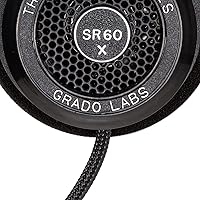
  • Cable: Non-detachable 4-conductor cable terminated with a gold-plated 3.5mm plug; a 6.3mm screw-on adapter is included.
  • Design Type: Open-back, over-ear design that allows air and sound to pass through the rear of the cups for a natural, spacious soundstage.
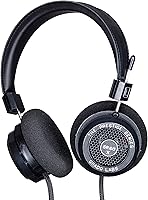
  • Ear Pads: Synthetic foam ear pads that sit on the ears rather than around them; pads are replaceable but ship firm and require a break-in period.
  • Headband: Adjustable padded headband updated in the x-series generation with improved cushioning over the previous SR60e model.
  • Noise Isolation: No passive or active noise isolation; the open-back architecture allows ambient sound to pass freely in both directions.
  • Connector: 3.5mm gold-plated stereo plug with a threaded 6.3mm adapter included for use with home audio receivers and headphone amplifiers.
  • Assembly: Hand-assembled at Grado Labs in Brooklyn, New York, continuing a manufacturing tradition the company has maintained since 1953.
  • Wireless: Wired only; no Bluetooth or wireless connectivity of any kind is supported.
  • Compatible Devices: Works with any device featuring a standard 3.5mm headphone jack, including laptops, desktops, smartphones, tablets, and smart speakers.
  • Generation: Part of the x-series refresh, succeeding the SR60e with driver and cushioning improvements while retaining the same core form factor.
  • Ear Placement: On-ear form factor with cups that rest against the outer ear rather than fully enclosing it.
  • Package Contents: Headphones and a 6.3mm adapter are included; no carrying case, storage pouch, or additional accessories are provided.
  • Water Resistance: Not water resistant; these headphones are intended exclusively for indoor, stationary use and should be kept away from moisture.

Related Reviews
Grado Hemp Headphones
84%
95%
Sound Quality
90%
Build Quality
88%
Comfort
84%
Design and Aesthetics
85%
Value for Money
More

FAQ

Yes, and they work reasonably well straight out of a phone or laptop. The 38-ohm impedance is low enough that most devices can drive them to a comfortable listening volume. That said, if you ever connect them to even a basic DAC or headphone amplifier, you will notice a clear improvement in dynamics and low-end control — so while an amp is not required, it is worth considering down the road.

They do, but it takes a little patience. The foam pads ship quite firm and press against your ears more than you might expect initially. Most owners find that after two to four weeks of regular use, the foam softens noticeably and the fit becomes more comfortable. If you find them too firm out of the box, aftermarket foam or L-cushion pads from Grado are a popular upgrade.

Unfortunately, no — the cable on this open-back set is non-detachable, which is one of the more common complaints from long-term owners. If the cable develops a fault, your options are limited to a DIY repair or sending it to a specialist. It is worth handling the cable carefully, particularly at the plug end where stress fractures tend to develop first.

It is significant. Anyone sitting within a few feet of you will be able to hear your music clearly, and ambient noise from your environment will bleed into your listening experience just as freely. This is by design — open-back headphones trade isolation for a more natural, spacious sound. For home use in a private room, this is rarely a problem; for offices, libraries, or public transport, it is a hard dealbreaker.

If you primarily listen at home and care about sound quality, the jump is genuinely meaningful. The midrange clarity and open soundstage are a real step up from mainstream consumer headphones that often color the sound with boosted bass and compressed dynamics. The difference is most obvious on acoustic music, vocals, and anything recorded with real instruments.

The SR80x sits one step up in the Prestige Series and uses slightly different driver voicing that many listeners describe as having a bit more energy and refinement in the upper frequencies. The sonic gap is real but not dramatic. If budget is a consideration, these Grado headphones represent the stronger value proposition; if you can stretch comfortably, the SR80x is a worthwhile step up.

Any device with a standard 3.5mm headphone jack will work fine. The included adapter also lets you connect to larger 6.3mm outputs found on home receivers, amplifiers, and mixing equipment. You do not need any special hardware to get good sound out of this open-back set, though a quality source file — lossless or high-bitrate audio — will let you hear more of what the drivers can do.

They can work well for both, particularly if you value dialogue clarity and positional audio in games. The open soundstage helps with spatial awareness in gaming, and movie dialogue sounds natural and detailed. The limited bass may make action-heavy content feel less impactful compared to closed-back gaming headsets, but for story-driven games and dialogue-heavy films they are a solid choice.

The physical construction holds up well under normal home use — the headband and cups are built with a sturdy simplicity that tends to age better than more plasticky consumer designs. The main long-term risk is the non-detachable cable, which is the component most likely to fail first. Owners who treat the cable with care and avoid repeated sharp bending at the connectors tend to get many years of reliable use.

Yes, and this is actually a fairly common modification among owners of this open-back set. Grado sells replacement foam pads directly, including both the standard flat foam style and the larger bowl-shaped L-cushions that some listeners prefer for comfort and slightly altered sound. Third-party options are also widely available and can meaningfully improve the wearing experience if the stock pads feel too firm for your preference.