Overview

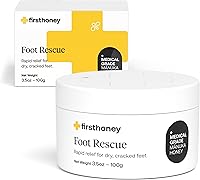
The First Honey Manuka Foot Repair Cream 3.5oz sits firmly in the premium tier of foot care — not the kind of product you grab on a whim, but one you seek out when drugstore options have repeatedly let you down. The standout ingredient is New Zealand Manuka honey with a high MGO concentration, which separates it from creams that use generic honey as a mere marketing footnote. It also relies on proprietary Drieline technology to lock moisture in at a deeper level. The formula is clean — no parabens, no phthalates, no petroleum — which matters to a growing number of buyers. This is a treatment, not a quick fix.
Features & Benefits

MGO stands for methylglyoxal, the naturally occurring compound in Manuka honey that gives it clinically studied skin-healing properties — higher MGO numbers generally indicate stronger biological activity. That distinction matters when applying something to broken, cracked skin. The Drieline system forms a breathable yet protective layer on the surface, reducing how quickly moisture escapes throughout the day. Shea butter rounds things out on the softening side, making the texture feel rich without being heavy. At 3.5oz the jar is compact, but the formula is concentrated enough that a small amount covers both feet. It also targets redness and erythema, pushing it beyond basic hydration into genuine repair territory.

Best For

This heel repair cream is best suited to adults who have worked through the usual lineup of budget foot lotions and still wake up to rough, splitting heels. If calluses are part of the picture — particularly around the heel edges or ball of the foot — the targeted formulation is likely more effective than a general-purpose body moisturizer. It also appeals strongly to ingredient-conscious shoppers who read labels and want nothing synthetic slipping through. Worth noting upfront: this is not a high-volume tub, so buyers expecting bulk at this price point may need to recalibrate. Those who commit to consistent nightly use tend to see the best outcomes.

User Feedback

Feedback paints a fairly consistent picture on the positive side: many users report noticeable softening within the first few days, with deep heel cracks showing visible improvement after a week or two of regular application. The texture draws frequent praise — reviewers commonly describe it as absorbing cleanly without leaving a greasy residue on socks or floors. Some individuals with diabetic or sensitive skin have noted using the First Honey foot treatment without irritation, which adds a meaningful layer of reassurance. On the critical side, a handful of buyers felt results arrived more slowly than expected, and the compact jar size draws fair scrutiny given the asking price. Negative reviews remain a clear minority.

Pros

  • High-MGO Manuka honey provides clinically studied skin-repair activity, not just surface-level moisture.
  • The Drieline barrier technology helps retain hydration between applications, which most basic foot creams skip entirely.
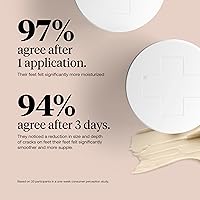
  • Many users report visible softening of deep heel cracks within the first week of nightly use.
  • Absorbs cleanly without leaving a greasy film on socks or sheets — a common complaint with richer foot creams.
  • Free from parabens, phthalates, petroleum, and mineral oils, which matters for sensitive or reactive skin types.
  • Shea butter adds genuine emollient softness alongside the honey, so the texture feels substantive but not heavy.
  • Compact enough to travel with, and the concentration means a small amount goes further than expected.
  • Addresses redness and erythema alongside dryness, making it more well-rounded than a standard heel balm.
  • Reviewers with diabetic skin have noted using this Manuka foot cream without irritation — a meaningful reassurance.

Cons

  • At 3.5oz, the jar runs out faster than expected if you use it on both feet daily.
  • Results require consistent, patient use — sporadic application delivers little noticeable change.
  • The price point is a real commitment, especially for buyers uncertain whether it will work for their skin.
  • No clear MGO rating is displayed on the packaging, making it hard to independently verify potency.
  • Some users with moderate rather than severe dryness found the formula felt heavier than necessary for their needs.
  • The small jar format is not cost-effective for households where multiple people need regular foot care.
  • A subset of reviewers noted improvement plateaued after initial softening, requiring continued use to maintain results.
  • Scent may not suit everyone — buyers sensitive to natural honey fragrance should factor this in before purchasing.

Ratings

Our AI rating engine analyzed thousands of verified global purchases of the First Honey Manuka Foot Repair Cream 3.5oz, actively filtering out incentivized, bot-generated, and unverified reviews to surface genuine buyer sentiment. The scores below reflect a balanced picture — where this heel repair cream genuinely delivers, and where real users have run into frustration. Both sides are represented honestly.

Healing Effectiveness
84%
Users dealing with painful, deeply cracked heels consistently report meaningful improvement after one to two weeks of nightly use — a timeline that compares favorably to many drugstore alternatives. The high-MGO Manuka honey appears to do real work on damaged skin rather than simply masking the problem with surface moisture.
Results are not uniform across all users — those with mild seasonal dryness sometimes find the improvement underwhelming relative to the price, while a subset of buyers with very severe fissuring report needing more than a month before noticing significant change.
Texture & Absorption
88%
The cream strikes a balance that many rich foot treatments miss: it feels substantial and nourishing on application but absorbs within minutes rather than leaving a greasy film. Users who apply it before bed frequently mention waking up to noticeably softer skin without product residue on their sheets.
A small number of users with naturally oily skin found the texture slightly heavier than ideal for warmer months, and a few noted the cream feels thicker than expected given the compact jar size, making even spreading across the full foot require a little extra effort.
Ingredient Quality
91%
The decision to exclude parabens, phthalates, petroleum, and synthetic fillers resonates strongly with ingredient-conscious buyers, particularly those managing sensitive skin or following cleaner personal care routines. The sourcing of high-MGO New Zealand Manuka honey as the hero ingredient adds a credibility layer that generic honey-labeled creams simply cannot match.
The product does not display a specific MGO rating number on the packaging, which frustrates buyers familiar with Manuka grading systems and makes independent potency verification difficult without contacting the brand directly.
Moisture Retention
83%
The Drieline barrier technology appears to meaningfully extend how long the skin stays hydrated after each application — users who work on their feet all day mention less end-of-day tightness compared to standard foot lotions. This sustained effect is one of the more distinguishing features relative to simpler emollient-only creams.
In very dry or cold climates, some users find they need to reapply mid-day to maintain comfort, suggesting the barrier effect has limits in harsh environmental conditions. A few buyers in humid climates also noted the occlusive layer felt unnecessary and slightly uncomfortable during warmer seasons.
Value for Money
67%
33%
For users who have previously spent money on repeated rounds of cheaper creams with little result, this heel repair cream often justifies the premium through genuinely better outcomes. The concentrated formula means the jar tends to last longer than the small size suggests, softening the per-use cost somewhat.
The price-to-volume ratio is the single most cited frustration in critical reviews — buyers expecting a large tub are often surprised by the jar size at checkout. Those who do not see strong results within the first two weeks frequently describe the purchase as poor value, with no easy way to assess efficacy before committing.
Scent Profile
79%
21%
The natural honey scent is mild and fades quickly after application, which suits users who are sensitive to heavy fragrances or who dislike the medicinal smell common in urea-based foot treatments. Most reviewers describe the scent as pleasant and inoffensive rather than something they need to tolerate.
Buyers with a strong aversion to any honey or botanical scent may find even the subtle fragrance off-putting, and the product does not position itself as fragrance-free. A handful of users noted the scent was slightly stronger from some batches than others, suggesting minor formulation variability.
Packaging & Portability
76%
24%
The compact jar format fits easily in a toiletry bag or gym kit, and the dimensions are TSA-friendly for carry-on travel. Users who keep a dedicated jar on their nightstand appreciate how little counter space it occupies compared to bulkier foot cream tubs.
Open-jar packaging raises hygiene concerns for some users, particularly those applying the cream to broken or fissured skin where contamination risk is a genuine consideration. The lid, while functional, does not include any foil seal or tamper evidence, which a portion of buyers flagged as a drawback for a premium-priced skin treatment.
Speed of Visible Results
72%
28%
Users with moderate heel cracking and consistent nightly application habits often notice a tangible difference in skin softness within three to five days, which is faster than many competing products in the same category. The combination of active Manuka honey and the moisture-barrier system appears to accelerate the improvement timeline compared to shea-butter-only formulas.
For users who apply the cream sporadically or expect improvement after just one or two uses, results are typically disappointing. The cream rewards discipline, and buyers who do not commit to a daily routine are disproportionately represented among those who rate it poorly.
Sensitive Skin Compatibility
86%
The absence of common irritants — synthetic preservatives, petroleum derivatives, and added antibiotics — makes this Manuka foot cream one of the more accessible options for users with reactive or compromised skin. Several reviewers managing conditions like eczema or diabetes noted using it without flare-ups, which is a meaningful endorsement given how cautious those users tend to be.
Manuka honey itself is a potential allergen for individuals with bee-related sensitivities, and the product does not carry a prominent allergy advisory on the label. Anyone with a known honey or bee product allergy should conduct a patch test or avoid this formulation entirely.
Callus Reduction
69%
31%
Regular users with mild to moderate callus buildup report gradual softening over two to four weeks, which makes the skin more manageable with a pumice stone or foot file as part of a broader foot care routine. The cream works well as a nightly maintenance step following mechanical callus removal.
This is not a chemical exfoliant and does not contain urea or alpha hydroxy acids, so users with thick, hardened calluses expecting standalone removal results will likely be disappointed. It functions best as a softening and maintenance tool rather than an active callus treatment in its own right.
Ease of Application
82%
18%
The cream spreads smoothly and does not require significant rubbing to work into the skin, which users with arthritis or limited hand mobility specifically appreciate. A small amount genuinely covers both feet adequately, making the application process quick and low-effort as part of a bedtime routine.
The wide-mouth jar format requires dipping fingers directly into the product, which some users find less hygienic or convenient than a tube dispenser. A spatula or cotton swab workaround is manageable but adds a minor friction point that a pump or tube format would eliminate.
Formulation Transparency
63%
37%
The brand communicates clearly about what is excluded from the formula — no parabens, no petroleum, no synthetic fillers — and the use of a named proprietary technology gives the product a degree of scientific credibility that resonates with research-oriented buyers.
The full ingredient list is not prominently featured in marketing materials, and the lack of a published MGO rating leaves a transparency gap that informed Manuka honey buyers notice immediately. Competitors in the premium Manuka skincare space often publish specific MGO or UMF ratings to substantiate quality claims, and the absence here is a recurring point of criticism.
Longevity of Jar
71%
29%
Users who apply a targeted, conservative amount each night generally find the 3.5oz jar lasts between five and eight weeks for solo use, which is reasonable for the category. Those who treat it as a concentrated foot treatment rather than a generous lotion tend to be satisfied with how far the product stretches.
Households where two people share the jar, or users who apply more generously to both feet and lower legs, can exhaust the supply in three weeks or less. At this price point, that repurchase frequency adds up quickly and is one of the more practical barriers to long-term loyalty.

Suitable for:

The First Honey Manuka Foot Repair Cream 3.5oz is a strong fit for adults who have genuinely struggled with persistent heel cracking and found that standard pharmacy lotions barely make a dent. If your feet reach a point each winter where the skin splits deeply enough to be painful — or even bleed — the combination of high-MGO Manuka honey and the Drieline moisture-barrier system offers a more targeted approach than basic emollients. It works particularly well for people who apply a cream nightly and want to see gradual, cumulative improvement rather than a one-time fix. Ingredient-conscious buyers will appreciate that there are no parabens, phthalates, petroleum derivatives, or synthetic fillers to worry about. Those with sensitive skin or conditions like diabetes who need to be cautious about what they apply to their feet will find the clean, natural formulation reassuring.
Not suitable for:

The First Honey Manuka Foot Repair Cream 3.5oz is probably not the right call for anyone who wants a generous, slather-it-everywhere moisturizer for full-body dryness — the small jar and focused formula make it a poor value in that context. Shoppers on a tight budget looking for high volume at a low cost will almost certainly find the price-per-ounce ratio frustrating. If you expect dramatic results overnight, this heel repair cream is likely to disappoint; improvement tends to build gradually over consistent use, and impatient buyers often leave underwhelmed. It is also not a substitute for professional podiatric treatment in cases involving infection, deep fissures, or underlying medical conditions. Buyers who prefer fragrance-free products should verify the scent profile before committing.
Specifications

  • Brand: Manufactured and sold by First Honey, a brand specializing in Manuka honey-based skincare products.
  • Item Model: This product is identified by model number FH0061.
  • Volume: Each jar contains 3.5 fl oz (approximately 3.21 oz by weight) of cream.
  • Dimensions: The jar measures 2.56 x 2.56 x 2.52 inches, making it compact enough for a travel bag or bathroom shelf.
  • Hero Ingredient: Formulated with New Zealand Manuka honey carrying a high concentration of methylglyoxal (MGO), the compound associated with its clinically studied skin-repair activity.
  • Supporting Ingredients: Shea butter is included as a primary emollient to soften skin and complement the honey's healing properties.
  • Technology: The proprietary Drieline system forms a protective moisture-locking barrier on the skin surface to reduce transepidermal water loss.
  • Preservative-Free: The formula contains no parabens or phthalates, making it suitable for users who avoid synthetic preservatives.
  • Filler-Free: No petroleum, mineral oils, or synthetic fillers are used in this formulation.
  • Antibiotic-Free: The product does not include potentially harmful antibiotics, relying instead on the natural bioactive properties of Manuka honey.
  • Skin Type: Designed specifically for dry and cracked skin, particularly in areas prone to callus buildup and deep fissuring.
  • Target Area: Intended for use on feet, with a focus on heels, callused edges, and areas affected by chronic dryness or erythema.
  • Age Range: Formulated for adult use only.
  • UPC: The product UPC is 854056008196.
  • Market Rank: Ranked #141 in the Foot Creams and Lotions category on Amazon at time of evaluation.

Related Reviews
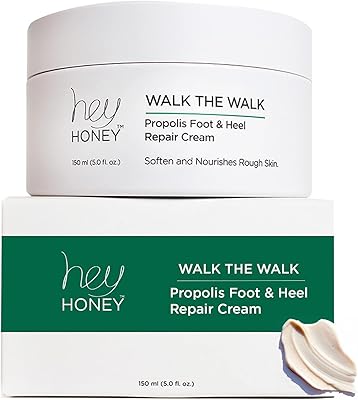
Hey Honey Walk the Walk Foot Cream
80%
88%
Moisturizing Effectiveness
79%
Callus Reduction
83%
Odor Control
91%
Texture & Absorption
86%
Ingredient Quality
More
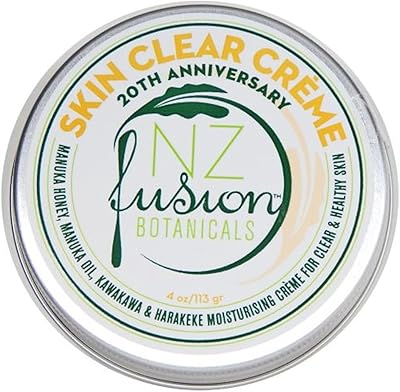
NZ Fusion Botanicals Manuka Honey and Manuka Oil Skin Clear Cream 250mL
85%
92%
Effectiveness for Skin Healing
89%
Hydration & Moisture Retention
83%
Gentle Exfoliation
88%
Suitability for Sensitive Skin
80%
Texture & Absorption
More
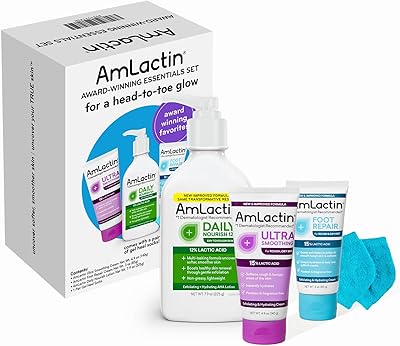
AmLactin Essentials Skin Care Set - Daily Nourish Lotion 12%, Ultra Smoothing Cream, Foot Repair Cream & Moisturizing Socks
88%
88%
Exfoliation Effectiveness
91%
Hydration Performance
84%
Texture and Feel
90%
Absorption Speed
92%
Scent Sensitivity
More
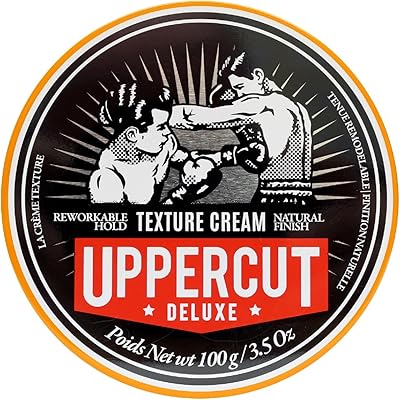
Uppercut Deluxe Texture Cream 3.5oz Styling Cream
81%
71%
Hold Strength
92%
Hold Flexibility
89%
Matte Finish
77%
Day-Long Hold
76%
Value for Money
More
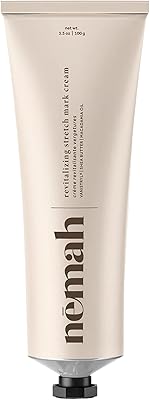
Nemah Stretch Mark Cream for Pregnancy – 3.5oz
87%
88%
Effectiveness in Stretch Mark Prevention
91%
Skin Sensitivity & Tolerance
93%
Texture and Absorption
90%
Hydration & Moisturization
85%
Fragrance-Free Formula
More
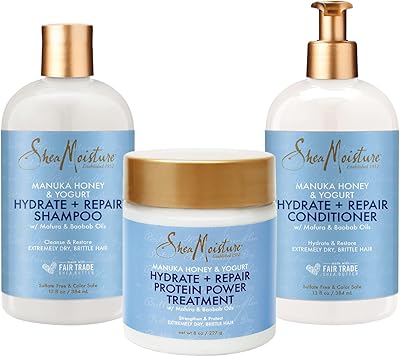
SheaMoisture Manuka Honey & Yogurt Hydrate + Repair Bundle
87%
88%
Effectiveness for Damaged Hair
91%
Moisturizing Power
85%
Frizz Control
92%
Sulfate-Free Formula
87%
Hydration Longevity
More
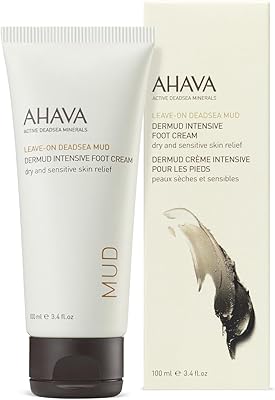
AHAVA Dermud Intensive Foot Cream 3.4 fl.oz
81%
88%
Moisturizing Efficacy
83%
Skin Barrier Repair
86%
Texture & Absorption
64%
Value for Money
91%
Ingredient Quality
More
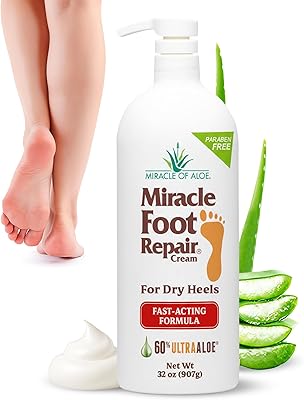
Miracle of Aloe Miracle Foot Repair Cream 32oz
86%
88%
Effectiveness for Cracked Heels
91%
Hydration & Moisture Retention
85%
Absorption Speed
87%
Non-Greasy Formula
93%
Value for Money
More
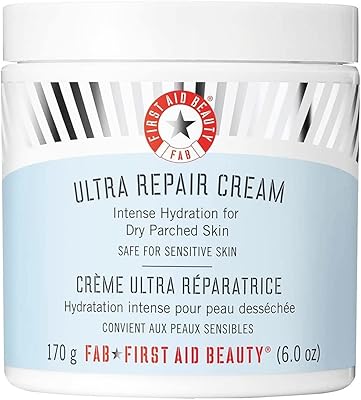
First Aid Beauty Ultra Repair Cream 170mL
88%
94%
Hydration Effectiveness
89%
Skin Sensitivity Compatibility
85%
Texture & Feel
91%
Absorption Speed
88%
Moisturization Duration
More
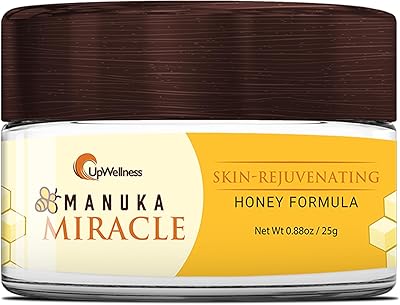
UpWellness Manuka Miracle Honey Body Cream 400ml
75%
88%
Moisturizing Effectiveness
74%
Texture & Absorption
81%
Soothing & Redness Relief
91%
Ingredient Quality
67%
Scent Experience
More

FAQ

Most people get the best outcome by applying a small amount to clean, dry feet each night before bed. Consistency matters more than frequency here — daily use over one to two weeks is where most users report meaningful improvement in softness and crack reduction.

This is one of the more common concerns with thicker foot creams, and it comes up in feedback fairly often. Many users specifically note that this heel repair cream absorbs well without leaving a heavy, slippery film — though wearing a light pair of socks after application can help lock in moisture and keep bedsheets clean.

MGO stands for methylglyoxal, a naturally occurring compound found in Manuka honey that is linked to its antibacterial and skin-repair properties. A higher MGO number generally indicates a more potent concentration of this active compound. Think of it as a quality signal: not all honey labeled as Manuka contains meaningful levels of MGO, so the distinction matters when choosing a product for damaged or cracked skin.

People with diabetes often need to be especially careful about what they apply to their feet, given skin sensitivity and slower healing. A number of reviewers who mentioned diabetic skin reported using this cream without irritation or adverse reactions. That said, anyone managing a medical condition should check with their doctor or podiatrist before adding a new topical product to their routine.

At 3.5oz, the jar is on the smaller side, but the formula is concentrated enough that a pea- to almond-sized amount per foot tends to be sufficient. With nightly use on both feet, most users find a jar lasts somewhere between four and eight weeks depending on how generously they apply it.

The formula is designed specifically as a foot treatment, but there is nothing in the ingredient list that restricts it to feet only. Some users do apply this Manuka foot cream to other areas of very dry skin, such as elbows or knuckles, with positive results. If you do this regularly, you may find the jar depletes faster than expected.

There is a subtle natural honey scent, but most users describe it as mild rather than overpowering. It is not a heavily fragranced product. If you have a strong sensitivity to honey or botanical scents, it is worth being aware of before purchasing.

Some users who had previously tried prescription-strength urea-based creams noted this as a comparable or more pleasant alternative for maintenance-level cracking. It is not a medical treatment and cannot replace professional care for severely fissured or infected skin. For moderate to significant dryness and cracking that has not reached a medical threshold, it performs well as a standalone option.

A regular thick cream primarily adds moisture on contact but does not actively prevent that moisture from evaporating throughout the day or night. The Drieline system is designed to create a semi-occlusive barrier layer that reduces how quickly water escapes from the skin surface — similar in principle to how occlusive ingredients like lanolin work, but without using petroleum-based materials.

Open-jar formats can be a concern for anyone worried about contamination, especially when applying to cracked or damaged skin. Using clean hands or a small spatula to scoop the product helps maintain hygiene over the life of the jar. The compact size also means you are less likely to have product sitting around for months before it is used up, which reduces the risk of degradation.