Overview

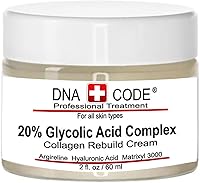
The DNA Code 20% Glycolic Acid Anti-Aging Cream is a mid-range face cream that bets heavily on a single, well-understood mechanism: chemical exfoliation at a concentration you don't often find in over-the-counter alternatives. Most comparable products hover around 5–10% glycolic acid, so 20% in a leave-on formula is worth paying attention to. Beyond the AHA exfoliant, this glycolic acid cream also brings peptides, antioxidants, and hydrating ingredients into the mix — covering several aging concerns in one jar. That said, the brand's claim that it suits all skin types deserves some scrutiny, particularly for anyone with sensitive or reactive skin.
Features & Benefits

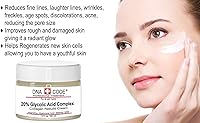
The headline ingredient here is 20% glycolic acid, an alpha hydroxy acid that loosens the bonds holding dead skin cells on the surface, encouraging faster cell turnover and a smoother, brighter complexion over time. Alongside it, the Matrixyl 3000 complex — a combination of Pal-GHK and Pal-GQPR peptides — works to signal collagen and elastin production, which tends to slow down noticeably with age. Argireline, another peptide, is often cited for its role in softening the look of expression lines. Coenzyme Q10 adds antioxidant support, while hyaluronic acid keeps moisture locked in. Argan oil, lactic acid, vitamin C, and vitamin E round out the formula with added nourishment and brightening potential.

Best For

This anti-aging treatment makes the most sense for adults who already have some experience with AHA-based skincare. If you've used a glycolic acid toner or serum before and tolerated it well, stepping up to a dedicated leave-on cream at this concentration is a logical next move. It also appeals to anyone tired of maintaining a multi-step routine — the formula essentially stacks exfoliation, peptide support, hydration, and antioxidants into a single product. People dealing with dull or congested skin alongside early signs of aging may find it particularly useful. Where it doesn't fit: first-time AHA users or anyone with a highly reactive skin barrier should hold off without consulting a dermatologist first.

User Feedback

Buyers who see results with this glycolic acid cream tend to report noticeable improvements in skin smoothness and a reduction in visible pore size within the first few weeks — both outcomes that align with what glycolic acid is expected to do. Some mention a brighter, more even tone. On the other side, a fair number of reviewers mention an initial tingling or mild irritation, which isn't unusual at this concentration but is worth factoring in. A few users expressed frustration when results didn't appear quickly, which is a realistic concern: consistent use over several weeks is generally needed before significant anti-aging changes become visible. Texture and scent feedback is mixed, which suggests some trial and error before committing.

Pros

  • Delivers a 20% glycolic acid dose that's noticeably stronger than most leave-on creams available without a prescription.
  • Consolidates exfoliation, peptide support, antioxidants, and hydration into one step, simplifying a multi-product routine.
  • Matrixyl 3000 and Argireline address both collagen production and the appearance of expression lines in a single formula.
  • Hyaluronic acid and argan oil offset some of the dryness that a high-dose AHA can cause on its own.
  • Users regularly report improvements in skin smoothness and reduced pore appearance within the first few weeks of consistent use.
  • CoQ10 adds meaningful antioxidant coverage that complements the exfoliant and supports overall skin tone improvement over time.
  • Vitamin C and vitamin E contribute a brightening effect that works in step with the glycolic acid mechanism.
  • The mid-range price point makes a multi-active formula accessible without requiring a significant financial commitment upfront.

Cons

  • A 20% leave-on glycolic acid concentration is aggressive enough to trigger stinging, redness, or peeling in sensitive users.
  • Meaningful results require several weeks of consistent use — buyers expecting fast visible changes are likely to be frustrated.
  • Daily SPF application becomes non-negotiable, adding an extra step that some users don't account for when purchasing.
  • An initial adjustment period involving mild irritation or flaking is common and can last several days for some skin types.
  • Scent and texture have received divided feedback, with several users finding the cream heavier than expected under makeup.
  • Using this alongside retinoids or other exfoliating actives significantly increases the risk of over-exfoliation and prolonged sensitivity.
  • The broad all-skin-types positioning understates the real tolerance barrier — reactive or post-procedure skin types will likely struggle.
  • The packaging provides little practical guidance on patch testing or gradual introduction, which matters a lot at this potency.

Ratings

The scores below for the DNA Code 20% Glycolic Acid Anti-Aging Cream were generated by our AI engine after analyzing thousands of verified buyer reviews from global markets, with active filtering applied to remove incentivized, duplicate, and bot-generated submissions. Each category honestly reflects the full spectrum of real user experiences — strengths, limitations, and everything in between. Where scores dip, it is because genuine pain points from real buyers earned them that way.
Exfoliation Effectiveness
83%
The 20% glycolic acid concentration delivers real, noticeable exfoliation that users with established AHA routines appreciate after two to three weeks of consistent use. Buyers frequently describe a tangible improvement in skin smoothness and a reduction in rough patches — the kind of change they struggled to achieve from lower-strength products.
That same potency makes it a difficult formula for anyone on the sensitive end of the spectrum. Several users report persistent redness or stinging that lingers well beyond the typical adjustment period, particularly those who underestimated how significant a step up a 20% leave-on product really is.
Anti-Aging Results
74%
26%
Users who commit to at least six weeks of consistent application tend to report visible improvements in skin firmness, reduced appearance of fine lines, and a more even tone overall. The combination of glycolic acid with Matrixyl 3000 and Argireline covers multiple aging pathways at once, which buyers consolidating their routines find genuinely valuable.
Results are far from immediate, and a meaningful portion of reviewers express frustration when changes don't appear within the first two or three weeks. The bar of expectation appears higher for some buyers given the formula's active ingredient density, leading to disappointment that a more patient approach might have avoided.
Texture & Absorption
67%
33%
For users applying this cream at night as part of a focused anti-aging routine, the richer consistency feels appropriate — it absorbs within a few minutes and leaves skin feeling hydrated rather than stripped. The argan oil and hyaluronic acid seem to be what gives it the cushioned finish several buyers mention appreciating.
Worn under makeup, the texture becomes more problematic. A fair number of morning users report pilling or heaviness under foundation, and a few mention it sits on the surface longer than expected before fully absorbing. Those with naturally oily skin may also find it too heavy during warmer months.
Skin Sensitivity Tolerance
56%
44%
For users who already have an established AHA routine, the initial adjustment period tends to be manageable — some tingling in the first few applications is normal and typically settles within a week or two. Those with oilier, more resilient skin types generally report tolerating the concentration without major incident once they ease in gradually.
This is the category that generates the most polarized feedback. Users with dry, thin, or reactive skin describe significant discomfort — including prolonged redness, visible flaking, and barrier disruption — that lasts well beyond a normal adjustment window. The formula's high AHA concentration simply is not a forgiving entry point for skin that hasn't been conditioned to it.
Value for Money
77%
23%
When you add up the individual cost of a glycolic acid serum, a peptide cream, an antioxidant product, and a separate hyaluronic acid moisturizer, consolidating all of that into one mid-range cream starts to look like a sensible deal. Buyers who were previously spending more across multiple products mention this as a genuine reason they kept repurchasing.
Those who experience irritation or don't see results within the first tube tend to rate value poorly — a product that doesn't suit your skin type isn't good value at any price point. The absence of a smaller trial size also makes it a harder commitment for first-time buyers who want to test compatibility before fully investing.
Ingredient Quality
86%
The formula stacks a meaningful roster of well-regarded actives — not just one or two token additions alongside a filler base. Matrixyl 3000, CoQ10, and hyaluronic acid all have substantial histories in skincare, and finding them alongside a high-concentration glycolic acid in a single cream is unusual at this price tier.
While the ingredient list is impressive on paper, the actual concentrations of supporting actives like Argireline or CoQ10 are not disclosed, making it difficult to assess how impactful those additions truly are beyond the glycolic acid. Buyers with a more informed eye on formulation tend to notice and flag this transparency gap.
Hydration Performance
72%
28%
The inclusion of hyaluronic acid and argan oil means this is not a purely exfoliating cream — it delivers a noticeable level of hydration alongside the AHA activity. Users who previously found glycolic acid products too drying appreciate that this formula doesn't leave their skin feeling tight or uncomfortable the morning after application.
As a standalone moisturizer, it falls short for anyone with seriously dry skin — it works well within a layered routine but isn't rich enough on its own during colder months. A few buyers in drier climates mention needing a separate heavy moisturizer on top, which partially undermines the convenience argument for the formula.
Pore & Brightness Impact
79%
21%
Pore appearance and skin radiance are two areas where user feedback skews noticeably positive. People dealing with congested or dull skin before using this anti-aging treatment report that within three to four weeks of regular use, their complexion looked cleaner and more luminous — exactly what the glycolic acid mechanism would predict.
Results in this area are more visible for some skin types than others, and buyers who started with relatively clear, uncongested skin sometimes find the brightening effect less dramatic than expected. This is not an instant glow product, and those looking for rapid luminosity tend to come away underwhelmed.
Scent & Sensory Experience
61%
39%
The scent is tolerable for most users, and those applying it at night find the experience doesn't interrupt their routine. A portion of buyers specifically mention that it lacks a strong or overpowering smell — for a high-acid formula, that is a reasonable baseline expectation to meet.
Scent is one of the more divisive aspects — some buyers describe it as noticeably chemical or medicinal, which is understandable given the active acid concentration. A handful of users describe it as an acquired preference rather than an immediately pleasant one, and fragrance sensitivity makes it a recurring complaint among reactive users.
Packaging & Usability
71%
29%
The compact jar format is easy to store on a vanity or pack for travel, and the container size is practical for daily use without wasting product. Several buyers mention the jar is well-sealed, which matters for a glycolic acid cream since AHAs can degrade with repeated unnecessary air exposure.
A jar format is generally considered less hygienic and less protective than an airless pump or tube for active-ingredient skincare — repeated dipping with fingers introduces contamination risk and can shorten the product's effective shelf life. Some buyers would prefer a dispenser, particularly given that the formula also contains oxidation-prone vitamin C.
Routine Compatibility
63%
37%
For users running a minimalist skincare routine — a gentle cleanser, this cream, and a morning SPF — the formula functions well as a standalone evening treatment that covers multiple bases at once. That consolidation appeal is genuinely valued by buyers who had previously been juggling four or five separate products.
The high glycolic acid concentration makes it incompatible with many popular skincare actives, particularly retinol and potent vitamin C serums. Users with more complex routines frequently find they have to restructure or eliminate steps entirely, and the resulting friction leads some to eventually abandon the formula in favor of more stackable alternatives.
SPF Guidance Transparency
54%
46%
Buyers who are already well-versed in AHA skincare know to apply broad-spectrum SPF daily alongside any glycolic acid product and integrate this seamlessly without needing the product itself to remind them. For that knowledgeable audience, the lack of prominent packaging warnings doesn't create a meaningful problem in practice.
For buyers less familiar with AHA sun sensitivity, the product does not appear to provide sufficiently clear guidance about the daily sunscreen requirement — a significant omission for a cream this concentrated. Several users have mentioned worsening pigmentation or sun damage that they attribute directly to not realizing SPF was non-negotiable with regular use.
Long-Term Consistency
76%
24%
Buyers who push past the initial adjustment phase and commit to two or three months of consistent use tend to report sustained improvements in texture and tone compelling enough to repurchase. The product remaining in active production also gives long-term users some confidence that supply will remain stable over time.
A notable segment of buyers falls off before reaching that threshold — the adjustment period discourages some early, and those who experience even moderate irritation often don't continue long enough to see the results that more tolerant users achieve. This creates an uneven reputation that makes the formula harder to recommend without significant qualification.

Suitable for:

The DNA Code 20% Glycolic Acid Anti-Aging Cream is a solid pick for adults in their 30s and 40s who are beginning to notice early-to-moderate signs of aging — fine lines, dullness, or uneven skin texture — and want a single product that addresses several of those concerns at once. If you already use a glycolic acid toner or exfoliating serum and your skin handles it without complaints, stepping up to a concentrated leave-on cream is a natural progression in your routine. It also makes practical sense for anyone who finds themselves juggling too many individual serums and would rather consolidate key actives into one daily step. People dealing with congested pores or a persistently flat, uneven complexion may find the pairing of AHA exfoliation and collagen-supporting peptides particularly worthwhile. And because the formula includes hyaluronic acid and argan oil alongside the exfoliant, it tends to suit those who want cell turnover benefits without the stripped, tight feeling some acid-only products leave behind.

Not suitable for:

The DNA Code 20% Glycolic Acid Anti-Aging Cream is not a smart starting point if you have never used a chemical exfoliant before — 20% is a high concentration for a leave-on product, and the risk of irritation, redness, or barrier disruption is genuine for unprepared skin. Anyone dealing with rosacea, eczema, active acne breakouts, or a compromised skin barrier should hold off entirely without a dermatologist's input. It also isn't suitable for anyone unwilling to commit to daily broad-spectrum SPF use, since glycolic acid measurably increases photosensitivity and unprotected sun exposure can reverse any progress and worsen pigmentation. If you're expecting visible anti-aging results within a week or two, this formula will likely disappoint — like most legitimate actives, it needs consistent use over several weeks before meaningful changes appear. Finally, if your current routine already includes retinoids or strong exfoliating acids, layering this on top significantly raises the risk of over-exfoliation and prolonged skin sensitivity.

Specifications

  • Brand: DNA Code is the manufacturer and brand behind this anti-aging face cream.
  • Product Type: This is a leave-on anti-aging face cream intended for daily topical use on adult skin, not a rinse-off treatment.
  • AHA Concentration: The formula contains glycolic acid at a 20% concentration, which is notably higher than most over-the-counter leave-on AHA products.
  • AHA Type: Glycolic acid, classified as an alpha hydroxy acid (AHA), serves as the primary exfoliating agent in the formula.
  • Peptide Complex: Matrixyl 3000 is included as a peptide complex composed of Pal-GHK and Pal-GQPR, both of which are associated with collagen and elastin stimulation.
  • Secondary Peptide: Argireline, a peptide commonly discussed in relation to softening the appearance of expression lines, is also present as an active ingredient.
  • Antioxidant: Coenzyme Q10 (CoQ10) functions as the primary antioxidant in the formula, supporting skin resilience and helping protect collagen integrity.
  • Humectant: Hyaluronic acid is included to attract and retain moisture within the dermis, supporting skin hydration and plumpness over time.
  • Supporting Actives: Additional active ingredients include argan oil, lactic acid, vitamin C, and vitamin E, contributing nourishment and brightening support to the formula.
  • Skin Type: The product is labeled for all adult skin types, though the brand acknowledges that individual skin sensitivity may vary.
  • Sun Sensitivity: Glycolic acid increases photosensitivity, making daily application of broad-spectrum sunscreen strongly recommended throughout use of this product.
  • Special Features: The formula is designed with anti-aging, antioxidant, and chemical exfoliation as its three primary functional properties.
  • Package Weight: The packaged product weighs 5.61 oz as listed by the manufacturer.
  • Package Dimensions: The container measures 2.5 × 2.44 × 2.36 inches according to manufacturer specifications.
  • Manufacturer Status: This product has not been discontinued by the manufacturer and is currently in active production.
  • Amazon Ranking: The product holds a Best Sellers Rank of #3,081 in the Facial Serums subcategory on Amazon.
  • UPC: The Universal Product Code (UPC) assigned to this item is 671839231202.
  • ASIN: The Amazon Standard Identification Number (ASIN) for this product is B07GTBGLLV.

Related Reviews
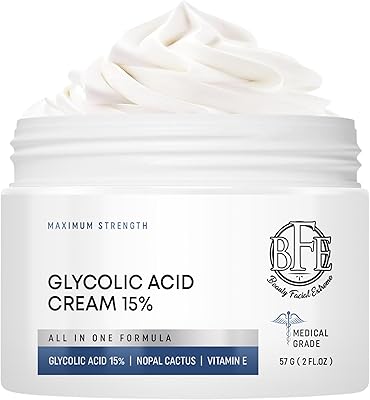
Beauty Facial Extreme Glycolic Acid 15% Cream
75%
91%
Formula Potency
78%
Visible Results
83%
Skin Texture
84%
Value for Money
54%
Sensitivity & Tolerance
More
Replenix Glycolic Acid 20% Resurfacing Cream 1.7oz
76%
88%
Exfoliation Efficacy
83%
Skin Tone & Discoloration
91%
Texture & Absorption
79%
Moisture Balance
67%
Value for Money
More
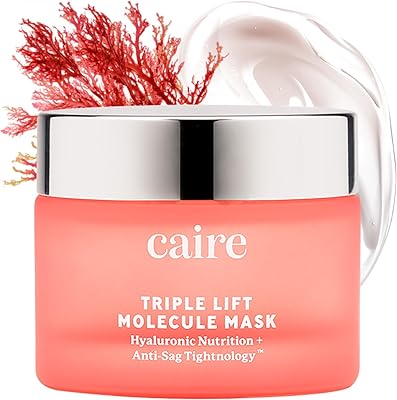
Caire Beauty Anti Aging Hyaluronic Acid Gel Cream Mask 40ml
87%
88%
Effectiveness on Fine Lines & Wrinkles
92%
Hydration & Moisturization
89%
Absorption & Finish
85%
Skin Sensitivity & Compatibility
90%
Texture & Feel
More
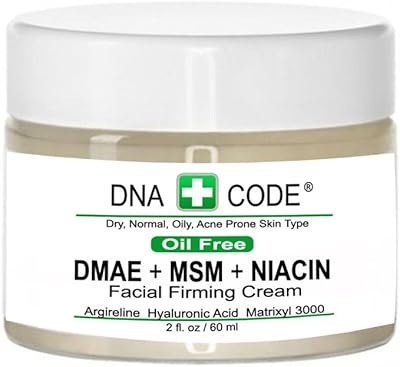
DNA Code DMAE MSM Firming Cream 400ml
75%
88%
Texture & Absorption
79%
Firming & Lifting Effect
76%
Fine Line Reduction
82%
Hydration Performance
74%
Skin Tone & Brightening
More
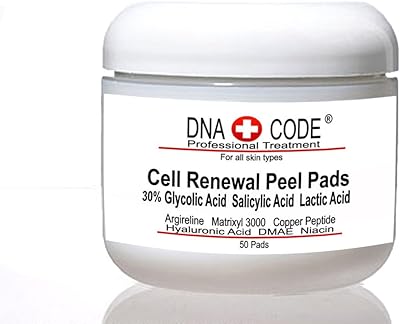
DNA CODE Skin Care AntiAging Peel Pads - 30% Glycolic Acid, 50 Count
85%
88%
Effectiveness in Reducing Wrinkles
92%
Exfoliation Power
90%
Skin Texture Improvement
83%
Hydration and Skin Plumpness
68%
Suitability for Sensitive Skin
More
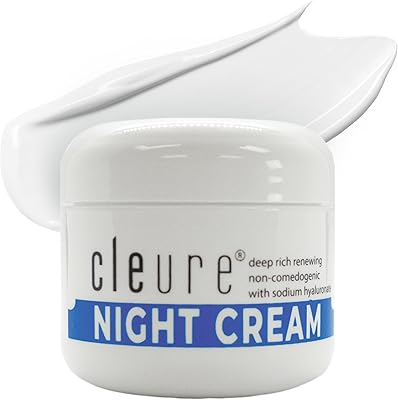
Cleure Hyaluronic Acid Shea Butter Night Cream
76%
86%
Sensitive Skin Tolerance
81%
Hydration Performance
78%
Texture & Absorption
89%
Fragrance-Free Formulation
84%
Ingredient Transparency
More
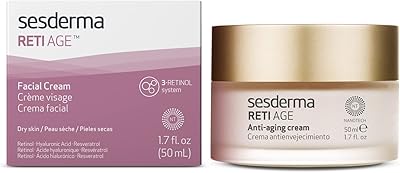
Sesderma RETI AGE Anti-Aging Cream 50ml
71%
83%
Formula Efficacy
88%
Texture & Absorption
67%
Retinol Tolerance
62%
Value for Money
58%
Packaging & Hygiene
More
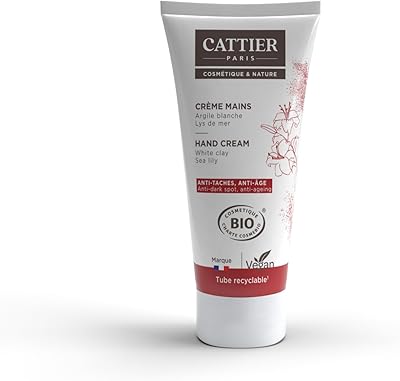
Cattier Hand Cream Anti-Dark Spot Anti-Ageing 75mL
86%
91%
Effectiveness on Dark Spots
88%
Hydration and Moisturization
84%
Absorption Speed
87%
Texture and Feel
93%
Sustainability and Eco-Friendliness
More
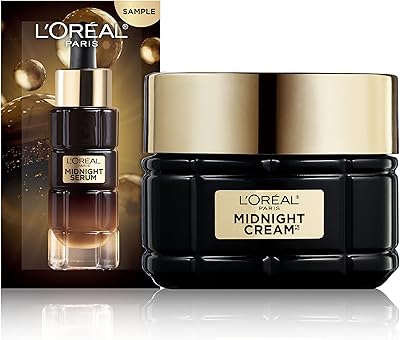
L'Oreal Paris Age Perfect Midnight Cream 1.7oz
77%
91%
Texture & Absorption
88%
Hydration Performance
72%
Anti-Aging Efficacy
79%
Skin Barrier Repair
83%
Sensitive Skin Compatibility
More
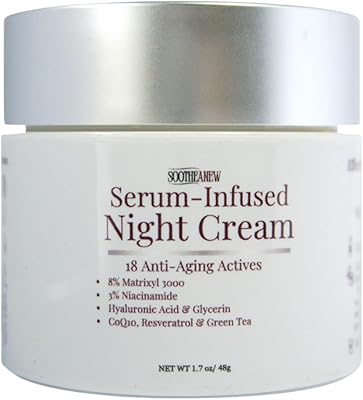
SootheAnew Multi Peptide Night Cream 1.7oz
78%
88%
Ingredient Quality
74%
Anti-Aging Efficacy
91%
Hydration Performance
78%
Texture & Absorption
63%
Scent Profile
More

FAQ

It depends heavily on what your skin is already used to. That concentration is on the high end for a leave-on product — most entry-level AHA treatments start around 5–10%. If you have experience with glycolic acid toners or serums and your skin tolerates them well, you'll likely adjust fine, though some initial tingling is normal. If you're newer to chemical exfoliants, starting with every-other-night use and building up gradually is the smarter approach.

Yes, and this isn't a suggestion you can skip. Glycolic acid makes your skin measurably more vulnerable to UV damage, which can accelerate the very aging signs you're trying to address. A broad-spectrum SPF 30 or higher every morning is non-negotiable — cloudy days included. Evening use of the cream helps reduce daytime exposure risk, but sunscreen is still essential regardless.

It's generally not advisable to combine them in the same routine. Using a high-concentration AHA and retinol together significantly raises the risk of irritation, barrier disruption, and extended peeling. Most skin experts recommend alternating — retinol on some nights, this glycolic acid cream on others — rather than layering them together. Give your skin time to adjust to each before experimenting with both.

Most users who report meaningful improvements mention consistent use of at least four to six weeks before noticing visible changes in texture or tone. Anti-aging actives like glycolic acid and peptides work through gradual skin renewal, not rapid transformation. The buyers who seem most satisfied are typically those who commit to two to three months of regular use before drawing conclusions.

It can be, but with caveats. The exfoliating action of glycolic acid does help clear congestion and smooth out rough texture, which many people with oily skin appreciate. However, if you currently have active, inflamed breakouts, introducing a high-dose AHA could irritate already compromised skin. It's worth waiting until the skin has settled before starting, and then easing in slowly.

Yes, though the texture runs a bit heavier than a lightweight serum, so giving it five to ten minutes to absorb before layering foundation tends to produce a smoother finish. A few buyers have mentioned it sits better under makeup when followed by a light SPF rather than a thick moisturizer. If your morning routine feels too layered, consider shifting the cream to your evening routine instead.

Both are AHAs, but they behave differently on skin. Glycolic acid has a smaller molecular size, which means it penetrates more deeply and is considered the more potent of the two. Lactic acid is gentler, works closer to the surface, and also acts as a mild humectant. Having both means you get the deeper exfoliation from glycolic acid alongside some additional surface smoothing and moisture-retaining benefits from lactic acid.

Proceed with real caution. The 20% glycolic acid level is genuinely aggressive for sensitive skin, and you're more likely to experience extended redness, stinging, or flaking than someone with a more resilient skin type. If you're determined to try it, a patch test on a small area for several days before full-face application is essential. If your skin already reacts poorly to fragrance, alcohol, or weaker acids in other products, this formula is probably not the right match.

Argireline is a peptide that works by interfering with the muscle contraction signals responsible for repetitive facial movements, which is why it gets compared to injectables in skin care conversations. At topical concentrations, the effect is subtler than clinical treatments, but it's a reasonable supporting ingredient to have alongside a collagen-stimulating peptide complex. Most users won't notice it working independently, but it contributes to the overall anti-aging approach of the formula.

Evening use is the better choice for most people. Applying an AHA at night avoids the sun sensitivity issue entirely during the day and lets the exfoliation process align with your skin's natural overnight repair cycle. If you prefer morning use, applying broad-spectrum SPF immediately afterward is absolutely required — no exceptions. Evening application also pairs more comfortably with a hydrating overnight moisturizer or facial oil if your skin needs extra nourishment.