Overview

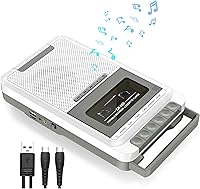
The Dingmi 669W is a portable cassette player and recorder that landed on the market in mid-2024, combining old-school tape playback with modern digital storage support in one compact unit. It handles USB drives and TF cards alongside actual cassettes, which is a rarer combination than you might expect at this price point. The retractable handle is a small but practical touch, and the choice between four C batteries or a Type-C cable means you are never scrambling for a specific power source. Currently ranking in the top 15 of its Amazon category, this cassette recorder has clearly found a real audience.

Features & Benefits

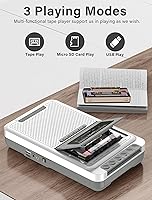
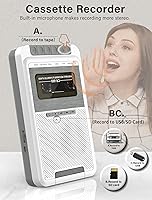
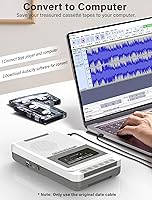
What sets this retro audio device apart from basic tape decks is the ability to work in both directions: you can pull audio off an old cassette and save it directly to a USB drive or SD card as a WAV file, or do the reverse and record digital tracks back onto tape. Three distinct playback modes cover cassette, USB, and TF card without any fiddling between them. The built-in microphones handle voice recording and informal interviews well, and an external mic input expands that further. One caveat worth noting: FAT32 format is required for storage media, and PC transfers via Audacity add a small learning curve for less technical users.

Best For

The tape player makes the most sense for a few specific types of buyers. If you have a collection of old mixtapes or recorded memories gathering dust, this is one of the more accessible ways to get them onto a USB stick without buying dedicated digitizing hardware. It also appeals to analog enthusiasts who want to record new content to tape, and to anyone who needs a compact, battery-powered recorder for field use. Travelers who enjoy the tactile feel of cassettes without relying on streaming will find it practical, and it works well as a nostalgic gift for someone with a box of old tapes.

User Feedback

Buyers who have used this cassette recorder generally appreciate how straightforward the tape-to-USB process is — no software needed on the device itself, which is a real plus. The built-in speaker draws mixed opinions; most find it fine for casual listening but insufficient for room-filling volume, which is expected at this size. Build quality gets occasional comments about its plastic feel, though nothing suggesting structural issues. A few users flag the WAV-only output and FAT32 format requirement as minor frustrations. Battery life is rated as acceptable, with most preferring the Type-C option for longer home sessions.

Pros

  • Converts cassette tapes to a USB drive or SD card without any software or computer needed.
  • Bidirectional conversion lets you record digital files back onto physical cassette tape.
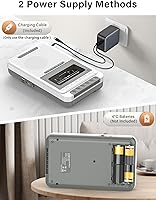
  • Dual power options — Type-C cable or C batteries — cover both home and travel use.
  • Three playback modes in one device: cassette tape, USB drive, and TF card.
  • External microphone input gives users a clear upgrade path for better recording quality.
  • The retractable handle makes it genuinely portable rather than just technically portable.
  • Comes with a 12-month warranty, which is reasonable assurance for the price range.
  • Headphone jack delivers warm, faithful tape sound for private listening sessions.

Cons

  • Storage media must be FAT32 formatted — a step that catches many buyers off guard.
  • WAV-only recording format means no built-in MP3 output without post-processing.
  • PC transfer requires a separate Audacity setup, which is not explained clearly in the box.
  • Built-in speaker volume is too low for room use and disappoints buyers expecting more.
  • Requires four C-size batteries, which are bulky and more expensive to replace than AA.
  • Plastic build feels noticeably lightweight and raises durability questions for regular travel use.
  • No real-time headphone monitoring while recording limits usefulness for serious field work.
  • Tape hiss and mild distortion appear at higher recording levels, especially with music sources.

Ratings

The Dingmi 669W has been scored by our AI rating engine after parsing verified buyer reviews from multiple global markets, with spam, bot-generated feedback, and incentivized posts actively filtered out before scoring. Ratings reflect the full picture — where this retro audio device genuinely delivers and where real buyers have run into friction. Both the strengths and the honest shortcomings are baked into every number below.

Tape Digitization Ease
83%
Most buyers report that converting old cassettes to a USB drive is refreshingly straightforward — insert the tape, plug in a flash drive, press record, and the device handles the rest without any companion app. For people rescuing decades-old mixtapes or family recordings, that simplicity is the whole point.
The device saves files in WAV format only, and the storage media must be formatted as FAT32, which trips up buyers who insert a freshly purchased USB drive without reformatting first. A few users also noted that very old or degraded tapes introduce audible noise that the recorder cannot compensate for.
Recording Quality
71%
29%
For voice recordings, interviews, and capturing ambient sound, the built-in microphones perform well enough that field recorders and podcasters on a tight budget find them genuinely usable. The external mic input adds flexibility for anyone who wants cleaner results with a dedicated microphone.
At higher recording levels, some buyers notice a faint tape hiss and mild distortion, particularly when recording music rather than speech. The WAV output is uncompressed, which helps preserve what the mics capture, but the mics themselves have a ceiling that serious audio work will quickly hit.
Playback Sound Quality
67%
33%
Through the 3.5mm headphone jack, the tape player delivers a warm, authentic analog sound that fans of the format will genuinely enjoy. The cassette reproduction feels faithful rather than tinny, which matters for users revisiting old recordings for emotional or archival reasons.
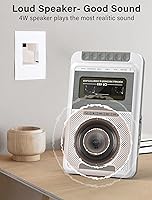
The built-in 3W mono speaker is simply not powerful enough to fill a room, and several buyers expected more from what the listing describes as a subwoofer soundstage. It works fine as background noise at arm's length, but do not expect it to anchor a social gathering or outdoor session.
Portability & Design
78%
22%
The retractable handle is a practical feature that makes it easy to carry between rooms or toss in a bag for travel, and the overall footprint is compact enough for a nightstand or desk without feeling bulky. Buyers appreciate that it does not look like sterile consumer electronics — the retro aesthetic has real charm.
At just under 2 pounds, it is heavier than it looks in product photos, and a few users mention it feels slightly unbalanced when the handle is extended. The plastic construction, while expected at this price, draws occasional comments about it feeling less premium than the styling implies.
Power Flexibility
81%
19%
Having both a Type-C charging cable and a battery option covers nearly every use scenario — plugged in at a desk for long digitizing sessions, or running on batteries during travel or outdoor use. The included Type-C cable means buyers are not hunting for a proprietary connector.
The device requires four C-size batteries, which are bulkier and harder to find than AA batteries and add noticeable cost over time for heavy users. Battery life estimates from buyers vary widely, suggesting the drain rate depends heavily on speaker use versus headphone use.
Build Quality
63%
37%
The unit feels solid enough for everyday home use, and the tape door mechanism opens and closes with reasonable confidence. Several buyers have used it regularly over multiple months without reporting mechanical failures.
The overall plastic build raises durability questions for anyone planning to use this cassette recorder in rougher conditions — a bag rattling around on a daily commute, for instance. Button feedback is soft and lacks the tactile crispness that would signal long-term reliability.
Multi-Format Playback
76%
24%
The ability to play audio from USB drives and TF cards alongside cassette tapes means buyers get a legitimately versatile device rather than a single-purpose nostalgia item. Switching between modes is simple and does not require navigating menus.
There is no Bluetooth or aux-in support, which limits how the device fits into a modern audio setup. Buyers looking to use it as a bedside speaker for streaming or phone audio will find it falls short of those expectations.
PC Transfer Workflow
58%
42%
For buyers comfortable with Audacity, the ability to pipe audio directly into a computer opens up more precise editing, noise reduction, and format conversion options beyond what the device handles on its own. It is a capable pipeline for archiving projects when used with free software.
Audacity is a third-party dependency that non-technical buyers find intimidating, and the product offers no guided setup for this workflow. Users expecting a plug-and-play USB audio interface experience will be disappointed — this requires more setup than the listing clearly communicates.
Bidirectional Conversion
72%
28%
The ability to record digital files from a USB drive back onto a cassette tape is a genuinely niche but appreciated feature among analog enthusiasts and hobbyists who want to create custom tapes. It works as described for most buyers who try it.
Audio quality inevitably degrades in the digital-to-tape direction, which some buyers do not anticipate. The process also requires careful level matching to avoid distortion, and there is no automatic gain control to help less experienced users dial it in.
Microphone Versatility
74%
26%
The dual built-in microphones handle conversational recording and voice memos with clarity that is more than adequate for informal use. The external mic jack is a practical addition that gives buyers an upgrade path without replacing the whole device.
There is no monitoring option while recording — you cannot listen in real time through headphones to check levels — which is a genuine gap for anyone doing interview or field recording work. Buyers who discover this limitation after purchase mention it as a frustration.
Value for Money
77%
23%
Given the combination of cassette playback, bidirectional conversion, USB and TF card support, and a working microphone, the price-to-feature ratio is strong for a niche product category. Buyers consistently note that finding all these functions in a single unit at this price is uncommon.
Buyers who purchase primarily for high-fidelity audio reproduction tend to feel the sound quality does not justify the cost relative to standalone dedicated players. If you only need to play tapes and have no digitizing needs, cheaper single-function options exist.
Setup & Ease of Use
82%
18%
Out of the box, the core functions — tape play, USB playback, recording to a drive — require very little setup and no manual reading for most buyers. The control layout is intuitive enough that buyers of varying technical comfort levels report getting started quickly.
The FAT32 requirement for storage media is not prominently communicated, and several buyers burned time troubleshooting failed recordings before discovering the formatting issue. A clearer quick-start guide would reduce this friction significantly.
Warranty & Support
69%
31%
A 12-month warranty and stated 24/7 customer service give buyers reasonable confidence for a product in this price range. Some users report responsive replies when they contacted support with setup questions.
As with many smaller electronics brands, the quality and speed of actual support experiences vary. A handful of buyers mention difficulty getting timely replacements or clear troubleshooting guidance, suggesting the support offering is inconsistent rather than reliably excellent.

Suitable for:

The Dingmi 669W is a smart buy for anyone sitting on a collection of old cassette tapes and wanting a practical, low-friction way to preserve them digitally without investing in dedicated archiving hardware. It works especially well for people who just want to plug in a USB drive, press record, and walk away — no software installation required at the device level. Analog hobbyists who actually enjoy recording new content to tape will appreciate the bidirectional conversion, which is a rare feature at this price. Travelers and commuters who love the tactile ritual of cassettes but do not want to depend on streaming will find the battery option genuinely useful on the road. It also makes a thoughtful, functional gift for someone who grew up with cassettes and has a box of old tapes they have always meant to revisit.

Not suitable for:

If your primary goal is high-fidelity audio — whether playing back tapes or recording new material — the Dingmi 669W will likely leave you underwhelmed, as the built-in speaker and microphones have real ceiling limitations that become apparent quickly. Buyers who expect a plug-and-play PC recording interface will run into friction, since transferring audio to a computer requires setting up Audacity independently, which is not a complicated process but is also not the zero-effort experience some anticipate. The WAV-only output format and strict FAT32 storage requirement add small but real hurdles, particularly for less tech-savvy users who may not know how to reformat a USB drive. Anyone looking for a device that doubles as a Bluetooth speaker, aux-in receiver, or streaming companion should look elsewhere — this cassette recorder is purpose-built for tape-centric use and does not pretend otherwise. If you only need to play tapes and have no interest in recording or digitizing, simpler and cheaper dedicated players exist.

Specifications

  • Brand & Model: Manufactured by Dingmi under model number 669W, released to market in August 2024.
  • Dimensions: The unit measures 5.83 x 9.65 x 1.85 inches, making it compact enough for a desk or travel bag.
  • Weight: The device weighs 1.98 pounds, which is noticeably substantial for a handheld cassette player.
  • Power Options: Operates on either four C-size batteries or a Type-C USB cable, both options supported simultaneously as alternatives.
  • Speaker Output: Features a built-in 3W mono speaker with a 4-ohm impedance rating for casual room-level playback.
  • Headphone Jack: Equipped with a standard 3.5mm audio output jack compatible with most wired headphones and earphones.
  • Playback Modes: Supports three independent playback modes: cassette tape, USB flash drive, and TF/SD card.
  • Recording Format: All recordings are saved as uncompressed WAV audio files regardless of the recording source.
  • Storage Compatibility: Compatible with USB flash drives and TF/SD cards formatted exclusively in FAT32; other formats are not supported.
  • Microphone: Includes built-in HD dual microphones and a dedicated external microphone input jack for upgraded recording setups.
  • Conversion Direction: Supports bidirectional audio conversion: cassette-to-digital and digital-to-cassette recording in both directions.
  • PC Transfer: Audio can be transferred to a computer using the free Audacity software via a standard USB audio connection.
  • Handle: Features a retractable carry handle integrated into the top of the unit for portability and easy repositioning.
  • Warranty: Covered by a 12-month manufacturer warranty with stated 24/7 customer service support from Dingmi.
  • Amazon Ranking: Ranked #12 in the Portable Cassette Players and Recorders category on Amazon as of its review period.

Related Reviews

FAQ

No software is needed for the basic tape-to-USB workflow. You just insert a FAT32-formatted USB drive, put in your cassette, and press record. The device handles everything on its own and saves the file as a WAV directly to the drive.

The most common reason is that the drive is not formatted as FAT32. Many USB drives sold today come pre-formatted as exFAT or NTFS, which this cassette recorder does not support. Reformat the drive to FAT32 using your computer and it should work fine.

The device itself only records in WAV format, so there is no way to change that on the device. Once the WAV file is on your USB drive, you can convert it to MP3 using free software like Audacity, VLC, or any number of online converters.

It is manageable but not quite plug-and-play. You connect the tape player to your computer via a USB audio cable, open Audacity, set the input source to the device, and hit record while the tape plays. If you have never used Audacity before, expect a short learning curve of 20 to 30 minutes getting the settings right.

Honestly, only just. The 3W mono speaker works fine as background audio at close range, but it does not project well across a normal-sized room. For serious listening, headphones are a much better option with this device.

Yes, standard rechargeable C-size NiMH batteries work fine. Just keep in mind that rechargeable C batteries typically deliver slightly lower voltage than alkaline ones, which can sometimes affect playback speed marginally on older tape equipment, though most users do not notice a difference.

Not directly via a Bluetooth or aux connection, since the device has no audio input for external playback sources. However, you can save digital audio files to a USB drive or SD card and then use the digital-to-cassette recording mode to transfer that audio onto a tape.

Unfortunately, no. The tape player does not support real-time headphone monitoring during recording, which means you cannot check your audio levels live while a session is running. You will need to do a short test recording first and play it back to verify quality before committing to a full recording.

Battery life varies depending on whether you are using the speaker or headphones — speaker use drains batteries significantly faster. Most users report anywhere from 4 to 8 hours of use on a fresh set of alkalines. For long digitizing sessions, the Type-C cable is the smarter option.

It is a reasonable option for casual field recording — the built-in microphones capture clear speech at conversational distances, and the external mic jack lets you upgrade the input if needed. The main limitation is the lack of real-time monitoring, so you cannot catch audio problems mid-session without stopping and reviewing the file.