Overview

The Dermalure Mandelic Acid 30% Chemical Peel 60ml occupies an interesting space in the at-home peel market — it carries a medical-strength concentration that most clinical-grade formulas use, but the choice of mandelic acid over glycolic or salicylic makes it significantly more approachable for sensitive and rosacea-prone skin. Mandelic acid's larger molecular structure means it absorbs more slowly, which translates to less redness and irritation during and after treatment. The 60ml bottle is a reasonable size; used once or twice a week, most people find it lasts a couple of months. Dermalure positions this as a professional-grade product, and that's fair — but manage your expectations. Results build over weeks, not days.
Features & Benefits

What sets this AHA exfoliant apart chemically is mandelic acid's larger molecular size — it doesn't rush through the skin barrier the way glycolic acid does, which substantially lowers the odds of post-peel redness in sensitive users. That slower absorption still delivers: the acid loosens dead surface cells for a brighter, cleaner look fairly quickly, while longer-term collagen stimulation improves texture with consistent use. It also carries genuine antibacterial properties, which is why cystic and hormonal acne responds particularly well to it. The liquid formula applies evenly with a cotton pad and, notably, doesn't leave skin feeling stripped — a common complaint with stronger AHA peels.

Best For

This mandelic acid peel is a strong candidate for anyone whose skin doesn't tolerate glycolic acid well. If you've tried a higher-strength glycolic or lactic peel and ended up with days of irritation, the gentler absorption rate here is likely to make a real difference. It's particularly well-suited for persistent cystic acne, post-inflammatory hyperpigmentation, and congested pores in adults who want more than a weekly scrub can offer. Those dealing with melasma or surface-level dark spots will generally see steady progress, though deep melasma demands patience and consistent sun protection alongside treatment. Rosacea-prone users who've felt locked out of chemical exfoliation often find this a manageable entry point.

User Feedback

Consistent users tend to report real improvements in skin texture and tone after four to six weeks, and the recurring theme in positive reviews is how manageable the Dermalure peel feels compared to similar-strength glycolic options. That said, a few friction points come up regularly. Packaging instructions leave some first-time users without enough guidance on timing, neutralization, or sun protection — gaps that genuinely matter with a medical-strength formula. Some also experience a brief purging phase in the early weeks, which is normal but not clearly flagged anywhere on the product. Results for deep, stubborn melasma are more mixed; surface hyperpigmentation responds better. Overall sentiment leans positive, but the experience rewards those who do their homework beforehand.

Pros

  • Mandelic acid is significantly gentler than glycolic acid at comparable strengths, making it usable for sensitive and rosacea-prone skin types.
  • The 30% concentration delivers real, clinically meaningful exfoliation — not a watered-down at-home compromise.
  • Antibacterial properties make this AHA exfoliant particularly effective against cystic and hormonal acne, not just surface breakouts.
  • Most users notice improved skin texture and a more even tone within four to six weeks of consistent use.
  • The liquid form applies cleanly and evenly with a cotton pad, giving you precise control over coverage.
  • Unlike many AHA peels, this mandelic acid peel does not leave skin feeling stripped or uncomfortably tight after use.
  • Targets a wide range of concerns — acne, pores, dark spots, and uneven tone — without needing multiple separate products.
  • The 60ml bottle offers solid value for the concentration level, lasting roughly two months with regular weekly use.
  • Gentler absorption means fewer days of visible redness or peeling compared to equivalent glycolic treatments.
  • Works well for people who want professional-level exfoliation results without scheduling or cost of clinic appointments.

Cons

  • Packaging instructions are sparse — first-time peel users will need to research neutralization steps and timing independently.
  • Results for deep or stubborn melasma are inconsistent and often underwhelming compared to surface hyperpigmentation.
  • An early purging phase can catch unprepared users off guard, sometimes leading them to abandon the product prematurely.
  • Strict daily SPF use is non-negotiable during treatment, which adds a layer of commitment some buyers underestimate.
  • The formula requires a separate neutralizing agent — an added step and cost not always made clear at point of purchase.
  • Improvement is gradual; users looking for quick visible results within the first week or two are likely to feel let down.
  • Not suitable for stacking with other active exfoliants already in your routine without careful scheduling.
  • Dermalure provides limited brand-level educational support, so users largely rely on third-party resources for guidance.
  • Those with very deep or active rosacea flares may still find even mandelic acid too stimulating during breakout periods.

Ratings

Our AI rating system analyzed thousands of verified global reviews for the Dermalure Mandelic Acid 30% Chemical Peel 60ml, actively filtering out incentivized, duplicate, and bot-generated submissions to surface what real buyers actually experience. The scores below reflect both the genuine strengths that keep users reordering and the honest friction points that affect satisfaction — nothing is glossed over.

Efficacy for Acne
88%
Users dealing with persistent cystic and hormonal acne consistently report visible reductions in active breakouts after three to five weeks of regular use. The antibacterial action of mandelic acid gives this peel a meaningful edge over purely exfoliating alternatives, and many users note fewer deep, painful blemishes forming over time.
Results for severe or nodular acne are slower and less dramatic than users sometimes anticipate from a 30% concentration. A handful of reviewers experienced an initial purging phase lasting two to three weeks that temporarily worsened breakouts before improvement became apparent.
Skin Tone & Brightness
84%
A clear majority of reviewers notice a tangible improvement in overall skin radiance and evenness after consistent weekly use. The dual exfoliating action — surface cell clearance combined with gradual collagen stimulation — produces a cumulative brightening effect that users describe as looking more rested and clearer without appearing over-treated.
The brightening effect is gradual, which frustrates buyers expecting faster results similar to in-clinic treatments. Users with deeper or more complex discoloration sometimes feel the improvement in overall tone is modest compared to the investment in time and product.
Hyperpigmentation Results
76%
24%
Post-inflammatory hyperpigmentation — the kind left behind by acne or minor skin trauma — responds well to this AHA exfoliant when used consistently over six to eight weeks. Users targeting sun spots and surface-level age spots report steady, noticeable fading that compounds over multiple treatment cycles.
Deep dermal melasma is a different story; reviewers managing this condition frequently note limited or inconsistent improvement, and several conclude that a professional treatment protocol is still necessary alongside at-home peeling. This gap between surface and deep pigmentation results is the most commonly cited disappointment.
Gentleness & Tolerability
91%
This is the category where the Dermalure peel earns its most consistent praise, particularly among users who switched from glycolic acid peels. The larger molecular structure of mandelic acid genuinely translates to a milder on-skin experience — less stinging, fewer days of redness, and a much more forgiving margin for those still learning peel timing.
Even with its gentler profile, a small segment of users with highly reactive or compromised skin barriers report unexpected sensitivity, particularly during the first two sessions. Those using actives like retinoids on non-peel days sometimes push their skin barrier too far and attribute the irritation incorrectly to this peel alone.
Pore & Texture Improvement
81%
19%
Reviewers with chronically congested pores and rough skin texture rate this among the more effective at-home options they have tried. Regular weekly use keeps pores visibly cleaner and tighter, and the overall smoothing effect on skin texture is frequently mentioned as one of the first visible changes noticed within the first month.
Pore-tightening results plateau for some users after six to eight weeks without increasing frequency or pairing with a complementary blackhead-targeting routine. Users with severely enlarged pores due to genetic factors tend to report more modest improvements than those with congestion-related pore enlargement.
Ease of Use
63%
37%
The liquid format applies cleanly and precisely with a cotton pad, and the application process itself is straightforward once a user understands the protocol. Experienced chemical peel users find the product intuitive and appreciate the controlled coverage the liquid form allows.
The product's packaging provides minimal guidance on critical steps like contact time, neutralization, and sun protection — a significant gap for first-time peel users who make up a meaningful portion of the buyer base. Several reviewers report making preventable mistakes, including skipping neutralization entirely, due to absent or unclear instructions.
Packaging & Instructions
54%
46%
The bottle itself is functional and reasonably well-sealed, with no reports of leakage during shipping. The dispenser allows controlled pouring, which is practical when working with an active acid formula.
User frustration with the lack of clear instructions is one of the most recurring themes across reviews — step-by-step guidance, recommended contact times, and neutralization instructions are notably absent from the packaging. For a medical-strength product, this is a meaningful shortfall that pushes buyers to piece together protocol from online sources.
Value for Money
78%
22%
At a mid-to-upper price point for an at-home chemical peel, the 60ml volume offers a reasonable cost-per-use when measured against equivalent salon or dermatologist treatments. Users who factor in the savings from reduced clinic visits tend to view this AHA exfoliant as strong value over a three to six month horizon.
Buyers who expect instant or dramatic results and abandon the product after just a few sessions often feel the price is difficult to justify. The need to separately purchase a neutralizing solution adds a hidden cost that some users do not factor in at the time of purchase.
Results for Rosacea
71%
29%
Among rosacea-prone users who previously felt locked out of chemical exfoliation, this mandelic acid peel represents a viable and manageable option during stable, non-flaring periods. Several reviewers specifically note improved skin texture without the reactive redness they experienced with glycolic or lactic acid alternatives.
Users who attempt to use this peel during active rosacea flares consistently report worsening redness and irritation, and the product carries no specific guidance warning against this. Results for rosacea management are highly variable and heavily dependent on individual skin reactivity and current skin state.
Post-Peel Hydration
79%
21%
Unlike many AHA peels at comparable concentrations, this formula does not leave skin feeling uncomfortably stripped or tight after use. Users frequently comment that the hydrating aspect of the formula makes the post-peel recovery period more comfortable, particularly for those who dread the dry, flaky aftermath associated with stronger peels.
Some users with naturally drier skin still find additional moisturization necessary immediately after neutralizing, especially in colder or lower-humidity environments. The hydration element is a meaningful positive but should not be mistaken for eliminating the need for a good moisturizer in your post-peel routine.
Speed of Visible Results
58%
42%
Users who approach this product with realistic expectations and commit to a consistent weekly routine do begin to see meaningful textural and tonal improvements within four to six weeks. Those targeting surface-level pigmentation or active breakouts tend to see the earliest visible changes, which reinforces motivation to continue.
The gradual nature of mandelic acid's action is its defining trade-off, and a significant portion of negative reviews stem from buyers expecting faster, more dramatic results than a weekly at-home peel can realistically deliver. Compared to in-clinic treatments, the timeline to visible improvement is considerably longer.
Suitability for Beginners
52%
48%
Mandelic acid's forgiving absorption profile makes this a more accessible first chemical peel than glycolic at the same concentration, and users who do their research beforehand generally navigate the experience without major issues. The gentler sensation during application is reassuring for those new to acid peels.
The complete absence of beginner-oriented guidance in the product packaging makes this a risky starting point for someone with no prior peel experience. Without knowing to patch test, time the application, neutralize properly, and wear SPF daily, the risk of a negative experience is meaningfully higher than it needs to be.
Acne Scar Fading
67%
33%
Reviewers targeting shallow acne scarring — particularly rolling or textural scarring — report gradual improvement in skin smoothness and scar visibility over two to three months of consistent use. The collagen-stimulating effect of regular AHA exfoliation contributes to this slow but real surface remodeling.
Ice-pick or deep pitted scars show little to no improvement with this peel, which is consistent with the limitations of any topical AHA treatment. Users who purchase this specifically for deep scar revision are almost universally disappointed and would benefit from being steered toward professional resurfacing options instead.

Suitable for:

The Dermalure Mandelic Acid 30% Chemical Peel 60ml is genuinely well-matched for adults who have wanted to incorporate chemical exfoliation into their routine but found glycolic or salicylic acid peels too aggressive. If your skin leans sensitive, reactive, or rosacea-prone, the slower absorption rate of mandelic acid makes a meaningful practical difference — less post-peel redness, fewer days of disrupted skin, and a more forgiving margin for error if your timing isn't perfect. It's also a smart option for anyone managing post-inflammatory hyperpigmentation, hormonal or cystic acne, or persistently congested pores who wants something more targeted than a physical exfoliant. People who've spent money on clinic peels and want a comparable at-home alternative at a fraction of the cost will find the 30% concentration genuinely capable. Used consistently once or twice a week with proper sun protection, it delivers steady, cumulative results that most users start noticing around the four to six week mark.
Not suitable for:

The Dermalure Mandelic Acid 30% Chemical Peel 60ml is not the right starting point for complete beginners to chemical exfoliation who aren't prepared to research proper peel protocol beforehand — the product's own packaging doesn't offer enough instructional guidance to fill that gap safely. Anyone expecting overnight results or a dramatic single-session transformation will be disappointed; this is a slow-build treatment that rewards consistency, not impatience. People dealing with deep, dermal-layer melasma should temper their expectations significantly, as surface-level AHA peels have limited reach into that kind of pigmentation, and more targeted professional intervention may be warranted. Those currently using strong prescription retinoids, other AHA or BHA exfoliants, or recovering from any skin procedure should consult a dermatologist before adding a 30% acid peel to their routine. Finally, anyone unwilling to commit to strict daily SPF use during treatment is genuinely better off skipping it — AHA peels increase photosensitivity, and skipping sun protection will undo progress and risk new pigmentation damage.

Specifications

  • Brand: Manufactured by Dermalure, a professional-grade skincare brand focused on results-driven chemical exfoliation products.
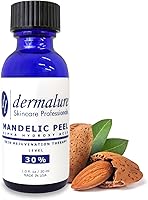
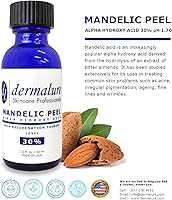
  • Active Ingredient: The sole active ingredient is mandelic acid, an alpha hydroxy acid (AHA) derived from bitter almonds.
  • Concentration: This formula contains a 30% mandelic acid concentration, which is considered medical-strength for at-home use.
  • Volume: Each bottle contains 60ml (2.0 fl. oz) of liquid peel solution.
  • Acid Type: Mandelic acid is classified as an alpha hydroxy acid (AHA), distinct from beta hydroxy acids like salicylic acid.
  • Molecular Size: Mandelic acid has a larger molecular weight than glycolic acid, resulting in slower dermal absorption and reduced risk of irritation.
  • Form: The product is a liquid solution applied topically to the face using a cotton pad or gauze.
  • Skin Type: Formulated for acne-prone, sensitive, and rosacea-prone skin types that may not tolerate stronger AHA peels.
  • Targets: Addresses cystic acne, blackheads, whiteheads, enlarged pores, post-inflammatory hyperpigmentation, melasma, age spots, and sun spots.
  • Primary Benefits: Designed to exfoliate dead skin cells, promote collagen turnover, and provide simultaneous hydration to prevent post-peel dryness.
  • Usage Frequency: Recommended use is once to twice per week, adjusted based on individual skin tolerance and reaction.
  • Application Method: Applied by saturating a cotton pad or gauze with solution and spreading evenly across cleansed, dry skin.
  • Neutralizer Required: Standard AHA peel protocol applies — a neutralizing solution should be used to halt the acid activity after the intended contact time.
  • Antibacterial Action: Mandelic acid carries intrinsic antibacterial properties that help target the bacteria contributing to cystic and hormonal acne.
  • Discontinued: This product is currently active and has not been discontinued by the manufacturer.

Related Reviews
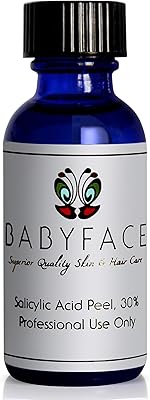
Babyface 30% Salicylic Acid Chemical Peel 1.2oz
78%
86%
Blackhead & Pore Improvement
82%
Oil Control
91%
Strength & Potency
84%
Formula Comfort (Alcohol-Free)
88%
Dilution Flexibility
More
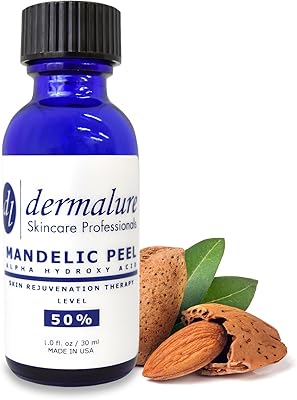
Dermalure Mandelic Acid 50% AHA Peel 1.0 fl. oz
82%
87%
Effectiveness for Acne Treatment
91%
Hyperpigmentation & Dark Spot Reduction
80%
Gentle Exfoliation for Sensitive Skin
85%
Improvement in Fine Lines & Wrinkles
78%
Skin Hydration & Comfort
More
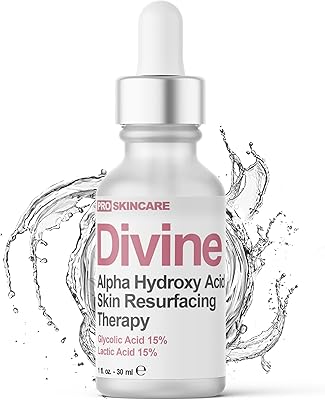
Divine Derriere Gly-Lac 30 AHA Peel 1oz
74%
88%
Exfoliation Effectiveness
81%
Acne & Blemish Control
76%
Hyperpigmentation & Tone
91%
Texture & Absorption
62%
Skin Tolerance & Irritation Risk
More
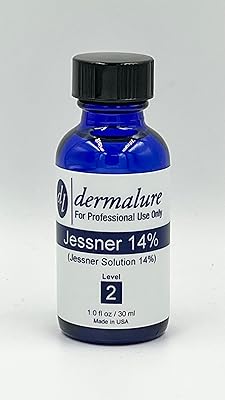
Dermalure Jessner Solution 14% 30ml Face Peel
74%
88%
Exfoliation Effectiveness
86%
Skin Texture Improvement
74%
Hyperpigmentation Results
67%
Ease of Application
61%
Skin Tolerance & Comfort
More
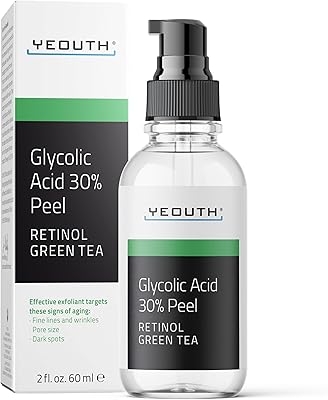
YEOUTH Glycolic Acid Peel 30% with Retinol 2oz
81%
88%
Effectiveness
91%
Ease of Use
75%
Skin Sensitivity Compatibility
89%
Exfoliation Results
83%
Anti-Aging Benefits
More
Hollywood Skincare Glycolic Acid Chemical Peel 1oz
73%
74%
Effectiveness on Hyperpigmentation
81%
Skin Texture Improvement
62%
Sensitivity & Skin Tolerance
88%
Value for Money
83%
Ease of Application
More
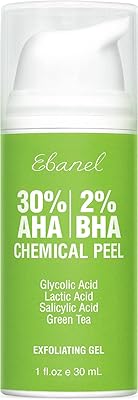
Ebanel 30% AHA BHA 1oz Face Peel
81%
88%
Exfoliation Effectiveness
83%
Dark Spot & Tone Correction
81%
Pore Clarity & Oil Control
69%
Skin Sensitivity & Tolerance
74%
Value for Money
More
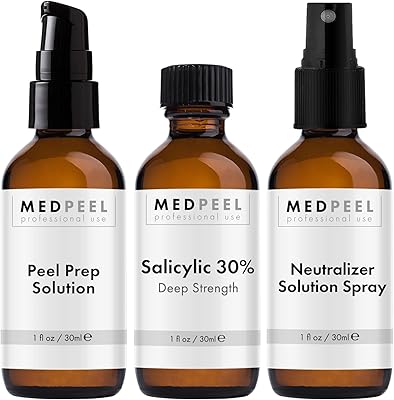
MedPeel Salicylic Acid 30% Chemical Peel Kit
76%
88%
Efficacy for Acne and Blackheads
86%
Pore Clarity and Texture
91%
Kit Completeness
61%
Instruction Clarity and Safety Guidance
58%
Post-Peel Downtime
More
Perfect Image Lactic Gel Peel 30% with Kojic Acid
83%
89%
Effectiveness for Fine Lines and Wrinkles
85%
Brightening and Even Skin Tone
76%
Suitability for Sensitive Skin
82%
Ease of Application
87%
Texture and Feel on Skin
More
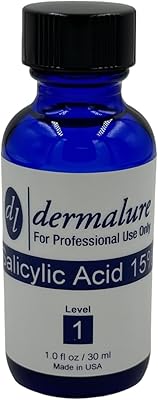
Dermalure Salicylic Acid 15% Chemical Peel 30ml
71%
83%
Acne-Fighting Efficacy
79%
Pore Refinement
74%
Hyperpigmentation Improvement
86%
Skin Texture & Smoothness
81%
Ease of Application
More

FAQ

For first-time users, two to three minutes is a reasonable starting point. As your skin builds tolerance over several sessions, you can gradually extend that to five minutes. Always listen to your skin — if you feel significant burning rather than a mild tingle, neutralize immediately and shorten your time next session.

You do need a proper neutralizer. Plain water slows the reaction but doesn't reliably halt it the way a baking soda solution or a dedicated AHA neutralizer does. Skipping this step increases the risk of over-exfoliation, especially at a 30% concentration. A simple mix of baking soda and water works fine if you don't have a commercial neutralizer on hand.

It's on the stronger end for a first peel, so you'll want to go in prepared. Patch test on a small area of your jaw or inner arm at least 24 hours before applying to your full face. Start with the shortest contact time, don't skip the neutralizer, and commit to daily SPF use during your treatment period. If you're completely new to chemical exfoliation, starting with a lower concentration mandelic peel first isn't a bad idea.

Most likely, no — this is a very common purging response. When an acid peel accelerates cell turnover, it pushes congestion already forming beneath the surface to the top faster than it would have appeared on its own. This typically settles within two to four weeks of consistent use. If the breakouts are severe, inflamed, or spreading beyond your usual problem areas, it's worth pausing and consulting a dermatologist.

Mandelic acid is one of the more rosacea-friendly AHA options precisely because of its slower absorption rate, but rosacea exists on a spectrum. If your skin is in an active flare — visible redness, broken capillaries, or active papules — it's better to wait until things calm down before introducing any chemical exfoliant. When your skin is in a more stable state, start with a short contact time and monitor carefully.

Yes, and this is honestly one of the stronger use cases for this AHA exfoliant. Post-inflammatory hyperpigmentation that sits at the surface layer of the skin responds well to consistent mandelic acid use over four to eight weeks. The results tend to be gradual but noticeably steady — most users see meaningful fading, not complete erasure, which is a realistic expectation for any topical treatment.

You shouldn't combine them in the same routine or on the same days. Using this mandelic acid peel and a retinoid within the same 24-hour window significantly raises your risk of irritation and barrier damage. On peel days, skip the retinol entirely. A common approach is alternating — peeling one to two nights per week and using retinol on off nights, with at least one or two rest nights in between.

With once-a-week use, a 60ml bottle typically lasts around eight to ten weeks depending on how much solution you saturate your cotton pad with. If you increase to twice a week, expect closer to four to five weeks. The bottle is reasonably sized for the price point, though committed weekly users will want to factor in reorder timing.

It can support improvement in melasma, but the results depend heavily on how deep the pigmentation is. Surface-level melasma responds better to AHA peels than deeper, dermal melasma, which often requires a dermatologist-directed treatment plan. This AHA exfoliant is most useful as part of a broader melasma management routine — not as a standalone solution for severe or longstanding cases. Consistent SPF use alongside treatment is non-negotiable if you're targeting melasma.

Not dramatically, which is one of the reasons people appreciate this peel. You may notice some light flaking or dry patches in the day or two after application, particularly in the first few sessions, but it's rarely the kind of visible shedding associated with stronger TCA or high-concentration glycolic peels. Most people can apply it in the evening and go about their normal day the next morning with no obvious signs of treatment.