Overview

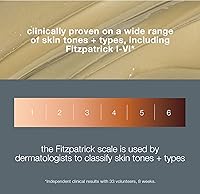
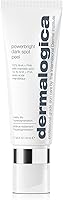
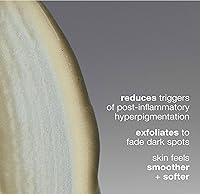
The Dermalogica PowerBright Dark Spot Peel 1.7oz is a professional-grade exfoliating treatment built for home use, designed around a 12% AHA/PHA complex to target persistent hyperpigmentation and uneven skin tone. That concentration sets it apart from typical brightening serums or gentle toners. It's not a quick fix, and it shouldn't be treated like one. Consistent, patient use — two to three times a week over several weeks — is what the formula actually requires to deliver visible results. The upside is that it suits all skin types, so it isn't restricted to fair or dry complexions; those with oilier or darker skin dealing with stubborn discoloration have a real reason to consider it.
Features & Benefits

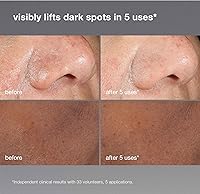
What makes this dark spot peel worth taking seriously is the thinking behind the formulation, not just the acid percentage. Glycolic acid leads the AHA/PHA blend, working to break up pigmented cells and speed up the skin's natural renewal cycle — going after the root cause of discoloration rather than just brightening the surface. The formula also includes an omega-3 fatty acid blend, an unusual addition that helps offset the irritation glycolic acid can cause and keeps the barrier intact during active exfoliation. It arrives in a liquid form, fragrance-free, making it accessible to sensitive skin types who often have to skip stronger chemical treatments.

Best For

The PowerBright peel is a strong fit for people already familiar with chemical exfoliants who want to address post-acne marks and melasma more aggressively than a brightening serum alone can manage. Think of it as a meaningful step up from a standard AHA toner — something used two to three times weekly as part of a consistent, structured routine, not casually. One firm caveat: if you have a compromised skin barrier, or acids are entirely new to your routine, this is probably not the right starting point. And anyone using this exfoliating treatment must also commit to daily broad-spectrum SPF — AHAs increase photosensitivity significantly, and skipping sun protection will quietly undo any progress made.

User Feedback

The 3.7-star average tells an honest story: this is a product that clearly works for some people and clearly doesn't for others. Those who see results — and there are plenty of them — tend to report gradual texture improvement and fading of dark spots after about four to six weeks of regular use. The complaints are equally consistent: some users experienced sensitivity or irritation, and others felt the price-to-volume ratio was hard to justify when results took weeks to materialize. A recurring practical frustration is the liquid format being difficult to control without a separate applicator. The split reception looks more like mismatched skin type expectations than a fundamentally broken formula.

Pros

  • Glycolic-acid-led formula targets melanin production at the source, not just the surface of the skin.
  • The omega-3 blend actively works to protect the skin barrier during exfoliation, reducing the risk of over-irritation.
  • Completely fragrance-free, which is a meaningful detail for anyone whose skin tends to react to synthetic scents.
  • Designed for all skin types, including darker complexions where hyperpigmentation is a persistent and often undertreated concern.
  • Regular users report visible texture smoothing and gradual dark spot fading within about four to six weeks.
  • Replaces multiple pricey clinic appointments with a take-home formula that delivers a comparable resurfacing effect.
  • At 12% AHA and PHA, the concentration is high enough to produce real, measurable changes in skin tone.
  • The compact 1.7 fl oz size is travel-friendly and concentrated enough that a little goes a long way.

Cons

  • A 3.7-star average signals a genuinely split user base — this treatment clearly does not deliver for everyone.
  • Results require four to six weeks of consistent use; buyers expecting quick improvements will likely feel let down.
  • The liquid format can be awkward to dispense accurately without a dedicated applicator or dropper.
  • A portion of users experienced noticeable irritation or sensitivity reactions, even when following the recommended usage instructions.
  • The price is steep, especially given that results are not guaranteed and take several weeks to materialize.
  • Daily broad-spectrum SPF becomes mandatory during use — a non-negotiable added step and ongoing expense.
  • Not appropriate for acid beginners or anyone with an already-compromised or highly sensitized skin barrier.
  • The bottle may feel expensive relative to how quickly it gets used at the recommended two-to-three-times-weekly frequency.

Ratings

The scores below are generated by our AI engine after analyzing thousands of verified buyer reviews for the Dermalogica PowerBright Dark Spot Peel 1.7oz sourced from global platforms, with spam, bot submissions, and incentivized feedback actively excluded. Each category is scored to reflect the honest split between buyers who saw genuine results and those who encountered real frustrations, so you can make a more grounded decision before purchasing. Nothing has been softened to protect the brand.
Efficacy on Dark Spots
71%
29%
Among users who committed to the full four-to-six-week routine and wore sunscreen daily, visible dark spot reduction was one of the most consistently reported outcomes. The glycolic acid-led formula genuinely targets melanin at the cellular level, and buyers dealing with post-acne marks and mild melasma noted meaningful fading that their previous serums could not achieve.
Results are heavily dependent on patience and consistency — buyers who expected faster turnaround left disappointed, and the 3.7-star average reflects that reality. A significant portion of negative reviews came from users who either stopped too early or failed to pair the treatment with daily SPF, which the formula requires to function effectively.
Skin Texture Improvement
78%
22%
Texture refinement emerged as one of the more reliable benefits across the review pool, with many users noticing smoother, more even skin within three to four weeks — often before dark spot fading became apparent. Buyers who described their skin as rough or congested before use were particularly enthusiastic about the resurfacing effect.
Not every user saw meaningful textural change, and those with already smooth skin found little improvement to point to. Users with very oily skin occasionally noted that texture benefits fluctuated depending on their overall routine, making it difficult to attribute gains specifically to this treatment alone.
Irritation & Tolerance
59%
41%
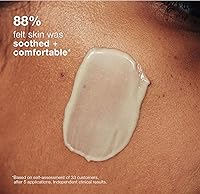
Buyers already experienced with AHA-based products generally tolerated the formula well, reporting minimal discomfort at the recommended two-to-three-times-per-week cadence. The omega-3 barrier-support component earned genuine appreciation from users who historically found acid treatments left their skin tight or uncomfortably raw.
A notable segment of reviewers — including some who described themselves as having normal skin — reported unexpected redness, stinging, or prolonged sensitivity after use. Several buyers mentioned reacting after just one or two sessions, suggesting the formula's concentration may be too aggressive for skin that has not been conditioned to regular acid exposure.
Value for Money
54%
46%
Buyers who framed the cost relative to professional salon or clinic peel appointments found the per-session value more reasonable, particularly those using it consistently over several months. For this group, the at-home convenience and professional-grade actives made the price feel more proportionate to what they were getting.
The majority of negative reviewers cited the price as a significant barrier, especially when results were not guaranteed and took weeks to materialize. For buyers who experienced irritation or saw little improvement in the early weeks, the cost-to-outcome ratio felt particularly difficult to justify at this price tier.
Speed of Results
47%
53%
Among committed users who maintained a consistent routine and protected their skin with daily SPF, gradual improvements were documented — and several reviewers reported that the quality of results at the six-week mark felt worth the wait. For those managing persistent sun spots or post-acne marks, the cumulative effect was meaningful and sustained.
This is the single most common complaint across the review pool: buyers simply were not expecting to wait four to six weeks before seeing meaningful change. Compared to in-clinic peels that deliver visible results in fewer sessions, the slow pace was a dealbreaker for users who had not factored patience into their purchase decision.
Formula Quality
83%
The 12% AHA and PHA combination drew consistent praise from ingredient-savvy buyers who recognized the clinical relevance of anchoring the formula around glycolic acid. The addition of an omega-3 blend to support the barrier during active exfoliation was widely seen as a thoughtful, evidence-informed formulation decision rather than a token inclusion.
A handful of users questioned whether the omega-3 content was present in a meaningful concentration or primarily a marketing addition, since barrier disruption was still reported by a portion of the review pool. Some ingredient-conscious buyers also noted the full formula did not always align with the clean standard they expected at this price level.
Fragrance & Sensory Profile
86%
Being fragrance-free was one of the most appreciated formulation decisions among reactive and sensitized skin users, who frequently noted that previous peels or exfoliants had caused perfume-triggered flare-ups. Several reviewers specifically called out the absence of scent as a deciding factor in choosing this treatment over comparable alternatives.
Some users found the sensory experience underwhelming compared to other premium options — no scent and a thin, watery texture left a few buyers questioning whether the product was actually working during application. A small number also mentioned a faint chemical smell that, while not a traditional fragrance, was noticeable enough to be off-putting.
Packaging & Dispensing
52%
48%
The slim, upright bottle is compact and fits easily into travel bags or bathroom shelving without occupying much space. A few users appreciated that the dark outer packaging helps protect the acid-based formula from light exposure, which is a relevant consideration for maintaining ingredient stability over time.
The liquid format is a recurring pain point — without a built-in dropper or dedicated applicator, controlling the amount dispensed per session is genuinely tricky, and several users reported spillage or over-applying on early attempts. At this price point, the absence of a precision dispensing mechanism felt like a noticeable oversight.
Application Ease
63%
37%
Users who added the peel to an established evening routine found integration relatively straightforward, applying it to clean, dry skin before heavier treatments. Those who already owned cotton pads or facial applicators reported that the overall process was quick and easy to build into a consistent weekly habit.
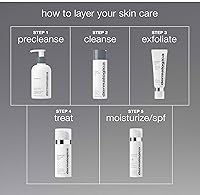
First-time users consistently flagged confusion around how much product to use per application, particularly given the liquid consistency and the absence of a clear dosage reference. Several buyers also noted uncertainty about where this peel fits in the broader layering order with other actives, suggesting the application guidance could be significantly clearer.
Barrier Support
74%
26%
For a 12% acid formula, the barrier recovery experience was better than many users expected — particularly among those who had previously found glycolic acid products left their skin raw or flaky. Credit for this generally went to the omega-3 component, which appeared to moderate the post-exfoliation tightness that typically follows strong acid use.
Despite the barrier-support intention, a portion of users still reported dry patches, flaking, or sensitivity that persisted beyond the first few sessions. Those who over-applied the formula or used it more frequently than recommended experienced the most pronounced disruption, and in some cases required a complete break from the treatment to recover.
Skin Type Inclusivity
69%
31%
Buyers with oily, combination, and normal skin types were most consistently satisfied, with many noting the formula did not clog pores or leave an uncomfortable residue. Users with deeper skin tones — a demographic often underserved by brightening products — also praised the formulation's awareness of hyperpigmentation patterns specific to melanin-rich complexions.
Dry and sensitive skin users were significantly overrepresented among the negative reviews, with several noting the formula pushed their skin into a reactive state even at the lower end of the recommended frequency. The all-skin-types claim proved aspirational rather than truly universal in real-world use.
Routine Compatibility
67%
33%
Users who kept their surrounding routine simple — a gentle cleanser, the peel, moisturizer, and morning SPF — reported the smoothest experience with the fewest complications. Skincare minimalists building a targeted dark spot protocol found the treatment slotted in naturally without requiring major restructuring of their existing habits.
The mandatory SPF commitment and the need to separate this peel from retinol and strong vitamin C on the same evening meant that multi-active users had to restructure their routines significantly. Several buyers found managing the alternating schedule between this treatment and their other actives more mentally taxing than they had anticipated.
Consistency of Results
61%
39%
Among users who reported positive outcomes, the improvement trajectory was described as predictable and progressive — those who committed fully saw steady gains week over week rather than sudden-then-stalled results. Reviewers who approached this peel as a long-term maintenance tool rather than a one-time fix reported the most stable and lasting outcomes.
The split between satisfied and unsatisfied users was unusually wide for a professional skincare brand at this price level, pointing to high result variability across skin types and usage patterns. Several users reported promising early improvement that plateaued or reversed after they took routine breaks or stopped wearing daily sunscreen.
Long-Term Maintenance
72%
28%
Buyers who extended use beyond the initial six-week period noted that improvements continued to build, with some reporting maintained results and reduced dark spot recurrence over three to six months. For those managing chronic hyperpigmentation triggers, using the peel as an ongoing two-to-three-times-weekly treatment was described as both sustainable and rewarding.
The ongoing cost of maintaining a regular supply is a real consideration — at this price point, a committed long-term routine represents a substantial annual skincare expense. A few reviewers also noted that discontinuing use after months of improvement led to gradual result regression, creating a dependency dynamic they found frustrating and difficult to budget for.

Suitable for:

The Dermalogica PowerBright Dark Spot Peel 1.7oz is best suited for skincare-savvy adults who already have a working relationship with chemical exfoliants and are ready to tackle persistent discoloration more seriously. If you are dealing with post-acne marks that have lingered for months, sun damage that a basic serum has not shifted, or melasma that keeps returning, this is the kind of targeted, repeat-use treatment worth committing to. It is also a practical option for anyone who has priced out professional chemical peel appointments and wants a credible at-home alternative without the clinic visit cost. People with darker skin tones — who are statistically more prone to hyperpigmentation and often underserved by generic brightening products — will find the all-inclusive formulation design genuinely thoughtful. Patience is non-negotiable here: plan to commit to two to three sessions per week for at least four to six weeks before making any fair judgment on results.

Not suitable for:

The Dermalogica PowerBright Dark Spot Peel 1.7oz is not the right choice for anyone new to chemical exfoliants — stepping into a 12% acid formula without prior experience is a reliable way to trigger irritation, redness, or barrier disruption. If your skin is currently reactive, sensitized, or managing an active breakout, this treatment will likely aggravate the situation rather than improve it. The price also deserves honest consideration: buyers expecting dramatic visible change within the first week or two will almost certainly feel let down, and that gap between expectation and reality explains a significant portion of the negative reviews. Those who tend to drift in and out of skincare routines should think carefully, because sporadic chemical exfoliation produces minimal benefit and raises irritation risk without the cumulative reward. And anyone not willing to incorporate a daily broad-spectrum SPF should hold off entirely — AHAs meaningfully increase UV sensitivity, and unprotected sun exposure during use will reverse whatever progress the formula makes.
Specifications

  • Brand: Manufactured and sold by Dermalogica, a professional skincare brand with a long-standing presence in clinical and spa-based treatment settings.
  • Product Line: Part of Dermalogica's PowerBright collection, a range formulated specifically to address hyperpigmentation, dark spots, and uneven skin tone.
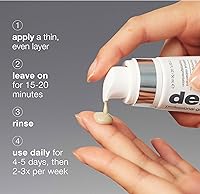
  • Form: Liquid formula designed for direct, controlled application to the face using a cotton pad or fingertips.
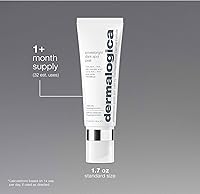
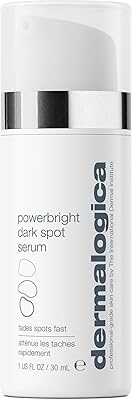
  • Volume: Supplied in a 1.7 fl oz (50 ml) bottle; compact enough for travel while concentrated enough that a small amount covers the full face.
  • Key Actives: Contains a 12% blend of AHAs (alpha hydroxy acids) and PHAs (polyhydroxy acids) to chemically exfoliate and accelerate skin renewal.
  • Primary Acid: Glycolic acid serves as the lead active ingredient, selected for its small molecular size and demonstrated ability to penetrate and stimulate cell turnover.
  • Supporting Actives: An omega-3 fatty acid blend is incorporated to help preserve the skin barrier and offset the irritation that acid-based exfoliants can trigger.
  • Skin Type: Formulated for all skin types, including oily, combination, dry, and deeper skin tones that are more prone to post-inflammatory hyperpigmentation.
  • Usage Frequency: Recommended for use two to three times per week; daily application is not advised and raises the risk of barrier disruption and over-exfoliation.
  • Target Concerns: Specifically developed to address dark spots, hyperpigmentation, melasma, post-acne marks, and uneven skin texture caused by excess melanin production.
  • Fragrance: Free from artificial fragrance, reducing the likelihood of reactions in users with reactive, sensitized, or fragrance-intolerant skin.
  • Exfoliant Type: Chemical exfoliant; works by dissolving the bonds between dead skin cells and encouraging their shedding rather than relying on any physical abrasive particles.
  • Package Dimensions: Outer packaging measures approximately 1.58 x 1.98 x 6.32 inches, fitting neatly into standard bathroom shelving or a travel toiletry bag.
  • Packaged Weight: Total packaged weight is approximately 3.04 oz, keeping it lightweight and easy to include in travel luggage.
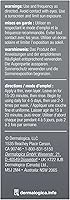
  • Application Area: Intended for facial use only; contact with the eyes, lips, broken skin, or actively irritated areas should be avoided during application.

Related Reviews

Dermalogica Powerbright Dark Spot Face Serum 1oz
80%
78%
Dark Spot Efficacy
91%
Texture & Absorption
88%
Ingredient Quality
57%
Value for Money
84%
Sensitive Skin Performance
More
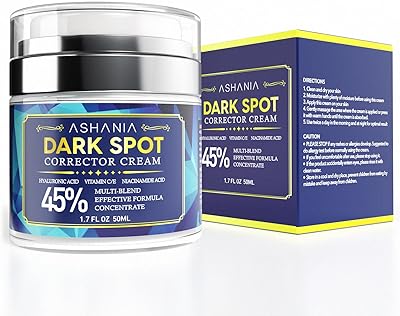
Ashania Dark Spot Corrector Cream 1.7oz
76%
76%
Effectiveness on Mild Spots
88%
Texture & Absorption
83%
Gentleness & Tolerability
58%
Results for Deeper Skin Tones
79%
Value for Money
More
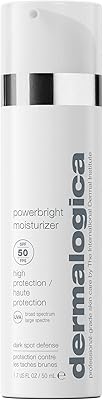
Dermalogica Powerbright Moisturizer SPF 50, 1.7oz
87%
89%
Effectiveness at Brightening
94%
Sun Protection (SPF 50)
86%
Skin Compatibility (Dry & Combination Skin)
92%
Texture and Finish
90%
Hydration Level
More
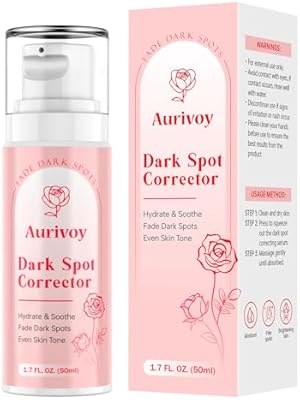
Aurivoy Dark Spot Corrector Serum 1.7oz
77%
88%
Texture & Absorption
78%
Effectiveness on Sunspots
91%
Sensitivity & Irritation
62%
Effectiveness on Melasma
84%
Hydration Performance
More
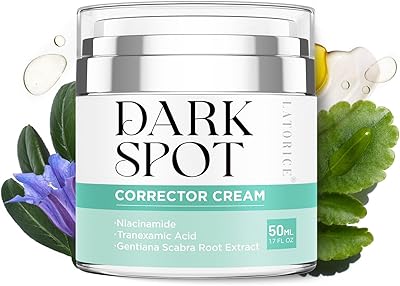
LATORICE Green Tea Dark Spot Cream 50ml
76%
67%
Effectiveness
84%
Texture & Absorption
88%
Skin Tolerance
76%
Value for Money
83%
Versatility
More
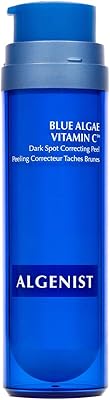
Algenist Blue Algae Vitamin C Peel 1.5 oz
79%
78%
Dark Spot Efficacy
81%
Skin Tolerance & Gentleness
62%
Value for Money
91%
Ingredient Quality
68%
Routine Compatibility
More
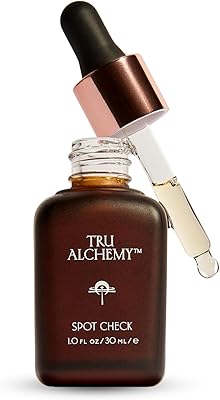
Tru Alchemy Spot Check Face Serum 30ml
76%
74%
Effectiveness on Dark Spots
82%
Texture & Absorption
91%
Ingredient Quality
63%
Value for Money
71%
Skin Tolerance
More
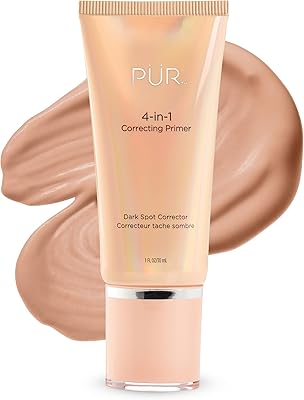
PÜR Minerals 4-in-1 Correcting Primer 1oz
76%
88%
Texture & Application
83%
Pore Minimizing Effect
57%
Dark Spot Correction
84%
Hydration
63%
Wear Longevity
More
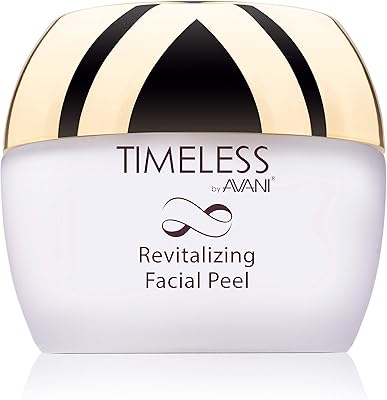
Avani Timeless Facial Peel 1.7 oz.
79%
88%
Texture & Application
83%
Gentleness & Skin Tolerance
67%
Exfoliation Effectiveness
72%
Brightening & Radiance
69%
Pore Refinement
More
Dermalogica Skin Smoothing Cream 1.7oz
86%
92%
Hydration Effectiveness
88%
Skin Compatibility for Sensitive Skin
86%
Texture and Feel on Skin
84%
Absorption Rate
72%
Fragrance Sensitivity
More

FAQ

Expect to wait at least four to six weeks of consistent use before drawing any fair conclusions. Chemical exfoliants work by gradually accelerating cell turnover, so progress is cumulative rather than sudden. Most users who report positive outcomes notice texture refinement first, with visible dark spot fading becoming apparent somewhere between weeks four and six.

No — and that guidance exists for a real reason. The recommended cadence is two to three times per week because a 12% acid formula requires recovery time between sessions. Using it daily significantly raises the risk of over-exfoliation, which can cause redness, tightness, and a compromised skin barrier that may actually worsen discoloration over time.

It depends on what sensitive means for your skin. If you have a compromised barrier, active rosacea, or persistent redness, this treatment is likely too strong and will aggravate rather than improve things. If your skin is mildly reactive but you already use gentler acids without issue, you may tolerate it — but start with a patch test and pay close attention after the first couple of sessions before committing to regular use.

Always follow the specific directions included with the product, as the intended application method is formulated intentionally and deviating from it affects both safety and results. At this acid concentration, using a rinse-off product as a leave-on — or vice versa — can lead to unnecessary irritation. The product insert will clearly state the correct contact time and whether rinsing is required.

Layering retinol with this exfoliating treatment on the same evening is not a good idea — combining two potent actives in one session pushes most skin further than it needs to go. A practical workaround is to alternate them, using the peel on designated treatment nights and retinol on the off-nights. L-ascorbic acid vitamin C is also acidic, so applying it the same day as an AHA formula can create more sensitivity than either would alone.

The mixed rating reflects a split audience more than a fundamentally flawed product. Buyers who expect visible change within a week or two tend to leave disappointed reviews, while those who commit to four to six weeks of consistent use and pair it with daily SPF typically report much better outcomes. There are also genuine reports of irritation from users who were not yet ready for a 12% acid formula, which points more to a fit issue than a formulation failure.

Yes — the formula is intentionally developed for all skin types, including deeper complexions where hyperpigmentation is especially prevalent and often harder to treat. The omega-3 barrier-support component helps reduce irritation risk, which matters because inflammation can itself trigger further pigmentation in melanin-rich skin. That said, consistent daily sunscreen use is non-negotiable for anyone using AHAs, and even more critical for darker skin tones.

Yes, without exception — this is not optional. AHAs chemically remove the outermost layer of dead skin cells, leaving the fresher skin underneath significantly more vulnerable to UV damage. Skipping broad-spectrum sunscreen during a course of AHA treatment actively works against the formula's purpose, since UV exposure stimulates the same melanin overproduction the peel is trying to reduce. Use SPF 30 or higher every morning, including cloudy days and days spent largely indoors near windows.

The Dermalogica PowerBright Dark Spot Peel 1.7oz is designed as a repeat-use, at-home maintenance treatment rather than a single intensive procedure. In-clinic peels typically involve higher acid concentrations applied under professional supervision, which can produce faster or more dramatic results for severe or deep-set hyperpigmentation. This product is better positioned for gradual, ongoing improvement or for maintaining progress between professional appointments — not as a direct substitute for clinical-strength treatment.
Honestly, it is not the best entry point for complete beginners. A 12% AHA and PHA concentration is meaningful, and skin with no prior exposure to acids can respond with prolonged redness, sensitivity, or peeling. Starting with a lower-strength AHA product in the 5% to 7% range for several months first allows the skin to adapt before stepping up to something this potent. Once your barrier is conditioned and you understand how your skin handles acids, this kind of treatment becomes a much more appropriate and effective next step.