Overview

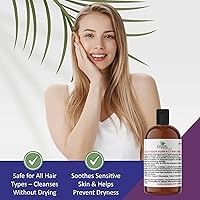
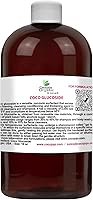
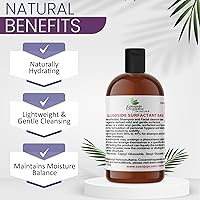
Cocojojo Coco Glucoside Natural Surfactant 16 Oz is a plant-derived cleansing ingredient built for DIY formulators who want a gentle, sulfate-free base without reaching for synthetic alternatives. This coco glucoside surfactant comes in a 16 oz bottle — a reasonable quantity for small-batch makers testing new formulas — and carries a clean ingredient profile: no parabens, no synthetic fragrance, no essential oils. It is worth noting that while it markets itself as natural, coco glucoside is still a processed cosmetic ingredient derived from coconut and fruit sugars. That said, it remains biodegradable and renewable, making it a practical choice for those building eco-conscious skincare recipes suitable for all skin types, including sensitive and baby skin.
Features & Benefits

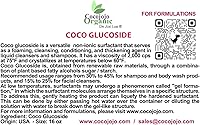
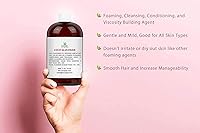
As a non-ionic surfactant, this DIY cleansing base can function as either a standalone cleanser or a co-surfactant alongside others like decyl glucoside or caprylyl glucoside. One practical advantage is its stability in low-pH formulations, which matters if you are working on acidic toners, vitamin C cleansers, or fruit-acid-based recipes. The lather it produces is silky and consistent in both hard and soft water — a detail that is easy to overlook until your formula underperforms by region. It also doubles as a mild emulsifier, helping blend oils and water-based components. Usage rates of 5–40% give real formulating flexibility, and there is no diethanolamine, phthalates, or formaldehyde in the mix.

Best For

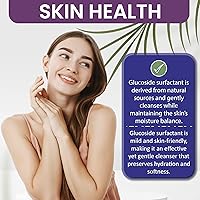
This plant-derived surfactant earns its place in the toolkit of DIY soap and cosmetic makers — particularly those building formulas around sensitive or reactive skin. If you are crafting baby-safe washes, fragrance-free cleansers, or gentle facial products, it is a sensible building block. It also fits naturally into recipes that require a low-pH compatible base, which rules out some harsher surfactant options. Hobbyists working on small test batches will find the 16 oz size a practical entry point. That said, high-volume producers may find better per-ounce value with bulk suppliers. It is best matched to formulators who genuinely prioritize clean, eco-friendly ingredient sourcing over convenience or price alone.

User Feedback

With a 3.6-star average across 21 reviews, this coco glucoside surfactant has a mixed but notable reception. Buyers working on gentle cleansers often note how smoothly it incorporates into recipes and how lightly it sits on skin, especially for those managing sensitivity. The lather performance gets decent marks too. On the other side, some reviewers have questioned whether the value holds up against comparable surfactants, and a handful have flagged inconsistencies in texture and packaging quality. The review pool is still relatively small, so a few outlier opinions carry more weight than usual. Buying for small test batches first before committing to larger quantities seems like the sensible approach here.

Pros

  • Works as both a primary surfactant and a co-surfactant, giving formulators real recipe flexibility.
  • Stable in low-pH formulations, which is genuinely useful for acidic cleansers and vitamin-based recipes.
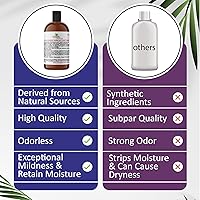
  • Free from sulfates, parabens, phthalates, formaldehyde, and synthetic fragrance — a clean ingredient list.
  • Produces a silky, consistent lather in both hard and soft water conditions.
  • Biodegradable and made from renewable plant-derived feedstocks, supporting eco-conscious formulating.
  • Broad usage rate of 5–40% makes it adaptable across body washes, shampoos, facial cleansers, and more.
  • Unscented base makes it easy to pair with any fragrance or essential oil without interference.
  • Suitable for sensitive skin and baby skin, widening the range of products it can anchor.
  • Acts as a mild emulsifier, helping oils and water-based ingredients blend without extra additives.
  • GMO-free with no diethanolamine — a detail that matters to clean-beauty formulators.

Cons

  • A 3.6-star average across only 21 reviews suggests inconsistent buyer experiences worth taking seriously.
  • Some buyers have flagged packaging quality issues, which can be frustrating for an ingredient you store and reuse.
  • Value per ounce becomes questionable when compared to bulk surfactant suppliers at similar or lower cost.
  • No explicit ECOCERT or COSMOS certification mentioned, which may matter for formulators targeting certified natural products.
  • Not suitable for beginners who lack basic formulation knowledge — usage requires understanding pH and concentration.
  • The review pool is too small to draw confident conclusions about long-term consistency between batches.
  • Texture inconsistencies have been noted by some buyers, which can affect repeatability in DIY recipes.
  • Not a finished product — requires additional formulating steps before it is usable on skin.

Ratings

Our AI-generated scores for Cocojojo Coco Glucoside Natural Surfactant 16 Oz were produced by analyzing verified buyer reviews from multiple global sources, with spam, incentivized, and bot-generated feedback actively filtered out. The results reflect a genuinely mixed picture — real strengths in formulation versatility and skin gentleness sit alongside honest concerns about batch consistency and value. Both sides are represented transparently so you can make a well-informed decision.
Skin Gentleness
83%
Buyers formulating products for sensitive and reactive skin consistently noted that this DIY cleansing base caused minimal irritation, even at higher usage rates. Several parents specifically reported confidence using it in baby wash recipes, appreciating its fragrance-free and sulfate-free profile.
A small number of users with extremely reactive skin still reported mild sensitivity, suggesting that even gentle surfactants are not universally problem-free. The absence of third-party dermatological testing data makes it harder to validate gentleness claims with full confidence.
Lather Performance
76%
24%
Formulators working on shampoos and body washes noted that this plant-derived surfactant produces a silky, stable lather that holds up reasonably well in both hard and soft water — a detail that matters when your local tap water is mineral-heavy. The foam quality was described as smooth rather than harsh or stripping.
Some buyers found the lather volume underwhelming when used as a sole surfactant, particularly in shampoo formulas where a richer foam is expected. Pairing it with a secondary surfactant helped, but that added complexity and cost to the recipe.
pH Compatibility
88%
For formulators building acidic cleansers — vitamin C washes, AHA-based exfoliating cleansers, or low-pH facial products — the stability of this coco glucoside surfactant at reduced pH levels is a genuine functional advantage that not every glucoside surfactant offers equally. Users working in that space highlighted this as a key reason they chose it.
There is limited user-generated data specifically documenting performance across the full pH spectrum, so formulators working at the extreme low end below 4.0 should run their own stability tests before committing to a full batch.
Formulation Versatility
81%
19%
The broad 5–40% usage rate gives this DIY cleansing base genuine flexibility — buyers have successfully used it in everything from ultra-mild facial cleansers to more robust hand soaps and bubble baths. Its ability to function as both a primary and co-surfactant saves formulators from needing a completely separate ingredient for each product type.
While the usage range is wide on paper, finding the right concentration for a specific formula still requires testing, and some newer formulators found the lack of detailed recipe guidance from Cocojojo frustrating when starting out.
Ingredient Purity
79%
21%
The absence of sulfates, parabens, phthalates, formaldehyde, and diethanolamine genuinely sets this apart from conventional surfactants, and buyers focused on clean-ingredient formulating appreciated having a verifiable list of exclusions. Being GMO-free was also called out as a plus by buyers catering to health-conscious end consumers.
Despite the clean exclusion list, the product lacks explicit ECOCERT or COSMOS certification, which matters to formulators making formal natural or organic claims on finished products. It is still a processed ingredient derived from coconut and glucose, and a few buyers felt the marketing overstated its raw naturalness.
Batch Consistency
58%
42%
When the product arrived in good condition, most buyers found it easy to work with and consistent enough within a single bottle for small-batch home use. For one-off hobbyist recipes, the consistency level was generally acceptable.
Multiple reviewers flagged noticeable variation in texture and viscosity between orders, which creates real problems for anyone trying to reproduce a formula reliably across batches. This is one of the more meaningful pain points in the review pool and contributed directly to the below-average overall rating.
Packaging Quality
61%
39%
The bottle size is practical for home formulators, and the container is functional enough for storage and pouring without significant spillage issues under normal conditions.
Packaging complaints surfaced in multiple reviews, with some buyers noting leakage or poor seal integrity on arrival. For a liquid ingredient, that is a real concern — both for waste and for the integrity of the product itself by the time it reaches the end user.
Value for Money
63%
37%
At the 16 oz size, this plant-derived surfactant is accessible enough for hobbyists and first-time buyers who want to test coco glucoside without committing to a large quantity upfront. The price point reflects a mid-range ingredient-grade product.
Compared to bulk suppliers or competing glucoside surfactants available at similar price points, the per-ounce cost is harder to justify for anyone producing more than occasional small batches. Buyers who moved to bulk sourcing rarely came back to this size for regular production.
Emulsification Ability
74%
26%
Formulators adding fragrance oils or botanical extracts to water-based cleansers found that this coco glucoside surfactant provided a useful baseline emulsification effect, reducing the separation that often plagues oil-in-water cleansing formulas at low concentrations.
For heavier oil loads or high fragrance concentrations, buyers noted that the emulsification alone was not sufficient and a dedicated solubilizer was still needed, which limits how far this ingredient can stretch in complex formulations.
Eco-Friendliness
82%
18%
Being biodegradable and sourced from renewable plant feedstocks resonated strongly with buyers who are building eco-conscious product lines or simply want to avoid ingredients that linger in waterways. The absence of synthetic sulfates also aligns with many green beauty standards.
Without a recognized third-party environmental certification attached to this specific product, some buyers felt they were taking Cocojojo's eco claims on faith rather than verified evidence, which matters more as clean beauty scrutiny increases.
Ease of Use
77%
23%
The liquid format and relatively forgiving usage range made this an easy ingredient for beginner and intermediate DIY formulators to incorporate without specialized equipment. Mixing it into water-based formulas was described as straightforward by most buyers.
Newer formulators without basic knowledge of pH management and usage rate calculations still found a real learning curve, and the product provides minimal onboarding support for those just getting started with cosmetic formulation.
Scent Neutrality
86%
Being fully unscented gives formulators complete creative control over the fragrance profile of their finished product, and buyers working on fragrance-free or hypoallergenic formulations specifically appreciated having a base that introduced no competing scent of its own.
A very small number of buyers noted a faint characteristic odor typical of glucoside surfactants, which is inherent to the ingredient type rather than a manufacturing defect, but it was occasionally unexpected for buyers unfamiliar with raw cosmetic ingredients.
Seller Reliability
59%
41%
Cocojojo is an established presence in the natural skincare ingredient space, and buyers who had smooth order experiences reported no major issues with fulfillment or product presentation for routine purchases.
The combination of packaging complaints and batch inconsistency feedback points to quality control gaps at the supplier level that affect repeat buyer confidence, particularly for anyone depending on consistent ingredient quality across multiple production cycles.

Suitable for:

Cocojojo Coco Glucoside Natural Surfactant 16 Oz is a solid pick for DIY formulators who prioritize clean, plant-derived ingredients and need a surfactant that can adapt across multiple recipe types. If you are building gentle shampoos, fragrance-free facial cleansers, or baby-safe body washes at home, this coco glucoside surfactant fits naturally into those kinds of low-irritation formulations. Its stability in low-pH environments makes it especially useful for formulators working with acidic recipes — something not every surfactant handles without separation or performance drop. Hobbyists running small test batches will find the 16 oz size a sensible starting point before committing to larger quantities. Anyone specifically seeking an unscented, sulfate-free base that plays well with oils and water-based components will get real utility from this DIY cleansing base.
Not suitable for:

If you are expecting a ready-to-use cleanser straight from the bottle, Cocojojo Coco Glucoside Natural Surfactant 16 Oz is not designed for that — it is a raw formulating ingredient, not a finished product. Buyers who are new to cosmetic formulation and unfamiliar with usage rates, pH management, or blending protocols may find the learning curve frustrating without additional research. Those comparing cost per ounce against bulk surfactant suppliers will likely find this plant-derived surfactant less economical at scale, making it a weaker fit for small businesses or anyone producing larger quantities regularly. The 3.6-star average also warrants some caution — with only 21 reviews, consistency and packaging quality have come up as concerns, and that is worth factoring in if reliability across repeat orders matters to you. Finally, anyone looking for a surfactant with a well-documented ECOCERT or COSMOS certification should verify independently, as this product does not explicitly carry those credentials.
Specifications

  • Brand: Manufactured and sold by Cocojojo, a brand focused on natural and organic skincare ingredients.
  • Volume: Each bottle contains 16 oz (1 pound) of coco glucoside surfactant.
  • Surfactant Type: Non-ionic surfactant derived from coconut and fruit sugars, suitable for use as a primary or co-surfactant.
  • Ingredient Source: Made from plant-derived, renewable feedstocks; processed from coconut oil and glucose.
  • pH Behavior: Remains stable in low-pH formulations, making it compatible with acidic cosmetic recipes.
  • Usage Rate: Recommended usage rate is 5–40% depending on the product type and desired cleansing strength.
  • Scent: Completely unscented, containing no added fragrance, essential oils, or masking agents.
  • Free From: Contains no sulfates, parabens, phthalates, formaldehyde, diethanolamine, or synthetic fragrance.
  • GMO Status: Formulated to be GMO-free in accordance with clean-ingredient standards.
  • Biodegradability: Biodegradable and designed to break down naturally without causing harm to aquatic or soil ecosystems.
  • Skin Compatibility: Suitable for all skin types including dry, oily, combination, sensitive, and baby skin.
  • Compatible Uses: Can be used in body wash, shampoo, facial cleanser, hand wash, bubble bath, and manual dish wash formulations.
  • Emulsifier Role: Functions as a mild emulsifier, helping oils, water, and added fragrances blend together in formulations.
  • Water Compatibility: Produces consistent, silky lather in both hard and soft water conditions.
  • Package Dimensions: The bottle measures 7.36 x 4.88 x 3.7 inches and weighs approximately 1 pound.
  • Amazon Rating: Currently holds a 3.6 out of 5 star rating based on 21 customer reviews on Amazon.

Related Reviews
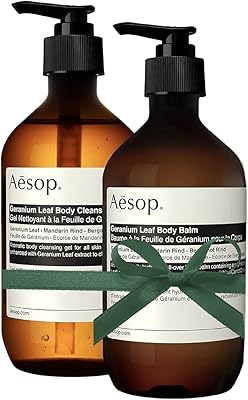
Aesop Geranium Leaf Body Cleanser Balm Set
84%
93%
Scent Quality
88%
Moisturizing Performance
82%
Cleansing Efficacy
96%
Packaging & Presentation
67%
Value for Money
More
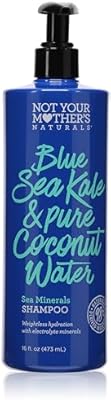
Not Your Mother's Naturals Coconut Water Shampoo 16 Fl Oz
87%
88%
Effectiveness at Hydrating Hair
84%
Fragrance Quality and Longevity
92%
Suitability for Sensitive Scalps
87%
Moisture Balance and Non-Greasiness
90%
Suitability for Fine Hair
More
Avlon KeraCare Natural Textures Leave In Conditioner 16 oz
86%
88%
Frizz Control
92%
Moisture & Hydration
90%
Lightweight Feel
68%
Scent Quality
85%
Ease of Application
More
Natural Sant Rosemary & Cinchona Shampoo & Conditioner Set – 16 fl oz
86%
85%
Effectiveness for Hair Growth
88%
Hydration & Moisture
78%
Fragrance & Scent
91%
Suitability for Sensitive Scalps
84%
Repairing Damaged Hair
More
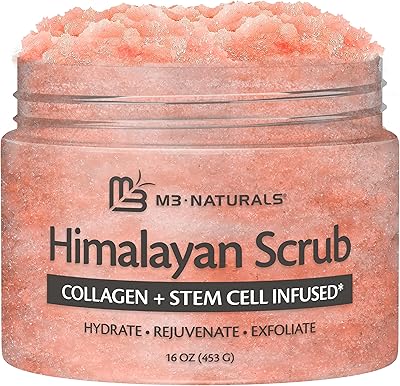
M3 Naturals Himalayan Salt Body Scrub 16oz
79%
88%
Exfoliation Power & Texture
84%
Moisturizing After-Feel
79%
Scent & Fragrance
68%
Sensitive Skin Compatibility
86%
Versatility Across Body Areas
More
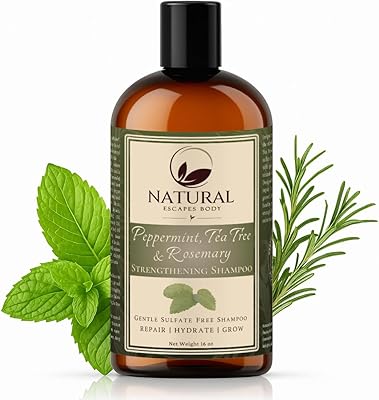
Natural Escapes Peppermint, Tea Tree & Rosemary Hair Growth Shampoo 16 oz
86%
84%
Effectiveness for Hair Growth
89%
Scalp Health Improvement
92%
Fragrance Quality
87%
Gentleness for Sensitive Skin
90%
Sulfate-Free Performance
More
Sweet Bee Naturals Organic All Natural Foot and Heel Balm 2 OZ
87%
88%
Effectiveness for Cracked Heels
91%
Moisturizing Power
84%
Texture & Feel
89%
Absorption Speed
80%
Scent & Fragrance
More
Kiara Sky EMA Liquid Monomer 16 oz & #16 Kolinsky Acrylic Brush Set
89%
92%
Effectiveness of Monomer
89%
Brush Precision & Control
90%
Ease of Application
95%
Odor Control
85%
Durability & Long-lasting Results
More
DHS Zinc 16 oz Dandruff Shampoo
79%
91%
Dandruff Control Efficacy
88%
Scalp Gentleness
84%
Seborrheic Dermatitis Relief
87%
Formula Cleanliness
74%
Lather & Application
More
U-Lactin Lotion 16 oz
85%
93%
Effectiveness for Dry Skin
89%
Absorption Speed
91%
Hydration Longevity
87%
Gentleness for Sensitive Skin
85%
Texture/Feel
More

FAQ

You can absolutely use this coco glucoside surfactant as a standalone cleanser, especially for gentle or baby-safe formulations where mild cleansing is the priority. That said, many formulators combine it with a secondary surfactant like decyl glucoside or caprylyl glucoside to boost lather volume or adjust viscosity to their preference.

Coco glucoside naturally sits at a higher pH on its own, but it remains stable when formulated into low-pH recipes — generally between 4.5 and 6.5 — which covers most skin-friendly cleansers. This makes it a practical choice if you are building acidic formulations like vitamin C washes or AHA-based cleansers where other surfactants might become unstable.

Yes, this DIY cleansing base is considered gentle enough for sensitive and baby skin formulations. It is free from sulfates, parabens, and synthetic fragrance, which are the usual culprits behind irritation. That said, always patch-test any finished formula before widespread use, especially for very young children.

The recommended usage rate is 5–40% depending on how much cleansing power you need. For a gentle body wash, starting around 15–20% is a reasonable baseline. A facial cleanser designed for sensitive skin might land closer to 10%, while a more robust shampoo could go up to 30%.

The product listing provides basic usage rate guidelines and compatible product types, but it does not include a detailed formulation guide. If you are new to DIY cosmetics, you will likely need to supplement with external resources or formulation communities to get the most out of it.

Yes, one of the practical advantages of this plant-derived surfactant is that it acts as a mild emulsifier, helping fragrance and essential oils blend into water-based formulas more evenly. Just keep in mind that coco glucoside alone may not fully solubilize heavy or high-usage fragrance loads — a dedicated solubilizer might still be needed for high fragrance concentrations.

Coco glucoside is broadly similar to decyl glucoside in terms of mildness and skin compatibility, but it tends to produce a slightly richer lather and handles a wider carbon chain length, which can give it a bit more versatility across product types. Lauryl glucoside typically offers stronger cleansing but can be slightly harsher on sensitive skin. The best choice really depends on what you are trying to formulate.

The product is described as plant-derived and natural, but no explicit ECOCERT or COSMOS certification is mentioned in the product listing. If certification is a hard requirement for your formulation or brand claims, it is worth verifying directly with Cocojojo before purchasing.

Coco glucoside generally has a shelf life of around 12–24 months when stored correctly. Keep the bottle tightly sealed, away from direct sunlight and extreme temperatures. Since the product listing does not specify an exact best-by date, check the bottle itself upon receipt and track your own opening date.

A handful of buyers have noted variation in texture or consistency between batches, which can affect how predictably the surfactant behaves in a formula. This is worth keeping in mind if repeatability across multiple production runs is important to you. Buying a single bottle first to test in your specific recipe before committing to larger orders is a sensible approach.