Overview

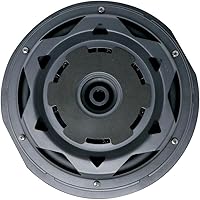
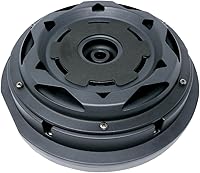
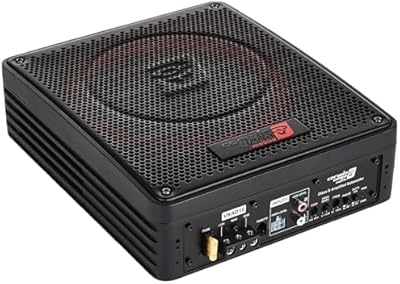
The Cerwin Vega VPSTX12 12″ Spare Tire Subwoofer is built around a straightforward idea: why give up trunk space when your spare tire well is just sitting there unused? Cerwin Vega has been making car audio gear for decades, and this spare-tire sub lands comfortably in the mid-range — not a budget throwaway, but not a boutique audiophile piece either. The real draw is its all-in-one design: a built-in amplifier, wiring harness, and remote bass knob all come in the box, so you are not hunting for extra components before you can hear a single note of bass.

Features & Benefits

The VPSTX12 runs a 12-inch driver at 150W RMS, which translates to bass you can actually feel on highway stretches or bass-heavy tracks — not chest-thumping competition levels, but a solid, consistent low end that factory speakers simply cannot produce. The built-in amp is a genuine convenience; there is no separate amplifier to mount or wire. Tuning is equally practical: the low-pass crossover sweeps from 50Hz to 150Hz, and the bass boost adds up to 12dB when you want more punch. RCA inputs handle most head units, though factory radios without preamp outputs will need a line-output converter — budget for that if your car is stock.

Best For

This spare-tire sub is a natural fit for sedan and hatchback owners who have always wanted more bass but refuse to surrender trunk space to a traditional enclosure. If you do your own installs on weekends and want something that goes in cleanly without custom carpentry or extra amp hardware, this is a rewarding project. That said, fitment is not universal — the unit is designed for full-size spare tire wells, and compact or donut spares simply will not accommodate it. Skip this if you are chasing SPL competition numbers; this Cerwin Vega unit is built for daily driver enjoyment, not the staging lane.

User Feedback

Across nearly 200 ratings, the VPSTX12 holds a strong 4.4-star average, and the pattern in buyer feedback is fairly consistent. Most owners applaud the clean, punchy bass relative to the form factor and appreciate how simple the installation is compared to building out a full subwoofer setup from scratch. On the critical side, a handful of owners have flagged fitment issues with certain spare tire sizes, and a few have raised questions about long-term amp reliability under heavy sustained use. The recurring note about needing a line-output converter for stock radios is worth flagging — it is a real extra step and cost that catches some buyers off guard.

Pros

  • Built-in amplifier means no separate amp purchase, mounting, or extra wiring runs.
  • The spare tire well installation keeps your entire trunk floor free and usable.
  • Adjustable low-pass crossover blends cleanly with both factory and aftermarket speakers.
  • Wired remote knob lets you dial bass up or down from the driver seat instantly.
  • Cast aluminum heatsink handles heat far better than plastic-housed budget alternatives.
  • Setup is genuinely straightforward for a confident DIY installer with basic tools.
  • The VPSTX12 delivers a noticeable and satisfying bass upgrade over any factory speaker system.
  • At its price tier, the all-in-one package represents solid value compared to buying components separately.
  • RCA connectivity makes it compatible with the vast majority of aftermarket head units.
  • A 4.4-star average across nearly 200 buyers reflects consistently positive real-world results.

Cons

  • Fitment is limited to vehicles with a full-size spare tire well of sufficient diameter.
  • Factory head units without preamp outputs require a separate line-output converter, adding cost and installation steps.
  • At 150W RMS, output will disappoint anyone expecting competition-level or high-SPL bass performance.
  • The built-in amplifier cannot be independently replaced or upgraded if it fails after the warranty period.
  • Long-term amp reliability has been questioned by a subset of users who push the unit hard.
  • At 20 pounds, the unit adds meaningful weight to the spare tire well, which some owners may find inconvenient.
  • No wireless control option — the bass knob requires a physical wiring run to the dash.
  • Limited warranty coverage may feel thin given the price point relative to standalone amplified subwoofer setups.

Ratings

The scores below reflect an AI-driven analysis of verified buyer reviews for the Cerwin Vega VPSTX12 12″ Spare Tire Subwoofer, drawn from global feedback with spam, bot-generated, and incentivized reviews actively filtered out. Each category is scored independently to give an honest picture of where this spare-tire sub genuinely delivers and where real buyers have run into friction. Both the strengths and the recurring pain points are weighted transparently so you can make a confident call before purchasing.

Bass Output Quality
78%
22%
For a self-contained unit living inside a spare tire well, the low-end reproduction impresses most daily commuters and casual listeners. Buyers consistently describe the bass as punchy and defined rather than muddy, particularly on hip-hop, EDM, and bass-heavy pop tracks during long highway drives.
Listeners upgrading from a dedicated ported enclosure setup will find the output noticeably limited. At 150W RMS, the VPSTX12 does not move enough air to satisfy anyone chasing deep sub-bass extension below 40Hz or meaningful SPL levels.
Ease of Installation
88%
The all-inclusive package — wiring harness, remote knob, and mounting hardware — means most weekend installers finish the job in an afternoon without needing custom fabrication or extra components. Buyers with even basic automotive wiring experience consistently describe the process as refreshingly straightforward.
Owners with factory head units hit an unexpected wall when they discover they need a line-output converter to provide an RCA signal, which is not included or prominently flagged. Running the power cable from the battery to the trunk also requires some effort and is not always intuitive for first-time installers.
Space Efficiency
93%
This is the category where the VPSTX12 genuinely stands apart from traditional subwoofer setups. Sedan and hatchback owners who previously avoided adding bass purely because of trunk space loss report that the spare-tire installation leaves their cargo area completely untouched and fully usable.
The space benefit only materializes if your vehicle actually has an appropriate spare tire well — a critical assumption that fails for a meaningful portion of buyers. Truck owners, SUV drivers with side-mounted spares, and anyone with a compact donut spare get no space advantage at all.
Build Quality
81%
19%
The cast aluminum heatsink gives the unit a noticeably solid, premium feel compared to similarly priced plastic-housed competitors. Most buyers who handle the unit comment on its sturdy construction, and the grayish-black finish blends cleanly into trunk interiors without looking like an afterthought.
Some owners have raised concerns about the long-term durability of the integrated amplifier section under heavy sustained use over multiple years. Because the amp and driver are one inseparable unit, any component failure effectively means replacing the entire subwoofer.
Vehicle Compatibility
62%
38%
For the right vehicle — a mid-size sedan or hatchback with a full-size spare in a dedicated trunk well — fitment works cleanly and the unit sits securely once the included hardware is used. Buyers in this category rarely report any physical fitment complaints.
A notable number of buyers discover after purchase that their spare tire well is either too shallow, too narrow, or the wrong shape entirely. Compact spares, truck underbed carriers, and rear-mounted SUV spares are all incompatible, and this creates a frustrating return experience for a segment of buyers.
Sound Tuning Flexibility
76%
24%
The combination of a sweepable low-pass crossover from 50Hz to 150Hz and a 0 to +12dB bass boost gives buyers enough range to dial in a reasonable blend with both factory and aftermarket front speakers. Commuters with factory audio setups particularly appreciate being able to tame the crossover to avoid muddy overlap.
The bass boost circuit introduces audible distortion when pushed toward its upper range, especially at higher volume levels. Buyers who want precise, audiophile-level tuning will find these onboard controls a bit coarse compared to what a standalone DSP or external amplifier with parametric EQ would offer.
Remote Bass Control
83%
Having a wired knob mounted within reach of the driver seat genuinely changes the day-to-day experience of owning a subwoofer. Buyers love being able to reduce bass quickly when switching from music to podcasts or phone calls without digging through menus or reaching into the trunk.
The wired connection means routing a cable from the trunk to the cabin, which requires some care to keep it tidy and hidden. A wireless control option would be a meaningful upgrade, and the fixed knob placement can feel limiting in vehicles with minimal dash real estate.
Thermal Management
79%
21%
The cast aluminum heatsink does its job reliably under normal daily listening conditions, and most buyers report no overheating issues during standard commutes or weekend drives even in warmer climates. The passive cooling design also means there are no fans to fail or create noise.
During extended high-volume sessions on hot days — think road trips with bass cranked — a small number of buyers report the unit running noticeably warm to the touch, and a few mention thermal protection kicking in and reducing output temporarily. The spare tire well provides limited airflow.
Value for Money
74%
26%
When you factor in the cost of buying a subwoofer, external amplifier, enclosure, and all associated wiring separately, the all-in-one pricing of this Cerwin Vega unit looks genuinely competitive for the convenience it offers. Buyers who correctly anticipate the fitment and LOC requirements rarely feel shortchanged.
Buyers who need to add a line-output converter for a factory radio feel the effective cost is meaningfully higher than the sticker price suggests. Those who end up returning the unit due to fitment issues also cite the hassle as eroding the value proposition entirely.
Low-Frequency Extension
67%
33%
The 12-inch driver in its sealed spare-tire enclosure handles mid-bass frequencies between roughly 50Hz and 100Hz with decent authority, which covers the most perceptible range of kick drums, bass guitar, and electronic music bass lines that most casual listeners actually care about.
True sub-bass below 40Hz is largely absent from this unit due to the sealed enclosure constraints and limited amplifier headroom. Listeners who are used to the room-pressurizing effect of a large ported box subwoofer will notice the roll-off in extension fairly quickly.
Package Contents
84%
Cerwin Vega includes everything a straightforward install actually needs: the subwoofer, wiring harness, mounting screws, and remote knob. The fact that buyers rarely need to make a separate trip to the parts store before starting is genuinely appreciated in the user reviews.
The recommended 8-gauge power wiring is not included at a usable length for most vehicles, so buyers still need to source an amplifier wiring kit separately. The packaging also does not clearly communicate the LOC requirement for factory radios, which surprises a portion of buyers post-purchase.
Brand Reliability
77%
23%
Cerwin Vega has a multi-decade track record in car and home audio, which gives buyers a level of confidence in the brand name that newer entrants simply cannot match. That heritage translates to reasonable trust that the unit is not a fly-by-night product with no support structure.
Some buyers feel that the warranty terms for the integrated amplifier do not reflect adequate confidence in long-term durability given the price. Brand reputation alone does not fully offset user concerns about what happens if the built-in amp fails outside the warranty window.
Aesthetic Integration
80%
20%
The grayish-black housing sits unobtrusively in a spare tire well and does not attract attention or look out of place when the trunk is opened. For buyers who want a subtle upgrade without a flashy visible subwoofer, the hidden installation is a clear plus.
Because the unit lives in the spare tire well and is largely out of sight, there is no visual payoff for buyers who enjoy the look of a finished audio build. The aesthetic is purely functional, which suits practical buyers but leaves enthusiasts wanting more.

Suitable for:

The Cerwin Vega VPSTX12 12″ Spare Tire Subwoofer was essentially designed for a specific type of buyer, and that buyer will likely love it: the practical car audio fan who wants real bass improvement without gutting their trunk or wiring in a full amplifier rack. Sedan and hatchback owners are the clearest fit, since those vehicles typically have a full-size spare tire in a dedicated well — exactly the space this unit occupies. Weekend self-installers will appreciate that everything needed comes in the box, including the wiring harness and remote knob, so the project does not sprawl into a multi-day ordeal. Commuters upgrading from a stock factory audio system will notice a genuine and satisfying low-end improvement on daily drives. If your goal is to hear kick drums and bass lines properly without rearranging your entire vehicle, this spare-tire sub is a well-thought-out solution at a reasonable price point.
Not suitable for:

The Cerwin Vega VPSTX12 12″ Spare Tire Subwoofer has real limitations that make it the wrong choice for certain buyers, and it is worth being honest about them upfront. If your vehicle carries a compact or donut spare, the unit will not fit — this is a hard compatibility wall, not a minor inconvenience. Truck and SUV owners whose spare is mounted externally or in a different format should look elsewhere entirely. Serious audio enthusiasts chasing high output levels or competition-grade SPL performance will find 150W RMS underwhelming compared to a properly ported box with a dedicated external amplifier. Buyers with a completely stock head unit should also budget for a line-output converter before purchasing, since the RCA-only input requires a preamp signal that most factory radios do not provide natively. And if long-term reliability under heavy daily use is your top concern, some user feedback suggests the built-in amplifier may not be the most robust component over several years of sustained listening.
Specifications

  • Driver Size: The unit uses a 12-inch dynamic audio driver designed to reproduce deep low-frequency bass within the compact spare tire well enclosure.
  • Power Output: Rated at 150W RMS continuous power, with a peak handling capability of 600W for momentary bass transients.
  • Impedance: The driver operates at 2 ohms, which the built-in amplifier is specifically matched to drive efficiently.
  • Built-In Amp: A class AB amplifier is integrated directly into the subwoofer housing, eliminating the need for a separate external amplifier unit.
  • Bass Boost: An onboard bass boost control adjusts from 0dB to +12dB, allowing the listener to increase low-end presence to taste.
  • Low-Pass Filter: The adjustable low-pass crossover sweeps between 50Hz and 150Hz, letting users roll off higher frequencies and blend output with existing speakers.
  • Connectivity: Audio input is handled via RCA connectors, compatible with the preamp outputs found on most aftermarket head units.
  • Remote Knob: A wired remote bass level knob is included, designed for dash or console mounting so the driver can adjust bass without leaving the seat.
  • Input Voltage: The unit operates on a standard 12V DC vehicle electrical system and is intended for automotive use only.
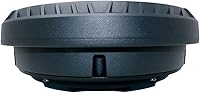
  • Dimensions: The subwoofer measures 6.5″ deep, 14.2″ wide, and 6.5″ tall, sized to fit inside a full-size spare tire well.
  • Weight: The complete unit weighs 20 pounds, which includes the integrated amplifier and cast aluminum heatsink assembly.
  • Heatsink Material: Thermal management is handled by a cast aluminum heatsink bonded to the amplifier section to dissipate heat during extended use.
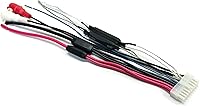
  • Wiring Harness: A pre-terminated wiring harness is included in the box to simplify power and ground connections during installation.
  • Mounting Type: The subwoofer is designed exclusively for mounting inside a vehicle spare tire well, using the included installation hardware.
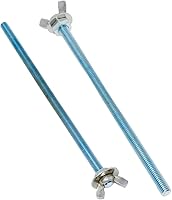
  • Included Components: The package includes the subwoofer unit, a wired remote bass knob, a wiring harness, and installation screws.
  • Water Resistance: The unit is not rated as waterproof or water resistant and is intended strictly for indoor vehicle cabin or trunk environments.
  • Warranty: Cerwin Vega covers this unit under a limited warranty; buyers should confirm specific duration and terms with the manufacturer directly.
  • Color: The exterior finish is a grayish black that blends unobtrusively into most vehicle trunk and spare tire well interiors.

Related Reviews
Cerwin-Vega V124DV2 12-Inch Dual Voice Coil Subwoofer
75%
83%
Bass Output & Depth
78%
Value for Money
88%
Installation Flexibility
81%
Build Quality
54%
Power Handling Clarity
More
Cerwin Vega XED12 12-Inch Subwoofer
75%
86%
Bass Output & Sound Performance
88%
Value for Money
83%
Installation & Setup Ease
67%
Build Quality & Durability
81%
Power Handling
More
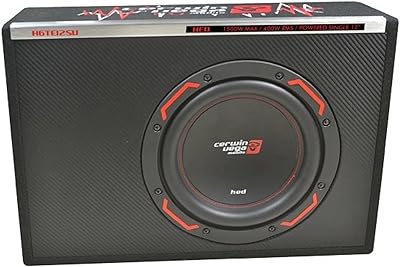
Cerwin Vega XLS-12S 12-Inch Powered Subwoofer
76%
88%
Bass Performance
91%
Build Quality
79%
Value for Money
84%
Setup & Integration
86%
Volume & Headroom
More
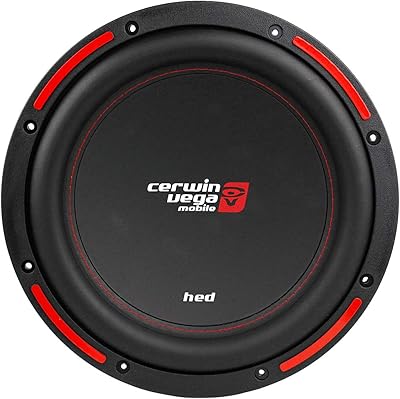
Cerwin Vega HED 12″ Powered Slim Enclosure Subwoofer
86%
88%
Bass Performance
92%
Value for Money
90%
Compact Design
82%
Ease of Installation
84%
Build Quality
More
Cerwin-Vega H7124D 12-inch DVC Subwoofer

82%
88%
Bass Output & Punch
91%
Value for Money
83%
Build Quality
68%
Quality Control Consistency
89%
Installation & Wiring Ease
More
Cerwin-Vega Vega Series V102DV2 Subwoofer

87%
89%
Bass Performance
93%
Build Quality
85%
Ease of Installation
90%
Power Output
88%
Compatibility
More
Cerwin-Vega V82DV2 8-Inch Car Subwoofer
73%
83%
Bass Output
78%
Build Quality
81%
Value for Money
88%
Wiring Flexibility
86%
Enclosure Compatibility
More
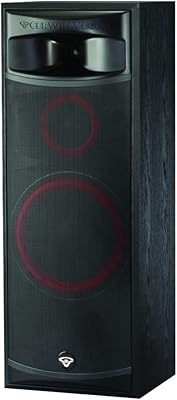
Cerwin Vega SL-12 12″ Floorstanding Speaker
76%
88%
Bass Performance
83%
Midrange Clarity
78%
High-Frequency Response
84%
Overall Sound Quality
81%
Build Quality
More
Cerwin-Vega XLS-12 12″ Floorstanding Speaker
77%
91%
Bass Performance
93%
Volume & Dynamics
74%
Midrange Clarity
67%
High-Frequency Detail
82%
Build Quality
More
Cerwin Vega VRAD10 10″ Active Slim Subwoofer
86%
88%
Sound Quality
91%
Bass Performance
85%
Ease of Installation
89%
Build Quality
94%
Compactness/Size
More

FAQ

It depends on the size of your spare tire and the diameter of the wheel well opening. The unit is 14.2 inches wide and designed for full-size spare tire applications. If your vehicle uses a compact spare or a donut, there is a real chance it will not fit. Measure your spare tire well before ordering — this is the single most important compatibility check.

No, that is the whole point of this design. The amplifier is built directly into the subwoofer housing, so you just need to run power, ground, and a remote turn-on wire from your head unit. No separate amp rack, no extra wiring runs beyond what the included harness covers.

You can, but there is an extra step involved. Factory head units typically lack dedicated RCA preamp outputs, which is what the VPSTX12 requires for audio input. You will need to add a line-output converter between your factory radio and the subwoofer. It is a relatively inexpensive add-on, but it is an additional cost and installation step worth budgeting for upfront.

Honestly, it is not in the same league as a ported box with a dedicated external amplifier — and it is not trying to be. At 150W RMS, this spare-tire sub delivers clean, noticeable bass that is a genuine improvement over factory speakers, but if you want the kind of output that rattles windows, you are looking at the wrong product category. Think of it as a quality daily driver upgrade, not a competition build.

Most mechanically comfortable DIYers handle it in a few hours. The included wiring harness takes care of most of the connections, and the remote knob just needs a clean path routed to the dash or center console. The trickiest part for most people is the power and ground wiring run if they have never done it before — 8-gauge wire is recommended and is not always included, so confirm your kit before starting.

Yes, that is exactly what the included wired remote knob is for. You mount it somewhere convenient near the driver seat — most people use the dash or center console — and it lets you turn bass up or down on the fly without stopping or reaching into the trunk.

It is designed primarily for sedans and hatchbacks that carry a full-size spare inside the trunk. Most trucks store their spare externally or in an underbed carrier, and SUVs often have rear cargo-floor spares in a very different well shape. Without the right spare tire well geometry, the unit simply does not have a proper mounting location, so truck and SUV buyers should verify carefully before purchasing.

Cerwin Vega recommends 8-gauge power and ground wiring for optimal performance. The included wiring harness handles the connections on the subwoofer end, but the main power cable run from the battery is typically not included at the length most installations require. Pick up an 8-gauge amp wiring kit separately if you do not already have one.

At moderate settings the boost sounds clean and punchy. Push it all the way to +12dB and you may notice some distortion, especially at higher volume levels — that is pretty typical of any onboard bass boost circuit. Most users find a setting somewhere in the middle gives the best balance between impact and audio clarity for everyday listening.

That is the main trade-off of an all-in-one powered design: if the amplifier section fails, you cannot simply swap it out for a new amp while keeping the driver. You would be looking at replacing the entire unit. A few long-term owners have raised this concern in user feedback, so it is worth considering if you plan to run the system hard every day for many years.