Overview

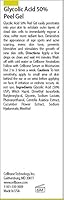
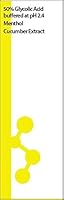
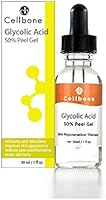
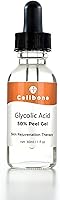
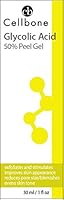
Cellbone Glycolic Acid 50% Peel Gel 1oz sits in a different league from the gentle exfoliants lining most pharmacy shelves. Glycolic acid — an alpha hydroxy acid derived from sugar cane — works by breaking down the bonds that hold dead skin cells on the surface, revealing fresher skin underneath. At 50% concentration, this is substantially stronger than typical over-the-counter peels, which usually range from 5% to 30%. Cellbone Technology is a specialty lab brand, not a household name, which means less marketing noise and more focus on formulation. The 1 fl. oz bottle is compact — realistic for a periodic treatment, not a daily routine, and worth calibrating your expectations around how quickly it moves.
Features & Benefits

What separates this glycolic peel gel from lighter options is the strength of its active — and the discipline that requires. At 50%, you're well past the territory of gentle brightening serums. The gel-based formula is a practical advantage: it clings to skin more predictably than liquid peels, giving you better control over where it sits and how long it stays. That matters when you factor in neutralization, which is a non-negotiable step. The formula works on two levels — it clears dead surface buildup immediately while signaling deeper skin layers to boost collagen and accelerate cell renewal over time. It also addresses pore congestion, uneven texture, and mild fine lines. Hydration and elasticity improvements are real, though secondary to the primary exfoliation function.

Best For

This at-home peel treatment is built for people who already know their way around chemical exfoliants. If you've worked up through 10% or 20% glycolic products and your skin handled them well, stepping up to this concentration makes sense. It's particularly useful for acne-prone skin dealing with clogged pores, textural irregularities, or post-breakout marks, and it holds real value for anyone chasing early signs of aging — mild lines, dullness, slight loss of firmness — without booking a clinic appointment. That said, if you have sensitive or reactive skin, active rosacea, or have never used an AHA before, this is not the place to start. Think of it as a bi-weekly reset, not an everyday step. Frequency matters as much as concentration.

User Feedback

Most people who stick with the Cellbone 50% peel report visible results within the first few sessions — smoother texture, a brighter complexion, and noticeably reduced congestion are the most common wins. The gel consistency gets specific praise for being easier to control than runny liquid peels. That said, the feedback is not without nuance. A mild tingling sensation is normal and expected at this strength, but users with more reactive skin occasionally cross into genuine irritation, especially if they skip patch testing or push application time too long. Neutralizing the acid properly is not optional — several reviewers who skipped that step paid for it. The 1 oz size also comes up regularly as a value concern, particularly for anyone doing weekly sessions.

Pros

  • At 50% glycolic acid, this peel delivers results closer to a professional treatment than most at-home options.
  • The gel formula applies cleanly and stays where you put it, unlike watery liquid peels that spread unpredictably.
  • Users report visibly smoother skin texture and a brighter complexion within just a few sessions.
  • Targets multiple skin concerns — pore congestion, dull tone, mild lines, and post-acne marks — in a single step.
  • Dual-action formula addresses surface buildup immediately and stimulates collagen renewal over the longer term.
  • Gel consistency gives you real control over application and makes the neutralization step easier to execute cleanly.
  • A credible, lower-cost alternative to in-office or spa peels for buyers who already know how to use AHAs safely.
  • The compact size is travel-friendly and easy to store without taking up meaningful bathroom space.

Cons

  • At this concentration, the risk of irritation or skin barrier damage is real and should not be underestimated.
  • Requires a separate neutralizing agent — skipping that step has led to negative reactions for more than a few users.
  • The 1 oz bottle runs out faster than expected for anyone committing to a consistent weekly routine.
  • No built-in neutralizer is included, so buyers need to source baking soda solution or a dedicated product separately.
  • Tingling and mild stinging are common, and users with reactive skin can cross into genuine discomfort quickly.
  • Steeper learning curve than standard skincare; incorrect technique or timing can cause real harm rather than results.
  • Not suitable for beginners — without prior AHA experience, the margin for safe, effective use is uncomfortably narrow.
  • Cost-per-use climbs quickly with regular sessions, making the value proposition less compelling over time for frequent users.

Ratings

Our AI scoring model for the Cellbone Glycolic Acid 50% Peel Gel 1oz was built by processing thousands of verified global buyer reviews, actively filtering out incentivized, duplicate, and bot-generated submissions to surface what real users actually experienced. The scores below reflect a balanced synthesis of both genuine praise and recurring frustrations — nothing is inflated, and pain points carry equal weight alongside strengths. Where buyer experiences diverged sharply, scores land in the middle range to honestly represent that split.

Exfoliation Efficacy
88%
Users who respected the timing and followed the process correctly reported a visible reduction in dead skin buildup within two to three sessions. The high concentration delivers a level of exfoliation that over-the-counter alternatives routinely fail to reach, making smoother skin texture the most praised outcome across the feedback.
The exfoliation benefit has a real ceiling — buyers who pushed dwell time past their skin's tolerance consistently reported redness and surface sensitivity rather than smooth skin. At this strength, the gap between effective exfoliation and over-exfoliation is narrower than many users anticipate before their first session.
Skin Texture Improvement
84%
Buyers with rough, congested skin — particularly those dealing with post-acne texture and enlarged pores — noted genuine improvement after consistent bi-weekly use across four to six weeks. The controlled application the gel format allows seems to help here, as even coverage tends to produce more uniform results across the face.
Texture improvement is not immediate in the way some buyers expect — the surface may actually feel slightly rough in the day or two after a session before improvement becomes visible. Users with deeply textured or structural scarring saw limited benefit, as this peel targets surface-level cell turnover rather than deeper skin architecture.
Formula Concentration
86%
The 50% concentration is the defining differentiator from the crowded field of gentler at-home peels, and buyers who were prepared for it consistently cited stronger efficacy as the primary reason they chose it over lower-strength options. For those who had plateaued with 15% to 30% products, the step up delivered clearly noticeable results.
That same concentration is also the product's most significant risk factor — a meaningful share of buyers underestimated what 50% glycolic acid means for their skin, leading to irritation and redness they did not anticipate. The feedback from first-time peel users is a consistent warning sign that this formulation requires prior AHA experience.
Safety & Tolerability
58%
42%
Experienced AHA users who respected the timing guidelines and followed up with proper neutralization largely managed the process without adverse effects. The gel format at least provides better control than a liquid peel, reducing the risk of the product spreading into sensitive areas during application.
A noticeably large share of buyer feedback flagged skin reactions — stinging well beyond mild tingling, persistent redness, and in some cases temporary surface damage — particularly among users who misjudged timing or skipped neutralization. This is one of the highest-risk at-home skincare formats available at this price point, and the feedback reflects that plainly.
Value for Money
62%
38%
Relative to the cost of professional peels at a spa or dermatologist's office, this glycolic peel gel delivers a competitive result at a fraction of the price, particularly for buyers who commit to a bi-weekly schedule and use it as a strategic treatment rather than a frequent ritual.
The 1 oz bottle becomes a frustrating value proposition quickly for weekly users, with many reporting the supply running out faster than expected given the price paid. The cost-per-use math grows uncomfortable with full-face applications every seven days, and buyers who repurchase regularly find the long-term spend adds up more than the initial price implies.
Acne & Pore Control
79%
21%
Acne-prone users dealing with clogged pores and recurring congestion reported a meaningful reduction in both over time, with pore appearance specifically cited as one of the more visible improvements after four to six consistent sessions. The clearing effect on blackheads and surface congestion was frequently highlighted as a standout outcome.
This is not a fast-acting acne solution — buyers expecting immediate breakout clearance were consistently disappointed, as the benefits are cumulative and build slowly. Those with active, inflamed acne reported that applying this at-home peel treatment during a flare-up worsened their irritation rather than addressing it.
Anti-Aging Results
73%
27%
Buyers targeting early signs of aging — mild fine lines, subtle tone unevenness, or a slight loss of surface firmness — reported visible softening after several weeks of use, with some comparing results favorably to what they expected from a spa-grade facial peel. The longer-term collagen stimulation effect was the most appreciated aspect for this group.
For more pronounced aging concerns — deeper wrinkles or significant elasticity loss — results were consistently described as modest rather than transformative, and buyers in this category often concluded that professional in-office treatment was still necessary. Managing expectations around anti-aging outcomes is critical for anyone purchasing primarily for this reason.
Application Experience
81%
19%
The gel texture earned consistent praise for making application feel controlled and deliberate, a clear advantage over watery peels that tend to drip and spread unpredictably. Buyers appreciated the ability to apply it precisely to targeted areas without worrying about the product migrating toward eyes or other sensitive zones.
First-time users of this at-home peel treatment found the overall process more demanding than expected — managing timing, avoiding sensitive areas, and preparing for neutralization simultaneously creates a learning curve that takes at least two or three sessions before it starts to feel intuitive.
Skin Brightening
82%
18%
Improved radiance and a more even complexion tone were among the most enthusiastically reported outcomes, with buyers describing a brightening effect that built consistently after three to four sessions. Post-acne hyperpigmentation and general surface dullness responded particularly well, making this a standout benefit specifically for acne-prone and uneven-toned skin.
The brightening effect is gradual rather than immediate, and users who expected a visible glow after a single session were consistently underwhelmed. For older or deeper pigmentation, the pace of improvement was slow enough that several buyers needed six or more sessions before describing the change as meaningful.
Neutralization Process
67%
33%
Buyers who researched and prepared their neutralization setup before their first session generally reported a smooth experience, and the gel formula rinsed more cleanly than liquid peel alternatives after neutralizing. With a baking soda solution ready to go, the process becomes noticeably more intuitive after the first couple of sessions.
The absence of a neutralizer in the box was a recurring frustration — buyers who were unaware of this requirement before purchasing found themselves unprepared on first use. The added process step also acted as a deterrent for buyers who compared this format to simpler rinse-off exfoliant alternatives.
Hydration After Use
68%
32%
Several buyers with combination or mildly dry skin noted that their skin felt hydrated and supple in the days following a session once the skin barrier had recovered, crediting the formula's secondary elasticity and hydration properties. This was a welcome secondary benefit for those who had expected only exfoliation.
Immediately post-peel, many users experienced tightness and temporary dryness that required a heavier moisturizer than usual to manage comfortably. Buyers with drier baseline skin found they needed to be very deliberate about post-treatment hydration to avoid lingering discomfort in the 24 hours after application.
Packaging & Design
71%
29%
The compact bottle is practical for bathroom storage and travel, and the gel dispenses cleanly without excessive waste or dripping that would compromise a product this concentrated. Buyers found the functional, no-nonsense design appropriate for a specialty treatment product.
The 1 oz bottle looks and feels noticeably modest for a mid-range treatment product, and several buyers felt the packaging did not communicate the product's concentration or proper usage requirements clearly enough. A more explicit visual indicator of strength and the neutralization requirement on the label would help set expectations before first use.
Scent & Sensory Feel
74%
26%
Most buyers found the formula's scent neutral and non-intrusive — a meaningful plus for anyone sensitive to fragrance in active skincare. The gel texture on application was generally described as smooth rather than sticky, which contributed to a more comfortable overall experience than some comparable acid treatments.
A portion of users flagged a faint chemical odor that they found mildly off-putting, though this is standard for high-concentration AHA products and not indicative of a quality issue. The tingling and stinging during dwell time were the more significant sensory drawbacks, and those were harder for some users to separate from the broader experience.
Ingredient Quality
89%
Buyers familiar with active skincare formulations consistently praised the ingredient list as clean and focused — a high-concentration glycolic acid base without unnecessary fillers or secondary irritants that could muddy the results. Cellbone Technology's specialty lab positioning comes through in the tight, purposeful formulation approach.
The tightly focused formula left some buyers wanting more — particularly those who experienced irritation and noticed the absence of calming or barrier-supporting ingredients like aloe or niacinamide that several comparable peels include. At this price point, the lack of any soothing buffer felt like a missed opportunity to widen the product's safe user base.

Suitable for:

The Cellbone Glycolic Acid 50% Peel Gel 1oz is genuinely well-matched to skincare enthusiasts who have already built tolerance with lower-strength AHAs — think 10% to 20% glycolic products — and are ready to push their results further without booking a dermatology appointment. It suits acne-prone skin particularly well, especially when the concern is stubborn texture, enlarged pores, or the kind of post-breakout marks that lighter exfoliants struggle to shift. People dealing with early signs of aging — mild fine lines, uneven tone, or a loss of surface radiance — will also find real utility here, particularly if they're weighing this against the cost of a professional facial peel or a series of spa treatments. Because the formula comes in gel form, it works well for those who want precise application and a predictable dwell time rather than a watery product that spreads unpredictably. Used on a weekly or bi-weekly schedule, this at-home peel treatment can deliver consistent, measurable improvement for the right candidate.
Not suitable for:

Anyone new to chemical exfoliation should pause before considering this glycolic peel gel — 50% glycolic acid is a professional-grade concentration, and it can cause significant irritation, redness, or barrier damage if applied incorrectly or left on too long. People with sensitive or reactive skin types, active rosacea, eczema, or open breakouts should avoid this category of product entirely until they have spoken to a dermatologist. The Cellbone Glycolic Acid 50% Peel Gel 1oz also demands a proper neutralization routine after each session; buyers who are not prepared to follow through on that step are taking a genuine risk with their skin. Those hoping for a daily exfoliant or a gentle brightening serum will find this formulation far too aggressive for that purpose — it is a targeted treatment, not a maintenance product. Finally, if bottle size is a concern, the 1 oz volume can feel modest for frequent users, and that cost-per-use reality is worth calculating honestly before committing.
Specifications

  • Active Ingredient: Glycolic acid at 50% concentration is the sole active, placing this firmly in high-strength alpha hydroxy acid (AHA) treatment territory.
  • Acid Class: Glycolic acid belongs to the alpha hydroxy acid (AHA) family and is naturally derived from sugar cane.
  • Formula Type: The product is formulated as a gel, which provides stronger surface adhesion and more precise application control than liquid-format peels.
  • Volume: Each bottle contains 1 fl. oz (approximately 30 ml) of peel gel.
  • Skin Type: Formulated primarily for acne-prone skin, though the formula targets aging and texture concerns across compatible, non-sensitive skin types.
  • Target Concerns: The formula addresses fine lines, enlarged pores, uneven surface texture, dullness, mild breakouts, and reduced skin elasticity.
  • Application Method: Applied directly to clean, dry skin for a controlled dwell period, then neutralized with a baking soda solution or dedicated neutralizer before rinsing.
  • Recommended Frequency: Intended for periodic use on a weekly to bi-weekly schedule — not suitable for daily application at this concentration.
  • Neutralization: A post-application neutralization step is required after every session to halt acid activity and protect the skin barrier.
  • Post-Treatment Care: Broad-spectrum SPF use is strongly recommended the day following treatment, as AHA peels measurably increase the skin's sensitivity to UV exposure.
  • Package Dimensions: The product packaging measures 3.7 x 2.1 x 1.5 inches.
  • Item Weight: The packaged unit weighs 1 ounce.
  • Manufacturer: Produced by Cellbone Technology, Inc., a specialty skincare lab brand focused on active ingredient formulations.
  • Model Number: The manufacturer model reference for this peel is CBPL300.
  • Availability: This product remains active in the manufacturer's current lineup and has not been discontinued.

Related Reviews

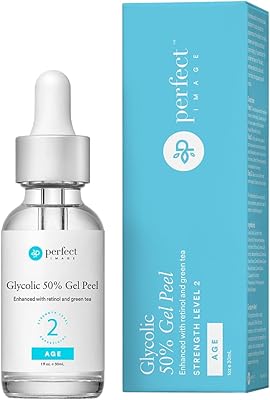
Perfect Image Glycolic 50% Gel Peel 1oz
73%
88%
Exfoliation Efficacy
84%
Texture & Application
81%
Skin Smoothness Results
86%
Ingredient Quality
61%
Safety & Tolerance
More
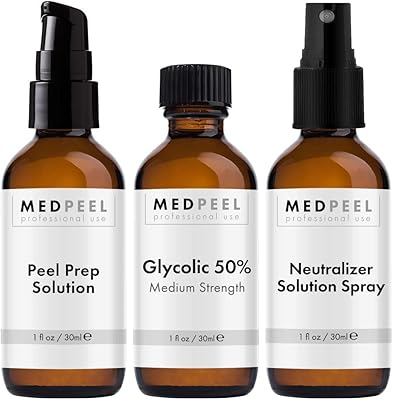
MedPeel Glycolic Acid 50% Face Peel Kit
74%
83%
Effectiveness
62%
Ease of Use
91%
Kit Completeness
58%
Safety & Risk Profile
79%
Value for Money
More
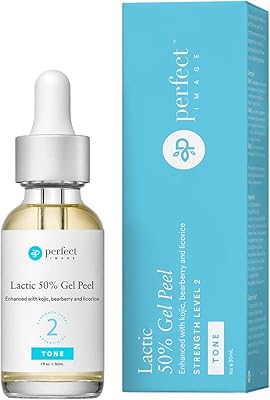
Perfect Image Lactic 50% Gel Peel 1oz
73%
84%
Exfoliation Efficacy
78%
Brightening Results
61%
Ease of Use
58%
Safety & Tolerability
52%
Aftercare Clarity
More
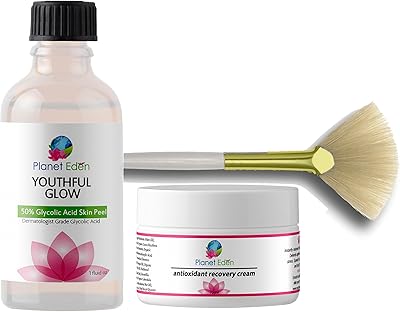
Planet Eden 50% Glycolic Acid Chemical Skin Peel Kit
85%
88%
Effectiveness for Skin Texture
83%
Acne Scar Reduction
85%
Dark Spot Treatment
90%
Post-Peel Skin Recovery
91%
Ease of Application
More
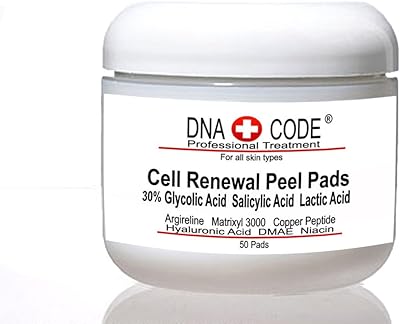
DNA CODE Skin Care AntiAging Peel Pads - 30% Glycolic Acid, 50 Count
85%
88%
Effectiveness in Reducing Wrinkles
92%
Exfoliation Power
90%
Skin Texture Improvement
83%
Hydration and Skin Plumpness
68%
Suitability for Sensitive Skin
More
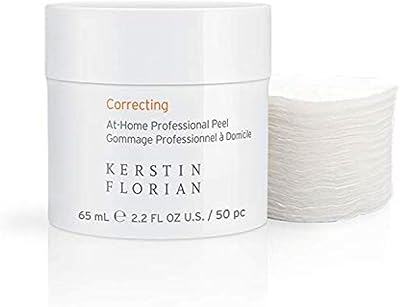
Kerstin Florian Correcting At Home Professional Peel | Glycolic & Lactic Acid Exfoliating Pore Pads (50 Pads)
85%
89%
Exfoliation Effectiveness
84%
Skin Compatibility
91%
Ease of Use
87%
Packaging & Convenience
72%
Tingling Sensation
More
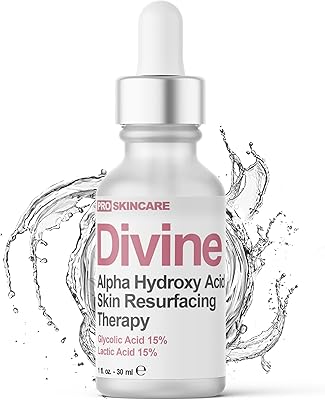
Divine Derriere Gly-Lac 30 AHA Peel 1oz
74%
88%
Exfoliation Effectiveness
81%
Acne & Blemish Control
76%
Hyperpigmentation & Tone
91%
Texture & Absorption
62%
Skin Tolerance & Irritation Risk
More
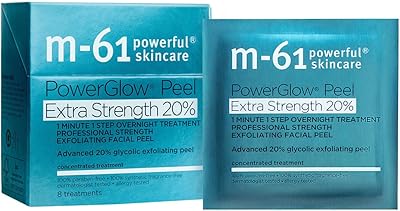
M-61 PowerGlow Peel Extra Strength Exfoliating Pads
81%
91%
Exfoliation Effectiveness
88%
Formula Quality
67%
Skin Tolerance
62%
Value for Money
93%
Packaging & Convenience
More
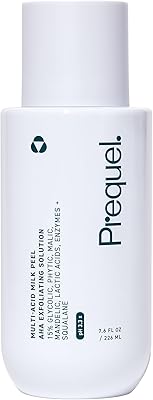
Prequel Multi-Acid Milk Peel Exfoliating Solution 7.6oz
78%
83%
Exfoliating Efficacy
86%
Skin Texture Improvement
85%
Radiance & Glow
91%
Hydration Balance
72%
Tolerance & Sensitivity
More
Replenix Glycolic Acid Resurfacing Peeling Pads 60ct
77%
84%
Exfoliation Effectiveness
91%
Ease of Use
82%
Value for Money
79%
Skin Brightening & Tone
76%
Acne & Breakout Control
More

FAQ

It can be, but only if you already have experience with lower-strength AHA peels and understand how to time and neutralize the application correctly. The Cellbone Glycolic Acid 50% Peel Gel 1oz is not designed for beginners — at this concentration, leaving it on too long or skipping neutralization can damage your skin barrier. If you're new to chemical peels, build up gradually starting in the 10%–20% range before considering something this strong.
Mix about a teaspoon of baking soda into a cup of water, then apply it to your skin with a cotton pad after the recommended dwell time — this raises the pH and stops the acid activity. Some people prefer a store-bought neutralizing solution, which works equally well. Do not treat this as optional; neutralization is a core part of the process, and skipping it is one of the most common reasons users have bad experiences with this glycolic peel gel.

Once a week is the ceiling for most users, and starting bi-weekly is a smarter approach if your skin is not already comfortable with strong AHAs. This is a treatment, not a maintenance product — using it more frequently does not accelerate results, it just raises the risk of irritation and over-exfoliation. Let your skin fully recover and feel normal again before your next session.

With weekly full-face sessions, most people find the bottle lasts between four and eight weeks depending on how much product they use per application. If you're treating smaller areas or using it bi-weekly, it can stretch further. It's a compact size — practical for trying the product before committing to a larger supply, but worth factoring into your long-term budget if you plan to use it regularly.

Yes, it can make a noticeable difference on post-inflammatory hyperpigmentation — the flat, discolored marks left behind after breakouts — by accelerating cell turnover and clearing the surface buildup that makes those marks linger. It is less effective on textural scarring like ice-pick or boxcar scars, which typically require more intensive in-office procedures. For flat pigmentation concerns, consistent use over several weeks tends to show the clearest improvement.

Keep this at-home peel treatment well away from other strong actives — particularly retinoids, vitamin C, and other AHAs or BHAs. Combining them even in the same skincare day significantly increases the chance of irritation and barrier disruption. On peel days, simplify everything else: a gentle cleanser, the peel, neutralizer, and a plain moisturizer is enough. Save SPF for the following morning.

Start with one to two minutes on your very first session and observe how your skin responds before extending the time. Experienced users typically work up to three to five minutes over multiple sessions. If you feel significant burning — as opposed to mild tingling, which is normal — neutralize immediately rather than pushing through it. There is no benefit to tolerating real discomfort at this concentration.

The concentration is in the same range as many light-to-medium professional peels, which commonly run between 30% and 70% glycolic acid. The key difference is that a licensed professional monitors your skin in real time and controls every variable of the process. This at-home peel delivers closer-to-professional results than a standard drugstore exfoliant, but the responsibility for safe technique falls entirely on you.

Realistically, this is not the right fit for sensitive skin. Even users with moderate tolerance regularly report tingling and occasional redness, and those with reactive or sensitized skin face a meaningfully higher risk of irritation or barrier damage. If you're prone to redness, rosacea flares, or reactions to standard exfoliants, this concentration is likely too aggressive regardless of how carefully you apply it.

Yes — and with a 50% acid product, this is genuinely important rather than just standard boilerplate advice. Apply a small amount to your inner wrist or behind your ear, follow the normal dwell time, neutralize, and then observe the area for 24 hours before applying it to your face. Even if you have used lower-strength glycolic products without issue, the jump to this concentration is significant enough to warrant starting fresh with a patch test.