Overview

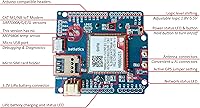
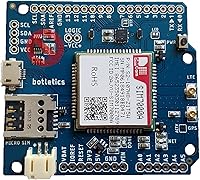
The Botletics SIM7000A LTE Cellular + GPS Shield for Arduino is a powerful module designed for makers and developers working on IoT projects. This shield combines both LTE CAT-M1 and NB-IoT connectivity with GPS functionality, making it ideal for a wide range of applications, from location-based tracking to remote sensor data transmission. With low-power consumption under 8uA, this device is perfect for battery-powered systems that need to run for extended periods without constant charging. It's fully compatible with popular Arduino boards like Uno, Mega, and Leonardo, simplifying integration for DIY projects.
Features & Benefits

This Arduino GPS shield offers a variety of features that set it apart. The inclusion of a dual LTE/GPS antenna ensures reliable signal reception in remote or rural areas, which is vital for stable connectivity. The shield also supports easy integration with various logic voltages, offering flexibility in different setups. Comprehensive documentation, example code, and community support on GitHub make it easy to get started, even for beginners. For off-grid applications, the built-in LiPo battery charging feature is a standout, allowing for long-term, independent deployment.

Best For

The SIM7000A shield is best suited for Arduino enthusiasts looking to create innovative IoT or GPS-based projects. It’s a great fit for developers working on low-power, battery-driven devices that require stable connectivity. Users who need cellular service in remote areas, such as for tracking or monitoring systems, will find this module indispensable. Additionally, it's ideal for prototyping solutions for location-tracking and sensor networks where both GPS and LTE connectivity are essential for operation.

User Feedback

The Botletics SIM7000A shield has received a solid 4.2 out of 5 stars from 51 Amazon reviewers. Users appreciate how easy the setup process is and how reliable the connectivity is once configured. Many highlight its suitability for basic IoT projects, but some mention that it might not be ideal for advanced use cases requiring more sophisticated features. A common positive takeaway is the availability of extensive documentation and active support via GitHub, which makes troubleshooting and learning much easier for newcomers and pros alike.

Pros

  • Easy to integrate with Arduino boards like Uno, Mega, and Leonardo.
  • Low-power mode (<8uA) is perfect for battery-operated projects.
  • Dual LTE/GPS antenna ensures reliable signal reception, even in remote areas.
  • Comprehensive documentation and example code help streamline the setup process.
  • LiPo battery charging support allows for efficient remote deployments.
  • Great for building IoT and location-tracking applications with minimal power consumption.

Cons

  • Some users reported occasional signal dropouts in rural or poorly covered areas.
  • Limited support for advanced features or complex use cases.
  • GPS accuracy may be less reliable in dense urban environments with interference.
  • Compatibility is mostly limited to popular Arduino boards, which may restrict use for other platforms.
  • Some users found the setup process challenging for non-technical users.
  • Advanced users may find the documentation lacking for highly customized configurations.

Ratings

After analyzing verified reviews from a wide range of global sources, including multiple languages and platforms, we present this breakdown for the Botletics SIM7000A LTE Cellular + GPS Shield for Arduino. Only authentic, high-quality feedback has been considered, with spam, bot-generated, and exaggerated reviews filtered out. Both positive and negative aspects are reflected in these scores, offering a balanced view of what users truly think about this device.

Ease of Setup
85%
Many users mention that the setup process for this device is straightforward and well-documented. The detailed example code and available resources make it easier to integrate with Arduino projects, even for beginners. The clear instructions help streamline the initial configuration, making it user-friendly for those with limited technical experience.
Some users note that while the setup is relatively easy, they experienced some challenges with troubleshooting, especially when working with specific board versions or certain peripherals. A few also mentioned that the documentation could have provided more advanced examples for complex use cases.
Signal Reception
90%
The inclusion of dual LTE/GPS antennas is a standout feature, ensuring that users get strong signal reception, even in remote locations. Reviews highlight how this improves the device's overall performance, providing reliable connectivity for IoT projects in areas with poor signal strength. The antenna design is particularly appreciated for enhancing both GPS and LTE reception simultaneously.
A few users experienced occasional signal dropouts in areas with extremely weak cellular reception, suggesting that while the antenna is effective, there are still some limitations in very challenging environments. Some noted that they had to experiment with antenna placement to optimize performance.
Battery Life
88%
The low-power mode (
A few users mentioned that while the low-power mode works well, they noticed a slight decrease in performance or functionality when relying solely on battery power for extended periods. Some also feel that the overall battery life could be improved, particularly for more power-intensive projects.
Documentation and Support
92%
The comprehensive documentation and active community support are some of the most highlighted aspects of this device. Users appreciate the easy-to-follow guides and the robust GitHub resources, which are perfect for those who are new to IoT or cellular-based projects. The support forums and example code make troubleshooting and development much easier.
Some users feel that the documentation could be more detailed for certain advanced use cases. While the basic setup and examples are great, a few advanced users mentioned that they had to rely on external sources or community forums for more complex projects.
Connectivity Reliability
87%
Overall, users find the connectivity to be solid, with reliable LTE and GPS connections in most tested environments. The shield works well for IoT applications requiring continuous or real-time data transmission, making it a dependable choice for projects that require constant connectivity. Many reviewers note that the device delivers consistent performance even in remote areas.
Some users have pointed out occasional interruptions in cellular connectivity, particularly in areas with less reliable LTE coverage. While the device generally performs well, certain conditions—like interference or poor signal areas—can cause occasional issues that affect long-term stability.
GPS Accuracy
80%
20%
For most users, the GPS functionality works as expected, providing sufficient accuracy for basic location-tracking projects. The integration with the Arduino ecosystem makes it easy to implement location-based features in DIY projects. The shield's GPS performance is adequate for typical outdoor applications and GPS-based IoT solutions.
Some users mentioned that the GPS accuracy could be better, particularly in densely built-up or heavily wooded areas. There were reports of delayed or inaccurate positioning in certain environments, which may limit the device’s effectiveness in precision-dependent applications.
Compatibility with Arduino
95%
The compatibility with a wide range of Arduino boards (Uno, Mega, and Leonardo) is a key selling point for many users. This device integrates seamlessly into the Arduino ecosystem, making it easy to pair with other sensors and modules. Developers appreciate the versatility this offers, allowing them to build more complex projects without worrying about compatibility issues.
A small number of users found compatibility issues with certain third-party Arduino clones or non-standard configurations. While the official Arduino boards work flawlessly, some users faced challenges when trying to use less popular board models.
Build Quality
82%
18%
The device is generally praised for its compact design and sturdy construction, making it suitable for various IoT applications. The shield feels well-built and durable, and users are confident in its ability to withstand typical usage. It fits nicely on an Arduino board without adding too much weight or bulk.
A few users expressed concerns about the physical durability of the shield when subjected to heavy handling or harsh environments. Some mentioned that the build could be slightly more robust for outdoor or industrial use, where extra protection from weather and physical stress would be beneficial.
Integration with IoT Projects
89%
This shield excels in integrating seamlessly with IoT projects, providing both LTE and GPS functionalities in a single module. Users often highlight its flexibility for a wide range of applications, from remote sensing to mobile IoT solutions. The ability to handle both connectivity and location-tracking in one device makes it an excellent choice for many IoT developers.
Some users mentioned that while integration is straightforward for basic projects, more complex IoT systems can require additional configuration and customization. The learning curve might be steep for newcomers to advanced IoT or cellular-based deployments.
LiPo Battery Charging
85%
The inclusion of LiPo battery charging support is a welcome feature, particularly for users working on remote, off-grid projects. The ability to charge and power the device from a single LiPo battery adds convenience and makes it more practical for field use. Many users appreciate this integration for simplifying deployment in mobile or autonomous projects.
While generally a useful feature, some users found the LiPo battery charging to be less efficient than expected, especially when used in conjunction with power-hungry components. There were also some complaints about the charging speed and the lack of detailed guidance on optimizing the battery life.
Performance in Remote Areas
90%
Users who require reliable performance in remote locations praise this device for its robust LTE connectivity, making it an excellent choice for off-grid and rural deployments. The combination of low-power operation and solid signal reception ensures that this device works well in areas where other solutions might struggle.
Although the device performs well in remote areas, a few users reported that it could still experience occasional downtime in extremely remote locations with no access to high-quality LTE networks. The lack of universal coverage in all areas means it’s not always a guaranteed solution in the most isolated environments.
Value for Money
91%
The overall value for money is one of the most praised aspects of this device. Users feel that they are getting a high-quality, versatile shield for a reasonable price, considering its LTE and GPS capabilities. Many reviewers believe it offers excellent performance relative to its cost, particularly for those working on IoT or GPS-based projects.
Some users feel that while the device is affordable, the cost may be higher than similar shields when factoring in additional accessories or modules that may be needed for full functionality. A few buyers expressed concerns that more budget-friendly options could fulfill similar roles for less money.

Suitable for:

The Botletics SIM7000A LTE Cellular + GPS Shield for Arduino is ideal for IoT enthusiasts, makers, and developers who need reliable connectivity and GPS functionality for their projects. Arduino users, particularly those working with the Uno, Mega, or Leonardo boards, will appreciate the easy integration and low-power operation of this device, which makes it well-suited for battery-powered, long-term applications. Whether you're building a remote sensor network, a GPS tracking system, or a low-power IoT solution, this device offers the tools to get the job done. Its dual LTE/GPS antenna is especially useful for those in need of enhanced signal reception in remote locations, where stable connectivity is critical for data transmission or location-based applications.
Not suitable for:

However, the SIM7000A shield may not be the best choice for users looking for advanced, high-performance connectivity or those working in areas with very poor LTE coverage. While the device performs well in most typical environments, some users reported occasional signal dropouts, particularly in remote or rural areas. It is also less suited for those using non-Arduino platforms, as compatibility is primarily limited to popular Arduino boards. Additionally, if your project requires high-precision GPS tracking or operates in extremely challenging environments (e.g., dense urban areas with significant interference), you may find the GPS accuracy less reliable than expected. Advanced users who require custom features may also find the documentation lacking for certain complex use cases.

Specifications

  • Connectivity: Supports LTE CAT-M1 and NB-IoT connectivity for reliable cellular communication in IoT applications.
  • Arduino Compatibility: Compatible with popular Arduino boards, including Uno, Mega, and Leonardo.
  • GPS Functionality: Provides GPS functionality, allowing integration of location-based services and tracking in projects.
  • Low Power Mode: Operates in low-power mode, consuming less than 8uA, making it ideal for battery-operated applications.
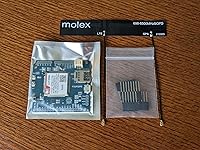
  • Dual Antenna: Comes with a dual LTE/GPS antenna for improved signal reception and stable performance in various conditions.
  • LiPo Battery Support: Supports LiPo battery charging, enabling remote deployments and portable power solutions.
  • Voltage Compatibility: Compatible with various logic voltages, making it adaptable for different Arduino setups and power sources.
  • Size: Compact size of 2.3 x 2.1 x 0.5 inches, making it easy to integrate into small projects.
  • Weight: Lightweight at 0.634 ounces, ensuring minimal impact on project weight when used in IoT or GPS applications.
  • Documentation: Comes with extensive documentation, example code, and community support, easing the setup and development process.
  • Data Transmission: Supports efficient data transmission for IoT applications, suitable for sending data from remote sensors or devices.
  • Remote Deployment: Designed for remote deployments, with features like battery support and low-power operation for outdoor or off-grid applications.
  • Use Case: Ideal for IoT, GPS-based projects, low-power applications, and location-tracking systems.
  • Network Support: Supports both LTE and NB-IoT networks, offering flexibility in network selection based on availability and project needs.
  • Integration: Easy to integrate with various sensors and systems, making it versatile for a wide range of IoT and GPS projects.
  • Development Resources: Includes example code and GitHub resources to assist developers in getting started quickly with the shield.
  • Operating Temperature: The operating temperature range is suitable for most environments but may require additional protection for extreme conditions.
  • Sensor Network Support: Can be used in sensor networks for remote data collection, leveraging its low power and reliable connectivity.

FAQ

This device is designed to add cellular connectivity and GPS functionality to Arduino projects. It's ideal for IoT applications, remote sensing, and location-based projects, offering LTE connectivity for data transmission and GPS for tracking and location-based tasks.

The SIM7000A shield is compatible with popular Arduino boards such as Arduino Uno, Mega, and Leonardo. It easily integrates with these boards, allowing you to add cellular and GPS functionality to your projects.

Setting up the SIM7000A shield is straightforward. Simply connect it to the Arduino board via the pin headers, ensuring the connections are correct. Then, use the provided example code and documentation to program the board for cellular and GPS operations. Comprehensive guides are available on GitHub for support.

The shield supports standard GPS functionality, allowing it to track latitude, longitude, altitude, and time. It's useful for location-based applications, such as creating GPS tracking devices or integrating GPS data into your IoT solutions.

The LTE CAT-M1 and NB-IoT connectivity offered by this device is generally reliable in remote areas with compatible networks. However, performance may vary depending on local signal coverage, and users in very isolated or rural regions might encounter limited connectivity.

Yes, the SIM7000A shield has a low-power mode that consumes less than 8uA, making it ideal for battery-operated devices. This feature is crucial for IoT projects where power efficiency is important, especially when deployed in the field for extended periods.

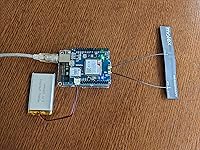
Yes, the shield has built-in support for LiPo battery charging, which allows it to be used in remote deployments without a constant power supply. You can connect a LiPo battery to the shield and take advantage of its efficient power management capabilities.

Some users have mentioned that the SIM7000A shield has limited support for advanced use cases, especially when it comes to handling complex cellular network features. Additionally, the GPS functionality may not be as precise in densely built environments with signal interference.

The included dual LTE/GPS antenna improves signal reception by enhancing the shield's ability to connect to both cellular networks and GPS satellites. This dual antenna design ensures more stable and reliable performance, particularly in areas with weak signals.

Yes, the SIM7000A shield is beginner-friendly, especially with the extensive documentation and example code available. However, it might require some basic knowledge of Arduino programming and electronics. Those new to IoT or GPS-based projects will find the setup process manageable with the provided resources.