Overview

The beyerdynamic DT 240 PRO Studio Monitoring Headphones come from a German manufacturer with decades of professional audio heritage, and that background shows in how this closed-back over-ear headphone is designed — not for casual listening, but for the real work of monitoring and recording. It sits at an entry-to-mid professional level, which means it is built around honest sound rather than flattering bass or hyped highs. The 34 Ohm impedance is low enough that you can run it straight from a laptop or phone without any dedicated amplifier. Since launching in 2017, it has accumulated nearly 2,000 ratings at a steady 4.4 stars — that kind of staying power in the market says something real.
Features & Benefits

The closed-back design does exactly what it needs to in a tracking session — it keeps outside noise from creeping in and keeps your monitor signal from leaking into an open microphone. Beyerdynamic's closed-back headphone covers a range from 5 Hz all the way to 35,000 Hz, which gives engineers and musicians enough breadth to catch detail at both extremes. The coiled cable ships in two practical lengths: a compact 1.25 m version for mobile use and a stretched 3 m option for studio desks. The leatherette ear pads and a well-balanced headband keep the weight from becoming an issue over long sessions, and a soft carry bag rounds out the package for anyone moving between locations.

Best For

These studio monitors make the most sense for people who are serious enough about audio to want an honest reference, but not yet at the point of building out a full professional rig. If you are tracking vocals at home, the passive isolation helps you focus without needing to treat the entire room. Podcasters and streamers benefit from the accurate playback without disturbing anyone nearby. The DT 240 PRO is also a solid pick for music students or beginner engineers who want to start training their ears on a flat, uncolored sound. The low impedance means it pairs effortlessly with a phone or laptop — no headphone amp required, which keeps the whole setup lean and portable.

User Feedback

The consistent thread running through buyer reviews is appreciation for the neutral sound signature — a quality rarely praised on consumer headphones but critical when making real mix decisions. Comfort is a genuine strong point, with many users noting they can wear the DT 240 PRO for three or four hours without significant fatigue. That said, the leatherette ear pads do trap heat, which becomes noticeable in warmer environments or during longer summer sessions. The cable also surfaces as a minor concern; it functions fine but does not inspire long-term confidence under heavy daily use. On balance, overall buyer sentiment among home studio owners and working musicians is that beyerdynamic's closed-back headphone punches well above its price point.

Pros

  • Neutral, flat sound tuning gives an honest reference that consumer headphones simply cannot replicate.
  • The 34 Ohm impedance drives easily from a phone or laptop with no extra amplification needed.
  • Passive noise isolation keeps outside sound out during focused tracking sessions in imperfect rooms.
  • Minimal sound leakage means the DT 240 PRO works safely alongside open microphones during live recording.
  • The wide frequency response captures detail at both low and high extremes, useful for critical listening.
  • Two coiled cable lengths in the box cover both desktop studio use and portable on-location setups.
  • A carry bag is included, making these practical to pack for musicians who record in multiple spaces.
  • Comfortable headband pressure distribution holds up well across multi-hour sessions without hot spots.
  • Strong sustained user ratings across nearly 2,000 reviews indicate consistent build and sound quality over time.
  • Beyerdynamic's closed-back headphone competes credibly with options that cost noticeably more.

Cons

  • The leatherette ear pads trap heat noticeably during long sessions, especially in warm or humid conditions.
  • Cable durability is a recurring concern; the included coiled cable feels like the weakest component in the package.
  • The flat tuning will actively disappoint buyers expecting bass emphasis or consumer-style sound coloring.
  • Ear pad replacement options are more limited than on some competing studio headphones in this price range.
  • The plastic headband construction feels serviceable rather than premium, which may concern buyers prioritizing build longevity.
  • No in-line remote or volume control on the cable, which limits convenience for casual or mobile use cases.
  • Wired-only connectivity rules out any use case where cable-free freedom is a practical requirement.
  • Sound isolation, while decent, does not match the level of active noise cancellation available on modern consumer headphones.

Ratings

The scores below for the beyerdynamic DT 240 PRO Studio Monitoring Headphones were generated by our AI rating engine after analyzing thousands of verified buyer reviews worldwide, with automated filters actively removing spam, bot-submitted feedback, and incentivized reviews. Each category reflects genuine user sentiment — both the aspects buyers consistently praise and the pain points that prevent a perfect score. The result is a transparent, balanced assessment designed to help you determine whether these studio monitors suit your specific recording and monitoring needs.

Sound Accuracy
88%
The neutral tuning consistently earns praise from home studio musicians who report that tracking problems become far more audible here than on consumer headphones. Podcasters and recording vocalists specifically mention that playback sounds honest and unexaggerated, which builds real confidence in monitoring decisions during long sessions.
The accuracy-first approach can feel dry or clinical to buyers who double up these studio monitors for leisure listening. Some users also note that the closed-back design creates a slightly compressed stereo image, which limits usefulness for deeper mix work compared to open-back references.
Value for Money
91%
Value is the single most praised dimension across reviews — buyers repeatedly note that the DT 240 PRO punches well above its price tier against competing options. The professional-grade sound tuning, carry bag, and dual-length cable included in the box make the package feel genuinely well-rounded without hidden add-on costs.
The price advantage is real, but a number of buyers who compared these against open-back alternatives in the same range felt the closed-back design narrowed the value gap for critical mixing work. Those prioritizing mix use over tracking may find their budget better directed toward a different monitor type.
Comfort
81%
19%
Headband pressure distribution is one of the most frequently cited strengths, with many users reporting comfortable wear across three to four hour sessions without noticeable hotspot fatigue. The lightweight construction helps considerably — at just over 11 oz, these do not become burdensome during extended tracking or podcast recording work.
A recurring complaint involves the leatherette ear pads trapping heat during long sessions, which becomes particularly uncomfortable in warm climates or poorly ventilated rooms. A smaller number of buyers with larger ears also note the cups feel slightly shallow, causing occasional contact with the driver housing over extended wear.
Noise Isolation
78%
22%
The closed-back acoustic design provides genuinely useful passive isolation for home studio and location recording contexts where keeping ambient sound out of the monitor feed matters. Users working in shared apartments report that street noise and household sounds are meaningfully reduced without any active circuitry or battery drain involved.
Passive isolation has a ceiling that active noise-cancellation technology crosses easily, and buyers expecting a near-silent experience were occasionally disappointed. In louder environments — busy cafes or rooms with persistent HVAC noise — the isolation is adequate but not exceptional, sometimes requiring users to raise monitoring levels to compensate.
Plug-and-Play Compatibility
89%
The 34 Ohm impedance means virtually every device — phone, laptop, tablet, audio interface — drives these to usable monitoring levels without additional hardware. This is a meaningful practical advantage for beginners and mobile recordists who are still building their gear setup and cannot yet invest in a dedicated headphone amplifier.
Because these work so effortlessly with consumer devices, some buyers assume performance will be equally optimal in every context. Users with high-output interfaces occasionally note that controlling volume at lower listening levels requires extra care, and the fixed cable means any compatibility mismatch cannot be resolved with a simple swap.
Build Quality
73%
27%
For the price tier, the physical construction is solid enough that most buyers report no issues over months of regular studio use. The headband resists flex without feeling fragile, and the overall assembly holds together well under the kind of daily handling a home studio headphone typically receives.
The plastic construction is the most common build-related criticism — it reads as functional rather than premium, and a few buyers report concerns about long-term durability at stress points like the yoke hinges. Compared to metal-reinforced competitors in adjacent price tiers, it does feel a step below in raw build confidence.
Cable Quality
57%
43%
The coiled format is genuinely practical — it stays tidier on a studio desk than a straight cable, and having both a short and a long version in the box means most users find a suitable length without immediately needing to purchase anything extra.
The cable is the component most frequently flagged with concern in buyer reviews. It functions adequately out of the box, but the materials and connector terminations do not inspire long-term confidence under heavy daily use. The non-detachable design compounds this, meaning any cable failure requires a repair rather than a simple swap.
Portability
84%
The compact over-ear form factor and included soft carry bag make these easy to pack for location recording sessions, podcast setups at different venues, or visits to a collaborator's studio. Buyers who regularly move between recording environments specifically call out the carry bag as a thoughtful and useful inclusion.
The headphone does not fold completely flat the way some travel-oriented designs do, limiting how compactly it fits inside a crowded backpack. Users who frequently travel with their headphones also note the coiled cable adds a modest amount of bulk compared to a straight cable that coils flat on its own.
Ear Pad Quality
66%
34%
The leatherette cushions create a reliable acoustic seal that contributes directly to passive isolation performance, and most users find them comfortable enough for sessions up to two or three hours. They are soft to the touch on initial wear and do not cause skin irritation for the majority of buyers.
Heat buildup is a consistent pain point in warmer climates, and the leatherette surface shows wear — discoloration and surface cracking — more quickly than velour or fabric alternatives on competing models. Replacement cushions are available but not as straightforward to source as on more widely supported headphone lines.
Headband Design
79%
21%
The ergonomic cushioning distributes clamping force well enough that most buyers report no significant pressure headaches even during three to four hour tracking sessions. Users with larger or smaller than average head sizes generally find the adjustment range accommodating without requiring awkward extension at the extremes.
The headband padding is not a standard user-replaceable component, meaning wear over years of heavy use cannot be easily corrected at home. A segment of buyers with narrower heads also found the initial clamping force slightly higher than comfortable, particularly during the break-in period before the band loosens marginally.
Sound Leakage Control
83%
Sound leakage out of the cups is minimal enough that the DT 240 PRO can be used comfortably alongside an open microphone during live tracking without significant bleed into recordings. Podcasters and home studio vocalists specifically benefit from this, reducing the need for heavy noise gate settings in post-production.
Leakage control degrades at higher monitoring volumes — users who push output levels to compensate for outside noise report that some bleed becomes detectable at the microphone. This is a physical limitation of passive closed-back designs, but it sets a practical ceiling on monitoring volume in shared recording spaces.
Frequency Response
86%
The 5 Hz to 35,000 Hz range means the headphone captures genuine low-frequency detail and high-frequency extension that narrower-range options miss. Engineers tracking acoustic instruments or working with high-resolution files report that transient details and upper harmonic content come through with clarity that cheaper monitoring alternatives obscure.
Wide frequency response on paper does not guarantee perfectly balanced reproduction throughout, and a subset of critical listeners note the upper midrange can feel slightly forward on certain program material. The ultrasonic extension beyond 20,000 Hz is also a marginal practical benefit for most standard recording and monitoring scenarios.
Accessories & Packaging
76%
24%
The inclusion of both cable lengths and a carry bag removes the immediate need to purchase additional accessories, which first-time monitor headphone buyers particularly appreciate. It signals that beyerdynamic considered real-world use cases rather than shipping the minimum viable package and calling it complete.
The soft bag offers limited protection against knocks or compression inside a packed travel bag. A 6.35 mm adapter is not included, which is a minor but recurring omission for users connecting to mixing consoles or professional audio equipment that uses the larger standard jack output.
Long-Session Wearability
74%
26%
The lightweight construction and even headband pressure make beyerdynamic's closed-back headphone genuinely suitable for recording sessions stretching across several hours. Musicians tracking multiple takes or engineers monitoring long rehearsal runs report that physical fatigue from the headphone itself is rarely the limiting factor during a session.
Heat accumulation in the leatherette pads becomes the dominant wearability complaint past the two to three hour mark, particularly for users in warmer environments. Unlike fabric or velour pad alternatives, the leatherette does not breathe, and this limitation is more pronounced during warmer seasons or in studios without adequate climate control.
Beginner Friendliness
87%
The low impedance and universal 3.5 mm connector mean a first-time studio headphone buyer can unbox, plug into a laptop or phone, and start monitoring immediately without any additional gear investment. The flat sound signature also serves as an effective long-term training tool for beginners developing their critical listening skills.
The flat tuning can initially disorient beginners who have only listened on consumer headphones — the absence of bass boost can make familiar recordings sound unexpectedly lean rather than honest. Some newcomers may need time to recalibrate their listening expectations before the genuine monitoring benefit of the neutral response becomes apparent.

Suitable for:

The beyerdynamic DT 240 PRO Studio Monitoring Headphones are genuinely well-suited to anyone building out a home studio on a realistic budget who needs a reliable closed-back reference for tracking vocals, acoustic instruments, or podcast recordings. The 34 Ohm impedance means you can plug directly into a laptop, phone, or entry-level audio interface and get a usable signal without investing in a separate headphone amplifier — a real advantage for producers who are still assembling their gear chain. Musicians who move between a home setup and location recordings will appreciate the compact form and included carry bag, which make these easy to pack without treating them as fragile equipment. Beginner mix engineers who want to start developing their ear on a flat, honest sound — rather than the bass-heavy coloration of consumer headphones — will find the DT 240 PRO a practical training tool. Streamers and podcasters who need accurate playback in a shared space also benefit from the passive isolation and minimal sound leakage, which keeps the monitoring signal away from live microphones.
Not suitable for:

The beyerdynamic DT 240 PRO Studio Monitoring Headphones are not the right tool for buyers whose primary goal is enjoyable casual listening. The flat, uncolored sound signature that makes them useful for critical monitoring can feel dry or uninvolving when you just want to enjoy music on a commute or at the gym. Anyone expecting the kind of bass presence or sonic excitement common in consumer-oriented headphones will likely be disappointed, since the tuning here is deliberately neutral rather than flattering. The leatherette ear pads, while comfortable initially, do build up heat during extended sessions, which may be a recurring frustration for users in warm climates or those who wear headphones for five or more hours at a stretch. The cable, while functional, is not the most robust component in the package, so professional touring musicians or users who subject their gear to constant physical stress may find it underwhelming over time. If your workflow demands very high impedance headphones for use with specialized professional equipment, or if you need wireless connectivity of any kind, these are simply not designed for that purpose.
Specifications

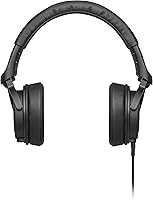
  • Type: Closed-back over-ear dynamic headphone engineered specifically for studio monitoring and mobile recording applications.
  • Impedance: Nominal impedance of 34 Ohm allows direct use with phones, laptops, and entry-level audio interfaces without a dedicated headphone amplifier.
  • Frequency Range: Rated frequency response spans 5 Hz to 35,000 Hz, covering the full audible spectrum and extending into ultrasonic territory for detailed critical listening.
  • Driver Type: Dynamic driver transducer delivers accurate, uncolored audio reproduction suited to tracking and monitoring rather than consumer-oriented sound enhancement.
  • Connector: Terminated with a 3.5 mm stereo jack offering broad compatibility with consumer devices, laptops, and professional audio interfaces alike.
  • Cable: Coiled cable included in two functional lengths — 1.25 m at rest and 3 m fully stretched — to support both desktop and portable setups.
  • Weight: Approximately 11.2 oz (317 g), light enough to remain comfortable across multi-hour monitoring and recording sessions.
  • Ear Pad Material: Leatherette (faux leather) cushions create a comfortable acoustic seal around the ear and contribute to the headphone's passive sound isolation.
  • Headband Material: Plastic frame with ergonomic cushioned padding designed to distribute clamping pressure evenly and reduce hotspot fatigue during extended wear.
  • Noise Control: Passive sound isolation achieved through the closed-back acoustic design, requiring no batteries, charging, or active circuitry of any kind.
  • Dimensions: Product measures approximately 8.5 × 7.9 × 2 inches, reflecting a compact over-ear form factor suited to travel and location recording.
  • Compatibility: Compatible with any standard 3.5 mm audio output, including smartphones, tablets, laptops, audio interfaces, and mixing consoles.
  • Accessories: Package includes the headphone unit, the coiled dual-length cable, and a soft protective carry bag for transport and storage.
  • Recommended Use: Optimized for studio monitoring, vocal and instrument tracking, podcasting, and mobile recording scenarios requiring accurate sound reproduction.
  • Manufacturer: Designed and produced by beyerdynamic, a German audio company with a long-standing heritage in professional studio and broadcast equipment.

Related Reviews

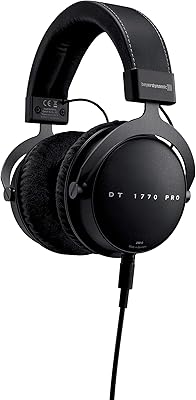
beyerdynamic DT 1770 Pro Studio Headphones
88%
94%
Sound Quality
88%
Comfort for Long Sessions
91%
Build Quality
90%
Noise Isolation
85%
Value for Money
More
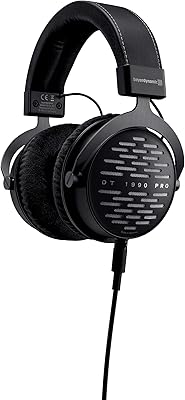
beyerdynamic DT 1990 Pro Open Studio Headphones
86%
96%
Sound Quality
93%
Build Quality
88%
Comfort for Long Sessions
72%
Noise Isolation
84%
Value for Money
More
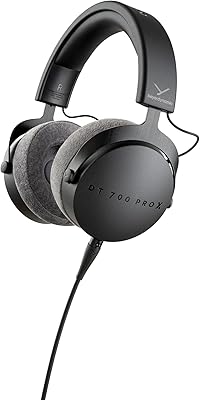
beyerdynamic DT 700 PRO X
88%
93%
Audio Accuracy
91%
Build Quality
88%
Passive Isolation
76%
Long-Term Comfort
94%
Mobile Versatility
More
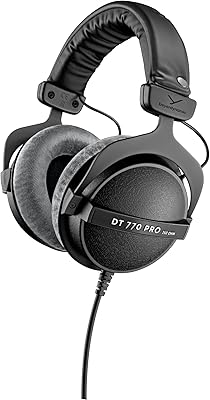
beyerdynamic DT 770 PRO 250 Ohm
78%
94%
Build Durability
91%
Long-Term Comfort
88%
Sound Isolation
86%
Mixing Precision
89%
Value for Money
More
beyerdynamic DT 900 PRO X
81%
93%
Audio Clarity & Detail
88%
Build Quality & Durability
82%
Comfort & Ergonomics
96%
Device Versatility
89%
Soundstage & Imaging
More
beyerdynamic DT 990 PRO 250 Ohm
83%
93%
Build Durability
91%
Long-Session Comfort
89%
Soundstage & Imaging
87%
Repairability
82%
High-End Detail
More
beyerdynamic DT 990 Pro X Over-Ear Headphones
78%
91%
Sound Quality
93%
Soundstage & Imaging
88%
Comfort & Fit
86%
Build Quality
82%
Cable & Connectivity
More
Senal SMH-1200 Studio Monitor Headphones
75%
82%
Sound Accuracy
76%
Build Quality
88%
Cable Design
63%
Comfort & Fit
74%
Noise Isolation
More
JLab Studio Pro Wireless Over-Ear Headphones
75%
94%
Battery Life
91%
Value for Money
78%
Comfort
72%
Sound Quality
61%
Build Quality
More
beyerdynamic DT 770 PRO 80 Ohm
82%
93%
Audio Accuracy
96%
Build Quality
89%
Long-Term Comfort
91%
Isolation Performance
84%
Soundstage
More

FAQ

No — the 34 Ohm impedance is low enough that the DT 240 PRO drives comfortably from a standard phone output, a laptop headphone jack, or an entry-level audio interface. A dedicated amp is only relevant if your source device has an unusually weak output stage, which is uncommon in modern consumer electronics.

The beyerdynamic DT 240 PRO Studio Monitoring Headphones are tuned for accuracy rather than enjoyment, which is a meaningful distinction. Consumer headphones typically boost bass and add presence to make music sound exciting; these aim for flat, honest reproduction that reflects what is actually in the audio. If you are used to bass-heavy headphones, the first listen can feel unusually neutral — but for tracking or critical listening, that restraint is exactly the point.
They are better suited to tracking than to serious mixing work, though they serve as a reasonable starting reference for beginners still developing their ear. Closed-back headphones inherently produce a more intimate stereo image than open-back designs, which can make judging width and depth in a mix less reliable. For tracking, monitoring playback, or podcast recording, however, they perform very well.

Yes, replacement ear cushions are available for the DT 240 PRO, though the selection is more limited than on some competing models. It is worth checking directly with beyerdynamic or an authorized dealer for currently compatible cushion options, since availability can vary by region.

Comfort is consistently one of the most praised aspects in buyer reviews. The headband pressure distributes well across most head shapes, and the ear cushions sit comfortably without clamping too tightly. The main caveat is that the leatherette pads trap heat noticeably, so in a warm room or during summer months, short breaks during very long sessions are advisable.

Most users find it practical rather than cumbersome. The shorter 1.25 m resting length suits a close desktop setup — laptop or audio interface within arm's reach — while the 3 m stretched version gives enough slack for a larger studio configuration. Coiled cables also tend to stay tidier on a busy desk than straight cables do.

They will work with any device that has a standard 3.5 mm headphone output. On phones that have removed the headphone jack entirely, you will need a lightning-to-3.5 mm or USB-C-to-3.5 mm adapter, which is a limitation of the phone itself rather than anything specific to these studio monitors.

The closed-back design provides a solid level of passive isolation — enough to maintain focus in a moderately noisy home office, shared apartment, or untreated room. These are not active noise-cancelling headphones and will not block out loud or sustained environmental noise the way ANC technology does, but for typical home studio conditions they perform reliably well.

The cable is hardwired and not detachable on this model. That means if the cable sustains damage, the headphone would need a repair rather than a simple cable swap. Given that cable quality is occasionally noted as a minor concern by buyers, it is worth handling the connection point and the cable strain relief with reasonable care during daily use.

Probably not as a first-choice purchase for those purposes. The flat, reference-oriented sound signature is purpose-built for monitoring and does not deliver the bass warmth or sonic excitement that makes gaming or leisure listening more enjoyable. If you already own beyerdynamic's closed-back headphone for studio work and want to use it occasionally for other purposes, that is perfectly fine — but if monitoring is not your primary need, a consumer-oriented headphone in a similar price range will likely feel more satisfying day to day.