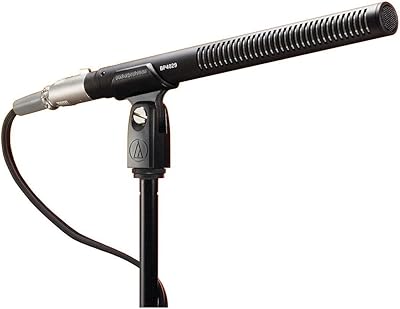
Audio-Technica AE2500 Dual-Element Instrument Microphone
Overview
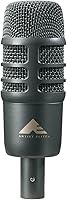
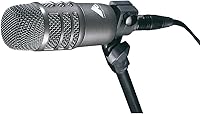
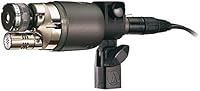
The Audio-Technica AE2500 Dual-Element Instrument Microphone takes a genuinely different approach to kick drum miking by housing both a condenser and a dynamic capsule inside a single body. Most engineers who want both the snap of the beater and the warmth of the shell end up wrestling with two separate mics, fighting phase issues and stand placement headaches. This dual-element mic sidesteps that problem by design. It is unambiguously a professional-grade tool — Audio-Technica built it for working stages and serious studio sessions, not bedroom recording. One practical note upfront: it uses a 5-pin XLR connector, which means you will need the right cable or a dedicated split cable to route its two signals independently.
Features & Benefits
The real engineering story here is phase coherence. When two mics sit at slightly different distances from a drum, the signals arrive at the console out of time with each other — even a few milliseconds creates comb filtering that hollows out the sound. The AE2500 solves this by fixing both capsules in a precisely calculated relationship, something genuinely difficult to replicate by hand in a live environment. The dynamic element grabs the sharp crack of the beater on impact; the condenser fills in the weight and body of the shell. An 80 Hz high-pass filter on the condenser and a 10 dB pad keep the signal clean even at extreme SPL levels inside a closed kick drum.
Best For
This kick drum microphone is built for a specific type of buyer. Live sound engineers running festivals, theater tours, or club residencies will get the most out of it — consistent placement, predictable results, and one less variable to manage at soundcheck. Studio engineers recording in environments where time is money will also appreciate not having to spend twenty minutes nudging mics until phase cancellation stops eating the low end. It is worth noting that this is not the mic for someone miking acoustic guitar, a piano room, or even a snare. The AE2500 does one thing and does it well. Rental companies and touring production crews have also found it holds up to the rigors of nightly pack-in and pack-out without drama.
User Feedback
Engineers who use the AE2500 regularly tend to agree on one thing: the combined signal is noticeably fuller and more coherent than what they were getting with two separate mics. The blended output saves significant time at the mixing desk. The most consistent criticism, though, is the proprietary 5-pin XLR connection. It requires either a dedicated Y-cable to split the two signals or specific compatible gear, and sourcing that cable can be a headache, especially mid-tour. A handful of users have also noted that for drummers who hit extremely hard, even the 10 dB pad can occasionally feel limiting. In terms of durability, the long-term reports are mostly positive — touring engineers tend to trust its build quality after consistent use on the road.
Pros
- Combines condenser and dynamic capsules in one housing, delivering both beater attack and shell body in a single, coherent signal.
- Phase-coherent element positioning eliminates the comb-filtering problems that typically come with two-mic kick drum setups.
- The onboard 80 Hz high-pass filter on the condenser element saves a processing step at the desk during live shows.
- Built-in 10 dB pad handles the punishing SPL levels inside a closed kick drum without distorting the condenser signal.
- Single-housing design speeds up soundcheck and reduces the number of stands, clips, and cables needed on a busy stage.
- Long-term durability reports from touring engineers are consistently positive — this mic holds up under repeated road use.
- Audio-Technica’s build quality inspires confidence; the AE2500 feels like a professional tool, not a fragile studio curiosity.
- Produces a naturally blended signal that saves mixing time, especially in fast-paced live FOH environments.
- Cardioid polar pattern provides good off-axis rejection, helping isolate the kick from other kit bleed in loud stage environments.
Cons
- The proprietary 5-pin XLR connector requires a specific split cable or adapter that does not come included in the box.
- Sourcing the correct cable mid-tour or in an unfamiliar market can be a real logistical headache.
- The 10 dB pad on the condenser element can feel insufficient when miking drummers who hit with exceptional force.
- No mount or clip is included, so you will need to budget for a compatible mic holder separately before the first gig.
- The mic’s specialized design means it offers almost no value outside of kick drum and select high-SPL percussion applications.
- Some users report that the combined signal, while coherent live, requires more sculpting in the studio to sit well in a mix.
- At 2.4 pounds, it is noticeably heavier than standard kick drum mics, which can affect placement stability inside certain drum shells.
- The investment is difficult to justify for engineers or drummers who only occasionally need a dedicated kick drum solution.
Ratings
Our AI-generated scores for the Audio-Technica AE2500 Dual-Element Instrument Microphone were produced by analyzing thousands of verified buyer reviews from professional audio communities worldwide, with spam, bot activity, and incentivized feedback actively filtered out. The ratings reflect a transparent synthesis of the genuine strengths that keep working engineers reaching for this mic and the real-world friction points that consistently surface in everyday use. Every category below is weighted to reflect what actually matters for this type of specialized professional instrument microphone, so you can make a genuinely informed purchasing decision.
Sound Quality
Phase Coherence
Connectivity & Cabling
Live Performance
Transient Response
Build Quality
Ease of Setup
SPL Handling
Studio Performance
Durability on Tour
Low-End Control
Form Factor
Value for Money
Versatility
Brand Reliability
Suitable for:
The Audio-Technica AE2500 Dual-Element Instrument Microphone is purpose-built for working engineers and musicians who need a reliable, phase-accurate kick drum solution without the guesswork of a two-mic setup. Live sound engineers running busy tour schedules or festival stages will find particular value here — one mic, one placement, and a consistently full signal that holds up night after night. Studio engineers and producers tracking drums in sessions where setup time matters will also benefit, since the single-housing design eliminates the tedious process of nudging two separate mics until phase cancellation stops gutting the low end. Rental companies and production houses stocking professional drum mic packages will appreciate the build quality and the predictable, repeatable results it delivers across different kits and rooms. If your work regularly puts you inside a kick drum shell and you are tired of fighting comb filtering at the desk, this dual-element mic was designed with exactly your workflow in mind.
Not suitable for:
Buyers expecting a versatile, all-purpose instrument microphone should look elsewhere — the AE2500 is a specialist tool, and outside of kick drum and select high-SPL percussion applications, it offers little advantage over more flexible options. The proprietary 5-pin XLR connector is a genuine logistical obstacle: without the correct split cable or a compatible interface, the mic simply will not work, and sourcing that cable at short notice on the road can be genuinely stressful. Home recording enthusiasts or project studio owners who occasionally mic a kick drum but also need a mic that pulls double duty on guitar cabs, brass, or room ambience will find this kick drum microphone too narrow in its application to justify the investment. Engineers who regularly work with extremely hard-hitting drummers may also find that the onboard 10 dB pad occasionally falls short, requiring additional gain management downstream. Budget-conscious buyers or those early in their audio careers who are still experimenting with mic placement and technique would likely get more mileage from a versatile dynamic mic before committing to something this specialized.
Specifications
- Brand: This microphone is manufactured by Audio-Technica U.S., a professional audio brand with a long-standing reputation in live and studio sound.
- Model Number: The model number is AE2500, part of Audio-Technica’s Artist Elite series of instrument microphones.
- Element Design: The microphone houses both a condenser and a dynamic transducer in a single body, with each element optimized for a different aspect of the kick drum sound.
- Polar Pattern: Both elements operate in a unidirectional (cardioid) polar pattern, providing front-focused pickup and good rejection of off-axis sound sources.
- Connector Type: Output is via a 5-pin XLRM-type connector, which requires a dedicated split cable or adapter to separate the two element signals at the console or interface.
- High-Pass Filter: An integral 80 Hz high-pass filter is built into the condenser element circuit to reduce low-frequency rumble and proximity buildup without external processing.
- Pad: A switchable 10 dB pad is available on the condenser element to handle high sound pressure levels typically encountered inside a closed kick drum shell.
- Signal-to-Noise Ratio: The microphone has a signal-to-noise ratio of 82 dB, indicating a clean and relatively quiet noise floor suitable for professional recording and live reinforcement.
- Sensitivity: Audio sensitivity is rated at 10 dB, reflecting the microphone’s calibration for close-range, high-SPL instrument capture rather than distant or ambient sources.
- Power Source: The microphone requires external phantom power supplied via the connected cable and a compatible preamp, interface, or mixing console.
- Dimensions: The microphone body measures 9.5 x 5 x 2.9 inches, making it a compact but substantive single housing for a dual-element design.
- Weight: The unit weighs 2.4 pounds, which is heavier than most standard dynamic kick drum microphones and should be factored into mounting considerations.
- Color: The microphone is finished in black.
- Form Factor: The package includes the microphone body only; no clip, mount, or carrying case is included in the listed configuration.
- Recommended Use: The AE2500 is designed specifically for instrument recording, with a primary focus on kick drum miking in live and studio environments.
Related Reviews
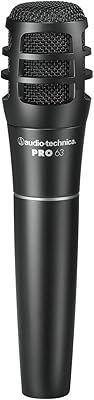
Audio-Technica PRO63 Cardioid Dynamic Instrument Microphone
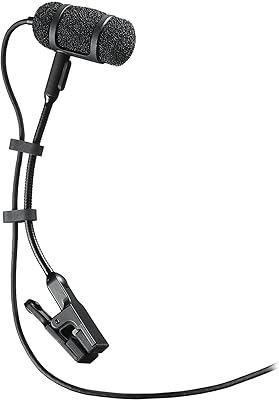
Audio-Technica PRO 35
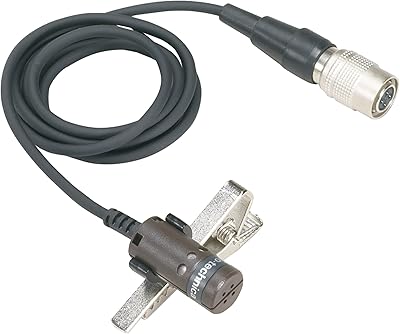
Audio-Technica AT829CW Lavalier Microphone
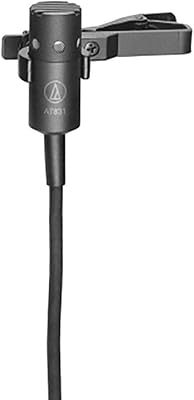
Audio-Technica AT831B Cardioid Lavalier Microphone

Audio-Technica AT875R
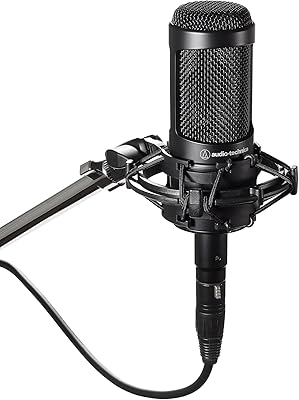
Audio-Technica AT2035
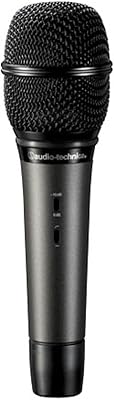
Audio-Technica ATM710 Cardioid Condenser Microphone
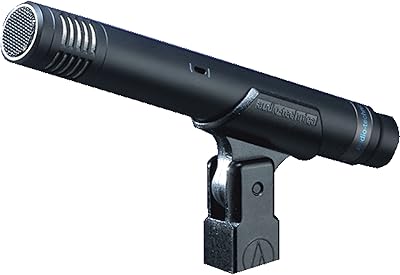
Audio-Technica AT4041 Cardioid Condenser Microphone
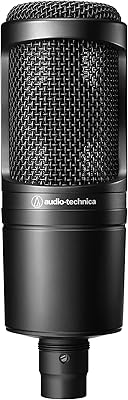
Audio-Technica AT2020