Overview

The Apple iPod Classic 160GB MP3 Player is, in many ways, the last of a dying breed — Apple's final dedicated high-capacity music device, discontinued years ago but still quietly in demand. What you're buying here is a refurbished unit, so go in with clear eyes: cosmetic scuffs, light wear, and variability between units are part of the deal. That said, the core appeal is real. 160GB of local storage means your entire library lives on the device, no Wi-Fi required, no subscription needed. It does one thing and does it well. That singular focus, for the right buyer, is exactly the point.
Features & Benefits

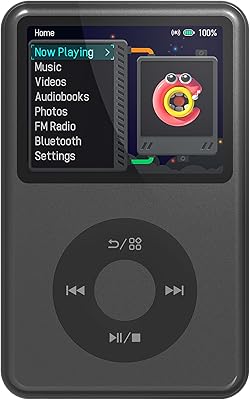
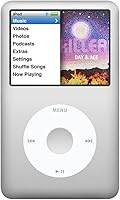
This 160GB music player packs a genuinely impressive set of specs for a device of its age. 36 hours of battery life for audio is the standout — your phone simply cannot compete with that kind of endurance. Storage-wise, you are looking at capacity for roughly 40,000 songs or a hefty mix of lossless files, all accessible offline. The 2.5-inch screen handles album art and basic video well enough. It reads AAC, AIFF, MP3, and WAV files, so most libraries transfer without conversion headaches. Navigation runs through the iconic click wheel, which remains one of the most satisfying physical interfaces ever put on a portable device. Aux and USB round out the connectivity options.

Best For

Apple's classic media player has a clear and specific audience — and if you fall outside it, there are better options available. Audiophiles sitting on large lossless libraries who refuse to compress everything into a streaming service will find this device genuinely useful. Long-haul travelers and commuters benefit from the battery life without sacrificing phone charge. It also works well at the gym or on trails where risking an expensive smartphone makes no sense. Poor connectivity areas — think rural commutes or international travel — make a strong case for offline storage. And honestly, if you grew up clicking through playlists on one of these, the nostalgia factor is real and worth acknowledging.

User Feedback

Across 92 ratings, the iPod Classic holds a 4.1-star average — respectable, but the reviews tell a nuanced story. Fans consistently praise the storage depth and battery endurance, and many note the click wheel still feels better than touchscreen alternatives. The complaints, though, are worth hearing. iTunes dependency is a recurring frustration, particularly for buyers on modern macOS or Windows who find syncing clunky. Refurbished unit quality is inconsistent — some buyers report near-mint condition, others mention scratches or reduced battery capacity. The value question divides people too; at this price for discontinued hardware, a few feel the cost is hard to justify. Most who love it, though, really love it.

Pros

  • 160GB of onboard storage holds an entire music library without a single streaming subscription.
  • Up to 36 hours of audio playback outlasts virtually every smartphone and most modern DAPs.
  • The click wheel remains one of the most intuitive physical controls ever put on a portable device.
  • Supports AAC, AIFF, MP3, and WAV natively — no conversion needed for most established libraries.
  • Compact and pocketable at under 5 ounces, with a profile that fits comfortably in a jacket or gym bag.
  • Completely offline-capable — works perfectly on planes, in tunnels, and in remote areas without signal.
  • Keeps your phone battery reserved for calls, maps, and everything else during long travel days.
  • A dedicated music device means no notifications, no distractions — just your library and nothing else.
  • The aux output connects to virtually any car stereo, speaker dock, or wired headphone without adapters.

Cons

  • iTunes dependency is a genuine obstacle on modern macOS and Windows systems — expect friction.
  • No Bluetooth means wireless headphones and earbuds are completely incompatible out of the box.
  • The spinning hard drive is vulnerable to drops and intense vibration, making it risky for high-impact activities.
  • Refurbished units vary widely in condition — battery degradation and cosmetic wear are common and unpredictable.
  • FLAC files are not natively supported, requiring time-consuming conversion before syncing large lossless libraries.
  • Apple discontinued this device and provides zero official support, firmware updates, or warranty coverage.
  • The fixed storage cannot be expanded, so users with libraries approaching or exceeding 160GB have no upgrade path.
  • Screen visibility in direct sunlight is poor, making outdoor browsing and menu navigation a real inconvenience.
  • At this price for decade-old refurbished hardware, value is genuinely debatable for buyers without specific needs.
  • No podcast, audiobook app, or third-party software support limits the device to locally synced content only.

Ratings

The Apple iPod Classic 160GB MP3 Player was evaluated by our AI rating system after analyzing verified global buyer reviews, with spam, bot-generated, and incentivized feedback actively filtered out. What emerged is a layered picture: a beloved legacy device that still earns genuine loyalty from the right users, while presenting real friction points that modern buyers need to weigh honestly. Both the strengths and the frustrations are reflected in the scores below.

Storage Capacity
96%
160GB of onboard storage is the single biggest reason people still seek out this device. Buyers with large FLAC, AIFF, or uncompressed MP3 libraries consistently report loading their entire collection without compromise — something no mainstream streaming app can replicate on a flight or remote trail.
The storage is fixed and non-expandable, so power users with libraries exceeding 160GB hit a hard ceiling. There is also no cloud sync or wireless backup option, meaning management is entirely manual through iTunes.
Battery Life
91%
Up to 36 hours of audio playback is extraordinary by any modern standard. Commuters and long-haul travelers repeatedly note that this 160GB music player outlasts multi-day trips without needing a charge, leaving their phone battery untouched for calls and navigation.
Refurbished units introduce real unpredictability here — some buyers report noticeably degraded battery capacity, getting far fewer hours than advertised. Age of the hardware means battery wear is a legitimate concern, and replacement requires technical skill or a repair shop.
Build Quality
74%
26%
The aluminum and polycarbonate construction feels solid and purposeful in hand. Many buyers note that even refurbished units retain their structural integrity well — the chassis does not flex, the click wheel mechanism remains firm, and the overall feel is premium for its era.
Refurbished condition variability is the main issue. A notable share of buyers received units with deep scratches on the backing, scuffed screens, or worn click wheel surfaces. Cosmetic condition is essentially a lottery unless the seller grades units explicitly.
Click Wheel & Navigation
88%
The click wheel remains one of the most intuitive physical interfaces on any portable device. Gym users and drivers especially appreciate the ability to skip tracks, adjust volume, and browse playlists entirely by feel — no screen glancing required.
On older or heavily used refurbished units, click wheel sensitivity can degrade — registering phantom inputs or requiring harder presses than expected. This is not universal, but enough buyers flag it to warrant mention, particularly on lower-graded refurbished stock.
Audio Format Compatibility
83%
Support for AAC, AIFF, MP3, and WAV covers the overwhelming majority of music libraries without needing conversion. Audiophiles using AIFF for lossless Apple-ecosystem files find the iPod Classic one of the few portable players that handles the format natively and cleanly.
FLAC, the most popular lossless format outside the Apple ecosystem, is not natively supported. Users with large FLAC collections must convert files before syncing, which is a real time investment and a friction point that newer dedicated players have since resolved.
Ease of Setup & Syncing
47%
53%
For users already embedded in the iTunes ecosystem — particularly on older macOS versions — setup is straightforward and familiar. The USB connection is reliable, sync speeds are acceptable for the era, and iTunes handles large libraries without crashing for most users.
iTunes dependency is the most consistently cited frustration across all reviews. Modern macOS users must use Finder or Finder-based workarounds, while Windows users report frequent sync errors and driver conflicts. This single bottleneck alone is a dealbreaker for a meaningful portion of buyers.
Screen Quality
62%
38%
The 2.5-inch color display is perfectly adequate for album art browsing and basic menu navigation. In normal indoor and low-light conditions, the screen is bright enough and text is readable without strain.
By modern standards, the screen resolution and outdoor visibility are noticeably limited. Direct sunlight washes it out significantly, and anyone used to a contemporary smartphone display will find the visuals dated. It serves its purpose for music browsing but nothing more.
Portability & Size
84%
At 4.9 ounces and roughly the size of a deck of cards, Apple's classic media player is genuinely pocketable. Runners and gym users appreciate the compact footprint, and the slim 0.4-inch profile means it sits flat in a pocket without bulk.
Compared to ultra-thin modern alternatives or even a phone, the iPod Classic is slightly thicker and heavier than buyers sometimes expect. It is not uncomfortable, but those accustomed to paper-thin devices may notice the difference on longer carries.
Value for Money
58%
42%
For buyers who genuinely need massive offline storage and exceptional battery life in a single device, the value proposition holds up reasonably well. There is simply no direct modern equivalent at any price that replicates this specific combination of storage depth and battery endurance.
The price for refurbished discontinued hardware divides buyers sharply. Given that the device cannot be updated, relies on aging software, and arrives in variable condition, a significant share of reviewers feel the cost is difficult to justify — especially compared to newer dedicated players with better software support.
Refurbished Condition Consistency
53%
47%
Many buyers report receiving units that function perfectly and show only minimal cosmetic wear, which at this age is a reasonable expectation. Functionally, the hardware tends to hold up well even in refurbished form, with the core music playback experience intact.
The spread in condition quality is wide. Reviews include everything from near-mint units to devices with deep back-panel scratches, worn click wheels, and batteries that hold a fraction of their rated capacity. Without detailed seller grading, the experience is inconsistent at best.
Software & Ecosystem Support
38%
62%
Users who maintain a dedicated older Mac or Windows machine solely for iTunes management report a stable, predictable syncing workflow. If the ecosystem is already in place, the experience is relatively frictionless within those constraints.
Apple has not updated the iPod Classic firmware in over a decade, and iTunes itself has been fragmented or deprecated on modern operating systems. Buyers expecting plug-and-play simplicity will be disappointed — the software situation requires patience and, in some cases, technical workarounds.
Durability & Longevity
71%
29%
The mechanical hard drive design proved resilient over years of normal use, and many units in circulation are well over a decade old while still functioning. Buyers who treat the device carefully report it holds up impressively given its age.
The spinning hard drive is the Achilles heel for active use — drops, heavy vibration, and intense physical activity can cause drive errors or failure. Gym users and runners should be aware this is not a solid-state device, and physical shocks carry real risk.
Connectivity Options
66%
34%
The 3.5mm aux output is universally compatible with headphones, car stereos, and speaker docks, making the iPod Classic easy to integrate into existing audio setups. Car users particularly value the aux-out for older vehicles that lack Bluetooth.
There is no Bluetooth, no Wi-Fi, and no wireless audio output of any kind. In an era where wireless headphones are the norm, the absence of Bluetooth is a practical limitation that many buyers only fully appreciate after purchase.
Availability & Repairability
44%
56%
A dedicated aftermarket has developed around the iPod Classic, with third-party repair shops and parts suppliers offering battery replacements and even solid-state drive upgrades. Enthusiasts willing to invest in repairs can significantly extend the device's useful life.
Apple discontinued this device and provides no official support or parts. Finding a reputable refurbished unit at a fair price requires research, and repair costs can approach or exceed the device value for older batteries or failing hard drives — a real long-term ownership risk.

Suitable for:

The Apple iPod Classic 160GB MP3 Player is purpose-built for a specific kind of buyer, and for that buyer, it is genuinely hard to beat. Audiophiles and serious music collectors who have spent years building large lossless or uncompressed libraries will find this 160GB music player uniquely capable — it stores tens of thousands of tracks locally, with no subscription, no buffering, and no dependency on a cell signal. Long-haul travelers and daily commuters who drain their phone battery on music will appreciate having a dedicated device that runs for up to 36 hours straight without a recharge. It also makes practical sense for anyone living or working in areas with unreliable connectivity, where streaming simply is not a dependable option. Gym-goers and outdoor enthusiasts who would rather not risk an expensive smartphone during physical activity will find the compact, single-purpose nature of this device a genuine advantage. And if you grew up with the iPod ecosystem and still have an iTunes library meticulously organized over years, this is the device that honors that investment completely.

Not suitable for:

The Apple iPod Classic 160GB MP3 Player is the wrong choice for a wide range of modern buyers, and being clear about that upfront saves a lot of post-purchase frustration. If you rely on Spotify, Apple Music, or any other streaming service for your listening, this device is entirely useless — it has no Wi-Fi, no app support, and no way to access streaming content. Bluetooth headphone users will hit an immediate wall; this 160GB music player has no wireless audio output, meaning you are locked into wired connections at all times. Anyone expecting plug-and-play simplicity should also think twice: syncing requires iTunes or Finder on a laptop, and on modern operating systems this process ranges from mildly clunky to genuinely frustrating. Buyers who want a device they can drop, shake, or take running on rough terrain should note that the spinning hard drive inside is vulnerable to physical shock in ways that solid-state players are not. Finally, if cosmetic perfection matters to you, the refurbished condition of this unit introduces real uncertainty — scratches, screen wear, and inconsistent battery health are documented and common enough to factor into your decision.

Specifications

  • Storage: Onboard storage capacity is 160GB, sufficient for approximately 40,000 songs at standard compression rates.
  • Battery Life: Rated for up to 36 hours of continuous audio playback on a full charge under standard conditions.
  • Screen Size: Features a 2.5″ color LCD display capable of showing album artwork, menus, and basic video content.
  • Dimensions: The unit measures 2.4 x 0.4 x 4.1 inches, making it compact enough to fit in a standard shirt or trouser pocket.
  • Weight: Weighs 4.9 ounces, balancing a solid, premium feel with comfortable everyday portability.
  • Audio Formats: Natively supports AAC, AIFF, MP3, and WAV audio formats; FLAC is not supported without prior conversion.
  • Connectivity: Equipped with a 3.5mm aux headphone output and a proprietary 30-pin USB port for charging and data sync.
  • Navigation: Uses Apple's iconic mechanical click wheel for all menu navigation, playback control, and volume adjustment.
  • Generation: This is the 7th generation iPod Classic, the final hardware revision Apple produced before discontinuing the line.
  • Model Number: Official Apple model number is MC293LL/A, which corresponds to the 160GB silver 7th generation configuration.
  • Video Playback: Supports basic video playback on the 2.5″ screen for compatible video file formats synced via iTunes.
  • Sync Method: Music and media are loaded exclusively through iTunes on a connected Mac or Windows PC via the 30-pin USB cable.
  • Wireless: The device has no Wi-Fi, Bluetooth, or any wireless connectivity; all audio output is wired only.
  • Condition: Sold as a refurbished unit, meaning it has been previously owned and restored to working condition by a third party.
  • Manufacturer Status: Apple has officially discontinued this product and no longer provides firmware updates, support, or replacement parts.
  • Compatible Devices: Syncs with Mac and Windows laptops running a version of iTunes or Finder that supports legacy iPod devices.
  • Internal Drive: Uses a mechanical spinning hard disk drive internally, which is more susceptible to damage from drops and strong vibrations than solid-state storage.
  • Charging: Charges via the included or compatible 30-pin USB cable connected to a computer or compatible USB power adapter.

Related Reviews
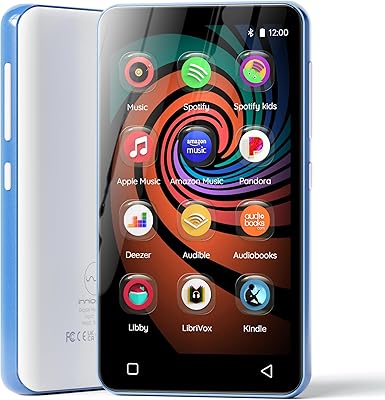
innioasis G3 160GB Bluetooth WiFi MP3 Player
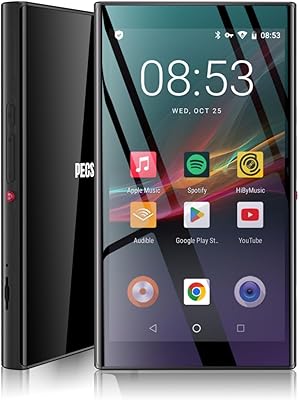
73%
83%
Value for Money
54%
App Compatibility
78%
WiFi Streaming Stability
61%
Bluetooth Performance
91%
Storage & Capacity
More
PECSU G5 160GB Android MP3 Player
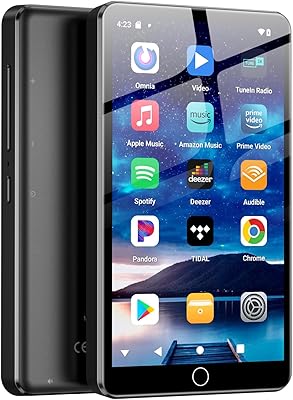
73%
74%
Value for Money
58%
App Compatibility
81%
Battery Life
54%
Wi-Fi Performance
79%
Display Quality
More
Yottix 64GB MP3 Player
82%
88%
Sound Quality
85%
Battery Life
80%
Build Quality
92%
Ease of Use
75%
Bluetooth Connectivity
More
Fanvace MP3 Player 144GB
84%
94%
Storage Capacity
88%
Sound Quality
91%
Battery Life
72%
Bluetooth Connectivity
85%
App Compatibility
More
AGPTEK M2 64GB Clip MP3 Player
73%
88%
Portability & Clip Design
74%
Bluetooth Stability
91%
Storage & Capacity
83%
Ease of Use
67%
Sound Quality
More
idoooz U2 8GB USB MP3 Player
76%
93%
Ease of Use
88%
Value for Money
86%
Battery Life
74%
Sound Quality
67%
Build Quality
More
innioasis G1 80GB MP3 Player
85%
91%
Audio Quality
88%
Battery Performance
82%
Display & Visuals
74%
User Interface Responsiveness
85%
Connectivity Stability
More
Wiwoo Q10 64GB Kids MP3 Player
72%
88%
Ease of Use for Kids
91%
Battery Life
86%
Design & Kid Appeal
83%
Parental Controls & Safety
89%
Storage & Content Capacity
More
AGPTEK K1 8GB Kids MP3 Player
74%
88%
Ease of Use for Kids
84%
Value for Money
82%
Battery Life
73%
Audio Quality
61%
Built-in Speaker
More
AGPTEK A19X 32GB Bluetooth MP3 Player
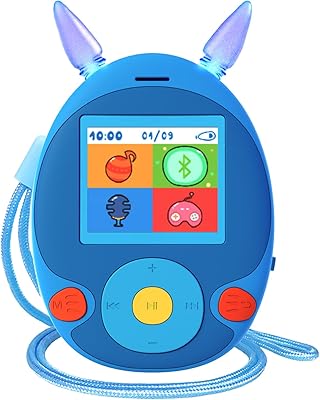
78%
83%
Sound Quality
67%
Bluetooth Stability
79%
Build Quality
61%
Battery Life
88%
Value for Money
More

FAQ

It can, but the experience requires some patience. On macOS Catalina and later, iTunes no longer exists — you sync the iPod through Finder instead, which works but is less intuitive than the old iTunes workflow. On Windows 11, iTunes from the Microsoft Store handles syncing, though some users report occasional driver conflicts that need troubleshooting.

No — the iPod Classic has no internet connection, no app store, and no streaming capability of any kind. It only plays music that has been manually synced to it from a computer via iTunes or Finder. If streaming is central to how you listen to music, this is not the right device for you.

Unfortunately, no. This 160GB music player has no Bluetooth hardware whatsoever, so wireless headphones and earbuds are completely incompatible. You will need wired headphones with a standard 3.5mm connector to use it.

It means the device was previously owned, returned, or repaired, and has been restored to working functionality before resale. What it does not guarantee is cosmetic perfection — expect the possibility of scratches on the back panel, light screen wear, or a battery that holds slightly less charge than a brand-new unit would. Functionally, most refurbished units perform well, but condition quality can vary between units.

It depends on your file types and quality settings. At typical MP3 quality (around 128–256kbps), you can fit roughly 35,000 to 45,000 songs. If you prefer lossless AIFF files, expect closer to 10,000 to 15,000 songs. Either way, the storage is generous enough that most people will never come close to filling it.

No, FLAC is not natively supported. If your library is in FLAC format, you will need to convert the files to AIFF or Apple Lossless (ALAC) before syncing — both of which are lossless alternatives that the device handles natively. Free tools like fre:ac or XLD make batch conversion straightforward, but it is an extra step worth factoring in.

Yes, but not by the average user without some technical confidence. The iPod Classic can be opened with the right tools, and third-party replacement batteries are widely available online for a modest cost. Many independent electronics repair shops also offer this service. Just know that Apple provides no official repair support for this discontinued product.

You can, but with a caveat: the internal hard drive is mechanical, not solid-state, which means it is more vulnerable to shocks from drops or heavy vibration than newer players. Light gym use and casual jogging are generally fine for most users, but intense trail running or contact sports carry a real risk of drive errors over time.

The iPod Classic uses Apple's older 30-pin connector — not Lightning, not USB-C. If the unit does not come with a cable, you will need to source a 30-pin to USB-A cable separately. They are still widely available from third-party sellers, but this is worth confirming before you buy, especially if you no longer have one from a previous iPod.

Honestly, it varies. On well-maintained refurbished units, battery life is often close to the rated figure. On units with heavier use history, you may see significantly less — some buyers report getting 15 to 20 hours rather than 36. If maximum battery endurance is critical for you, it is worth asking the seller about battery condition or budgeting for a replacement battery as part of the overall cost.