RadarBox FlightStick ADS-B USB Receiver
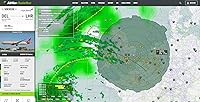
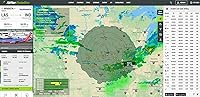
Overview
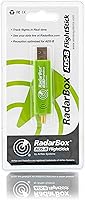
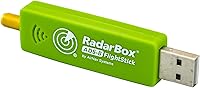
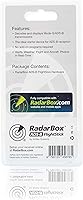
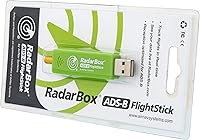
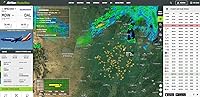
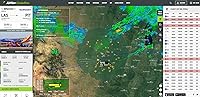
The RadarBox FlightStick ADS-B USB Receiver is a purpose-built dongle for picking up 1090 MHz ADS-B transponder signals broadcast by commercial and private aircraft. If you already know what ADS-B is, you understand why a dedicated receiver beats a bare RTL-SDR stick for this specific job. It connects over USB and works with Raspberry Pi, Windows, and Linux, pairing naturally with software like dump1090, FlightAware, or the RadarBox platform itself. One thing worth stating clearly upfront: this is a receiver only. You still need an antenna and tracking software to get anything on screen.
Features & Benefits
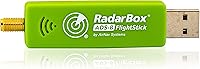
What separates the FlightStick from a generic SDR dongle is what is built directly into the housing. The integrated 1090 MHz bandpass filter cuts out interference from cellular, Wi-Fi, and other RF noise that would otherwise crowd your signal — a real problem in urban environments. Paired with a low-noise amplifier, the practical result is noticeably more aircraft appearing on your map, particularly at longer distances. ESD protection is also baked in, which matters if your antenna cable runs outdoors or across a rooftop. The whole unit is barely the size of a large thumb drive, so positioning it close to the antenna feed is straightforward.
Best For
This USB flight tracker makes the most sense for hobbyists who are already building or expanding a home ADS-B ground station. If you are feeding data to FlightAware, FlightRadar24, or the RadarBox network, the cleaner signal and extended range give you more planes to report with less effort. It is also a natural upgrade path for anyone running a Raspberry Pi setup who has already outgrown a plain RTL-SDR stick and wants filter and amplification in a single unit. Urban users dealing with dense RF environments will notice the filter's benefit most. Less ideal for total beginners who expect a ready-to-track box out of the packaging.
User Feedback
Across a large pool of ratings, the most consistent praise centers on range improvement and how little configuration is needed to get it running on a Raspberry Pi. Buyers coming from unfiltered sticks tend to notice the difference quickly. Build quality also gets favorable mentions — small but not flimsy. The most practical complaint is the absence of an included antenna, which catches some buyers off guard and adds to the real cost of entry. A handful of users reported driver friction on certain Linux distributions, though this appears isolated rather than widespread. Overall, satisfaction rates reflect a product that delivers on its core promise for the audience it targets.
Pros
- Built-in bandpass filter delivers noticeably cleaner signal in RF-congested urban and suburban environments.
- The integrated amplifier extends practical range, putting more aircraft on your map without adding external hardware.
- Setup on Raspberry Pi is fast and reliable — most users are feeding data within minutes of plugging in.
- ESD protection safeguards the tuner chip from static damage, a real advantage in outdoor antenna installations.
- The FlightStick is compact enough to position right at the antenna feedpoint, minimizing signal loss over coax.
- Works out of the box with all major ADS-B software platforms including dump1090, PiAware, and FR24 feeder.
- No separate power supply needed — the USB connection handles everything cleanly.
- Solid build quality for continuous 24/7 operation typical of permanent feeder station setups.
- Combines filter, amplifier, and ESD protection in one unit, replacing what would otherwise be three separate components.
Cons
- No antenna included — buyers must source one separately before the device can receive anything at all.
- Official documentation from AirNav RadarBox is thin, leaving edge-case troubleshooting entirely to community forums.
- Driver issues surface on older or niche Linux distributions, requiring manual intervention that not all users can handle.
- The amplifier gain is fixed and non-adjustable, which can cause overloading concerns for stations very close to major airports.
- Runs noticeably warm during continuous use in sealed or poorly ventilated enclosures, with no built-in heat management.
- macOS compatibility is not officially supported and has produced inconsistent results for users on that platform.
- Some units have been reported to occasionally drop out after system sleep events, requiring a physical replug to recover.
- For buyers who still need an antenna, coax, and a Raspberry Pi, the total system cost adds up faster than the unit price suggests.
Ratings
The RadarBox FlightStick ADS-B USB Receiver has been evaluated by our AI rating engine after processing hundreds of verified global purchases, actively filtering out incentivized and bot-generated submissions to surface what real hobbyists actually experienced. Scores reflect both the genuine strengths this USB flight tracker delivers and the friction points that came up repeatedly across independent buyer accounts. Nothing is glossed over — the numbers tell the full story.
Signal Reception Quality
Ease of Setup
Build Quality & Durability
ESD & Static Protection
Filter Effectiveness
Amplifier Performance
Antenna Inclusion & Out-of-Box Readiness
Compatibility & Software Support
Value for Money
Form Factor & Portability
Driver Stability
Range Performance
Heat Management
Community & Ecosystem Support
Suitable for:
The RadarBox FlightStick ADS-B USB Receiver is purpose-built for aviation hobbyists who already understand the basics of ADS-B and want a cleaner, more capable receiver than a bare RTL-SDR stick provides. If you are running a Raspberry Pi feeder station for FlightAware, FlightRadar24, or the RadarBox network, this USB flight tracker slots into that workflow with minimal friction and delivers a real-world range improvement that shows up immediately in your aircraft count. Urban and suburban users are arguably the biggest beneficiaries — anyone living near cell towers or dense Wi-Fi infrastructure will notice how much quieter and more stable the signal becomes once the built-in filter is doing its job. It also suits hobbyists who want to install a permanent, always-on ground station and need ESD protection for an antenna cable that runs outdoors or through a wall. If you are upgrading from an unfiltered dongle and already have a decent antenna and coax in place, this is a logical and well-supported next step.
Not suitable for:
The RadarBox FlightStick ADS-B USB Receiver is a poor fit for anyone expecting a ready-to-track solution straight out of the box — no antenna is included, and without one, the hardware cannot receive a single aircraft signal regardless of how it is configured. Complete beginners with no prior SDR or ADS-B experience may find the learning curve steep, as official documentation is sparse and setup relies heavily on community resources and third-party guides. If you are in a quiet rural area with minimal RF interference and already own a quality filtered SDR setup, the tangible upgrade benefit may not justify the cost. It is also not the right choice for users on macOS, where compatibility is inconsistent and unsupported. Anyone looking for a self-contained flight tracking device with a screen or standalone app will need to look elsewhere entirely — this is a component in a larger system, not a finished product.
Specifications
- Manufacturer: Produced by AirNav RadarBox, a company specializing in flight tracking hardware and software platforms.
- Model Number: The official model identifier for this unit is RBFS1.
- Frequency: Tuned specifically to 1090 MHz, the standard frequency broadcast by aircraft ADS-B transponders worldwide.
- Tuner Technology: Dedicated ADS-B tuner optimized for aircraft transponder signal decoding, unlike general-purpose SDR chipsets.
- Filter Type: Integrated 1090 MHz bandpass filter that actively rejects out-of-band RF interference before it reaches the tuner.
- Amplifier: Built-in 20.5 dBi low-noise amplifier (LNA) designed to boost weak incoming signals without introducing significant noise.
- ESD Protection: On-board electrostatic discharge protection circuit guards the tuner against static events from connected antenna cables.
- Connectivity: Standard USB interface compatible with Type-A host ports found on computers, hubs, and Raspberry Pi boards.
- Power Source: Powered entirely via USB connection; no external power adapter or battery is required during operation.
- Dimensions: Unit measures 3.54″ in length, 0.79″ in width, and 0.39″ in height — roughly the profile of a large thumb drive.
- Weight: Weighs 0.776 oz, making it light enough to suspend directly at an antenna feedpoint without mechanical strain.
- Compatible Platforms: Confirmed compatible with Raspberry Pi (all common models), mainstream Linux distributions, and Windows operating systems.
- Color: Finished in green housing, which visually distinguishes it from generic black RTL-SDR dongles in multi-device setups.
- Included Contents: Package contains the FlightStick receiver unit only; no antenna, coax cable, or software disc is included.
- Release Date: First made available for purchase in November 2018 and has remained in active production since.
- Discontinuation Status: As of the latest available information, this product has not been discontinued by the manufacturer.
- BSR Ranking: Holds a Best Sellers Rank of number 27 in the Radio Scanners category on Amazon, reflecting sustained market demand.
- Antenna Connector: Uses an SMA female connector, which is the standard interface for most ADS-B and SDR antenna cables and adapters.
Related Reviews
Stratux Dual Band ADS-B Aviation Receiver
CHHI D800 Wireless Mouse with Bluetooth, USB-A, USB-C Receiver
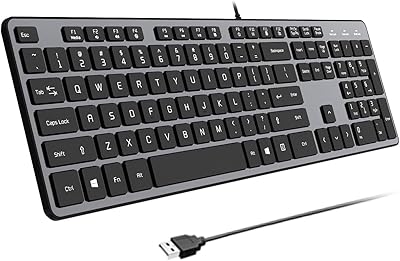
B.Friend KB1430 Wired Keyboard
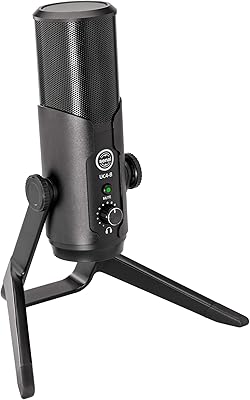
Senal UC4-B USB Multi-Pattern Condenser Microphone
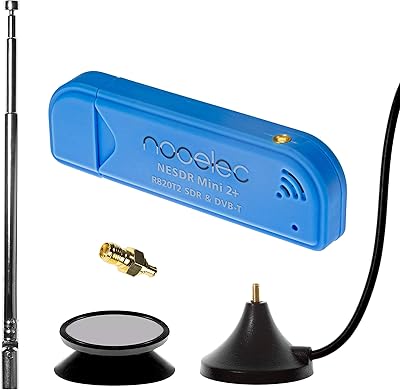
NooElec NESDR Mini 2+
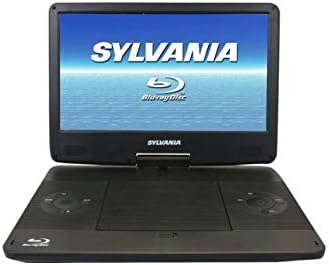
PROSCAN PDVD1336-B 13.3-Inch Portable Blu-Ray Player
ySky 512GB Dual-Interface USB-C Flash Drive
HHSOET 8 Outlet Recessed Power Strip with USB-C and USB-A Ports